How Often Should You Hand Wash Your Car?
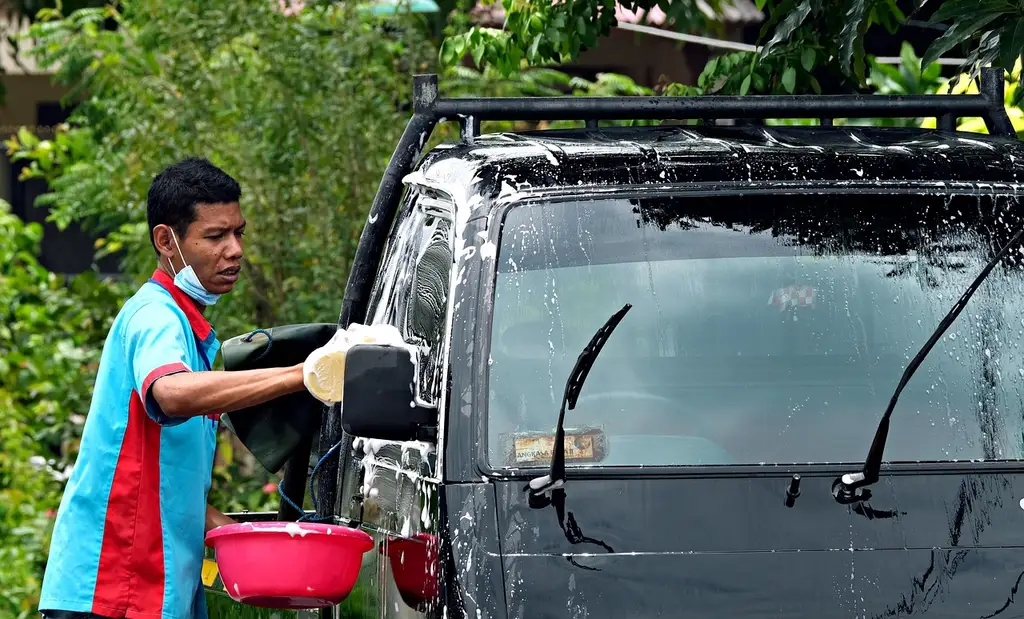
Hand wash your car about every 2 to 4 weeks, and wash sooner if winter salt, bird droppings, sap, mud, or heavy road film appears. Leaving contamination in place can etch clear coat, stain trim, and make later washing harder. This guide covers a practical hand-wash cadence by season, parking conditions, and the contamination triggers that call for an immediate wash.
Reading your environment to set a wash schedule
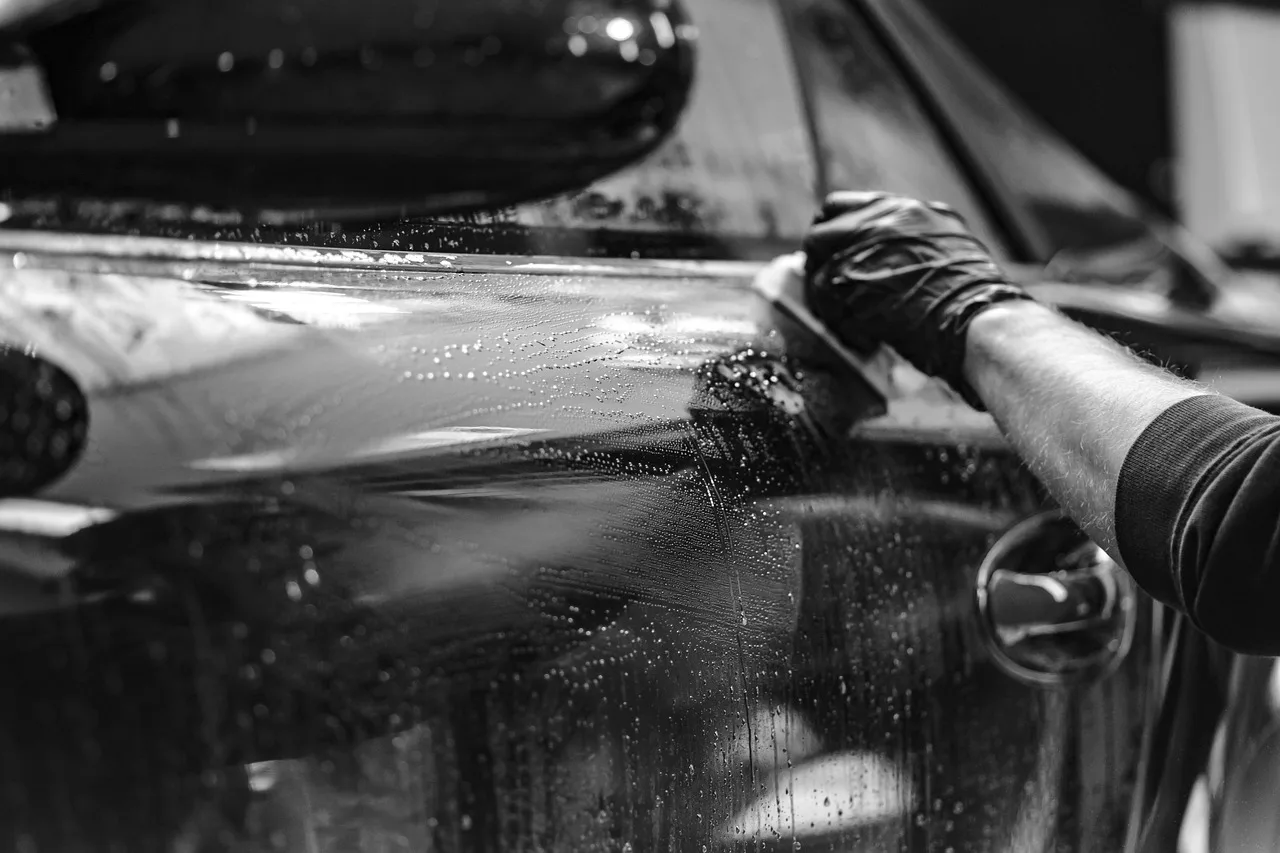
A practical baseline is weekly, biweekly, or monthly, based on exposure. A garage-kept, fair-weather car can often stay on about a monthly pace, while a daily commuter often needs about biweekly washing, and winter or salted-road driving may need about weekly attention. The interval shortens as contamination builds.
Use contamination, not a fixed calendar, as the decision rule. Light dust can wait for the next routine wash, but winter salt, bird droppings, tree sap, and heavy road film call for an immediate wash because they can stain, etch, or speed corrosion if they sit too long.
What changes the wash interval?
Driving pattern, parking, and season all change how fast grime builds up. A car that stays in a garage and sees fair-weather weekend use collects far less contamination than one parked on the street, driven daily, or left under trees. Outdoor city parking adds dust and film. Tree parking adds sap and droppings.
Season matters too. Winter adds salt and slush. Spring brings pollen and mud. Summer brings bugs, sap, and strong UV exposure. Fall adds leaves and rain, which can trap grime in seams and around trim. The answer is not the same interval for every car.
Toronto guidance gives a useful range: hand wash every 7 to 10 days in winter, every 10 to 14 days in spring and fall, and every 2 to 3 weeks in summer. Toronto winter advice also tightens to once per week, and heavy snowfall or active salting can require every 5 to 7 days.
Consumer Reports advises a monthly wash during snow season, while The Drive says to wash at least every two weeks. Autoglym notes that a couple to several weeks of normal driving seems about right, and Sapoo’s recap table lists weekly cleaning for winter or coastal areas. Those ranges all point the same way: exposure drives frequency. (Consumerreports) (Thedrive)
Daily commuting versus fair-weather driving
Daily commuting usually means more brake dust, road film, and splash contamination than weekend driving. Biweekly washing is a sensible starting point for that use case, with a shorter interval after storms, highway miles, or dirty road conditions. Fair-weather garage storage can often move the schedule toward monthly washing.
Suppose a midsize sedan is parked in a garage, driven mostly on dry roads, and shows only a thin layer of dust after three weeks. That fits a monthly routine. If the same car becomes streaked with road film after a week of wet commuting, the interval should shorten immediately.
Garage-kept, street-parked, tree-parking, and coastal exposure
Garage-kept cars usually need less frequent washing because they see less airborne dirt, bird mess, and weather residue. Street-parked cars pick up more contamination, especially in city traffic. Tree-parking adds sap and droppings. Coastal exposure adds salt-laden residue that should be removed more often than ordinary dust.
Cars parked under trees or near the ocean should not follow a relaxed monthly routine if contamination appears faster. In those settings, the issue is not just appearance. Salt, sap, and droppings can affect clear coat, trim, and corrosion risk if they are left in place.
Seasonal changes
Winter is the most urgent season because road salt is a winter contaminant that accelerates rust. Snow, slush, and salted spray stick to paint, wheels, wheel wells, and the undercarriage. Spring usually brings pollen and mud. Summer often brings bugs and sap. Fall leaves can trap moisture and grime against body panels.
That is why winter needs more frequent washing than summer. It is also why a wash that looks optional in dry weather becomes necessary after a storm cycle, a salted commute, or a few days of slushy roads.
When should you wash sooner?
Wash sooner whenever contamination is corrosive, sticky, or paint-etching. Bird droppings, tree sap, bug residue, and road salt should not wait for the next routine wash. The trigger is not the date on the calendar; it is the material on the car and how long it has been there.
Bird droppings and bug residue
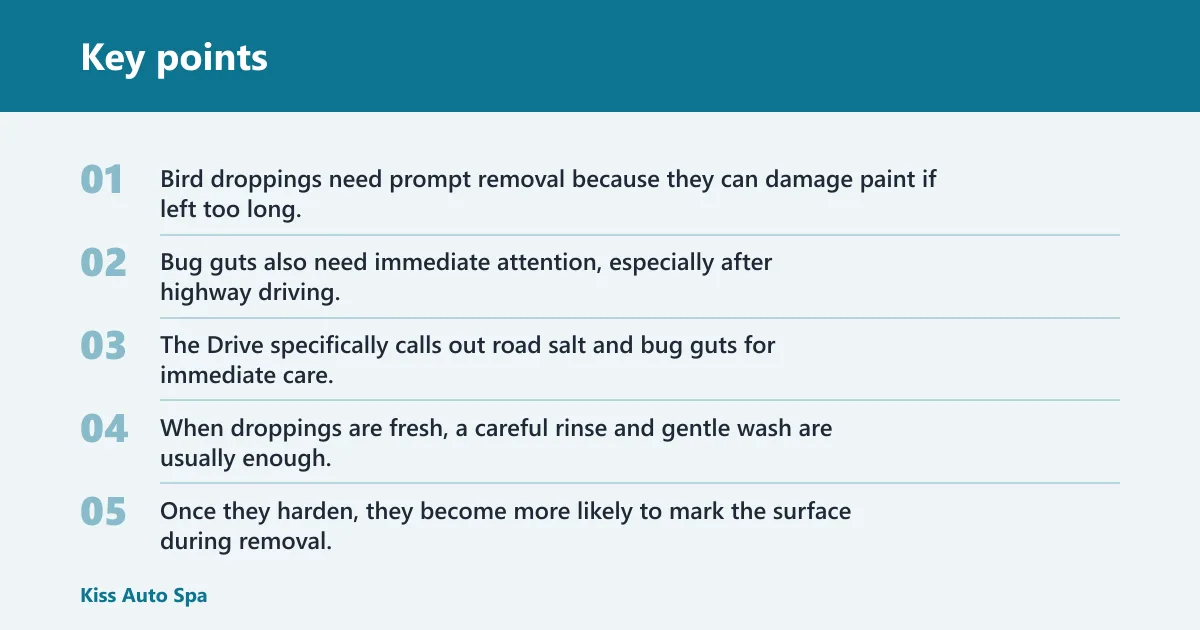
Bird droppings need prompt removal because they can damage paint if left too long. Bug guts also need immediate attention, especially after highway driving. The Drive specifically calls out road salt and bug guts for immediate care, and the same logic applies to other organic contamination that dries hard on clear coat.
When droppings are fresh, a careful rinse and gentle wash are usually enough. Once they harden, they become more likely to mark the surface during removal. That is why the best schedule is immediate spot cleaning, then the routine wash later if needed.
Tree sap and pollen buildup
Tree sap can etch or stain clear coat, so it needs faster cleaning in summer and fall, especially on cars parked under trees. Pollen is less aggressive than sap, but heavy buildup can hold moisture and grime against the paint. If sap lands on horizontal panels, do not let it sit through heat or sun.
Picture a hatchback parked under a maple tree for a week in warm weather. Fresh sap spots on the roof and hood should move the car into immediate-wash territory, not next-week territory. The longer sap stays in place, the harder it becomes to remove cleanly.
Road salt, slush, and heavy grime
Road salt should come off more often in snow season because it speeds up corrosion and rust. The risk is highest when salt mixes with slush, wet roads, and freeze-thaw cycles. Heavy road film also calls for an earlier wash because it can hold grit against paint and trim.
Use a tighter winter schedule if salted roads are part of the commute. Toronto winter guidance says every 7 to 10 days, once per week, and even every 5 to 7 days during heavy snowfall or active salting. That is a strong cue for winter drivers to shorten the interval immediately.
Why are undercarriage and wheel wells important?
Wheel wells and the undercarriage collect the dirt, salt, and slush that routine top-side washing can miss. They matter most in winter, after mud, and after repeated wet-road driving. If those areas stay dirty, corrosion risk rises even when the paint looks clean.
Road salt and corrosion risk
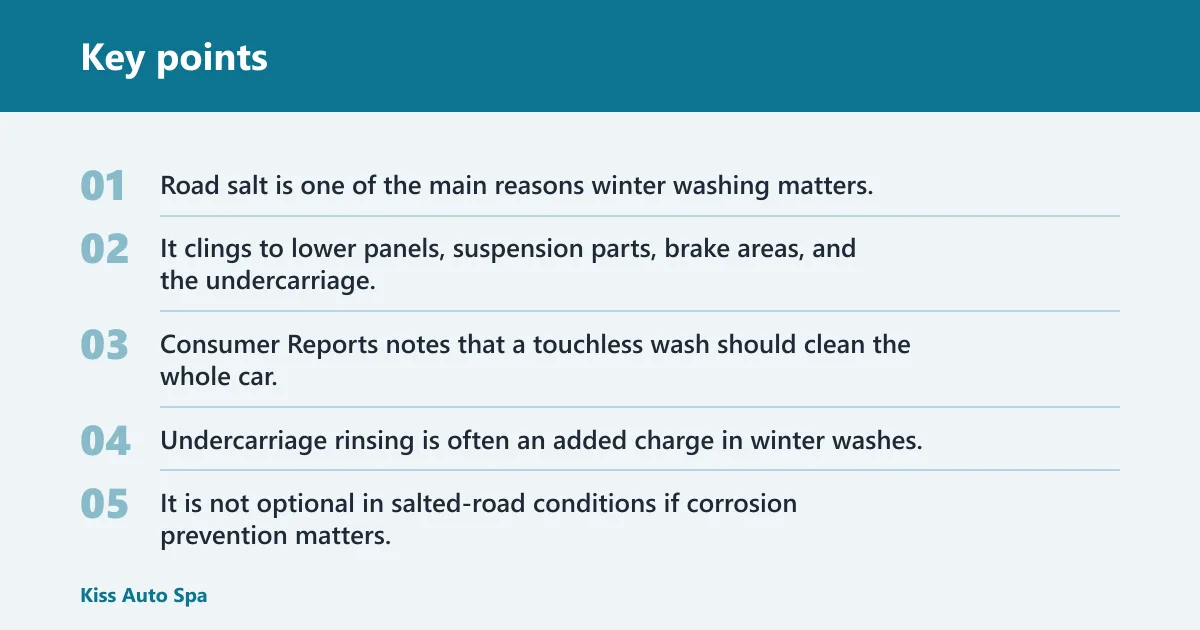
Road salt is one of the main reasons winter washing matters. It clings to lower panels, suspension parts, brake areas, and the undercarriage. Consumer Reports notes that a touchless wash should clean the whole car, including the undercarriage, which is useful when the goal is salt removal rather than a cosmetic rinse.
Undercarriage rinsing is often an added charge in winter washes, and that makes sense because it takes more water and time to flush salt from hidden areas. It is not optional in salted-road conditions if corrosion prevention matters.
Wheel wells, mud, and packed grime
Wheel wells collect dirt and grime fast, especially after snow, slush, rain, or construction-zone driving. Packed mud can hold moisture against liners and metal, so it should be cleaned during winter or after mud exposure. This area is easy to overlook because it is out of sight.
A common first-timer mistake is washing the doors and hood carefully, then skipping the wheel wells and underbody because the car “looks clean enough.” That leaves the most contamination-prone areas untouched.
When undercarriage rinsing matters most
Undercarriage rinsing matters most after salted roads, slush, frozen spray, and mud. In dry summer weather, it may be less urgent unless the car has been driven on dusty, muddy, or coastal roads. In winter, it should be part of the wash plan, not a rare add-on.
Is hand washing better than automatic washing?
Hand washing is generally gentler than some automatic brush washes when it is done with proper technique. The main advantage is control. You can target heavy contamination, avoid dragging grit across the finish, and protect delicate clear coat areas better than a rough brush tunnel might.
Two-bucket hand wash basics
The Drive recommends two buckets and two dirt traps for washing. That setup helps keep removed grit away from the wash mitt, which lowers the chance of dragging abrasive debris back onto the paint. Soft wash tools and a careful rinse matter more than speed.
Use a gentle process: pre-rinse, wash from top to bottom, rinse the mitt often, and pay attention to lower panels last. Shade is better than direct sun. The Drive warns against washing in sun and recommends shade, which helps avoid soap drying onto the surface.
- Rinse off loose dirt and salt first.
- Wash the roof, glass, and upper panels before lower panels.
- Use a clean mitt and separate rinse bucket.
- Clean wheels and wheel wells with dedicated tools.
- Rinse thoroughly, then dry the car to reduce spotting.
When touchless is the better minimum standard
Touchless is the better minimum standard when the car is caked with winter salt, slush, or heavy road film and you need fast whole-car cleaning. It is also a practical choice when you want the undercarriage rinsed and do not have time for a full hand wash. The same source says a touchless wash should clean the whole car, including the undercarriage.
Why brushes can be a poor fit for delicate finishes
Automatic brush washes can be a poor fit for delicate finishes, softer clear coats, and already-contaminated paint because brushes can drag grit across the surface. That does not mean every automatic wash is bad. It means the method should match the contamination level and finish sensitivity.
Wash frequency decision table
This one-page table turns the schedule into a practical decision rule. Start with the routine interval, then shorten it immediately if contamination appears.
| Scenario | Routine interval | Trigger for immediate wash | Must-clean zones | Better minimum standard |
|---|---|---|---|---|
| Garage-kept fair-weather car | Monthly | Bird droppings, sap, bug residue, visible road film | Paint, wheels, wheel wells, undercarriage if exposed to road spray | Hand wash |
| Daily commuter | Biweekly | Heavy road grime, highway bugs, post-storm splash, winter film | Paint, wheels, wheel wells, undercarriage after wet roads | Hand wash or touchless if time is short |
| Winter and salt exposure | Weekly; every 5 to 7 days during heavy snowfall or active salting | Any visible salt crust, slush buildup, packed wheel-well grime | Paint, wheels, wheel wells, undercarriage | Touchless minimum, hand wash when conditions allow |
| Tree-parking or coastal exposure | Weekly to biweekly | Sap spots, bird droppings, sticky pollen, salt residue | Paint, wheels, wheel wells, undercarriage if salt is present | Hand wash |
How can you wash too often?
Washing too often is usually less of a problem than washing badly, but frequent washing can still wear paint if the technique is rough. The risk comes from dry wiping, dirty mitts, hard brushes, strong cleaners, and washing in full sun, not from a careful wash schedule itself.
Technique matters more than the calendar
If the wash method is gentle, frequent washing helps preserve clear coat, appearance, and resale value. It also helps prevent corrosion by removing salt before it sits too long. If the method is harsh, even a normal schedule can create swirls or dullness over time.
What causes avoidable paint wear
Abrasive brushes, gritty sponges, washed-over dirt, and soap drying on the panel can all leave marks. That is why a two-bucket method, soft tools, and shade are worth the extra effort. A careful hand wash is not about scrubbing harder. It is about keeping grit off the finish.
How to keep washing gentle
Focus on clean tools, separate rinse water, and regular drying. Wax after washing when the surface is ready for protection, since that can help preserve the clear coat and make future cleanup easier. Regular washing does not guarantee protection by itself, but it supports corrosion prevention and resale value when done correctly.
Frequently asked questions
How often should you hand wash your car?
Start with weekly, biweekly, or monthly based on use and exposure. Garage-kept fair-weather cars often fit monthly washing, daily commuters often need biweekly washing, and winter or salted-road driving needs weekly or even every 5 to 7 days when salting is active.
How often can you hand wash your car?
You can hand wash as often as contamination calls for, provided the method is gentle. If the car sees salt, sap, bird droppings, or heavy road film, immediate washing is better than waiting. The bigger risk is poor technique, not a sensible wash cadence.
How often should you wash road salt off your car?
In winter, road salt should come off more often than ordinary dirt because it can accelerate rust. Weekly is a good baseline in snow season, with every 5 to 7 days during heavy snowfall or active salting. If salt is visible, do not wait for the routine date.
When should you wash your car after bird droppings or tree sap?
Wash as soon as possible. Bird droppings can damage paint if left too long, and tree sap can etch or stain clear coat. If either one lands on the car, treat it as an immediate wash or spot-clean event, not a next-week chore.
Is it better to hand wash your car?
Usually yes, especially when the finish is delicate or the car has heavy contamination. A careful hand wash with two buckets, soft tools, and shade is generally gentler than many brush automatic washes. Touchless is the better minimum standard when you need fast salt removal.
How often to take car to car wash?
Take the car to a wash on the same cadence you would use for hand washing: monthly for garage-kept fair-weather use, biweekly for daily commuting, and weekly in winter or salted-road conditions. If contamination appears sooner, move the visit up immediately rather than waiting.