How to Clean Really Dirty Alloy Wheels
Start with a pH-neutral wheel cleaner, a soft brush, and short dwell time. If brown dust still remains after about two passes, move to tar remover or iron remover before any stronger acid or abrasive step. Poor cleaning can etch the clear coat, stain bare aluminum, and lock brake dust into the finish. This guide shows how to judge grime level and pick the safest method for badly caked alloy wheels at home.
What you’ll need
- Dedicated wheel cleaner made for alloy wheels
- Soft wheel brush that reaches spokes, lug recesses, and inner corners
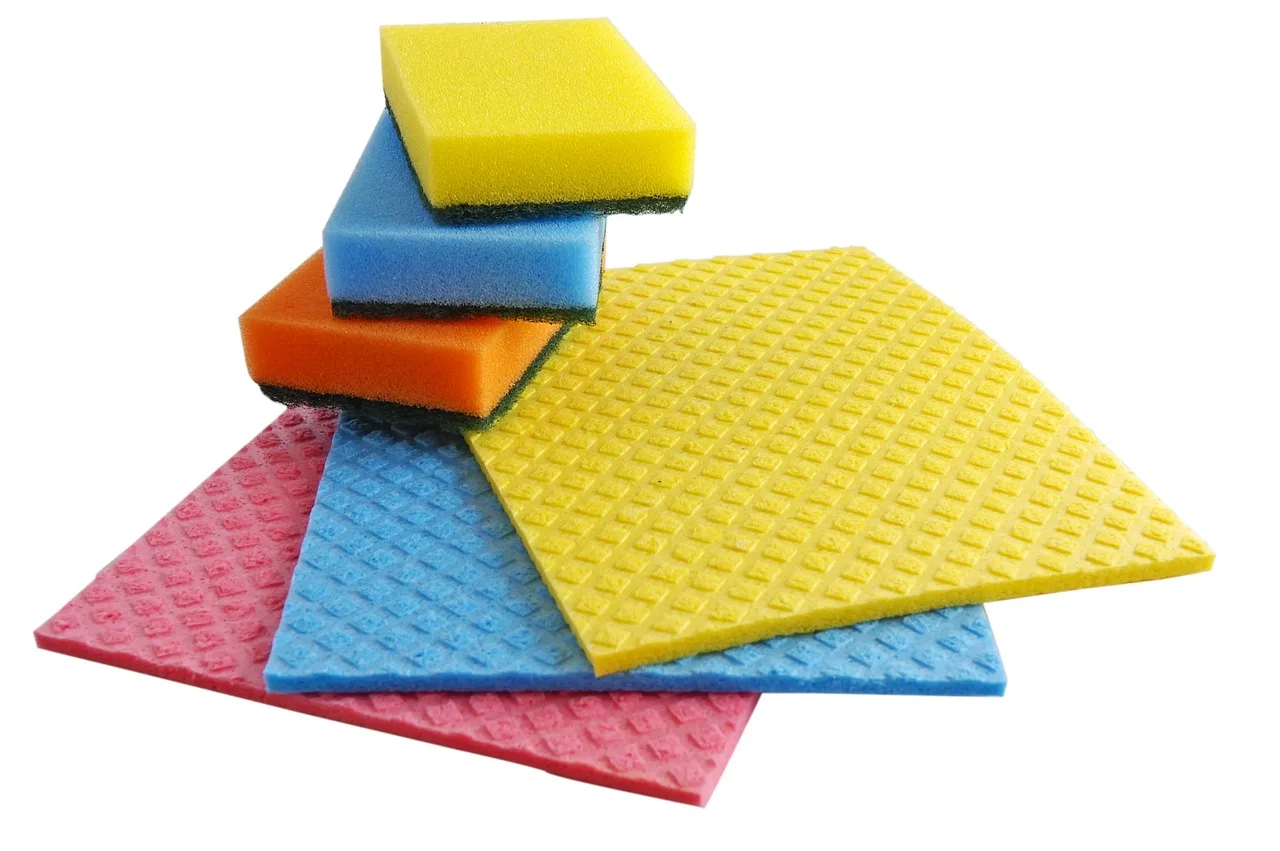
- Microfiber cloths for residue removal and drying
- Bucket, hose, and clean water
- Hot water rinse for the final rinse step
- Wheel wax or sealant for the finish step
- Optional pH-neutral car wash soap for light grime
📊 CLEAN handles 1.9 to 2.1 million transactions daily. Source: PA.
Wheel cleaning checklist
| Grime level | What to use | What to avoid | Order of steps | Escalation point |
|---|---|---|---|---|
| Light | Car wash soap, microfiber cloth, soft brush | Strong acid cleaners, stiff brushes, abrasive pads | Rinse, wash, brush, rinse, dry | Switch to wheel cleaner if brown dust remains after one pass |
| Moderate | Wheel cleaner, soft brush, microfiber cloth | Letting cleaner dry, dry scrubbing, household abrasives | Pre-rinse, spray cleaner, dwell, brush, rinse, dry | Repeat once if the finish clears unevenly or dust stays bonded |
| Neglected | Stronger dedicated cleaner, short sections, two passes, hot water rinse | One heavy soak, rough towels, hard pads, aggressive polishing | Pre-rinse, section clean, short dwell, brush, rinse, repeat | Stop if staining does not change after two passes or if the clear coat looks etched |
How dirty are the wheels?
Judge the wheel before you scrub it. Light buildup comes off with soap. Moderate buildup needs a wheel cleaner. Neglected wheels have brown staining, stuck-on brake dust, or gritty film that feels rough after rinsing, and they often need repeated passes rather than one hard scrub.
Light buildup you can clear with car wash soap
If the wheel mostly has road film and fresh dust, a pH-neutral car wash soap is enough. Use it when the finish still looks intact and the contamination lifts with gentle brushing. If you still feel grit after rinsing, move up to a dedicated wheel cleaner before doing more contact work.
Moderate buildup that needs a wheel cleaner
Use a purpose-built wheel cleaner when brake dust has started to bond to the finish. HG recommends spraying wheel rim cleaner as a pre-treatment, leaving it to work for 1 minute, then rinsing after brushing. That short dwell matters; a dried-on cleaner can leave residue and a long dwell can be risky on sensitive finishes.
Neglected wheels that need repeated passes or stronger product
When the wheel has winter salt, sand, and grit caked into corners, the first pass is only a reset. Repeat the cycle if the contamination softens but does not release. If brown staining stays put after two passes, the finish may need tar remover, iron remover, or professional correction.
How do you clean badly stained alloy wheels?
Badly stained wheels need a recovery routine, not a fast wash. Start with a thorough rinse, then use a dedicated wheel cleaner in short sections and agitate with a soft brush. If staining does not move after two passes, stop pushing harder and change the product or seek help.
Step 1: rinse off sand, salt, and loose debris first
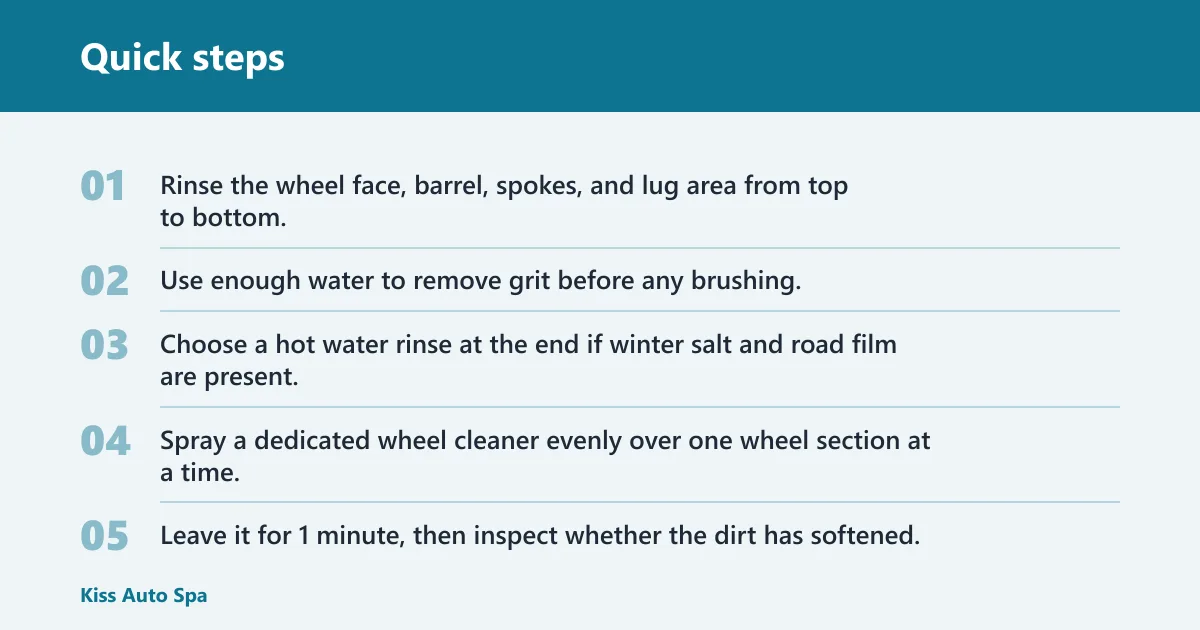
- Rinse the wheel face, barrel, spokes, and lug area from top to bottom.
- Use enough water to remove grit before any brushing.
- Choose a hot water rinse at the end if winter salt and road film are present.
HG says to rinse sand from rims before cleaning alloy wheels, and that matters because abrasive debris can stain or blemish the finish if you drag it around with a brush.
Step 2: spray on wheel cleaner and let it dwell briefly
- Spray a dedicated wheel cleaner evenly over one wheel section at a time.
- Leave it for 1 minute, then inspect whether the dirt has softened.
- Add about 10 to 15 seconds only if the label allows more dwell and the surface is cool.
Wheel cleaner should stay wet, not dry. If it flashes off quickly, mist the section again rather than scrubbing a nearly dry surface.
Step 3: agitate with a soft brush in spokes and tight areas
- Work the wheel brush into spokes, behind the spokes, and around lug recesses.
- Use light pressure and short strokes.
- Wipe reachable flat areas with a microfiber cloth instead of a rough towel.
A soft wheel brush reaches the places a cloth cannot. That is where brake dust settles first, and where it can bond hardest if left through winter.
Step 4: rinse thoroughly, then dry with microfiber cloths
- Rinse until cleaner foam and loosened dirt are gone.
- Use a hot water rinse as the final rinse after winter contamination.
- Dry the accessible surfaces with a clean microfiber cloth.
HG recommends rinsing with hot water after removing dirt with a brush or cloth. That final rinse helps flush residue from spoke edges, lug pockets, and the wheel barrel.
Step 5: add wheel wax or sealant after the wheel is clean
- Apply wheel wax or a wheel sealant only after the wheel is fully dry.
- Work it onto the face and into the easy-to-reach areas.
- Recheck after the next wash to see whether dust releases faster.
HG says car wax can help prevent dirt and grease from sticking. The same logic applies here: protection slows buildup and makes the next clean far easier.
What should you avoid on dirty alloy wheels?
Avoid anything that can grind grit into the finish. That means no stiff brushes, no rough towels, and no dry scrubbing over sand or salt. Some household cleaners can also dull painted, lacquered, polished, or chrome-like wheels, especially if they sit too long or contain harsh solvents.
Abrasive towels, harsh pads, and stiff brushes
These tools can leave fine marks that look like haze on painted or lacquered alloy wheels. On polished or chrome-like finishes, they can make the surface look cloudy fast. Use a soft brush and microfiber only.
Scrubbing before removing grit
Never rub winter road salt, sand, or grit across the finish. Those particles act like loose abrasive debris. A pre-rinse is not optional when the wheel feels gritty.
Household products that can dull or mark the finish
Skip random cleaners if you do not know the coating type. Acidic bathroom products, scouring creams, and solvent-heavy sprays can stain bare aluminum, mark polished edges, or cloud clear coat. If a product is not labeled for wheels, treat it as risky.
Leaving cleaner to dry on the wheel
Dry cleaner can leave residue and make the next pass harder. Work in short sections, keep the wheel cool, and rinse fully before the product flashes off.
What if brake dust will not come off?
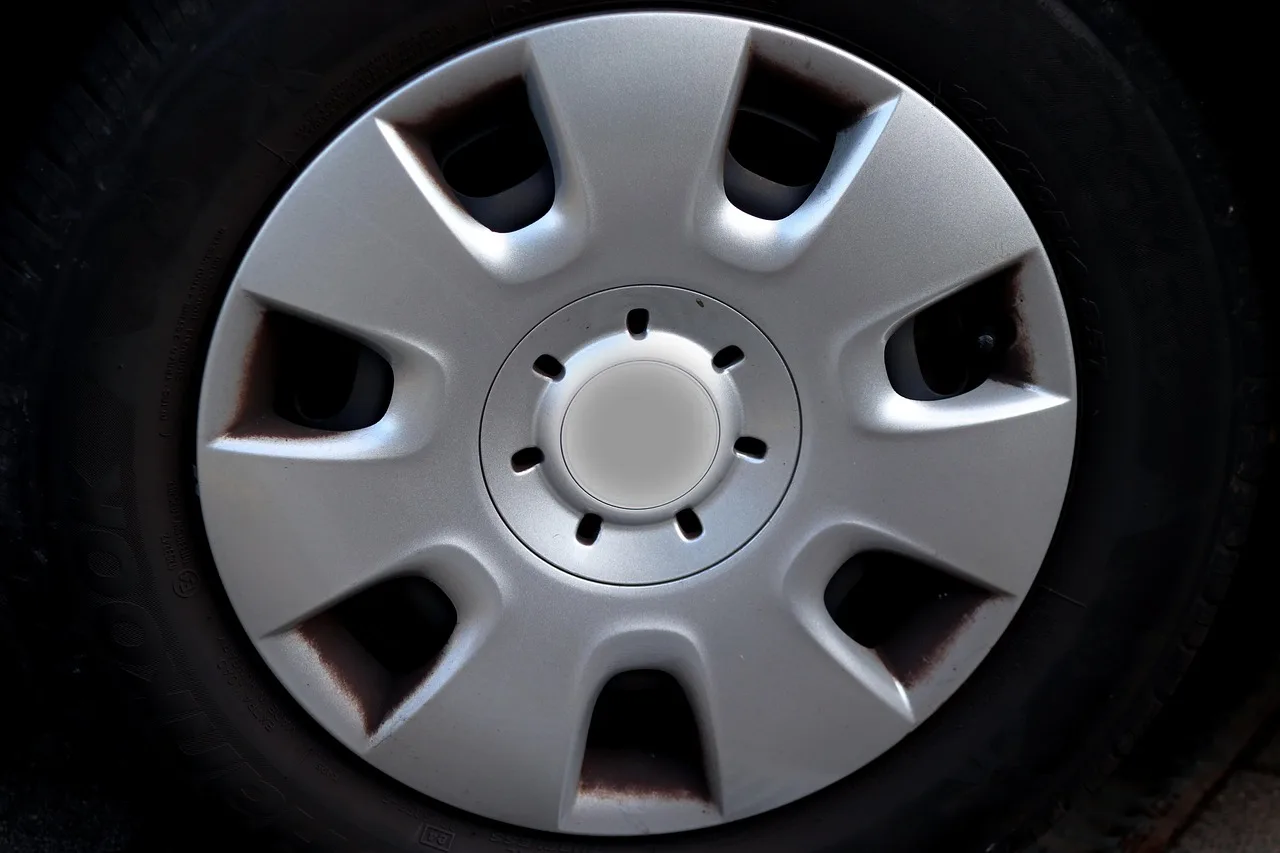
If brake dust stays after one pass, repeat the same safe cycle once more before changing products. If the stain remains brown, patchy, or etched-looking after two passes, the problem is probably bonded contamination or finish damage, not dirty water. At that point, stop scrubbing harder.
When to repeat the cleaning cycle
- Repeat if the wheel looks cleaner but still has a thin brown film.
- Use the same cleaner and the same 1-minute dwell.
- Rinse and reassess before adding more force.
Say your front wheels are 17-inch alloys with heavy brake dust on the inner barrels. If the first pass removes the loose layer but leaves a brown tint, a second controlled pass is more sensible than a harder brush.
When to switch to a stronger dedicated cleaner
- Move to a stronger wheel cleaner if the contamination remains after two passes.
- Use shorter section coverage so the product does not dry.
- Rinse immediately after brushing each section.
Suppose the wheel is coated in winter grime after several weeks of commuting. If a mild cleaner fails, step up before you step up pressure. Product strength should increase before abrasion does.
Signs of etched clear coat or bonded contamination
If the surface still feels rough after rinsing, or if the brown color does not respond to cleaner, the finish may be etched or the contamination may be bonded into the clear coat. Brown staining that will not wipe off is a warning sign, not a challenge to scrub harder.
When to stop and get professional help
Stop if the wheel has pitting, peeling, chalky patches, or a cloudy look that spreads when you wipe it. Those signs often need specialist correction or refinishing. More scrubbing can make the damage more obvious.
Common mistakes
- Skipping the pre-rinse. Grit should come off before any brush touches the wheel.
- Using one long soak instead of short sections. Cleaner should stay wet and controlled.
- Rubbing with rough towels. Use microfiber cloths on accessible surfaces.
- Assuming one pass will fix neglected wheels. Repeat if the grime softens but does not release.
- Using the wrong product for the finish. Painted, polished, lacquered, and chrome-like wheels need more care than plain, durable finishes.
How often should you clean alloy wheels in winter?
Clean them more often in winter than in dry weather, because road salt, sand, dirt, braking residue, and grit build up quickly. A weekly wash is a practical floor for many drivers, but heavily salted roads can require more frequent rinsing. Do not let winter contamination sit for weeks.
Do you need to rinse alloy wheels before cleaning them?
Yes. Rinsing first removes loose sand, salt, and grit that can scratch the finish during brushing. A quick rinse also gives the cleaner a better chance to work on bonded brake dust instead of fighting loose debris.
How do you clean dirty mag wheels?
Treat mag wheels the same way you would other alloy wheels unless the coating is known to be different. Rinse first, use a dedicated wheel cleaner, agitate with a soft brush, rinse fully, and dry with microfiber. If the wheel has old coating damage, reduce dwell time and test a small area first.
Can you use household products to clean alloy wheels?
Only the gentlest options belong near alloy wheels, and even then with caution. Mild car wash soap is the safest household-style option for light grime. Avoid scouring creams, bleach-based cleaners, and strong degreasers because they can dull polished faces or stain bare aluminum.
Frequently asked questions
What is the best way to clean really dirty alloy wheels?
The best method is staged cleaning: rinse, spray wheel cleaner, dwell briefly, brush, rinse thoroughly, and repeat only if the contamination softens. Finish with wheel wax or sealant so future brake dust and road film stick less stubbornly.