Why Is It Important to Wax Your Car? How Wax Protects Paint
Waxing matters because it adds a sacrificial layer over clear coat, helping slow UV fade, salt attack, and bonded grime; for daily drivers, wax about every 2-4 months, and sooner after winter or frequent washing. Skip it and paint loses gloss sooner, contaminants stick more easily, and clear coat may need correction or repainting earlier. This guide explains what wax protects, when it is worth doing, and how weather, storage, and wash habits change the schedule.
What waxing actually does
Car wax is a protective coating that sits on top of the factory clear coat. It adds shine, slows contamination buildup, and gives paint a smoother surface that sheds water and road film more easily. Modern clear coat still does the heavy lifting, but wax adds a thin sacrificial layer.
Wax as a thin sacrificial layer on clear coat
The clear coat is the factory finish layer that takes most of the weathering. Ultraviolet light, road salt, exhaust, and other contaminants can still wear it down over time. Wax does not replace that layer; it helps protect the clear coat and keeps the car shiny.
What wax can protect against
Waxing can help dirt and grime wash away more easily, and it can keep dirt, bugs, bird droppings, and other muck from contacting paint as directly for as long as the coating remains intact. It also lowers friction by creating a slicker surface, which can help stones slide off instead of creating fresh damage.
What wax cannot fix
Wax does not actually repair scratches, chips, or deeper paint damage. It can make shallow scratches less noticeable for a short time, but that is visual softening, not a repair. Minor scratches may still be preferable to stripping the clear coat, which is part of why a light wax layer remains useful.
Why is it important to wax your car?
Wax matters because the clear coat is not invincible. Ultraviolet light fades and ages finishes over time, and the effect is worse on cars parked outside. Wax slows that wear, helps shed contamination, and makes cleanup less aggressive, which matters when the goal is preserving the factory finish for longer.
Ultraviolet light and clear coat aging
Ultraviolet light can slowly break down paint systems, especially on horizontal panels that see the most sun. Wax will not stop that process completely, but it can reduce direct exposure and keep the surface in better condition between washes. That is the main long-term value for cars parked outdoors.
Road salt, bird droppings, and bonded grime
Road salt is a winter contaminant that can accelerate exterior damage by sitting in seams, on edges, and on lower panels. Bird droppings are acidic and can bond to paint if they sit too long. Wax gives those contaminants a less direct path to the clear coat, which buys time for cleanup.
Picture a sedan that parks outside near a street tree. After a week, bird droppings and sap specks wipe off with less effort if the paint still carries a healthy wax layer. Leave the same mess on bare, neglected clear coat, and the cleanup often needs more rubbing and more risk.
Why easier washing matters
Waxing helps dirt and grime wash away more easily because the surface is slicker and less sticky. That lowers the chance of scrubbing hard enough to leave wash marks. It also means fewer repeat passes with a mitt, which is useful when a car sees heavy commuting, winter spray, or bug season.
When waxing matters most
Wax is most valuable when the car sees outside parking, winter salt, or frequent contamination. Garaged cars still benefit, but the schedule can usually stretch. Outdoor storage, long highway drives, and harsh winters make a regular wax layer more justified because the finish is seeing more attack from the elements.
Waxing decision table
| Parking conditions | Climate | Driving exposure | Suggested waxing interval |
|---|---|---|---|
| Outside most nights | Hot sun or mixed weather | Daily commute, street parking | Every 2-3 months |
| Outside most nights | Snow, slush, road salt | Winter commuting | Before winter, then every 1-2 months |
| Garage at home, outside at work | Any climate with frequent rain | Moderate mileage | Every 3-4 months |
| Garaged most of the time | Mild or dry | Low mileage, weekend use | Every 4-6 months |
Cold climates and winter road salt
Why is it good to wax your car before winter? Because road salt is one of the harshest common contaminants for exterior finishes. A fresh coat helps lower how strongly salt and slush cling to the paint, and that can make wash-off easier after storm cycles. It is not a shield, but it is useful insurance.
High-mileage commuting and frequent contamination
Cars that run long highway miles face more bugs, grime, exhaust film, and spray from other vehicles. Those conditions make wax wear faster. If the paint sees that kind of use, the interval should shorten, especially when the finish starts to feel rough or rinses poorly after washing.
Waxing frequency by driving conditions
Is it good to wax your car every week? Usually no. Weekly waxing is more than most cars need, and constant reapplication is not the point. For many daily drivers, 2-4 months is a practical range, with shorter intervals in harsh weather and longer ones for garaged, low-mileage cars.
Typical intervals for daily-driven cars
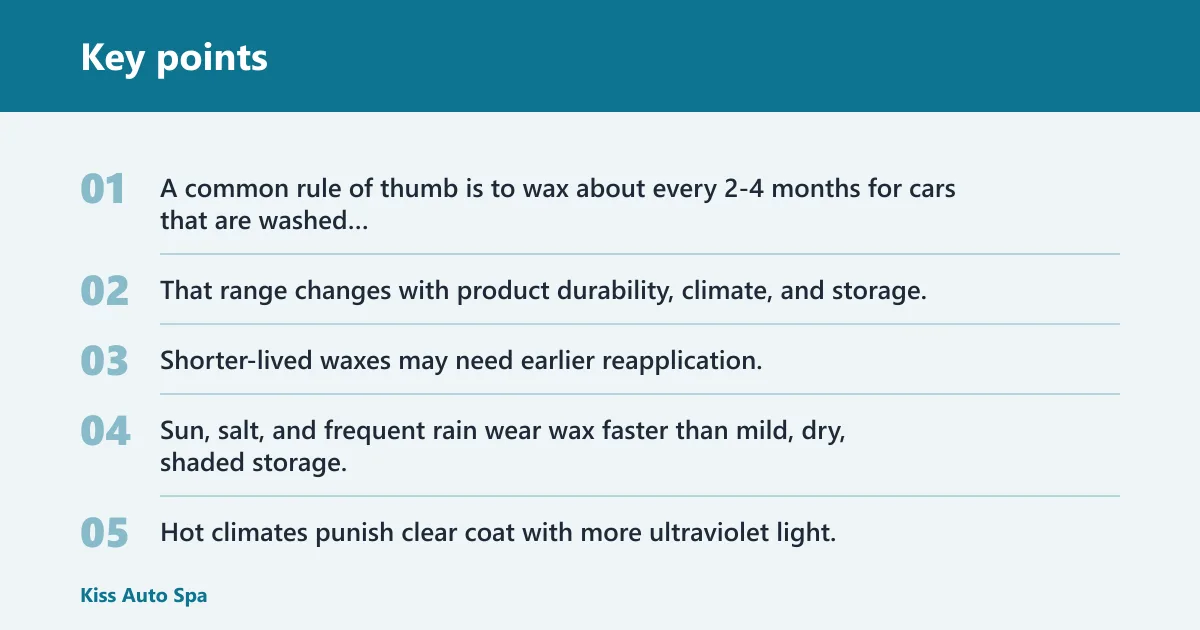
A common rule of thumb is to wax about every 2-4 months for cars that are washed regularly and see normal daily use. That range changes with product durability, climate, and storage. Shorter-lived waxes may need earlier reapplication, while a car that lives indoors and sees little weather can go longer.
How climate changes the schedule
Sun, salt, and frequent rain wear wax faster than mild, dry, shaded storage. Hot climates punish clear coat with more ultraviolet light, while cold climates add winter contaminants that need more frequent cleanup. The right schedule depends on exposure, not on a universal calendar.
Signs the last coat is wearing off
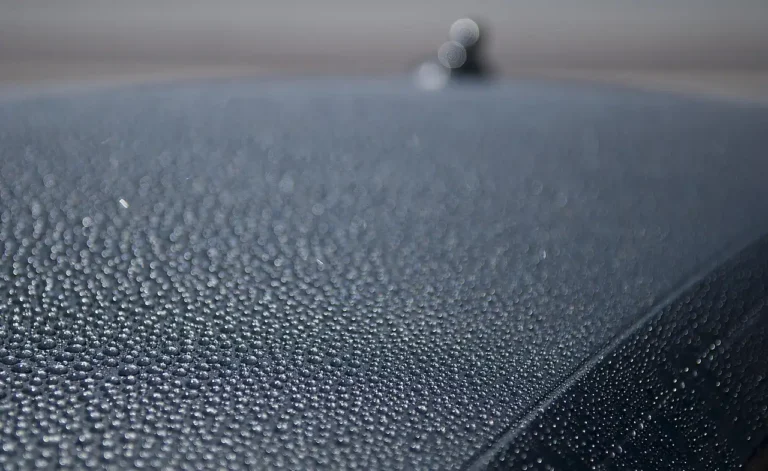
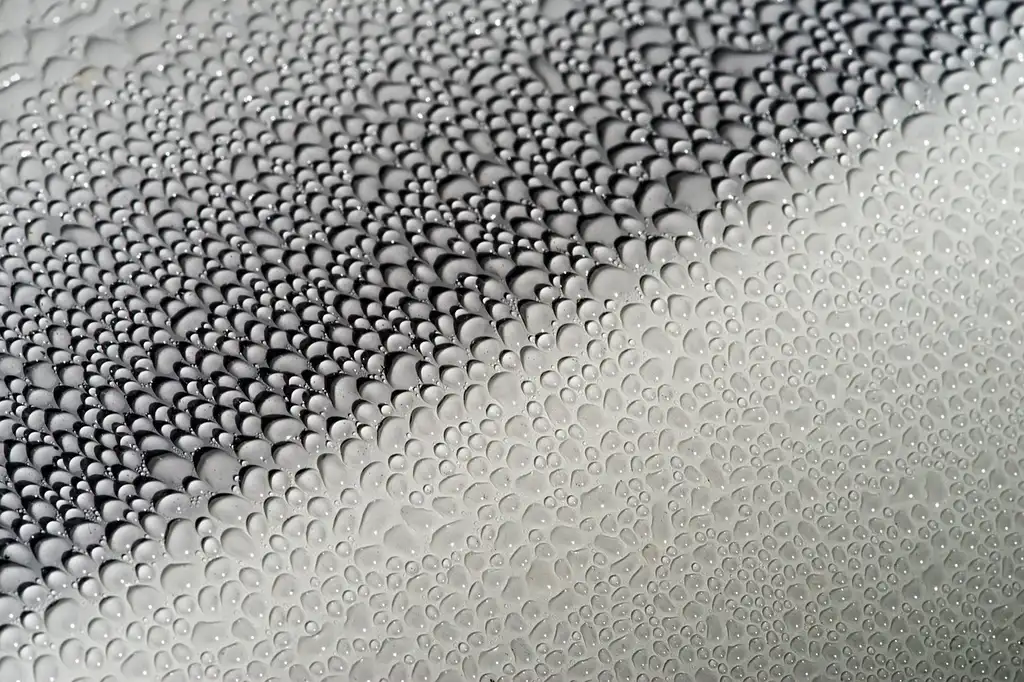
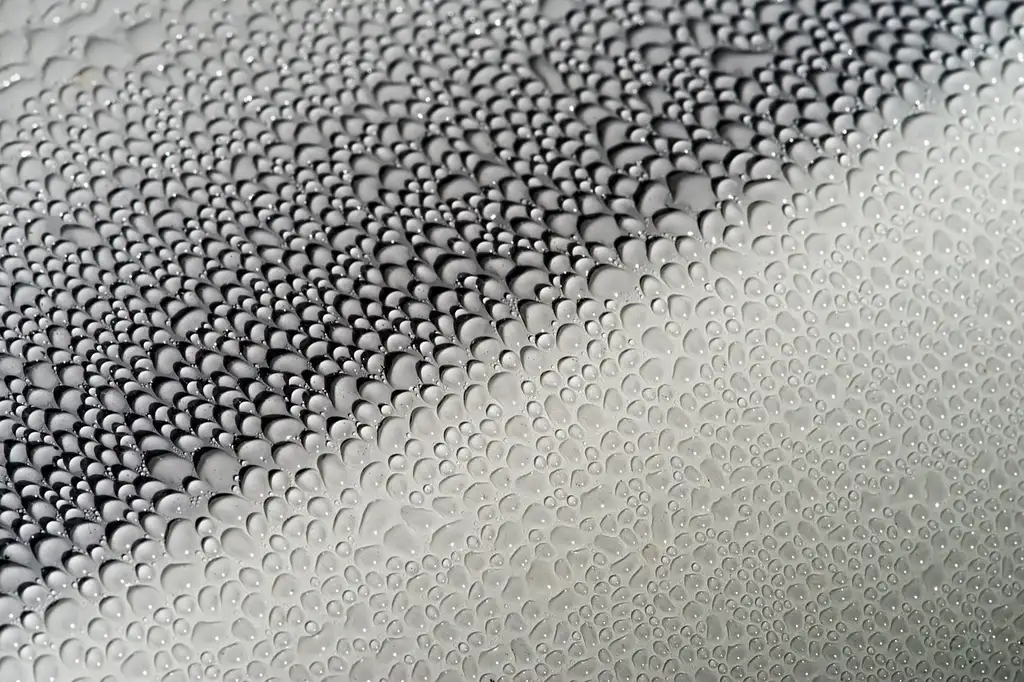
Three practical signs point to overdue wax: water no longer beads as sharply, the paint feels rough after washing, and cleanup takes longer than it used to. Those signs do not mean the clear coat failed. They mean the sacrificial layer is thin and should be renewed soon.
Suppose a hatchback sits outside near an apartment lot and gets washed every two weeks. If water sheets flat instead of beading, and bug splatter takes two passes instead of one, the wax has likely faded enough that another coat makes sense.
Wax versus sealant and ceramic coating
Car wax, sealant, and ceramic coating all aim to protect paint, but they differ in durability and cost. Wax is the lowest-cost option and the easiest to refresh. Sealants usually last longer. Ceramic coatings can last much longer still, but they cost more and ask for better prep.
Durability and cost differences
Wax is a maintenance layer with modest durability. A sealant is usually a synthetic step up in longevity. Ceramic coating is a harder, longer-lasting barrier, but it is not a reason to stop washing carefully or to ignore bonded contaminants. None of these products makes paint maintenance optional.
Where wax still makes sense
Wax still makes sense when you want low-cost insurance for a factory clear coat, quick refreshes after winter, and easier cleanup after bugs, salt, and grime. It also suits owners who do not want the higher cost or prep demands of a longer-lasting coating.
When a longer-lasting product may be better
If the car lives outside, sees heavy road salt, or gets washed often, a sealant or ceramic coating may be worth considering for longer intervals between applications. Even then, wax remains a sensible choice for budget-friendly upkeep or as a topper on vehicles already in regular care.
Waxing mistakes that reduce protection
Wax works best on clean paint, in shade, on cool panels, and before contamination has time to bond. Poor timing can waste product and reduce protection. The biggest errors are simple: wax over dirt, work in direct sun, or wait too long after salt or bird droppings land.
Applying wax over dirty paint
Waxing over dirty paint can trap grit and drag contaminants across the surface. That can leave extra marring and lower the value of the coat you are trying to add. A proper wash and decontamination step matter more than speed.
Working in direct sun or on hot panels
Heat can make wax flash too quickly and leave uneven residue. Direct sunlight also makes it harder to see what has been applied and removed. Cool paint in shade is the safer choice, and it gives the product time to bond as intended.
Letting bird droppings or salt sit too long
Wax buys time, but it is not a license to ignore contamination. Bird droppings can etch paint if left too long, and road salt keeps working as long as it stays on the car. Quick removal still matters more than any coating.
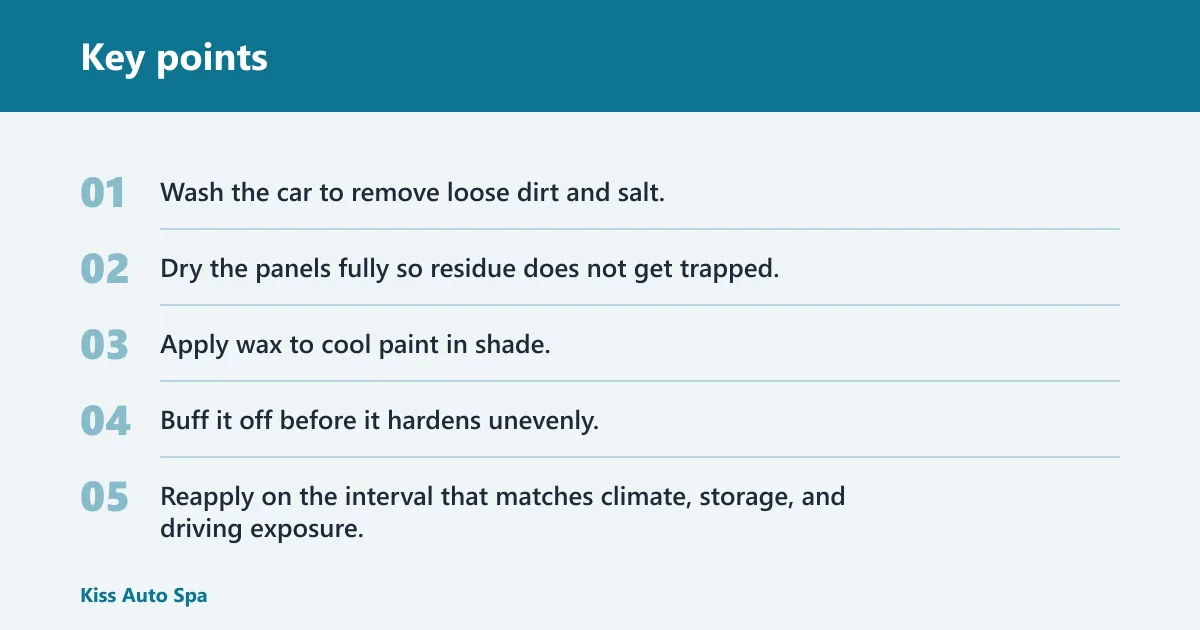
- Wash the car to remove loose dirt and salt.
- Dry the panels fully so residue does not get trapped.
- Apply wax to cool paint in shade.
- Buff it off before it hardens unevenly.
- Reapply on the interval that matches climate, storage, and driving exposure.
Wax frequency guide
Use this guide as a starting point, then adjust for product life and real exposure. If the car lives outside, shorten the interval. If it stays garaged and sees light use, lengthen it. The right schedule is the one that keeps the clear coat protected without wasting effort.
- Weekly: usually unnecessary for most cars.
- Monthly: reasonable for harsh winters, heavy commuting, or constant outdoor parking.
- Every 2-3 months: a solid target for many daily drivers.
- Every 4-6 months: often enough for garaged, low-mileage cars in mild weather.
Frequently asked questions
Is it necessary to wax your car?
It is not required for basic operation, but it is a sensible maintenance step. Without wax, clear coat still exists, yet it faces more direct wear from ultraviolet light, salt, exhaust, and grime. Wax is a low-cost way to slow that aging.
Is waxing a car necessary if it has clear coat?
Yes, if the goal is longer finish life. Clear coat is the factory finish layer, but it has limits against UV exposure and contaminants. Wax adds another layer on top, which helps protect the clear coat and keeps cleanup easier between washes.
What happens when you wax your car?
You leave a thin protective film on the paint. That film can make the surface smoother, help dirt and bugs release more easily, reduce the visibility of shallow scratches, and keep the finish looking newer for longer. It does not fix damage that already exists.
Why is it good to wax your car before winter?
Winter brings road salt, slush, and grime that cling to lower panels and edges. Wax helps those contaminants release more easily and reduces direct contact with the clear coat. That makes winter cleanup easier and lowers the chance of salt sitting on the finish for too long.
Can car wax hide light scratches?
It can make shallow scratches less noticeable by filling and softening how light reflects off the mark. That is only a temporary visual effect. Wax does not actually repair scratches, and it will not fix chips or deeper clear coat damage.
Can wax prevent paint chipping?
Not outright. Wax reduces friction by creating a smoother surface, so it may help stones slide off instead of causing paint chipping. Even so, it offers only limited protection against road debris. It should be treated as help, not a barrier that stops impacts.