What Is Car Wax and What Does It Do for Your Paint?
Car wax is a thin, sacrificial layer on top of clear coat. It adds gloss, makes water bead, and gives short-term protection against dirt and UV exposure. It does not repair scratches or seal damaged paint. Skip it or apply it badly, and your paint loses slickness sooner and picks up grime faster. This guide explains what wax does, what it cannot do, and how to apply it correctly.
What is car wax?
Car wax is a temporary coating that sits on the clear coat, the top paint layer. It changes how the surface looks and how water behaves, but it does not rebuild damaged paint or fill deep defects. That difference matters before you buy or apply anything.
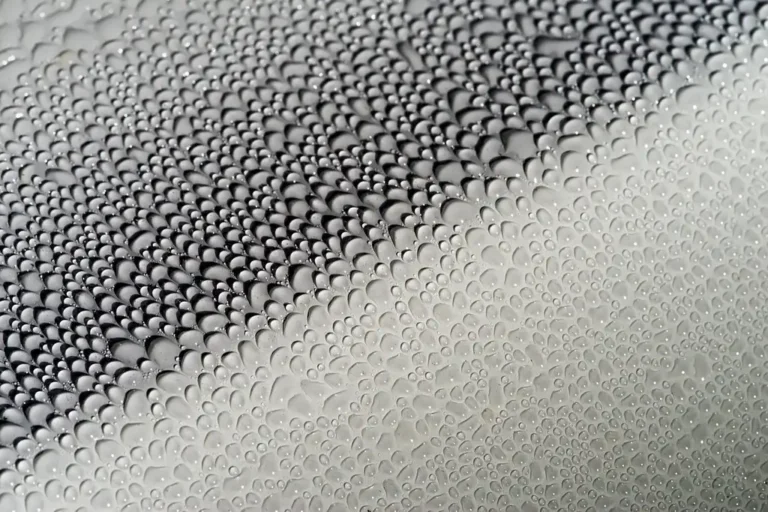
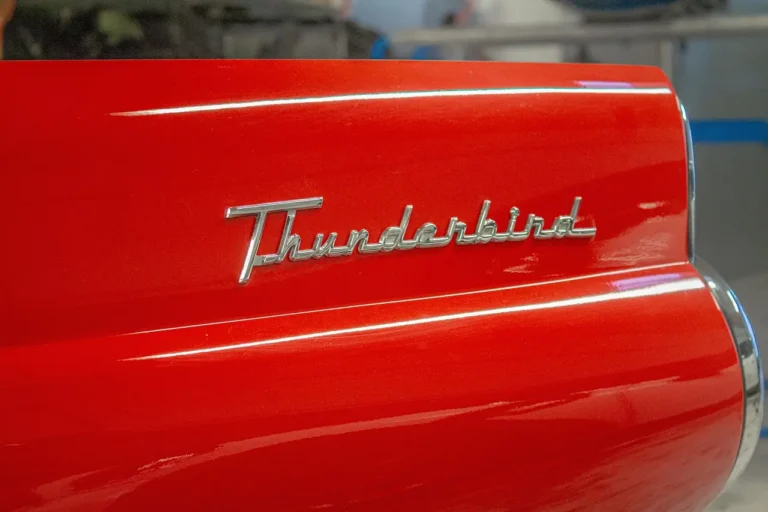
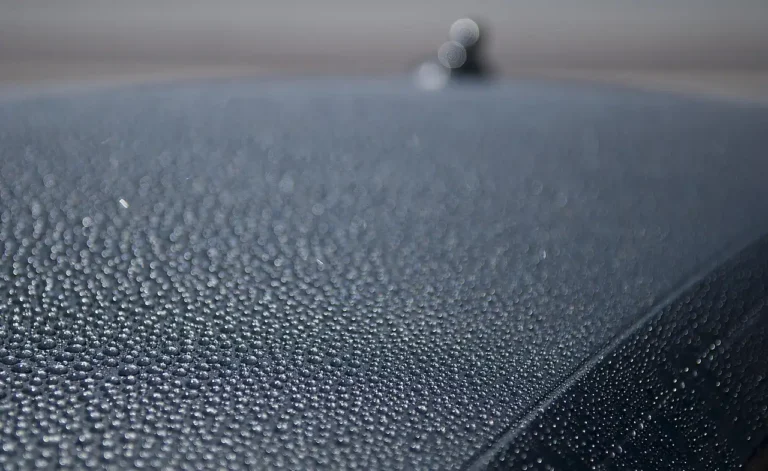
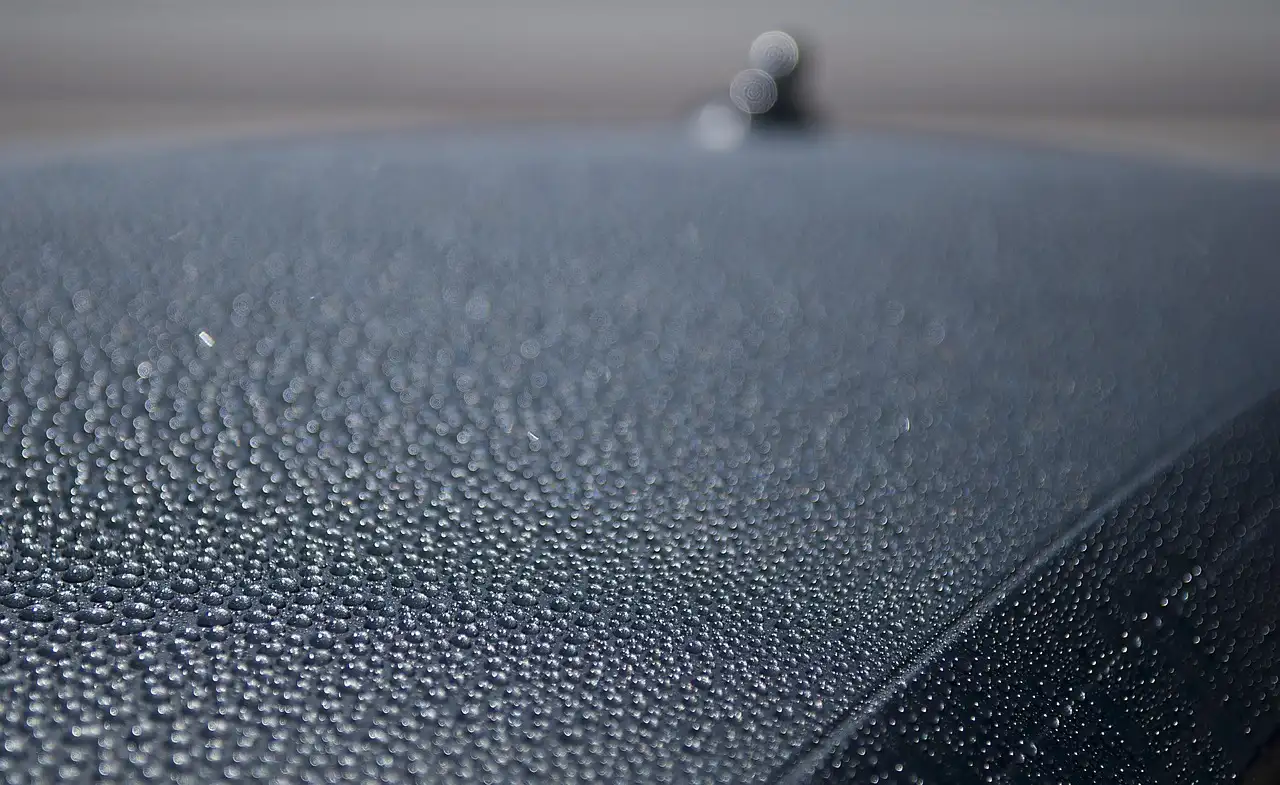
Visually, wax can add gloss and luster, reduce the dullness caused by light contamination, and make fresh paint look more finished. It can also help water bead and sheet instead of clinging to the panel. That is a surface effect, not a repair.
Wax does not fix oxidation, chips, swirls, or scratches. If the paint is already marred, wax can make the surface look cleaner and a little more uniform, but it will not correct the underlying damage. On neglected paint, the result is often a better-looking neglected surface, not restored paint.
What wax sits
Wax sits on the clear coat rather than on bare color coat or metal. Because it lives on the top layer, gentle products and soft towels matter. Aggressive scrubbing or dirty tools can mark the clear coat, especially on softer finishes.
What wax changes visually
Wax gives paint a slicker look and can deepen the appearance of gloss, especially on clean, polished panels. That effect is strongest on paint that has already been washed properly and has little bonded contamination. It is weaker when the finish is already dull or dirty.
What wax does not fix
Wax does not fix scratches, rock chips, failed clear coat, or heavy oxidation. It also does not replace a coating if you want longer-lived protection. Think of it as a short-term sacrificial layer with cosmetic benefit, not a restoration product.
What you’ll need before waxing
- Car wash soap and clean rinse water
- Drying towels for a fully dry surface
- Applicator pad
- Soft, edge-free microfiber towels
- Automotive tape for trim, badges, headlights, and taillights
- Optional clay bar for bonded contamination
- Optional polish if the paint needs defect correction before waxing
- Carnauba wax or another wax product in paste or liquid form
- Instant detailer for a final residue check
Waxing your car can take two to four hours, depending on vehicle size and how much prep the paint needs. A clean applicator pad helps control product amount. Soft microfiber towels help remove residue without dragging grit across the finish. (Thedrive)
Does car wax protect paint?
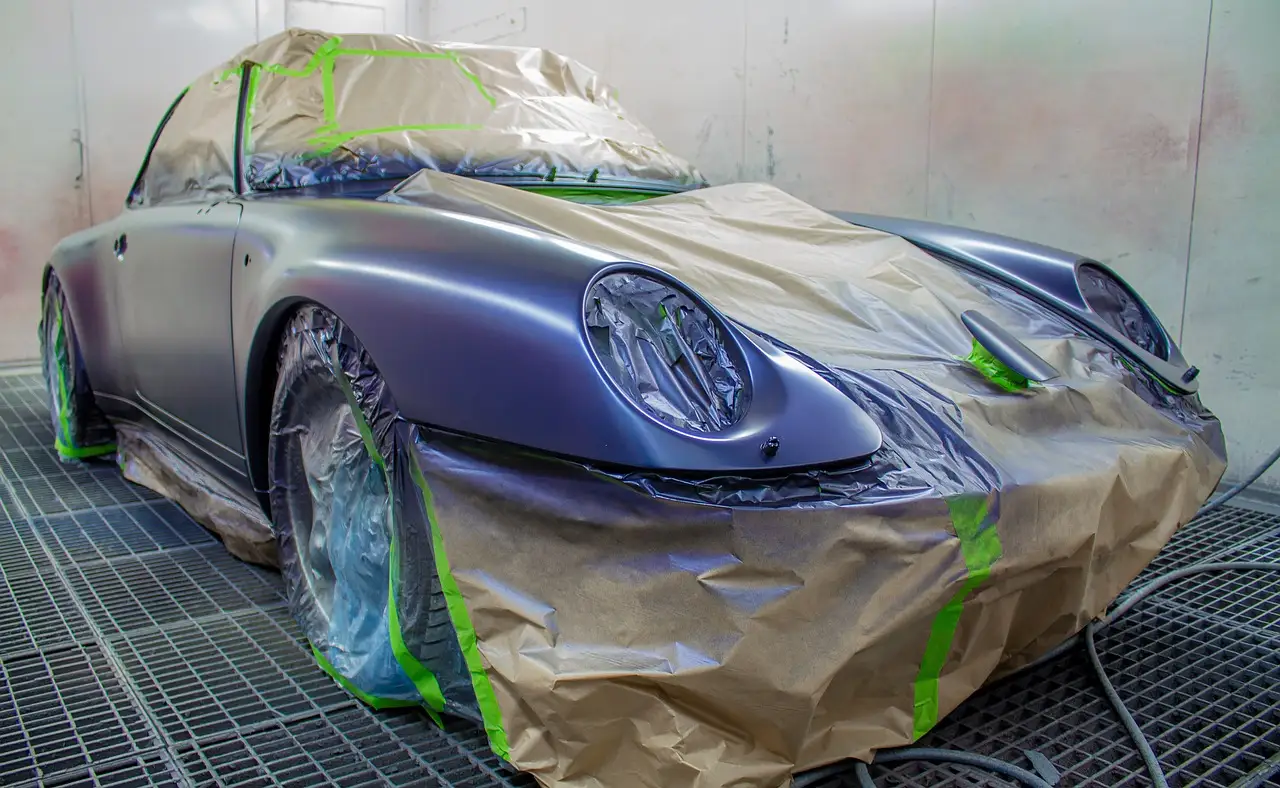
Wax can help only in a limited way, mainly as a short-lived sacrificial barrier against clear coat contact and grime. Wax adds a short-lived sacrificial barrier that slows direct contact between the clear coat and everyday grime. It is useful protection for appearance and easy cleaning, but it is not durable protection against everything the road throws at paint.
Wax helps most with dirt release, water behavior, and short-term resistance to minor surface contamination. Wax does not provide coating-level defense against UV over time, bird droppings left in place, road salt buildup, or scratches from poor washing. Those problems still need careful washing and realistic expectations.
Clear coat still needs gentle care. Even a good wax layer can be marred by rough towels, dirty wash mitts, or harsh chemicals. If the clear coat is already compromised, wax will not hide that for long.
What protection wax actually gives
Wax adds a thin barrier that slows direct contact between the clear coat and everyday grime. That can make washing easier and help water move off the panel faster. It also gives the paint a cleaner look between washes.
What wax helps with only a little
Wax offers only limited help against UV exposure, acidic contamination, and wash-induced marring. It can reduce the time grime sits directly on paint, but it is not a substitute for prompt washing or better paint protection systems.
Where clear coat still needs care
Use clean wash media, quality microfiber towels, and gentle pressure. A wax layer will not stop damage from dirty sponges, abrasive towels, or heavy rubbing on dry paint. If the finish already has swirls, wax may make them more visible in bright light.
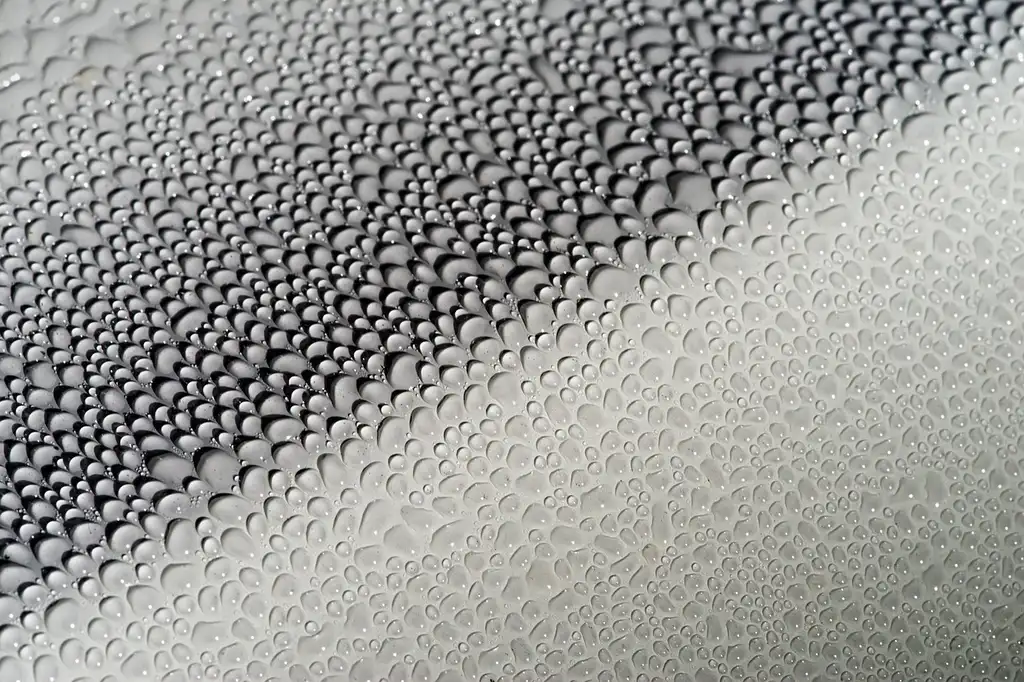
Start with a clean, dry car and work one panel at a time. Apply wax in thin sections with straight passes along the body lines, let it haze, then buff it off with a clean microfiber towel. The goal is even coverage, not heavy buildup.
- Wash the paint with car soap, rinse well, and dry it fully before any wax touches the surface.
- Clay the panel if it feels rough, and polish only if the finish needs correction before waxing.
- Mask trim, badges, headlights, and taillights with automotive tape if you want cleaner edges and less residue.
- Load the applicator pad lightly and spread wax in thin, straight passes along the body lines of one panel.
- Let the wax haze, then remove it with a soft microfiber towel before it dries hard on the panel.
- Check the surface with instant detailer and a clean towel if you need to spot missed streaks or residue.
Step 1: Wash and dry the paint
Dry paint matters because wax bonds poorly to water, soap residue, or loose dirt. A clean surface also cuts the chance of dragging contamination across the clear coat. If the car is still gritty after washing, wash it again before waxing.
Step 2: Prep the surface if needed
Clay bar treatment removes bonded contamination that washing leaves behind. Polishing is only for paint that needs defect correction first. On neglected paint, prep determines whether wax looks clean or simply seals in a dull finish.
Step 3: Apply wax in thin sections
Use a clean applicator pad and apply a thin film, not a heavy coat. On paste wax, work a small amount into the pad and spread it in light, straight strokes that follow the panel shape. If the product is firm, warm it slightly in the sun so it spreads more evenly. The Drive recommends working one panel at a time and avoiding circular motions.
Step 4: Let it haze and buff it off
Once the wax hazes, remove it with a soft microfiber towel before residue hardens into streaks. Fold the towel to a fresh side as you work. Finish with a quick inspection so residue does not remain in seams, emblems, or trim edges.
How long does car wax last?
Wax longevity depends on climate, storage, washing chemicals, and wash frequency. There is no single fixed lifespan for every vehicle. Outdoor parking, harsh detergents, and frequent washes usually shorten it; gentler care and garage storage usually extend it.
If water stops beading as clearly, the surface feels less slick, or dirt clings faster after a wash, the wax layer is probably fading. Many owners reapply when those signs show up rather than waiting for paint to look completely dull.
A practical habit is to inspect the finish after washing and decide by behavior, not by calendar alone. Some cars need attention sooner because they live outdoors. Others hold wax longer because they are washed gently and stored inside.
Wax longevity
Wax duration changes with environment and wash habits. Strong detergents, frequent machine washes, hot sun, and road film all shorten the useful life of the layer. Gentle maintenance keeps the surface looking slick longer.
When to reapply
Reapply when water no longer beads cleanly or the paint loses its slick feel after washing. If you use harsher wash chemicals or park outside most of the time, check it more often. That is a practical trigger, not a fixed timetable.
Wax expectations matrix
| Benefit | What wax actually does | What it does not do | Visible result | Durability driver | Common mistake |
|---|---|---|---|---|---|
| New car | Adds gloss and light sacrificial protection on fresh clear coat | Does not replace factory finish care or prevent future damage | Cleaner shine and better water beading | Climate and wash method | Applying too much product on already clean paint |
| Daily driver | Helps grime release faster between washes | Does not stop road wear, scratches, or heavy contamination | Less clingy dirt and easier drying | How often you wash and what soap you use | Expecting long-term protection from one application |
| Black paint | Adds gloss and can make the finish look smoother | Does not hide swirls or bad prep for long | Deeper-looking shine, but defects still show in light | Towel quality and inspection after buffing | Using dirty towels that create new marks |
| Neglected paint | Can improve appearance after cleaning and prep | Does not restore oxidation or damaged clear coat | Better gloss than before, but flaws remain visible | Prep quality before waxing | Waxing over dirt, roughness, or old residue |
| Garage-kept car | Maintains gloss and makes dust easier to remove | Does not make the car immune to contamination | Longer-lasting slick feel and cleaner rinse-off | Storage and gentle washing | Assuming indoor storage removes the need to reapply |
Common mistakes
Most problems come from excess product, dirty paint, and rough removal. Wax should be thin, clean, and easy to buff. If you see streaks or chalky residue, stop and check the cause before adding more product.
Applying too much wax
More product does not mean more protection. Thick layers haze unevenly and leave residue in panel gaps. If a panel looks cloudy after buffing, a second towel and a light detail spray are better than adding more wax.
Working on dirty paint
Waxing over dust, road film, or bonded grit traps contamination against the clear coat. That can scratch the finish during application. Say your hood picked up a light layer of dust after a windy drive; wash and dry it again before you wax.
Leaving residue in trim or body lines
Residue often hides around badges, trim, headlights, taillights, and sharp body lines. Automotive tape helps reduce cleanup, but inspection still matters. If residue remains, a damp microfiber and instant detailer can lift it before it hardens.
Using rough towels or dirty pads
Microfiber towels should be soft, edge-free, and clean. A dirty towel can drag grit across clear coat. Suppose a towel dropped on the driveway picks up sand; replace it or reserve it for wheels, not paint.
Frequently asked questions
What does wax do for your car?
It adds gloss, helps water bead, and leaves a short-lived sacrificial layer on the clear coat. That layer can make washing easier and reduce how quickly dirt clings. It does not repair scratches, fill chips, or replace proper paint correction.
What does car wax do?
Car wax changes the surface behavior of paint more than the paint itself. It improves shine, adds temporary slickness, and helps the finish shed water and light grime. The effect is useful, but it fades with washing, heat, and exposure.
Does waxing a car protect the paint?
Yes, in a limited way. The same source gives the clear coat a short-term barrier that helps against light contamination and makes cleanup easier. It does not offer the same durability as long-term protective coatings, and it will not stop damage from harsh washing or neglect.
What does waxing your car do?
Waxing puts a thin coating over clean paint so the surface looks glossier and feels slicker. It can also make water bead and slide off more readily. If the paint is already damaged or dirty, wax only improves the surface appearance for a short time.
Does colored car wax work?
It can mask minor visual defects a little, but it does not restore paint or correct deeper damage. Colored wax is mainly a cosmetic product. If the finish has oxidation, swirls, or chips, prep and correction matter more than tint in the wax.
How often should I wax my car?
Use performance, not a calendar, as the trigger. Check the finish after washing and reapply when beading weakens or gloss drops. A garage-kept car may hold wax longer than a daily driver that sees sun, rain, and harsher washing.