What Are Microfiber Towels for Cars and How Do They Work?
Microfiber towels for cars are synthetic split-fiber cloths that trap dirt in their fibers and lift residue with less friction. Use plush for paint, waffle-weave for glass, and lower-pile towels for interiors. Use the wrong towel, and you can leave swirls, haze, lint, or streaks that take more time to fix. This guide explains how microfiber works, which weave fits each job, and what to look for before you buy.
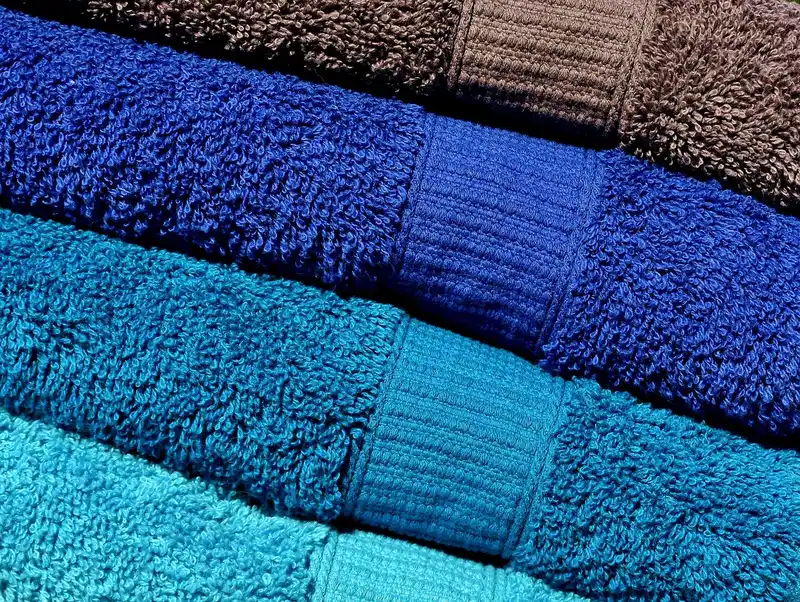
Microfiber is made from very fine polyester and polyamide filaments. Common blends are 80% polyester and 20% polyamide or 70/30. That blend matters. Polyester gives the towel structure, while polyamide improves softness and absorbency. In car care, that balance affects whether the towel glides, grips, or leaves residue behind.
What are microfiber towels made of?
Fiber size and why it matters
Microfiber is less than 1 denier, about 1/20 the diameter of silk and about 1/100 the diameter of a human hair. That small size changes how much of the towel touches the surface at once. Less contact pressure usually means less drag on clear coat, glass, and polished trim.
Because the fibers are so fine, the towel can reach into small grooves and residue films that a standard cotton loop misses. The result is not magic. It is more contact points with lower friction, which helps lift grime instead of pushing it across paint.
Why microfiber behaves differently from cotton
Cotton relies more on bulk fiber and surface wiping. Microfiber uses finer strands and, in split designs, more edges and channels. That difference helps microfiber capture dust and liquid more efficiently, and it is why many detailers prefer it for final wipes where streaks matter.
Microfiber cloths can absorb up to seven times their weight in liquid. For drying, that matters more than feel. A towel that holds more water can clear a panel in fewer passes, which lowers the chance of rubbing a dirty, water-loaded edge across the finish.
How do microfiber towels work on car surfaces?
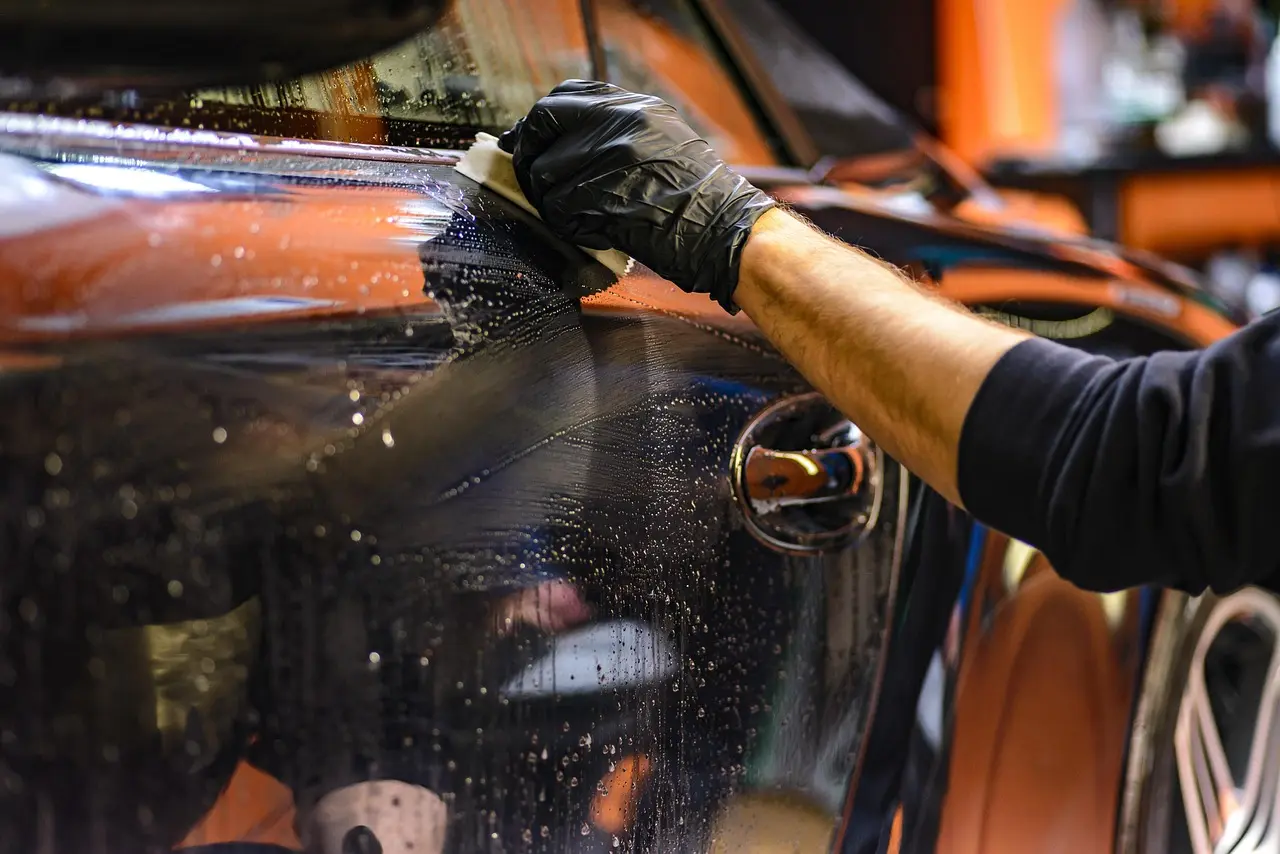
Microfiber works by combining small fibers, split edges, and the right weave so the towel can pull dirt, oil, and liquid into its structure instead of dragging them across paint or glass. When used correctly, it reduces friction and helps limit swirls, streaks, and lint. Surface condition still matters. A dirty towel can still mar clear coat.
Split fibers, surface area, and dirt capture
Split microfibers create much more surface area to trap dust, dirt, oil, and grease. The split ends act like tiny hooks and channels. That gives the towel more places to hold contamination until you rinse or wash it out, rather than letting that debris ride along the panel.
This is why split-fiber towels are common in cleaning and drying tasks. They do two jobs at once: they pick up the film on the surface, then store it inside the towel. If the towel is overloaded, though, those same captured particles can turn into an abrasive smear.
Why they reduce swirls when used correctly
Clear coat scratches usually come from trapped grit, hard pressure, or repeated rubbing with a dirty surface. A clean microfiber towel helps by reducing drag and moving contamination away from the paint face. That does not make it scratch-proof. It only reduces risk when the towel is clean and matched to the task.
Say your drying towel has picked up a few grains of road grit from a rocker panel. If you keep using that towel on the hood, the grit can leave fine swirls that show in direct sun. Switching to a clean drying towel, or folding to a fresh side, lowers that risk.
Why they help with liquid pickup and residue removal
Microfiber helps with water, wax, and polish because the fibers create paths that draw liquid into the towel while the weave controls how much the face grabs the surface. In the right towel, that balance makes it easier to remove residue without heavy pressure or repeated passes.
Flat-woven microfibers do not have the same liquid absorption capacity as split microfibers. That is why they are better for some wipe-down jobs than for heavy drying. On glass and coated panels, lower drag can matter more than sheer absorbency.
Split vs flat microfiber
Split microfiber is the better choice for most cleaning and drying work because it has more surface area and better liquid and dirt pickup. Flat-weave microfiber is tighter and smoother, so it is less absorbent but can be useful where a low-lint, low-drag wipe matters more than heavy soak-up.
What split-fiber towels do well
Split-fiber towels are the standard choice for drying, buffing, and general car cleaning. Their hooked structure holds onto residues more aggressively, which helps with quick pickup on panels, door jambs, and wheel-adjacent trim. That same grip is why they need careful laundering and clean storage.
Where flat-weave towels fit
Flat-weave microfiber can be woven tightly, which makes it useful for upholstery and apparel, and for some car tasks where a thin, controlled wipe is better than a plush one. It is often chosen for glass edges, touch screens, and trim where you want less lint and less surface drag.
Picture a center display coated in fine dust. A flat-weave towel can lift that dust with less bunching than a thick drying towel. If the same towel were used on a wet quarter panel, it would saturate faster and leave more moisture behind.
What does GSM mean on a microfiber towel?
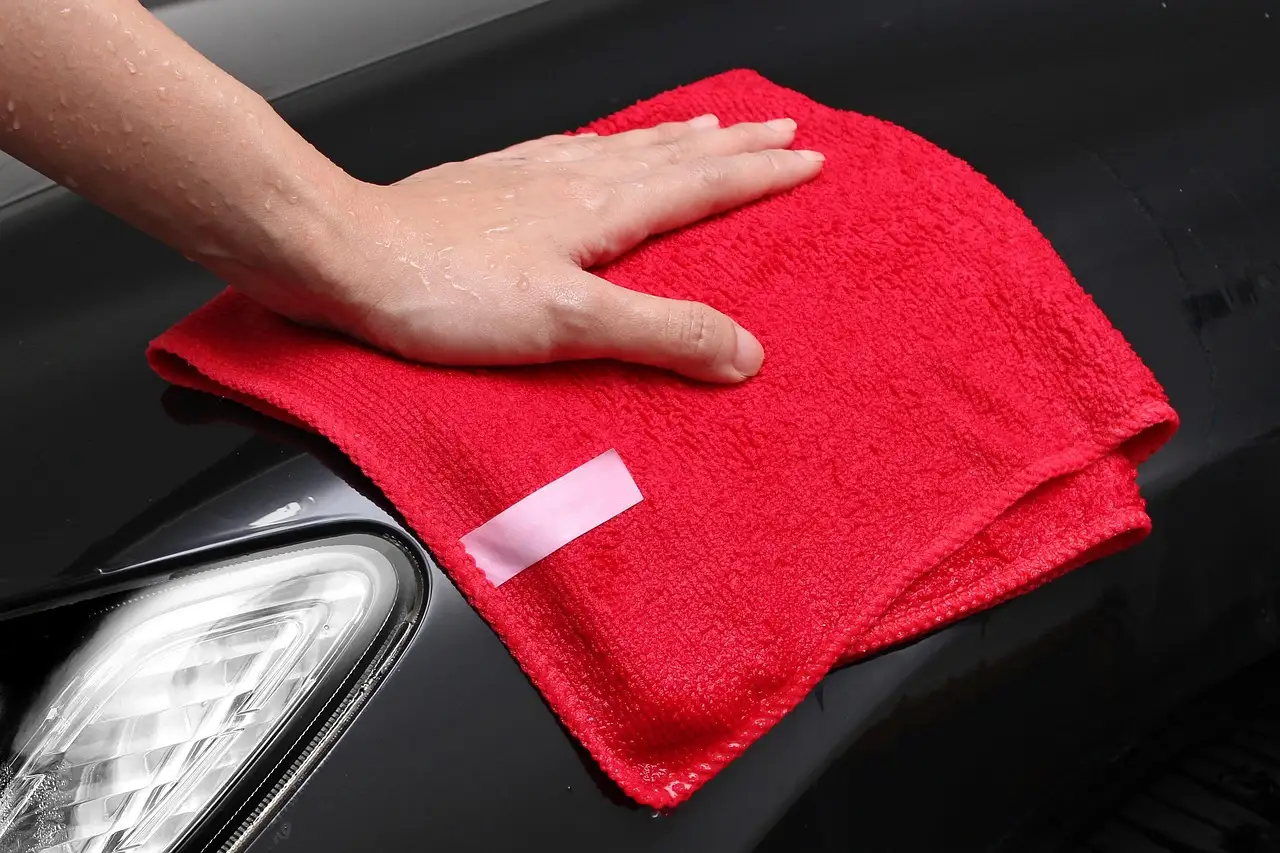
GSM stands for grams per square meter, and it is a density and weight cue for microfiber towels. Higher GSM usually means a thicker, softer, more absorbent towel, but it does not guarantee better performance. Weave, pile height, and fiber blend still decide how the towel behaves on the car.
How to read GSM as a weight and density cue
Microfiber cloths are rated by GSM, or grams per square meter. A common guide places 150 to 250 GSM in the lightweight range for dusting or screens, 250 to 350 GSM in the all-purpose range, and 350 to 450 GSM as better for drying cars and soaking up spills. Those ranges are a guide, not a rule.
Why higher GSM often feels softer and thicker
As GSM rises, the towel usually feels plusher and more substantial in hand. That extra density can help on paint because the fibers cushion contact and hold more liquid. A thick towel can still fail if the pile is poor, the edges are hard, or the blend is too polyester-heavy.
Why GSM alone does not decide performance
A high GSM towel can be a poor choice if it is too dense for glass or too slow to release liquid. A lower GSM towel can outperform it when the task needs a thin, controlled wipe. On cars, purpose matters as much as weight.
Which weave works for each car task?
Choose the weave by surface, residue, and contamination level. Waffle weave is best for drying and glass. Plush microfiber is gentler on paint and useful for buffing. Lower-pile towels and some terry styles fit general cleanup and interior dusting, where you want control more than maximum soak-up.
Waffle weave for drying and glass
Waffle weave cloths have a textured grid pattern that reduces surface contact and helps move water into the towel. They are especially good for drying large surfaces and cleaning glass without streaks. That lower friction is useful on windshields, side glass, and gloss black trim.
Plush microfiber for paint and buffing
Plush microfiber has a high pile, which helps it feel gentle on paint and other delicate surfaces. It works well for final buffing after wax or polish removal because the tall fibers can pick up residue while keeping contact soft. Use a clean side often, because plush towels can hide loaded fibers.
Terry and low-pile options for general cleanup
Terry microfiber has a shorter pile and can work well for interior plastics, engine bay wipe-downs, and general dirt removal. Low-pile towels are useful when you want to see contamination on the towel surface instead of burying it in dense fibers. That makes inspection easier.
Interior dusting and trim care
For dusty dashboards, screens, and trim, a lightweight or midweight towel is often enough. Very thick towels can bunch around buttons and seams. A lower-pile or flat-weave towel gives more control and reduces the chance of dragging dust into textured plastic.
Microfiber towel decoder table
Use this table as a quick match guide. Blend ratios and GSM ranges are common patterns, not fixed rules, so the towel’s weave and condition still matter. The risk level reflects how much caution the task needs on clean paint or glass.
| Weave | GSM range | Blend ratio | Best car task | Risk level | Common failure mode |
|---|---|---|---|---|---|
| Waffle weave | 300-450 GSM | 80/20 or 70/30 | Drying large panels, glass cleaning | Low to medium | Streaking if overloaded with water or residue |
| Plush | 350-450 GSM | 80/20 or 70/30 | Wax and polish removal, final paint buffing | Medium | Linting or haze if the towel is dirty or overused |
| Low-pile terry | 250-350 GSM | 80/20 | General cleanup, interior plastics, door jambs | Medium | Dragging debris across trim if not shaken out |
| Flat weave | 150-300 GSM | 70/30 or similar | Glass edges, screens, upholstery, apparel-like use | Low | Poor liquid pickup on wet panels |
| Heavy plush drying towel | 350-450 GSM | 80/20 | Paint drying on clean, maintained surfaces | Medium | Streaks if the towel is saturated or contaminated |
Decision checklist for common tasks
- Drying: choose waffle weave or a drying plush towel in the 350 to 450 GSM range; keep the towel clean and move to a fresh side before it feels heavy.
- Glass: choose waffle weave or a low-pile flat weave; use light pressure and a second dry towel if the first leaves a damp film.
- Wax removal: choose a soft plush towel in the 350 to 450 GSM range; fold it into quarters so you can switch sides before residue builds up.
- Interior dusting: choose a lower-pile or flat-weave towel in the 150 to 300 GSM range; inspect for trapped grit before touching soft-touch plastics or screens.
How should you wash microfiber towels?
Wash microfiber without fabric softener or chlorine bleach, and keep it separate from cotton when possible. Low heat or air dry is commonly recommended for microfiber towels. Those rules matter because the towel’s performance comes from open, fine fibers, and anything that coats or melts those fibers can reduce absorbency, increase lint, or make the towel drag.
Why fabric softener and bleach damage performance
Fabric softener can clog microfiber fibers and kill absorbency. Chlorine bleach can also damage the material. Once the fibers are coated or weakened, the towel stops grabbing liquid and residue the way it should, which shows up on the car as streaks, smears, or poor pickup.
Why to wash separately from cotton
Wash microfiber separately from cotton so lint and loose fibers do not transfer onto the towel. Cotton wash loads can leave debris in the weave, and that debris can land on paint or glass during the next use. Separate laundry also helps preserve the towel’s texture and grip.
Low-heat and air-dry care rules
High heat can shorten towel life and flatten the fibers. Low heat is safer, and air drying is even gentler. After drying, store towels in a clean container or cabinet so they do not pick up dust before the next job.
A common first-timer mistake is using a favorite drying towel on a muddy lower rocker, then reaching for the same towel to wipe a black hood. The lower panel grit can move straight onto the clear coat. Once that happens, the towel should be reclassified for dirty work or washed before reuse on paint.
When to retire or reassign a towel
Retire a towel if it stays stiff after washing, sheds lint, or still feels gritty after careful cleaning. Reserve stained or worn towels for wheels, door jambs, exhaust tips, or dirty engine-bay tasks. That keeps compromised towels away from paint and glass.
Frequently asked questions
How do microfiber towels clean cars better than cotton?
Microfiber towels clean differently because the fibers are finer and, in split designs, create more surface area and channels to hold dirt and liquid. Cotton can work for some chores, but microfiber usually gives lower drag, better residue pickup, and less lint when the towel is clean and matched to the surface.
Why do microfiber towels pick up dirt and dust so well?
Split microfibers create much more surface area, and the tiny hooks and channels catch loose contamination instead of sliding over it. That structure helps the towel hold dust, oil, and fine debris until washing. The effect is strongest with clean, properly maintained towels and light pressure.
Can microfiber towels remove wax and polish safely?
Yes, a soft plush microfiber towel is a common choice for removing wax and polish residue. The key is a clean towel with a suitable pile, because loaded fibers can smear residue back onto the finish. Fold the towel, use light pressure, and swap sides before the face saturates.
How do you tell if a microfiber towel is good quality?
Look for a realistic blend, usually 80/20 or 70/30, a weave that matches the job, and a GSM that fits the task instead of the biggest number on the shelf. Good quality also shows in clean edging, even pile, and a towel that does not shed lint after proper washing.
Why do some microfiber towels leave streaks or lint?
Streaks often come from a towel that is saturated, overloaded with residue, or used on the wrong surface. Lint usually points to poor construction, damaged fibers, or contamination from cotton and fabric softener. On glass, a waffle weave or flat weave usually behaves better than a thick, dirty plush towel.
How should microfiber towels be washed so they keep working?
Wash them separately from cotton, skip fabric softener and chlorine bleach, and dry on low heat or air dry. Those steps help preserve the split fibers and absorbency that make the towel useful. If a towel stays gritty, sheds lint, or drags after washing, move it to dirty jobs.