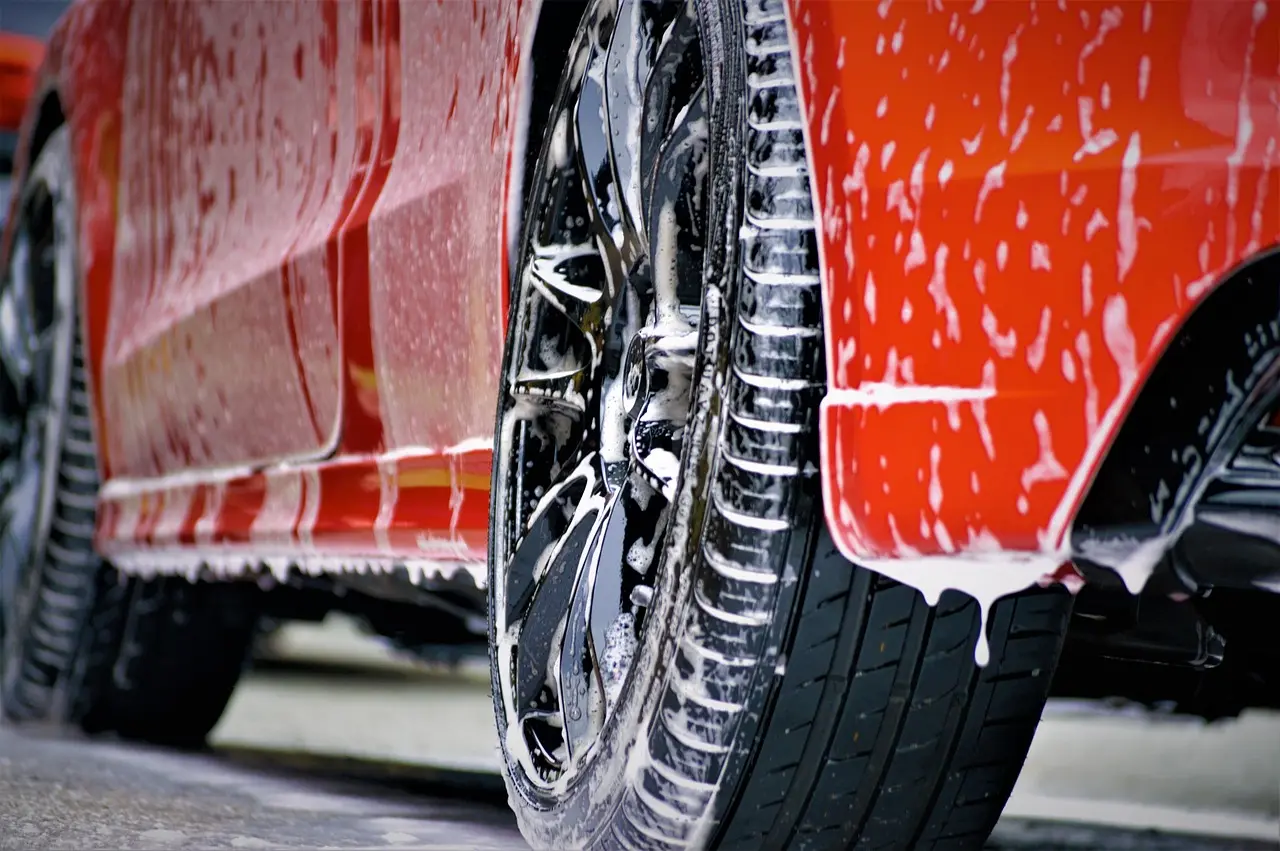
Microfiber Towels vs Regular Towels: Safer for Cars?
Microfiber towels are the safer pick for most car paint because they hold grit in their fibers; use clean, plush microfiber on finished panels and keep regular towels for dirty, nonpaint work. Use the wrong towel, and trapped debris can leave wash marring, dull clear coat, or scratch trim that costs time and correction later. This guide compares surface sensitivity, towel condition, and dirt load so you can pick the safer towel for each job.
Microfiber towels vs regular towels: the safety trade-off
| Decision factor | Microfiber towels | Regular towels | Winner |
|---|---|---|---|
| Paint safety | Usually safer on clear coat when clean and matched to the task | Higher risk on paint, especially if used after household duty | Microfiber towels |
| Lint control | Usually lint-free | Often leaves lint behind, especially when old | Microfiber towels |
| Grit management | Split fibers help trap debris away from the surface | Can push dirt and debris across paint instead of holding it | Microfiber towels |
| Best use case | Drying, glass, final wipe, interior dusting, trim care | Wheels, greasy cleanup, engine bay work, other nonpaint jobs | Depends on task |
The key difference is not simply microfiber versus cotton. It is how the towel is built, how dirty it is, and what surface it touches. A clean microfiber towel on a washed panel is a different risk than a household bath towel on a dark hood with dust still on it.
Why the decision changes by task and paint condition
Clear coat is the transparent finish on most modern cars, and it can show swirl marks and micro-marring when grit or pressure drags across it. That risk rises on dark colors and on softer clear coats, where light reveals fine marks more easily. A towel that is fine for wheels can be a poor choice for paint.
A common first-timer mistake is using the same towel for everything. Once a towel has touched a greasy sill, wheel face, or dusty garage shelf, it should not go back to paint duty unless it has been washed and inspected. Mixed use is where “safe” towels stop being safe.
A quick side-by-side on paint risk, lint, and dirt trapping
Microfiber is made from synthetic fibers, usually polyester and polyamide. It is typically a blend of 70–80% polyester and 20–30% polyamide, with split fibers that improve dirt trapping and absorbency. It is also described as 20x finer than a human hair, which helps it reach into small surface texture without heavy dragging.
Regular towels usually mean common household cotton towels. Cotton can absorb water, but on paint it has a higher lint risk and a weaker ability to hold grit away from the surface. That is why cotton is less paint-safe when compared with a clean microfiber towel made for detailing.
📊 Microfiber towels can hold up to 7x their weight in water. Source: Jimbosdetailing.
Why microfiber is usually safer on car paint
Synthetic fibers and split strands
Microfiber is often used on glass, lenses, paint, and trim because the fibers are very fine and create more surface area. That structure helps the towel pick up residue instead of pushing it around. It also explains why microfiber cloth leaves no lint compared with cotton.
Absorbency matters too. Microfiber towels can hold up to 7x their weight in water, and they are roughly two to three times more absorbent than cotton bath towels. That helps during drying, when a towel needs to pull water off the panel without repeated rubbing.
How microfiber traps grit instead of dragging it
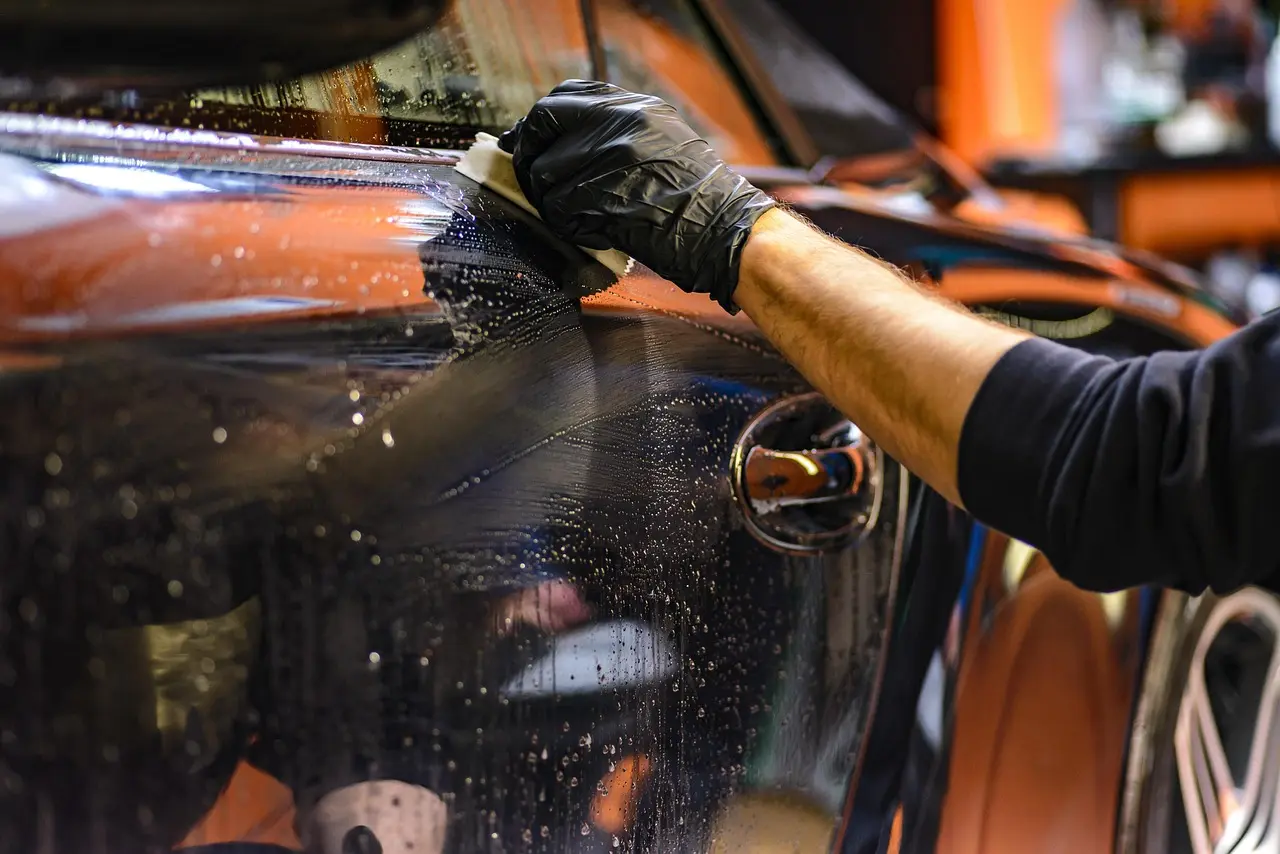
When a towel has open fiber structure and good dirt capture, small particles are less likely to sit under the wiping surface. That lowers the chance of microscopic scratches during a normal wipe. The guide to drying with microfiber also notes reduced swirl marks and scratches, which matches the way clean split fibers behave on clear coat.
But microfiber is not magic. If the towel is contaminated, the fibers can hold grit and then drag it across the panel. The same towel that is safe on a fresh microfiber wipe can become risky after one pass over dusty trim or a greasy door jamb.
Why weave choice matters for drying and buffing
Microfiber weave changes performance. Plush weaves are common for drying because they hold a lot of water. Waffle weaves are useful for glass and drying because the texture helps move moisture across the towel. Flatweave works well for buffing and interior wiping, where low lint and lower bulk matter more than plush feel.
GSM, or grams per square meter, is a density indicator. Right Car Detailing lists 200 to 250 GSM for glass and interior wiping, and 400 to 450 GSM for paint drying and water spot removal. Higher GSM often means a thicker towel, but the right GSM still depends on the job.
Are regular towels safe for cars?
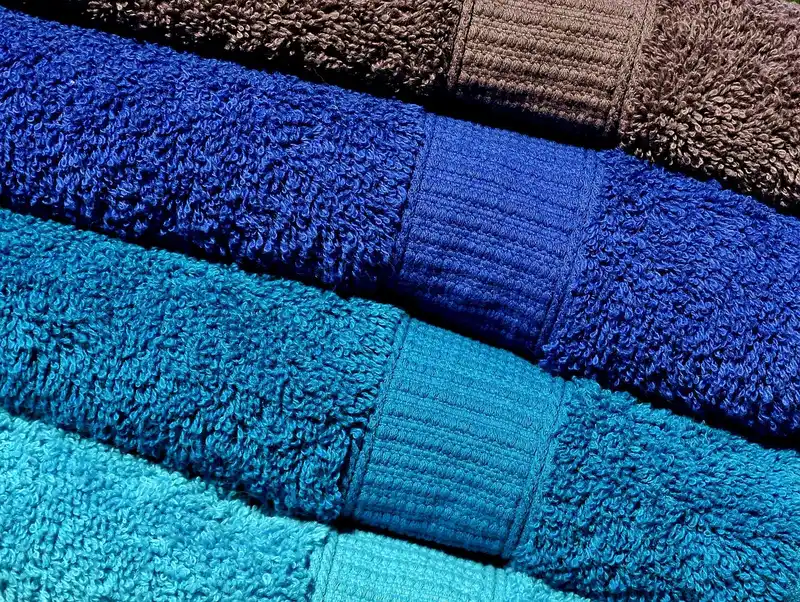
Regular towels are safer on nonpaint jobs than on clear coat. Cotton can work for greasy cleanup, wheels, or engine bay work where the towel is expected to get dirty and be retired from paint duty afterward. On paint, though, it is a higher-risk household option.
What cotton does well on non-paint jobs
Cotton towels are familiar, inexpensive, and absorbent enough for messy tasks. That makes them acceptable for wiping tires, engine covers, and other areas where minor lint or wear is not a paint-finish problem. The towel can be treated as a disposable work cloth after the job.
That use case changes once the towel touches paint. Cotton towels often leave lint behind, especially when old, and they do not trap dirt as well as microfiber. On a car panel, that can mean more rubbing, more residue, and more visible marks.
Why bath towels are higher risk on clear coat
Bath towels are the regular towel most readers mean. They are made for skin rather than paint, and their looped cotton structure can sometimes catch small debris and move it across the surface. Microfiber cloth, by contrast, is used on delicate trim, paint, glass, and lenses because it is designed for low-lint contact.
If the car is dark, newly polished, or has a soft clear coat, a bath towel becomes even riskier. Light swirl marks may not show immediately, but they can appear under sunlight or shop lighting after drying. Once that happens, the finish needs more correction.
When cotton becomes a bad choice on dark or soft paint
Dark paint shows marring more clearly. Soft clear coats also reveal micro-scratches sooner. In those conditions, a cotton towel is a poor pick unless there is no paint contact at all. Even then, it should stay away from final wipe tasks.
Suppose a sedan has just been washed, but the lower doors still carry road film near the rocker panels. A cotton bath towel used from top to bottom can push that film across the clear coat and leave faint haze that only appears once the car dries. That is a common failure mode.
What is clear coat, and why do swirl marks matter?
Clear coat is the transparent paint layer on most vehicles. It protects the color coat, but it is still prone to fine marks. Swirl marks are microscopic scratches, often introduced during drying, and they show best under direct light or garage lamps.
How microscopic scratches show up in light
Swirl marks do not always look like deep scratches. They often appear as fine circular or linear haze that changes with viewing angle. That is why a towel that seems harmless can still leave visible damage once sunlight hits the panel.
Drying is one of the most common moments for marring because the towel moves over the whole panel. If water carries dirt, or if the towel is dragged with pressure, the finish can pick up those marks quickly. Clean technique matters as much as towel material.
How towel contamination turns a safe towel risky
Even a good microfiber towel can scratch if it is dirty, dropped on the ground, or used on mixed surfaces. A contaminated towel turns from a paint tool into an abrasive pad. Pressure makes the problem worse because it presses grit harder into the finish.
That is why separation by task is part of towel safety. Paint towels should stay with paint. Glass towels should stay with glass. Wheel and engine towels should never be folded into the same pile as drying towels.
Side-by-side comparison of towel type, weave, and task
| Task | Microfiber towels | Regular towels | Winner |
|---|---|---|---|
| Drying paint | Plush or waffle weave, low lint, high absorbency | Can dry water, but higher chance of lint and dragging grit | Microfiber towels |
| Glass and final wipe | Flatweave or waffle weave with low lint | Often streaks or sheds lint on glass | Microfiber towels |
| Wheel or greasy cleanup | Can be used if separated from paint towels | Acceptable as a rough-duty cloth | Tie |
| Dusty vehicle wipe | Safer only if the towel is clean and the dust load is light | Higher chance of moving dust across paint | Microfiber towels |
Drying towel choices: plush vs waffle weave
Plush microfiber suits paint drying because it holds more water and usually feels less grabby on the panel. Waffle weave is a strong choice for glass and lighter drying because it spreads moisture well and can help reduce streaking. Flatweave is better when the goal is a clean final wipe rather than maximum water pickup.
Regular towels do not offer the same task-specific control. A bath towel may absorb water, but it is not built around low-lint detailing work. That makes it less predictable on finished paint.
Interior, wheel, and greasy-job separation
Not every towel needs to touch paint. Cotton can be acceptable for wheels or greasy engine work because those areas are already high contamination zones. The issue is reuse. Once a towel has handled brake dust or oil film, it should be retired from paint duty.
Microfiber can be used for interiors and final wipe duties, but task separation still matters. A towel used on dashboard dust should not later be used on black paint unless it has been washed and inspected for grit.
Choose microfiber towels if… / choose regular towels if…
Choose microfiber towels if the car has clear coat you want to protect, the surface is freshly washed, or the job involves drying, glass, interior dusting, or final wipe work. Choose regular towels only when the job is dirty by design, the surface is nonpaint, or the towel is being used as a rough-duty cloth that will not return to paint.
Choose microfiber towels if…
- You are drying a freshly washed car with clean paint.
- The car has dark paint, a soft clear coat, or visible swirl sensitivity.
- You need a low-lint towel for glass, screens, trim, or a final wipe.
- You want a towel with better dirt-trapping ability and higher absorbency.
Choose regular towels if…
- You are cleaning wheels, tires, engine parts, or greasy panels.
- The towel will not touch clear coat or delicate trim.
- You need a rough-use cloth that can be retired after a dirty task.
- You are handling a nonpaint mess where lint is less important than cleanup speed.
Safe-to-use decision table and contamination checklist
| Towel type | Vehicle condition | Task | Risk level | Safe to use? |
|---|---|---|---|---|
| Clean plush microfiber | Freshly washed, light dust only | Paint drying | Low | Yes |
| Clean waffle-weave microfiber | Freshly washed | Glass wipe | Low | Yes |
| Old bath towel | Dark paint, visible dust, or soft clear coat | Paint drying | High | No |
| Microfiber used on wheels | Any painted panel | Paint wipe | High | No, unless fully washed and inspected |
| Clean flatweave microfiber | Interior plastics or glass | Final wipe | Low | Yes |
Contamination signs that mean a towel should leave paint duty
- It touched the ground, wheel well, brake dust, or oily trim.
- It picked up visible specks, sand, or dried mud.
- It was washed with fabric softener or heavy detergent residue.
- It feels stiff, grabs on the panel, or sheds lint.
- It has frayed edges, damaged seams, or matted fibers.
- It was stored loose with dirty towels instead of separated by task.
Laundry rules that keep paint towels separated
Wash microfiber without fabric softener because it ruins absorbency. Avoid bleach as well, since harsh laundering may shorten fiber life. Low heat is preferred in the dryer, and high heat can damage fibers. Air drying is the safest option when the towel is meant for paint work.
Separate paint towels from wheel, engine, and interior cloths before washing. That keeps brake dust and grease from moving back into the paint pile. A simple color code or storage bin system is often enough.
Frequently asked questions
Are microfiber towels safer than regular towels for car paint?
Yes, for most paintwork. Clean microfiber towels are usually safer because they trap grit, leave no lint compared with cotton, and are designed for scratch-prone surfaces. The safety advantage disappears if the towel is dirty, worn, or used with heavy pressure on clear coat.
Can I use bath towels on my car without scratching it?
Bath towels can be used on nonpaint jobs, but they are higher risk on clear coat. Cotton often leaves lint behind and can push dirt and debris across a surface instead of trapping it. On painted panels, that makes bath towels a poor choice compared with clean microfiber.
Why do microfiber towels reduce swirl marks?
They reduce risk because split synthetic fibers help hold moisture and grit away from the paint. That lowers the chance of dragging debris across clear coat during drying. The result depends on towel condition and technique, since contaminated microfiber can still leave marks.
What towels should I use to dry a car without streaks?
Use clean microfiber towels with the right weave for the job. Plush microfiber is common for paint drying, while waffle weave works well on glass and lighter drying. A gentle sheet rinse before drying can also reduce the amount of water left on paint and help limit streaking.
Is cotton ever safe to use on car paint?
Cotton is not the best choice for paint, but it can be acceptable for rough-duty tasks away from clear coat. Wheels, engine areas, and greasy cleanup are better fits. On dark paint, soft clear coats, or freshly detailed finishes, cotton is a much riskier option.
How do I wash microfiber towels so they stay safe for cars?
Wash them without fabric softener because it damages absorbency, and avoid bleach. Keep paint towels separate from wheel and engine towels, then dry on low heat or air dry. If a towel becomes contaminated with grit or grease, retire it from paint use until it has been cleaned and inspected.
What happens if I use a dirty towel on my car?
A dirty towel can grind grit into the clear coat and create wash marring, swirl marks, or dull patches. The risk is higher on dark paint and softer finishes, where fine marks show more easily. Once a towel has visible contamination, it should not be used on paint again without proper washing.
Do microfiber towels leave lint on glass or paint?
Quality microfiber towels are usually lint-free, which is one reason they are used on glass and lenses. Cotton towels often leave lint behind, especially when old. If a microfiber towel sheds lint, the weave may be wrong for the job, the towel may be worn, or it may be contaminated from mixed laundry.