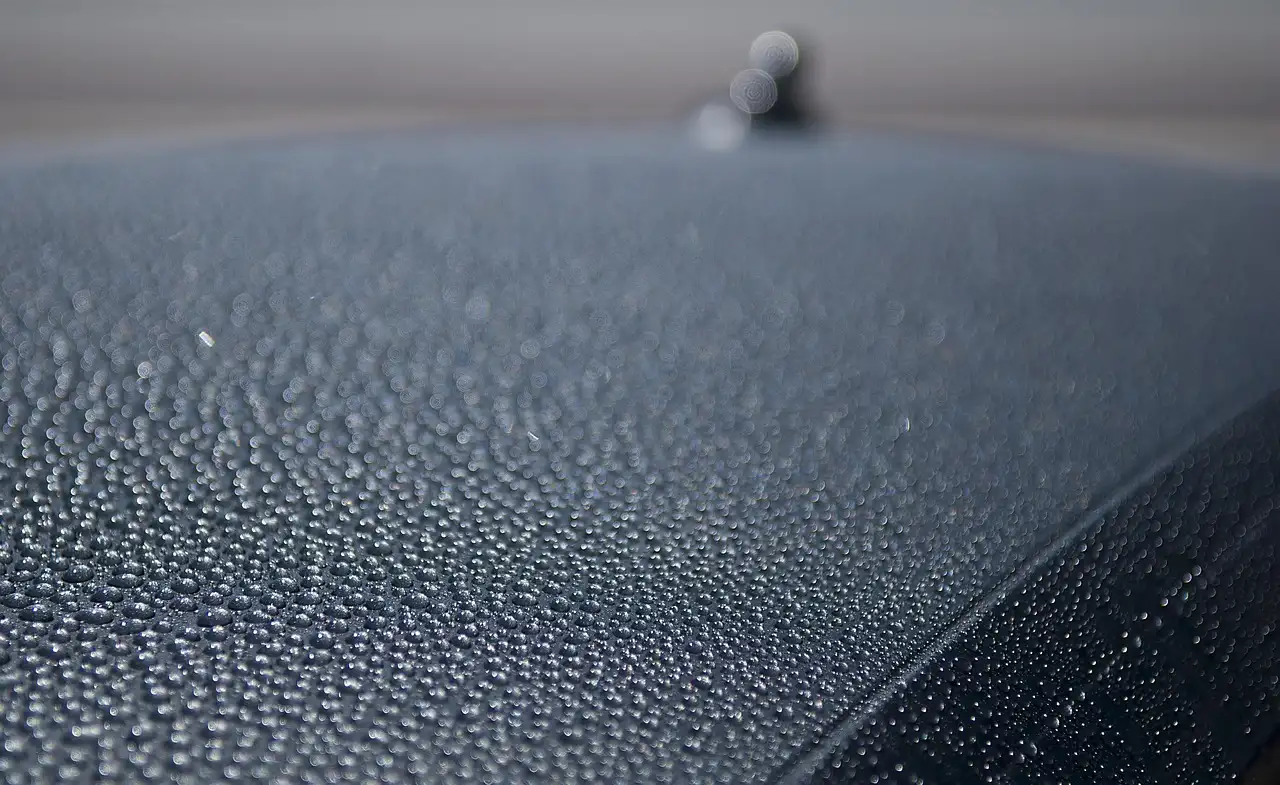
Car wax vs polish: difference and when to use each
Car wax adds protection to paint; polish removes a thin layer of defects. Rule: if the paint is dull, swirled, or oxidized, correct first; if it already looks good, skip polish and wax it. Use the wrong one, or the wrong order, and you can waste product, chase gloss that never lasts, or cut clear coat for no reason. This guide explains what each product does, when to use one or both, and when to use neither.
Wax Protects Paint While Polish Corrects
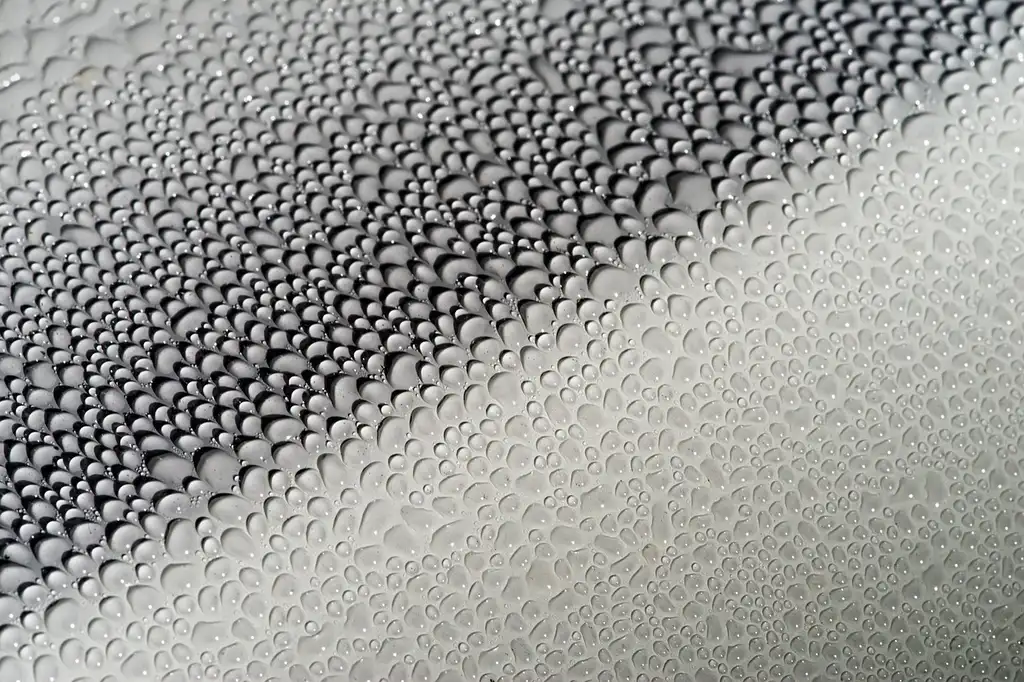
Car wax is for protection. Polish is for correction. Wax sits on top of the clear coat and adds a protective layer; polish works on the clear coat to help reduce minor blemishes, swirl marks, haze, and oxidation-related roughness.
| Decision factor | Car wax | Polish | Winner |
|---|---|---|---|
| Main job | Adds protective layer and helps water shed | Removes minor defects and smooths the finish | Tie |
| Paint correction | Does not remove defects | Can reduce light swirls, marks, and roughness | Polish |
| Surface impact | Leaves product on the surface | Removes a thin layer of clear coat | Car wax |
| Best use case | Healthy paint that needs protection | Dull, hazy, lightly marked paint | Tie |
Main job
Wax and polish solve different problems. Wax is the protection stage; polish is the correction stage. If the paint already looks clean and even, wax is usually the only step needed before regular maintenance.
Paint correction
Polish wins here because it changes the paint surface enough to reduce light defects. Wax generally will not remove swirl marks or oxidation; it mainly sits over the surface. That means waxing over uncorrected paint can leave the same dullness in place, with a protective layer on top.
Surface impact
Wax is gentler because it does not remove clear coat. Polish is a controlled abrasive step, so use it with care on newer clear coats and especially on dark paint, where overwork can make defects more obvious before they improve.
Best use case
Pick wax when the paint already looks clean but needs protection from weather and wash wear. Pick polish when the paint needs help with haze, fine scratches, or oxidation. The right answer depends on paint condition, not on which product sounds stronger.
What does car polish do?
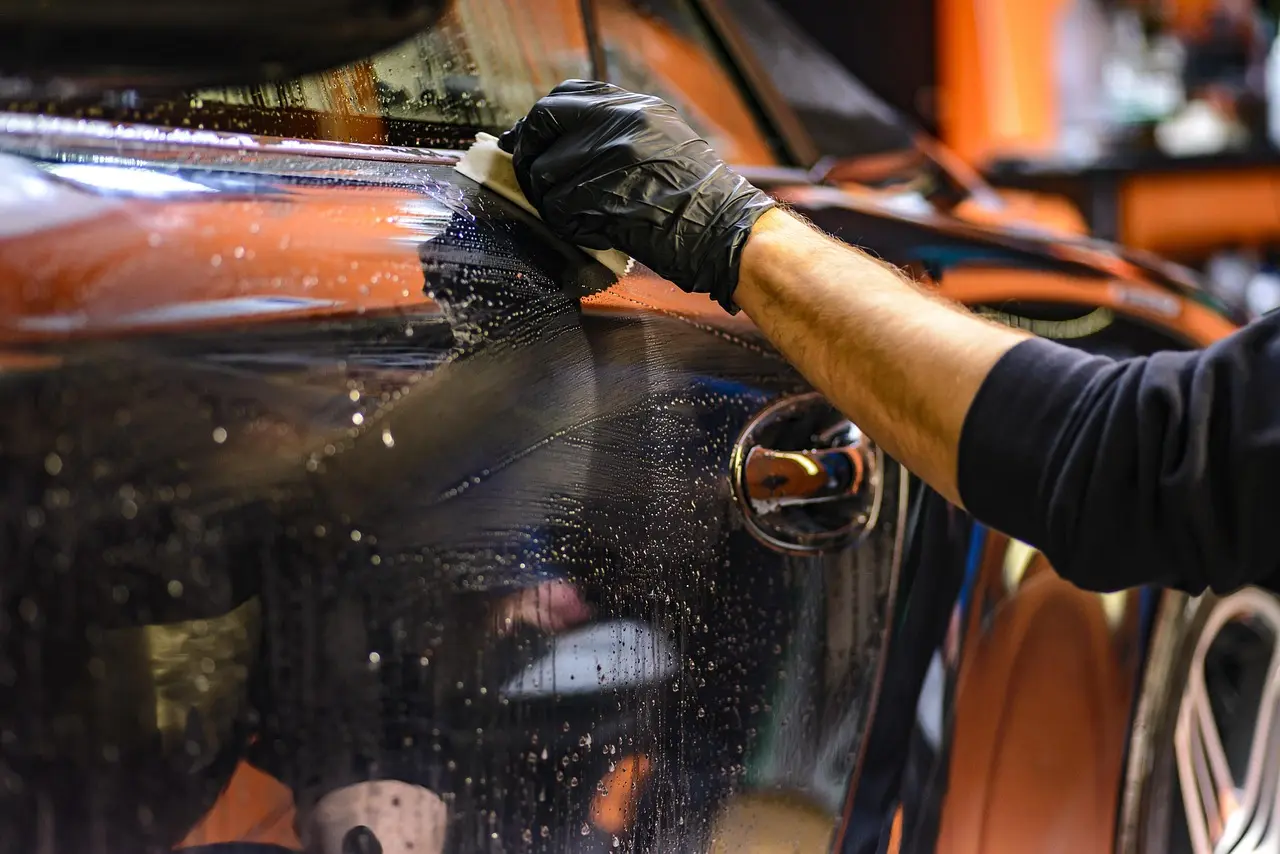
Car polish is a mildly abrasive liquid compound used to clean, smooth, and improve paint sheen. It addresses scratches, marks, and microscopic roughness on the clear coat, which is the top protection layer on modern paint. That is why polish is a correction product, not a protection product.
How polish works on clear coat
Most modern paint systems place color under a clear coat. Polish works on that outer layer, leveling very small surface flaws so light reflects more evenly. The finish looks cleaner because the defects are reduced, not because a coating was added.
When polish becomes too aggressive
Polish should be used carefully and only as needed. If you keep working the same spot too long, or use a product that is stronger than the paint needs, you can remove more clear coat than necessary. That risk matters more on used cars with thin or already-stressed paint.
Application basics
Polish is best applied by a power polisher, also called an orbital buffer. Foam application pads are common because they spread product evenly and help control heat and pressure. A clean, soft microfiber towel should be used for final wipe-off so residue comes off without adding new marks.
What does car wax do?
Car wax adds a protective layer over paint and helps guard the clear coat from the elements. It comes in firm paste and liquid forms, and it can be natural or synthetic. Wax is applied in a thin layer and buffed off, usually with a clean microfiber towel.
Paste wax vs liquid wax vs synthetic wax
Paste and liquid describe form, not performance by themselves. Natural waxes and synthetic waxes both exist, and durability depends on the product and conditions. Wax can protect for weeks to months, while some high-end or ceramic-infused waxes last longer.
Where ceramic wax fits
Ceramic wax belongs in the protection side of the comparison, not the correction side. It is a hybrid protection product, so it behaves more like an upgraded wax than a polish. Some versions may last for close to a year, depending on conditions and product type.
Application basics
Apply wax thinly. Thick application wastes product and makes removal harder. An orbital buffer can help spread or buff some waxes, but hand application with a microfiber towel is common for careful removal and final buffing.
When should you use polish before wax?
Use polish before wax when the paint has oxidation, haze, or light swirls and you want the finish to look cleaner before protection goes on. Skip polish when the paint already looks healthy and only needs maintenance, because wax can do its job without a correction step.
Why the sequence matters
A common sequence is wash, polish, dry, then wax. That order matters because wax can seal in the current appearance of the paint. If the surface is dull or marked, polishing first gives wax a cleaner base to protect.
Simple beginner rule
If you can wash the car, dry it, and the paint still looks even under daylight, skip polish. Go straight to wax or another protection product. That is the simplest beginner rule, and it avoids unnecessary correction work on paint that does not need it.
Common scenario
Say your sedan has light swirl marks on a dark hood and the side panels look flat in sun. That paint likely needs polish first, then wax. If the same sedan only has road film and water spots that wash away, polish is unnecessary.
Wax, sealant, compound, and coating: how do they compare?
These products are often grouped together, but they are not the same. Wax adds protection, sealant is a synthetic protection product, compound is a more aggressive correction product, and coating is a longer-term protective category. Mixing those roles causes most buying mistakes.
Wax vs sealant
Sealant is not a polishing product. It is a synthetic protection option, much like wax in purpose but different in chemistry and behavior. If you want protection only, either may fit; if you need defect removal, neither one will do that job.
Wax vs compound
Compound is for heavier correction than polish. It is more aggressive, so it is not the normal choice for routine maintenance. Beginners should not reach for compound when the paint only needs cleaning, gloss, or protection.
Wax vs coating and ceramic wax
Traditional wax is a temporary sacrificial layer. Coatings are a different protection category and are usually chosen for longer-term surface defense. Ceramic wax sits between the two in everyday buying decisions: easier to use than a coating, but more durable than many standard waxes.
Where cleaner wax fits
Cleaner wax creates confusion because it mixes light cleaning and protection in one product. It is not the same as a true polish, and it is not pure wax either. Treat it as an all-in-one shortcut for light maintenance, not as a substitute for actual correction on damaged paint.
Choose Car wax if… / Choose polish if…
Choose car wax if the paint already looks smooth after washing, you want protection, or you are maintaining a newer clear coat that does not need correction. Choose polish if the finish looks dull, hazy, or lightly swirled and you want to remove those defects before applying protection.
- Wash the car and inspect it in daylight.
- If the paint looks even and glossy, skip polish.
- If you see haze, oxidation, or light swirls, use polish first.
- After correction, apply wax, sealant, or coating as your protection step.
- Use a clean microfiber towel for final wipe-off and buffing.
Choose car wax if the paint is healthy
If the surface is already in good shape, wax is the practical choice. It adds protection without removing clear coat, and it fits routine care for newer paint or a properly cleaned used car that does not need correction.
Choose polish if the paint needs correction
If you see light scratches, wash-induced swirls, oxidation, or dull patches, polish is the right tool. It works on the clear coat to reduce those minor defects before any protective product goes on.
A common first-timer mistake is mixing roles
A common first-timer mistake is buying wax and expecting it to fix defects, or buying polish and expecting it to protect the paint for the long haul. The safer approach is simple: correct only when the paint needs it, then protect what is already in good shape.
Frequently asked questions
what is better car wax or polish
Neither is universally better because they do different jobs. Car wax is better for protection and routine upkeep. Polish is better when the paint needs correction. If the finish is already clean and even, wax is the more practical choice.
what’s better wax or polish
Wax is better if your goal is to protect healthy paint. Polish is better if your goal is to reduce haze, swirls, or minor surface defects. The correct choice depends on what the paint looks like before you start.
is car polish and wax the same
No. Polish is a mildly abrasive product that removes minor blemishes and smooths the clear coat. Wax is a protective product that sits on top of the paint. They can work in the same routine, but they are not interchangeable.
what’s better car wax or car polish
Car wax is better for longevity and protection. Car polish is better for appearance correction when the paint has fine defects. For a beginner, the rule is simple: if the paint already looks good, skip polish and use wax.
car wax vs polish vs sealant
Wax and sealant are protection products, while polish is a correction product. Sealant is synthetic, wax may be natural or synthetic, and polish is mildly abrasive. If the paint needs fixing, use polish first. If it only needs protection, choose wax or sealant.
car wax vs polish vs compound
Compound is the more aggressive correction step, used for heavier defects than polish can usually handle. Polish addresses minor blemishes and light roughness. Wax does not correct defects at all; it protects after the surface has been prepared.
polish vs wax vs coating
Polish corrects, wax protects, and coating is a longer-term protection category. They are not the same kind of product. A sensible routine is correction only when needed, then a protective layer chosen for the durability and maintenance level you want.