Is Brake Dust Normal on Wheels?
Yes, light gray dust on the front wheels is normal. Thick, gritty, oily, or one-sided dust needs an inspection. Brake dust that comes with dragging brakes, worn pads, or a sticking caliper can wear parts fast and increase stopping distance. This guide shows the normal-vs-warning checklist so you can tell harmless dust from a brake problem.
How to tell normal brake dust from a warning sign
Brake dust is a normal byproduct of pad friction, and it is commonly seen first on disc-brake wheels. Most brakes turn kinetic energy into thermal energy through friction, so some pad material wears away during use. The question is not whether dust exists, but whether the pattern looks ordinary or suspicious.
Light, even dust on both front wheels is usually a normal result of braking. Dust that is heavy on one wheel, much darker than the others, or paired with squeal, vibration, or longer stops deserves a closer look. Pattern matters more than a fixed amount.
What counts as normal buildup
Normal buildup is usually a thin gray film that appears after everyday driving, especially on the front wheels. It may show up faster if the car uses a dustier pad compound, carries more weight, or sees repeated stop-and-go traffic. Brake pads are wear items, and brake pads are designed to last many thousands of miles, so some residue over time is expected.
When dust should raise concern
Dust becomes a warning sign when it changes from even to uneven, or when it comes with brake symptoms. A one-wheel-only pattern can point to uneven pad wear, a sticking caliper, or another issue in the brake system. Thick dust that returns quickly after cleaning can also point to overheating or a part that is not releasing correctly.
What brake dust on wheels means
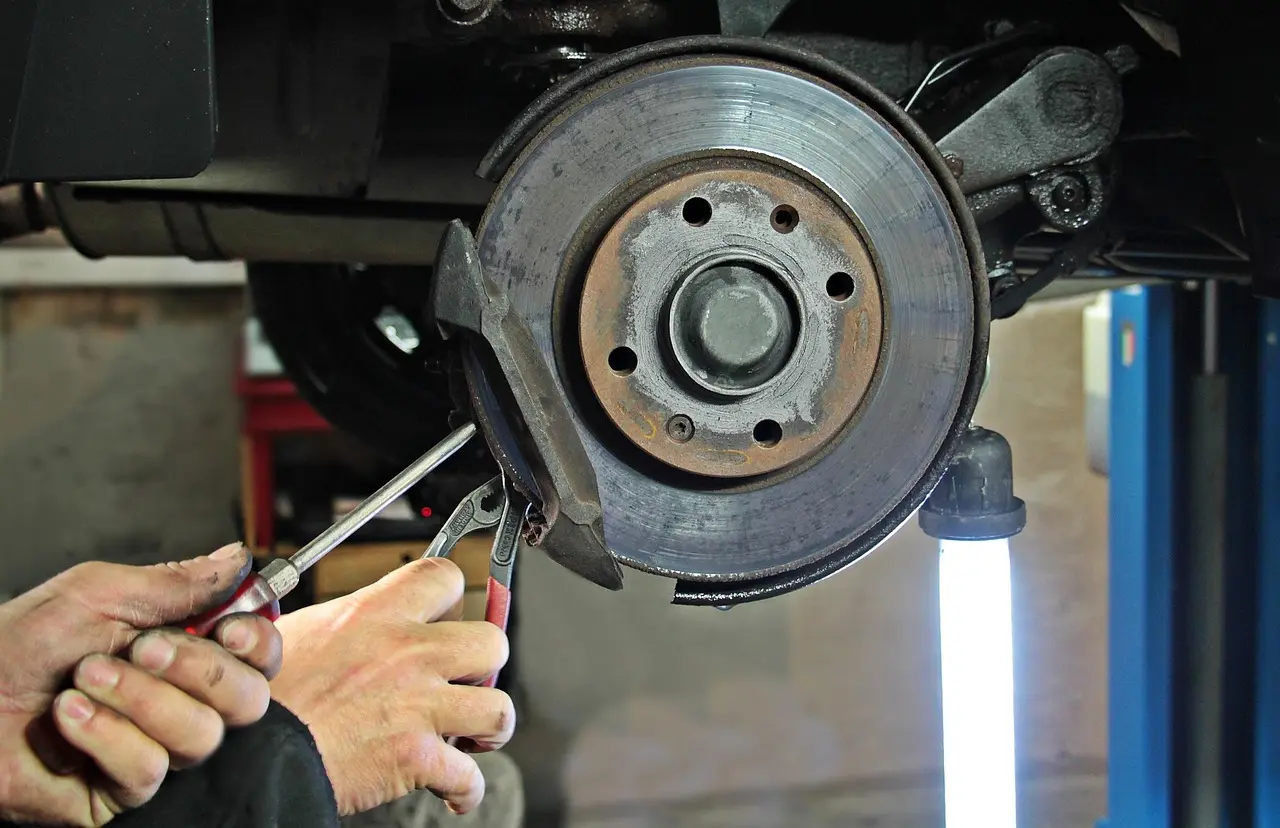
Brake dust means small wear particles from the brake pads and rotor surface have collected on the wheel. In a disc brake system, the caliper clamps the pads onto the spinning rotor, and the friction surface sheds fine debris. The rotor is the heat-and-friction surface that the pads work against, so it sits at the center of both stopping force and dust creation.
The dust itself does not automatically mean trouble. Pad compound, vehicle weight, braking force, and heat all affect how much appears. A commuter car with low-dust ceramic pads may stay relatively clean, while a heavier vehicle with semi-metallic pads and frequent hard stops will usually show more wheel dust.
How pad material creates dust
Brake pads are friction material bound to steel backing plates. As the pad faces contact the rotor, tiny amounts of material wear away and settle on the wheel. Low-dust ceramic pads tend to leave less visible residue, while dustier semi-metallic compounds often leave more. Pad design can also affect how dark or gritty the residue looks.
Why rotors and calipers matter
Rotors help explain why dust can look different from wheel to wheel. If a caliper is not releasing cleanly, one pad may drag on the rotor and shed more material than the others. Uneven rotor condition can also affect wear patterns, which is why a brake inspection should check pad thickness, rotor condition, and caliper operation together.
Why some wheels get more dust
Front wheels often collect more dust because the front brakes usually do more work. During stopping, weight shifts forward, so the front pads and rotors handle more load. That is normal on many cars, trucks, and SUVs, and it is one reason the front wheels often look dirtier than the rear pair.
Driving conditions matter too. City stop-and-go traffic, heavy braking, mountain descents, towing, and loaded driving all raise brake heat and pad wear. Picture a midsize SUV coming down a long grade with a full cargo area; the front wheels may show more dust after that drive than after a quiet highway commute.
Driving style and vehicle load
Aggressive braking and repeated hard stops create more friction, more heat, and more dust. So does extra weight. A loaded family crossover, a trailer-towing pickup, or a delivery van will often create more visible residue than the same vehicle used lightly around town.
Say your compact sedan stays clean during highway trips but shows much heavier dust after a week of downtown errands. That pattern fits frequent braking, not necessarily a fault. If the dust is heavy on only one front wheel, though, the pattern stops looking normal.
Brake dust checklist
Use this as a quick normal-vs-warning check. The key is the pattern, not a single speck count. If the dust matches normal driving and both sides look similar, cleaning and monitoring are usually enough. If the dust is uneven, very heavy, or paired with symptoms, schedule an inspection.
| Dust pattern | Likely cause | Action |
|---|---|---|
| Even light dust on both front wheels | Normal pad wear from disc brakes, especially with city driving or heavier pads | Wash the wheels regularly and monitor for change |
| Heavy front-wheel dust | Front brakes doing most of the work, aggressive braking, towing, or a dustier pad compound | Check whether the pattern matches your use; inspect if it becomes uneven or fast-growing |
| One-wheel-only dust | Uneven pad wear, sticking caliper, or a brake part that is dragging | Schedule a brake inspection soon |
| Reddish or brown dust | Ordinary brake residue, or staining after heat buildup if the brake ran hot | Clean it promptly; inspect if the wheel feels hot or braking feels odd |
| Dusty wheels with squeal or vibration | Wear issue, rotor problem, or caliper concern alongside normal dust | Do not wait; have the brakes inspected |
What causes excessive dust?
Excessive dust usually comes from one of three places: hard use, a dustier pad compound, or a brake part that is wearing or dragging unevenly. A little dust from friction is normal. A lot of dust that appears quickly, returns fast after washing, or shows up on one wheel more than the others is different.
Aggressive braking and hard stops
Hard braking increases heat, and heat increases wear. Brakes convert motion energy into heat through friction, so repeated panic stops, downhill braking, and stop-and-go traffic all speed up dust production. That does not mean the brakes are failing. It does mean the wheel will need cleaning more often.
Dustier pad compounds
Some pads are built to favor bite, feel, or heat handling, and they can shed more visible material than low-dust pads. Semi-metallic compounds often leave more residue than ceramic options. The tradeoff is not always bad; it depends on the vehicle, load, and braking demands. A heavier vehicle may need a pad choice that accepts more dust in exchange for other performance needs.
Sticking calipers or uneven wear
A sticking caliper can keep one pad pressed against the rotor longer than it should. That can create heat, one-sided dust, and uneven pad wear. If one wheel is much dirtier than the others, especially after normal driving, treat that as a possible brake issue until an inspection says otherwise.
How can you reduce brake dust?
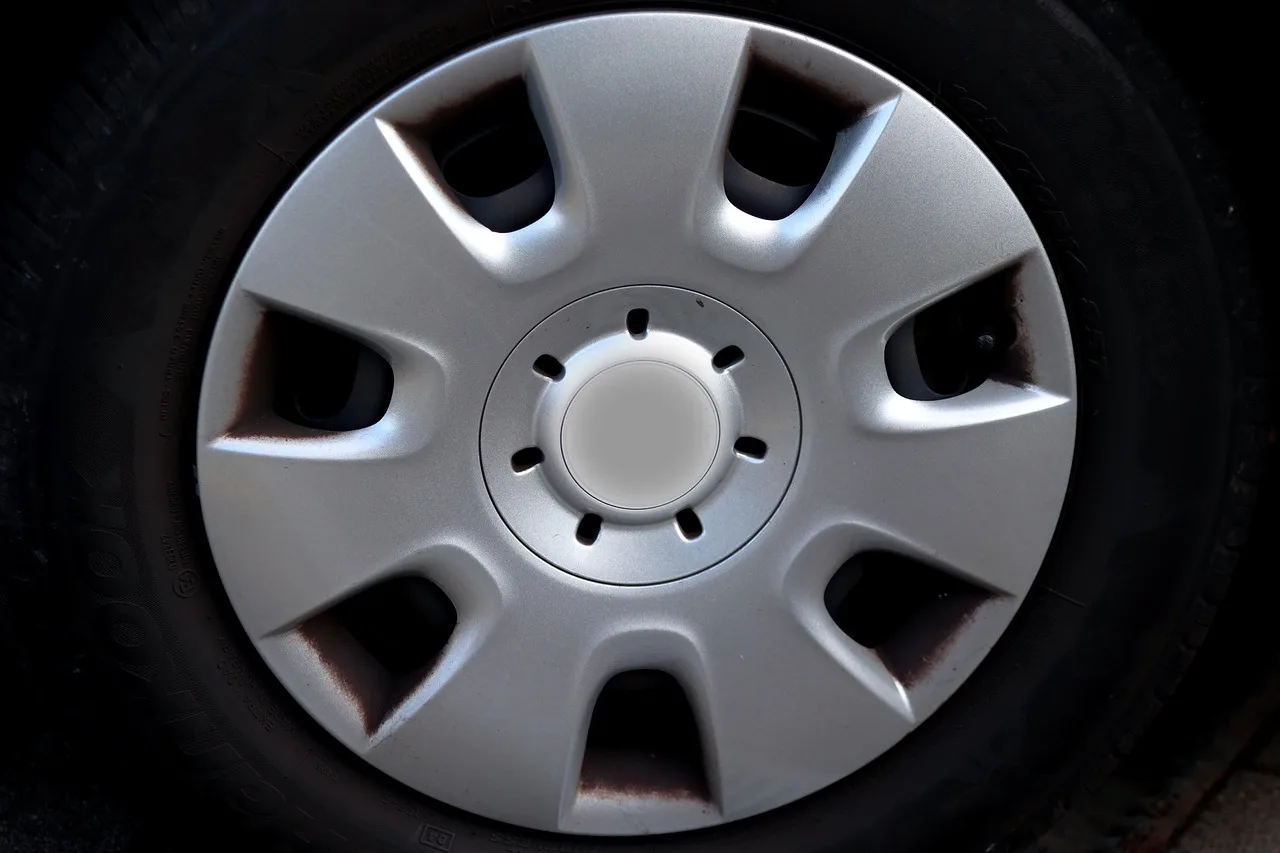
You cannot remove brake dust entirely, but you can cut buildup and keep it from baking onto the finish. Start with regular cleaning, then look at pad choice and brake condition. If dust is making the wheels dirty quickly, the fix may be as simple as a different pad compound, or as important as a brake repair.
Wash wheels before buildup hardens
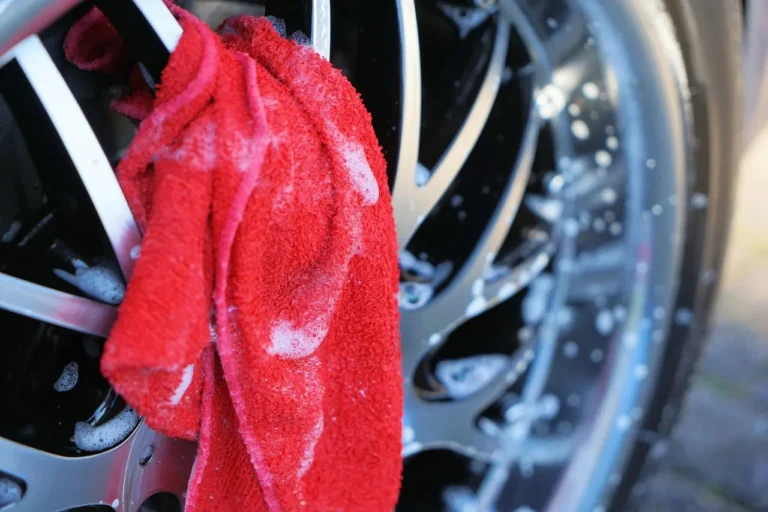
Regular washing helps prevent buildup from baking onto the wheel surface. That matters because wheel finish can be marked if dust is left to sit. Painted, clear-coated, powder-coated, and polished surfaces all need attention, and polished finishes can be especially sensitive to abrasive residue left in place.
- Rinse the wheel while the brakes are cool.
- Clean the face, barrel, and lug area.
- Dry the wheel so residue does not sit in seams.
- Repeat more often after mountain driving, towing, or heavy city use.
Choose the right pad compound
If your current pads make too much dust for your use, ask for a low-dust option that still fits the vehicle’s weight and braking needs. Ceramic pads often leave less visible residue than semi-metallic ones. The right choice depends on what the vehicle does most often, not only on how clean you want the wheels to look.
Keep brake parts in inspection range
Brake inspection should check pad thickness, rotor condition, and caliper operation. That is the best way to separate normal dust from a fault. A pad that is wearing unevenly, a rotor that is damaged, or a caliper that is not moving correctly can all increase dust and shorten part life.
When should you inspect the brakes?
Inspect the brakes when dust is paired with squeal, grinding, vibration, or longer stopping distances. Also inspect if one wheel is much dustier than the others, or if the dust pattern changes suddenly without a clear reason like towing or a long mountain descent. Those signs move the issue from cosmetic to mechanical.
Do not wait if the car pulls, the pedal feels odd, or the wheel is unusually hot after a drive. Dust alone can be normal. Dust plus a symptom is often a service signal. A brake inspection can quickly show whether the pads, rotors, or calipers need attention.
A common first-timer mistake is cleaning all four wheels and assuming the problem is gone. If one front wheel turns black again in a few days while the others stay fairly clean, that pattern points away from normal wear and toward an uneven brake condition.
Frequently asked questions
Is brake dust on wheels normal?
Yes, brake dust on wheels is normal in small amounts, especially on disc-brake cars and especially at the front. It comes from pad friction during normal stopping. What matters is the pattern: even light dust is usually fine, while one-sided, gritty, or fast-returning dust deserves inspection.
What does brake dust on wheels mean?
Brake dust on wheels means pad material has worn away during braking and settled on the wheel surface. It often reflects ordinary use, pad compound, and driving style. If the dust is unusually heavy on one wheel, or appears with squeal or vibration, it can mean a brake part needs attention.
What causes brake dust on your wheels
Brake dust on your wheels comes from friction between the pads and rotor in a disc brake system. Heat, stop-and-go driving, mountain descents, towing, heavy loads, and dustier pad compounds all increase it. The front wheels usually collect more because the front brakes usually do more work.
Why is there a lot of brake dust on my wheels?
A lot of brake dust often means the brakes are working hard, the pad compound is dustier, or the vehicle is carrying more load than usual. Heavy front-wheel dust can be normal on a commuter or tow vehicle. If only one wheel is much dirtier, inspect for uneven wear or a sticking caliper.
Is brake dust normal: yes, brake dust is normal?
Yes, brake dust is normal as a byproduct of brake friction. Most brakes convert kinetic energy into thermal energy through friction, so some residue will always appear over time. The important question is whether the dust is even and expected, or paired with wear signs such as squeal, vibration, or longer stops.