Is Tire Dressing Necessary for a Daily Driver?
No, tire dressing is not necessary for a daily driver. Use it only if you want a finished look, and pick the lowest-maintenance formula that does not sling. Choose the wrong product and you get greasy sidewalls, sling on paint, and extra cleanup. Here’s how to decide, which formulas last, and what to avoid.
What dressing actually improves on a daily driver’s tires
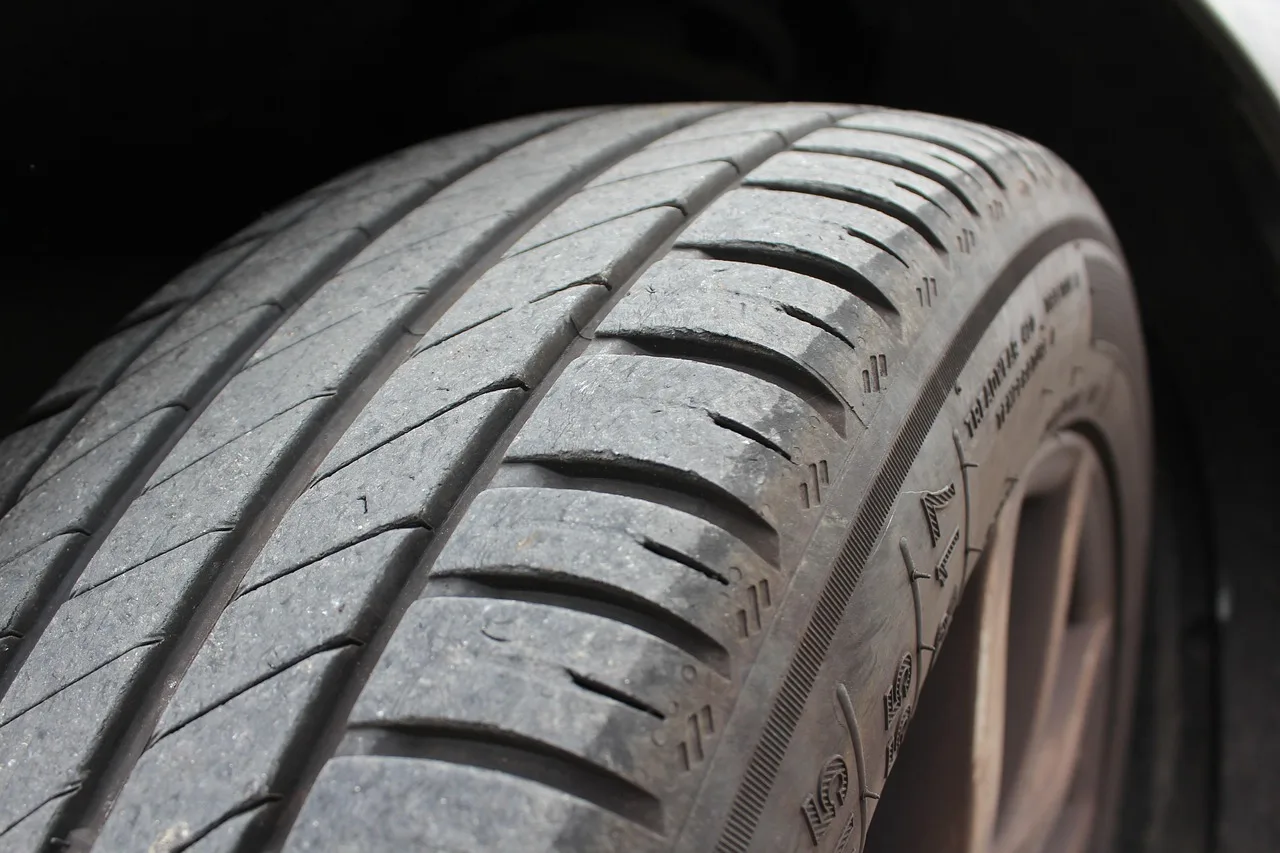
Tire dressing mainly changes the sidewall’s appearance. It darkens faded rubber, evens out blotchy browning or blooming, and gives you a matte, satin, or glossy finish. It is a cosmetic product, not a tire-life treatment, and it does not replace good washing or make tire care automatic.
Appearance and cleanup
On a daily driver, the clearest benefit is a cleaner, more uniform sidewall. Mixed weather, heat cycles, brake dust, and road film can make tires look gray long before the tread wears out. Dressing can slow the need for frequent cosmetic touchups, but only if the sidewall is cleaned first.
Cleaning still matters more than dressing itself. If old product and road film stay on the rubber, new dressing can spread unevenly, look patchy, and attract dust. A residue-free tire cleaner gives the dressing a clean surface to bond to.
UV support and surface care
UV exposure matters most for cars parked outdoors, especially in hot climates and full-sun spaces. Sunlight speeds cosmetic fading, so dressing can help the sidewall stay darker for longer. That is a look-and-maintenance benefit, not proof of longer tire life, and none of it changes the need for regular washing.
Suppose a commuter parks in an open lot all day and washes every two weeks. A water-based dressing on a cleaned sidewall may keep the tires looking even with modest upkeep. The same car left with heavy residue and no prep may get streaks faster than it gets an even finish.
Tire dressing decision matrix
Use this table as the decision rule. These are rough starting points based on parking exposure, weather, and wash frequency. If the downsides are more annoying than the look, skip dressing entirely and keep the tires clean with normal washing and occasional sidewall cleaning.
| Daily-driver use case | Climate or parking condition | Recommended finish | Formula type | Reapply interval | Sling risk | When to skip dressing entirely |
|---|---|---|---|---|---|---|
| Garage-kept commuter | Covered parking, mild weather | Matte or satin | Water-based | Every 3 to 4 weeks | Low | Skip if you do not care about a dressed look |
| Outdoor-parking commuter | Full sun, frequent UV exposure | Satin | Water-based or mild silicone-based | Every 2 to 3 weeks | Low to moderate | Skip if frequent washing matters more than appearance |
| Rainy-climate driver | Wet roads, splash, frequent washing | Matte or satin | Water-based | After 2 to 4 washes | Low | Skip if rain and wash cycles make upkeep annoying |
| Winter-salt driver | Cold weather, road salt, slush | Matte | Water-based, light application | Only after thorough wheel and tire cleaning | Moderate if overapplied | Skip during active salt season if cleanup is your priority |
| Low-maintenance owner | Mixed weather, irregular washing | Matte | Water-based, no-shine | Only when sidewalls look dull | Low | Skip if you do not want another product to manage |
| Appearance-focused owner | Garage-kept or weekend use | Glossy | Silicone-based | Every 1 to 2 weeks | Higher if applied heavily | Skip if sling, dust, or frequent wipe-downs are a problem |
What the matrix means in practice
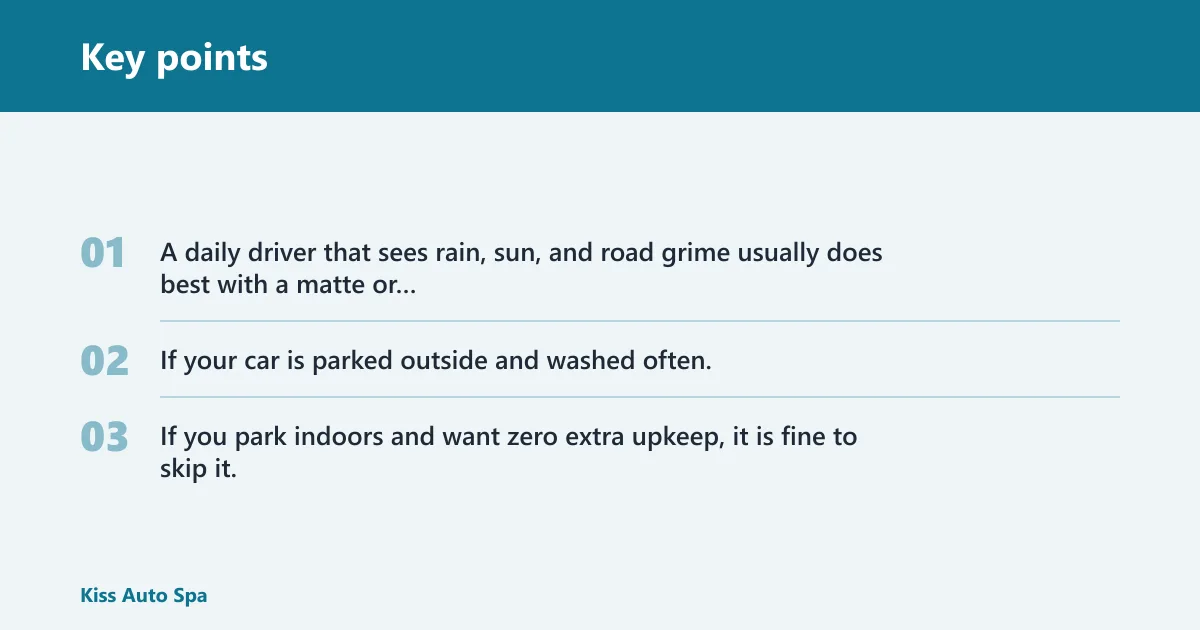
A daily driver that sees rain, sun, and road grime usually does best with a matte or satin result and a low-maintenance formula. If your car is parked outside and washed often, dressing can help keep the sidewalls from looking chalky. If you park indoors and want zero extra upkeep, it is fine to skip it.
Which finish fits a daily driver?
The safest choice for most daily-driven tires is matte or satin. Matte looks closest to plain rubber, satin gives a clean middle ground, and glossy works best only when you want a wet look and accept more maintenance. The more reflective the finish, the more obvious overapplication and sling become.
Matte finish
Matte is the most restrained option. It suits drivers who want the tires to look clean, not dressed. It also hides uneven application better than a high-gloss product, which makes it a strong fit for people who wash monthly or less.
Satin finish
Satin is the middle ground. It darkens the sidewall without looking oily. For most daily drivers, this is the easiest finish to live with because it looks finished after a wash but does not demand constant wipe-downs.
Glossy finish
Glossy products create the wet look many people associate with tire dressing. They can look sharp on a clean, weekend-driven car, but they usually demand more care. Heavy wet formulas are the ones most likely to sling if you drive off too soon or apply too much.
Is water-based tire dressing better for daily driving?
Yes, water-based tire dressing is usually the better daily-driver choice because it is easier to control, tends to look lower-gloss, and often slings less than heavier solvent or silicone-heavy formulas. Silicone-based products can last longer in some conditions and often look shinier, but that extra gloss can bring more cleanup risk.
Water-based formulas
Water-based products are the safer default for low-maintenance owners. They are commonly easier to spread in thin coats, easier to wipe off the sidewall, and easier to reapply without building a greasy film. That makes them a better fit for cars that see mixed weather and regular washing.
Silicone-based formulas
Silicone-based dressings can produce a higher-gloss finish and may hold up longer in some conditions. They are not automatically bad for daily driving, but the tradeoff is simple to see: if the formula is heavy and the coat is thick, sling risk rises. That matters more on a commuter than on a garage-kept show car.
Sling risk, cure time, and cleanup
Sling comes from over-application, residual product on the sidewall, or driving too soon after application. Glossy wet formulas are more likely to throw product onto body panels. Thin coats and proper cure time reduce the problem, and a water-based product usually leaves less cleanup when you need a quick wash routine.
How to apply dressing without sling
Apply dressing only to the tire sidewall, never the tread. Clean the sidewall first with a tire-safe cleaner or a tire-safe degreaser, then use a thin coat and let it cure before driving. Wipe excess before it can move to the tread, and do not keep adding layers to chase more shine.
- Wash the wheel and tire area first.
- Use a tire cleaner or degreaser to remove old dressing, road film, and browning.
- Rinse or wipe until the sidewall is residue-free.
- Apply a small amount of dressing to an applicator pad.
- Spread it only on the sidewall in a thin, even layer.
- Wipe off excess product right away.
- Let it cure before driving.
- Check for sling after the first short drive.
A common first-timer mistake is coating the tire until it looks wet. That usually creates shiny spots, collects dust, and puts product where it does not belong. If a 225-width tire needs a second pass, use a light one rather than a heavy one.
Where dressing should and should not go
The sidewall is the only area that should receive dressing. Do not coat the tread, shoulder, or any brake-related surfaces. If product reaches the tread, clean it off before driving. Safety comes before shine.
Will tire dressing damage tires or cause dry rot?
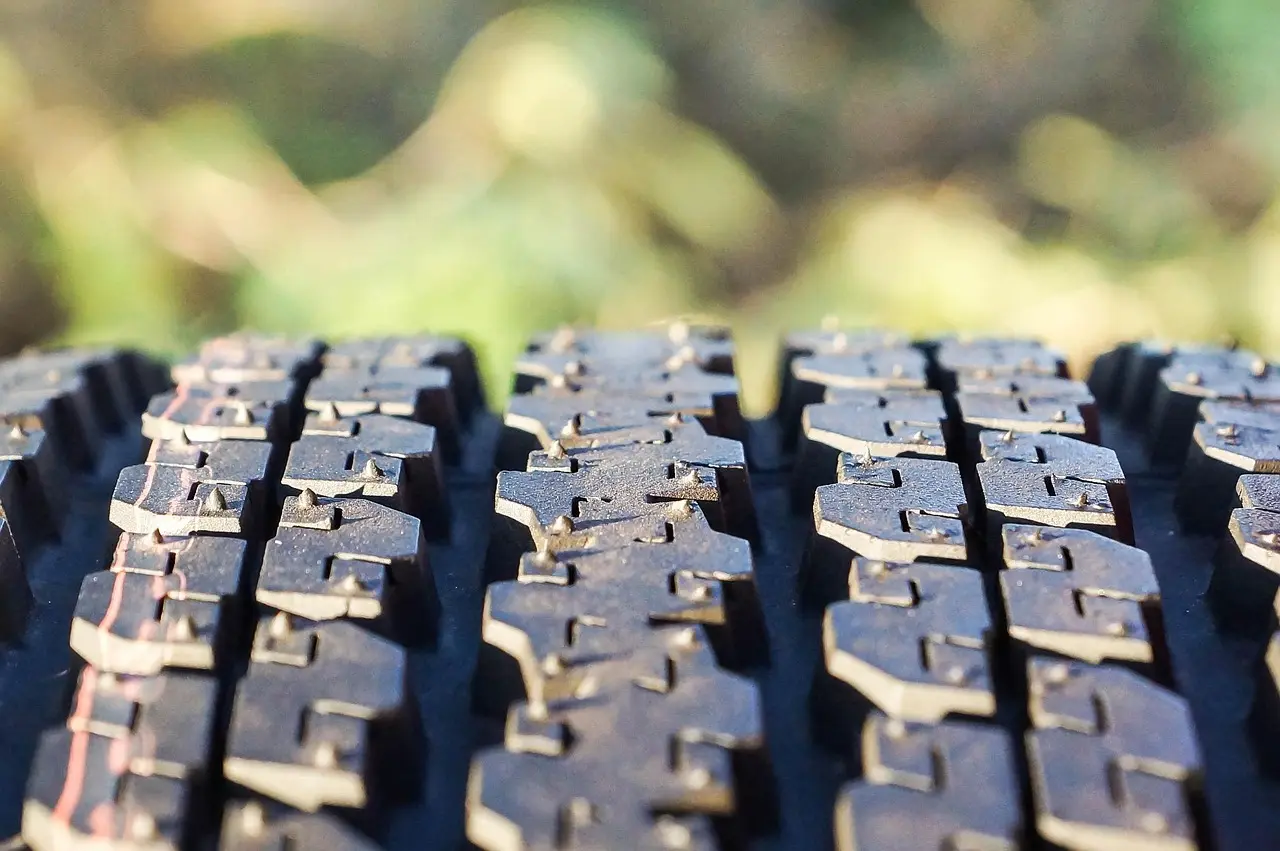
Tire dressing does not cause dry rot by itself. Dry rot is more tied to age, sunlight, ozone, storage conditions, and neglect than to a properly used dressing. Problems usually come from bad prep, product buildup, or letting residue sit on the sidewall for too long.
What causes bad results
If old dressing is layered over dirt and road film, the sidewall can look blotchy and attract more grime. That is a maintenance problem, not a direct tire-health benefit from the product. Clean rubber and thin coats matter more than how shiny the bottle looks.
When to skip the product
Skip dressing if you want the simplest possible routine, if your tires are constantly exposed to road salt and heavy grime, or if you know you will not keep up with cleanup. A clean, undressed tire is better than a greasy one that throws product onto paint and wheel wells.
How often should you apply tire dressing?
Most daily drivers usually need dressing every few weeks rather than after every wash. A realistic interval is 2 to 4 weeks for outdoor parking or frequent washing, and longer for garage-kept cars. Reapply when the sidewall looks dull, dusty, or uneven rather than following a fixed schedule blindly.
What changes the interval
Sun, rain, salt, and wash frequency all shorten the life of a dressed look. Outdoor parking and strong UV exposure usually call for more frequent touchups. Winter salt can also push you toward skipping dressing for part of the season if cleanup becomes the bigger priority.
Low-maintenance rule
If your goal is simple upkeep, start with the longest interval that still keeps the tires looking clean. That usually means using a water-based product, applying thin coats, and avoiding glossy formulas that demand frequent attention.
Frequently asked questions
Is tire dressing necessary for a daily driver?
No. A daily driver does not need tire dressing for tire health if the tires are cleaned and maintained properly. Use it only when you want a cleaner look, and keep the product on the sidewall in thin coats.
What does tire dressing do on a daily driver?
It darkens the sidewall, evens out browning, and gives you a matte, satin, or glossy finish. It is mainly a cosmetic product and does not replace washing.
How do you keep tire dressing from slinging onto the car?
Clean the sidewall first, use a small amount on an applicator, and apply thin coats only. Let the dressing cure before driving. Wipe off excess immediately, and avoid glossy heavy formulas if you want the lowest sling risk on a commuter.
Can you skip tire dressing and still protect tires?
Yes. You can skip dressing and still protect tires by washing them regularly, removing road film and old residue, and storing the vehicle away from direct sun when possible. Dressing is optional. Clean rubber matters more than shine for a daily driver.
What is the safest finish for daily-driven tires?
Matte is the safest and easiest finish for most daily drivers, with satin as the next best choice. Both look clean without the upkeep burden of a wet gloss. Glossy products can work, but they are more likely to sling and show uneven application.