Why Do My Front Wheels Get More Brake Dust Than the Rear?
Front wheels usually carry more brake dust because the front brakes do most of the stopping work during deceleration. If one front wheel is far dustier than the other, that can point to a sticking caliper, seized slide pins, or uneven pad wear. This guide starts with the physics, then shows how to tell normal front-axle dust from a brake fault on one wheel.
How weight shift makes front brakes do the most work
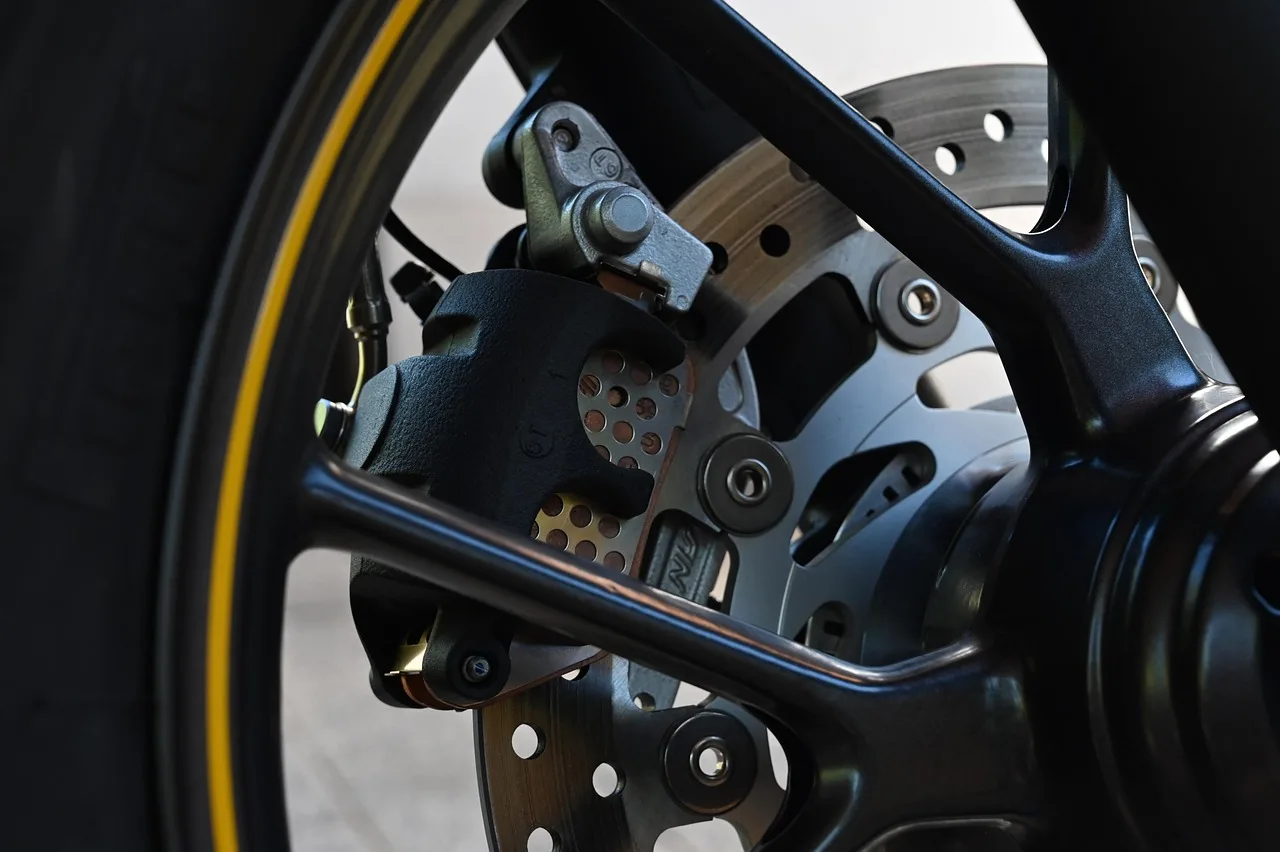
Front wheels usually collect more visible brake dust because front disc brakes do more stopping work on most vehicles. As you slow down, weight moves forward, the front tires gain load, and the front brakes handle a larger share of the braking force. ABS and electronic brake distribution can adjust pressure, but they usually do not erase that front-heavy pattern.
Why front brakes carry more load
During braking, inertia shifts weight toward the front axle. That extra load gives the front tires more grip, so the front brakes can apply more force before lockup. More force means more pad friction, more heat, and more dust at the front wheels.
Vehicle mass and braking force both matter here. A heavier vehicle, a harder stop, or repeated slowdowns will put more work on the front brakes. Rear brakes still matter, but they usually do less and stay visibly cleaner.
What ABS and brake distribution change
ABS and electronic brake force distribution adjust brake pressure wheel by wheel or axle by axle to help keep the car stable. That helps balance traction during a stop, especially on newer vehicles. It does not make front and rear wear identical in normal use. Most vehicles still end up with more front-axle dust.
What affects brake dust
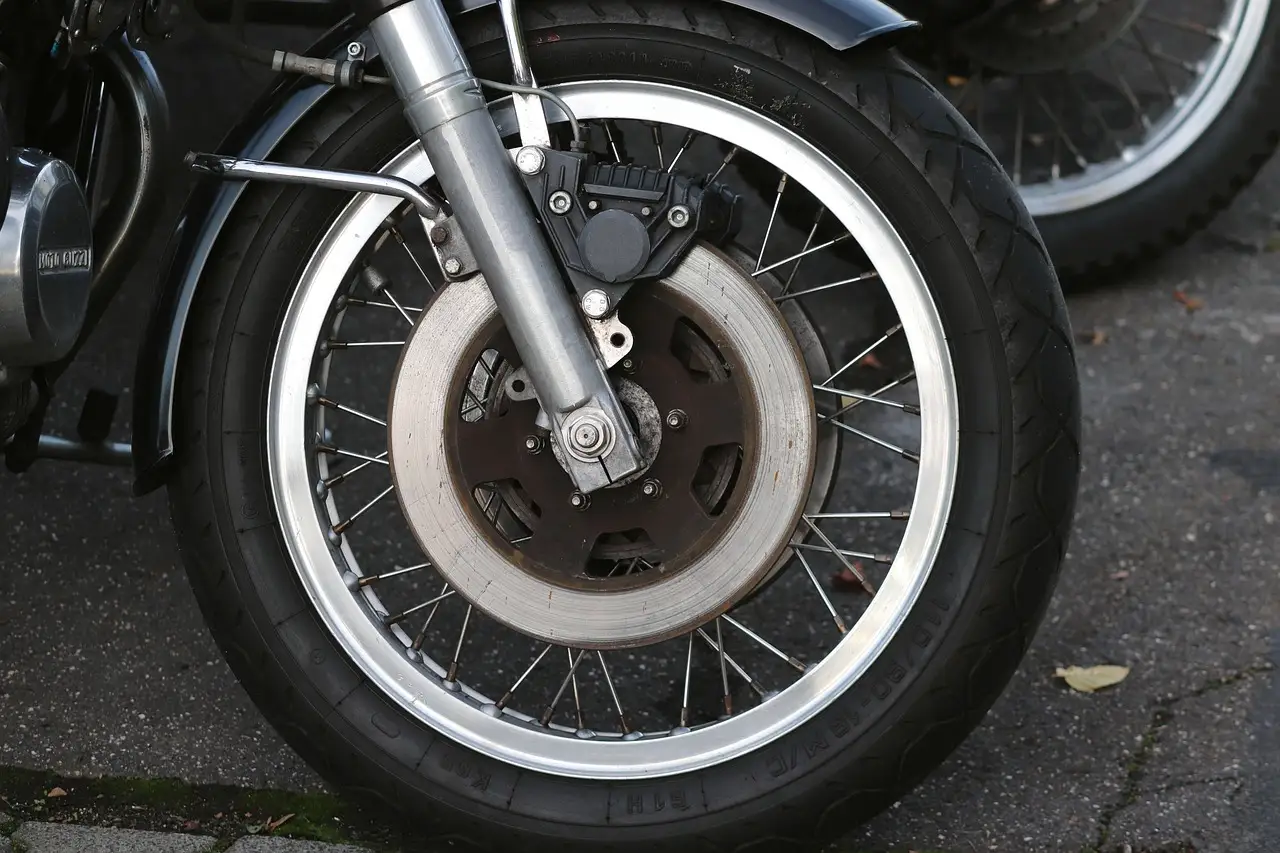
Brake dust is not determined by brake load alone. Pad compound, driving pattern, and wheel design all change how much dust gets made and how much of it you notice on the car.
Brake pad compound and dust output
Semi-metallic pads usually make more visible dust than ceramic pads. They often give strong bite and handle heat well, but they tend to shed more material. Organic pads can feel quieter and may dust less or differently, but they also vary in fade resistance and pedal feel. Pad choice changes dust, noise, and stopping feel together.
Driving pattern and brake heat
Stop-and-go traffic, short trips, and repeated hard braking usually create more dust because they build heat quickly and leave little time for cooling. City use is often harder on front brakes than steady highway driving. Aggressive braking raises friction temperature, and hotter pads and rotors generally leave more residue on the wheel.
Wheel design and finish
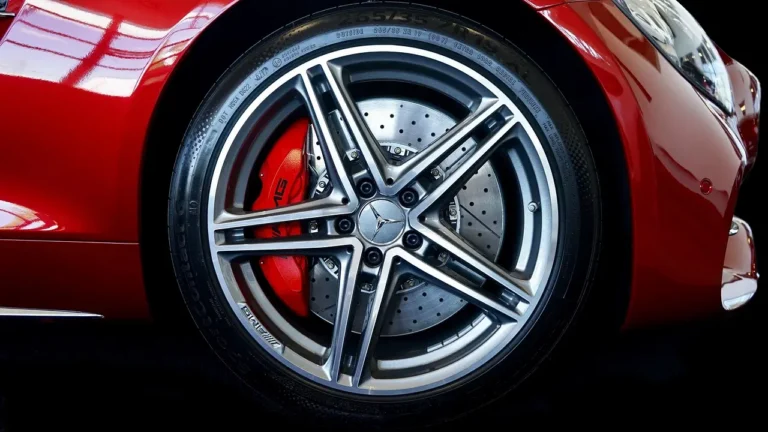
Open-spoke wheels show dust sooner than closed designs because there is less visual barrier between the brake hardware and the outside of the wheel. Dark finishes also make the same buildup look heavier. A front wheel may appear dirtier than the rear partly because the wheel design makes the dust easier to see.
Say your car has black 19-inch wheels with wide open spokes up front and silver wheels in the rear. The same light gray brake dust can look much worse on the front wheels even before the buildup is heavy.
Can pad choice reduce dust?
Yes, pad choice can reduce visible dust, but it does not make dust disappear. Ceramic pads usually produce less visible buildup and often run quieter than semi-metallic pads. Organic pads may change dust, noise, and bite in different ways. The best choice depends on your vehicle, driving style, and how much heat the brakes must manage.
Semi-metallic pads
Semi-metallic pads often offer strong initial bite and good heat tolerance. They are also a common source of darker, more noticeable dust. If your front wheels dust heavily and the current pads are semi-metallic, that may be normal rather than defective.
Ceramic pads
Ceramic pads usually reduce visible dust and often run quieter. That makes them popular for drivers who want cleaner wheels. They are not dust-free, though, and results vary by vehicle and pad design. A ceramic pad on a heavy SUV or a hard-driven commuter can still leave visible residue.
Organic pads
Organic pads can be smoother and sometimes quieter, but their dust behavior and heat tolerance vary widely. They are less common in modern daily drivers than ceramic or semi-metallic options. If you switch pad types, expect a change in dust level, pedal feel, and possibly brake noise.
Why one front wheel looks worse
If both front wheels are dusty, the pattern is often normal. If one front wheel is much dirtier than the other, that is a different problem. Uneven dust can point to a sticking caliper piston, seized slide pins, pad taper, a restricted brake hose, or rotor trouble that is making one wheel drag more than the rest.
Sticking caliper piston
A caliper piston that does not release fully can keep the pad in light contact with the rotor. That one wheel then builds heat and dust faster, and the wheel may feel hotter after a drive. One-side drag is a classic cause of abnormal dust buildup.
Seized slide pins
Slide pins let the caliper move so both pads clamp evenly. If they seize, the caliper can stay slightly offset and cause uneven pad wear. That can create a dusty wheel on one side, pad taper, and uneven rotor wear.
Pad taper, hose restriction, or rotor trouble
Pad taper often means the pad is wearing unevenly across its face, which can happen when the caliper does not float correctly. A restricted brake hose can hold pressure longer than it should, keeping one brake partly applied. Rotor glazing, rust buildup at the outer edge, or heat spotting can also track with abnormal wear.
Suppose the left front wheel is coated in dark dust after a week of normal commuting, while the right front looks only lightly gray. If that left wheel also feels hotter after a drive, the pattern points more toward brake drag than toward ordinary front-axle dust.
Brake dust checklist
Use this simple check to sort ordinary front-axle dust from a wheel-specific problem. The goal is not to guess. It is to decide whether cleaning and monitoring are enough, or whether the brakes need inspection.
| Normal front-axle dust | Suspicious one-wheel dust | Action to take |
|---|---|---|
| Both front wheels have similar gray dust after city driving or frequent stops | One front wheel is much darker than the other, while the rear wheels stay normal | Normal pattern: clean the wheels and monitor at the next wash |
| Dust is heavier after stop-and-go traffic, short trips, or repeated hard braking | One wheel also feels hotter, smells burnt, or shows a sharp change in pad wear | Suspicious pattern: book a brake inspection |
| Open-spoke wheels and dark finishes make the same buildup look worse | One wheel has a visible rust lip, glazing, or pad taper on inspection | Do not ignore it; have the caliper, pads, hose, and rotor checked |
| Dust improves after switching to lower-dust pads, but does not disappear | Dust keeps returning quickly on only one side after cleaning | Inspect at home for obvious uneven wear, then book service if the pattern stays |
- Compare both front wheels, not just the dusty one.
- Check whether the dust is similar on both sides or sharply one-sided.
- Look for heat, odor, pulling, or a wheel that feels hotter after driving.
- Inspect pad thickness through the wheel if you can see it safely.
- If one wheel is far worse, schedule a brake inspection.
When rotor wear matters
Rotor condition can help explain abnormal dust, but it is usually a clue rather than the only cause. Glazing, a rust lip, or heat marks can match a brake that is running too hot or a pad that is not contacting the rotor evenly. On the front axle, where heat load is already higher, those signs matter more.
Glazing signs
Glazed pads or rotors often look shiny and hard rather than evenly matte. That finish can come with reduced bite, more noise, or a longer stop feel. A glazed surface does not automatically mean a failing brake, but it does fit with heat stress and uneven wear.
Rust lip and heat marks
A rust lip at the edge of the rotor can be normal on some vehicles, especially if the pad does not sweep the full rotor face. Heat marks or blue spots are more concerning because they can suggest overheating. If one front wheel also dusts much more than the other, rotor condition becomes part of the inspection, not just a cosmetic issue.
How rotor condition connects to pad wear
Rotor damage or uneven wear can change the pad contact patch, which then changes how much dust the brake throws off. A rotor that is warped enough to cause vibration, or a rotor with heavy rust on part of its face, can make the pad wear unevenly and leave one front wheel dirtier than the other.
A common first-timer mistake is cleaning the wheel every few days and assuming the brake dust problem is solved. If the same front wheel keeps loading up faster than the others, cleaning only hides the symptom.
Frequently asked questions
Why do my front wheels get more brake dust than the rear?: front wheels usually get more?
Front wheels usually get more dust because the front brakes do most of the stopping. Braking shifts weight forward, which gives the front tires more grip and lets the front brakes do more work. ABS and brake distribution may adjust pressure, but the front axle still tends to collect more visible dust.
Is it normal for front wheels to be dirtier than rear wheels?
Yes, that is usually normal. Front disc brakes are the most common source of visible wheel dust, and they often wear faster than rear brakes. The key question is whether both front wheels look similarly dusty or one wheel is much worse than the others.
Why is brake dust worse on the front wheels of my car?
Brake dust is worse at the front because the front axle handles more braking load, more heat, and more friction during stops. Stop-and-go traffic, hard braking, and semi-metallic pads can all increase that buildup. Open wheels and dark finishes can make the same dust look even heavier.
Can bad brake pads cause more dust on the front wheels?
Yes. Pad compound affects dust output, and worn or poor-quality pads can shed more material than expected. Semi-metallic pads often dust more than ceramic pads, while organic pads vary. If only one front wheel is dusty, the issue may be pad wear on that side or a brake that is dragging.
Do front brakes do more work than rear brakes?
On most cars, yes. Front disc brakes usually handle the larger share of braking force because weight transfers forward under deceleration. Electronic brake distribution can fine-tune that balance, but it usually keeps the front brakes busy more often than the rears.
Why is only one front wheel dusty while the other is clean?
That pattern is not the same as normal front-axle dust. One wheel that is much dirtier can mean a sticking caliper piston, seized slide pins, a restricted hose, pad taper, or rotor trouble. If the wheel also runs hotter or smells burnt, book a brake inspection.
Can caliper or slide pin problems cause one wheel to dust more?
Yes. A sticking caliper piston or seized slide pins can keep one pad rubbing the rotor longer than it should. That one-side drag creates extra heat, faster pad wear, and heavier dust on a single wheel. This is one of the clearest signs that the dust is not normal.
Will ceramic brake pads reduce dust on front wheels?
Usually they will reduce visible dust compared with semi-metallic pads, but they are not dust-free. Results depend on the pad design, vehicle weight, and how hard the brakes are used. If your driving involves frequent stops or steep hills, expect some front-wheel dust even with ceramic pads.
Does driving style affect how much brake dust I get on the front wheels?
Yes. Stop-and-go driving, short trips, and aggressive braking all raise heat and dust output. Highway driving usually creates less visible buildup because the brakes are used less often and cool more easily. If the front wheels are dirty soon after cleaning, driving pattern is a likely factor.