What Is Tire Dressing and What Does It Do?
Tire dressing is a liquid or gel applied to the sidewall to restore a darker finish. It mainly changes appearance and adds light UV and dirt resistance. Skip it or apply it unevenly, and tires can look chalky, throw sling, or collect grime faster. This guide explains what tire dressing does, what it does not do, and how to choose a daily-use formula.
Where tire dressing goes and how it looks
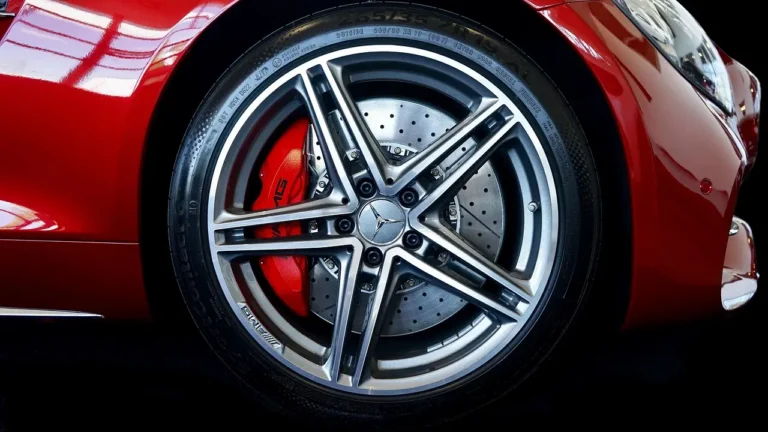
Tire dressing is a topical product for tire sidewalls, not tread. It is sold as a spray, gel, or cream, and many formulas include gloss enhancers or UV inhibitors. Its main job is cosmetic, with a secondary role as a light protective layer against sun, ozone, and surface grime.
The sidewall is the only place dressing belongs. It should not be coated onto the tread, where it can reduce grip and may create a slick film. Clean rubber also matters here: old residue, road film, and dust can keep a new coat from spreading evenly.
Sidewall-only use
The sidewall is exposed to UV and ozone, so it is the target surface for dressing. It is also the surface most people see, which is why the finish matters so much. If product reaches the tread, wipe it off before driving.
Common formats
Sprays are quick to apply, gels spread more slowly, and creams sit somewhere between the two. Water-based dressings are often the easiest choice for low odor and easier cleanup. Solvent-based formulas can create a deeper shine and a more durable look, but they usually smell stronger.
What tire dressing does to tires
Tire dressing darkens the sidewall, changes the gloss level, and can leave a thin barrier that helps repel some dirt. It can also help shield tires from UV rays, ozone, and dirt. What it cannot do is repair cracked rubber, restore worn tread, or fix structural damage.
Think of the effect in mechanical terms: it is a surface film. That film can slow fading and reduce how quickly grime sticks, but it does not rebuild the tire. UV inhibitors may reduce environmental wear, yet they are not a guarantee against cracking or age-related failure.
Appearance versus protection
The visible result is the easiest part to notice. A satin finish keeps the sidewall low-gloss, while a wetter formula reflects more light. Protection is less dramatic and usually limited to the surface layer, where it can reduce immediate drying and dirt adhesion.
A common first-timer mistake is expecting dressing to make an old, weather-checked sidewall look like new rubber. It may darken the color and mute chalkiness, but it will not erase checking or fix hardening.
Tire dressing vs tire shine
The terms overlap. Tire dressing, tire shine, and tire protectant are often used for the same category of sidewall product. In practice, “tire shine” usually describes the finish you get, while “tire dressing” points to the product and “tire protectant” points to the protective claim.
That label difference matters because the same product family can land on different ends of the finish spectrum. Some formulas are built for a satin result, while others are aimed at a glossy look. Read the finish description, the cleanup notes, and whether the product is meant for sidewalls only.
How to read labels
Look for finish words first: natural, satin, gloss, or wet look. Then check the cleanup claim and the application method. If a label promises easy spray use but also a deep shine, it may need a more careful wipe-down to avoid excess on wheels.
Tire dressing decision matrix
This one-page matrix helps you compare formula types by what matters most in real use: appearance, UV protection, sling risk, cleanup effort, and the best use case. It is not a product ranking. It is a fit check for your driving habits and cleanup tolerance.
| Formula | Appearance | UV protection | Sling risk | Cleanup effort | Best use case |
|---|---|---|---|---|---|
| Water-based | Clean satin to moderate gloss | Moderate, when UV inhibitors are included | Lower when applied thinly | Low; easier wipe-up | Daily drivers, frequent reapplication, low odor preference |
| Solvent-based | Deeper, wetter shine | Moderate to good, formula-dependent | Higher if overapplied | Medium; residue can cling more | Owners who want stronger gloss and accept more cleanup |
| Gel | Controlled, usually more even | Moderate, depending on formula | Lower when spread carefully | Low to medium | Users who want precise placement on sidewalls |
| Hybrid | Balanced satin-to-gloss finish | Moderate, depending on additives | Moderate, usually easier to control than deep-shine solvents | Low to medium | Daily drivers that need a middle ground between shine and cleanup |
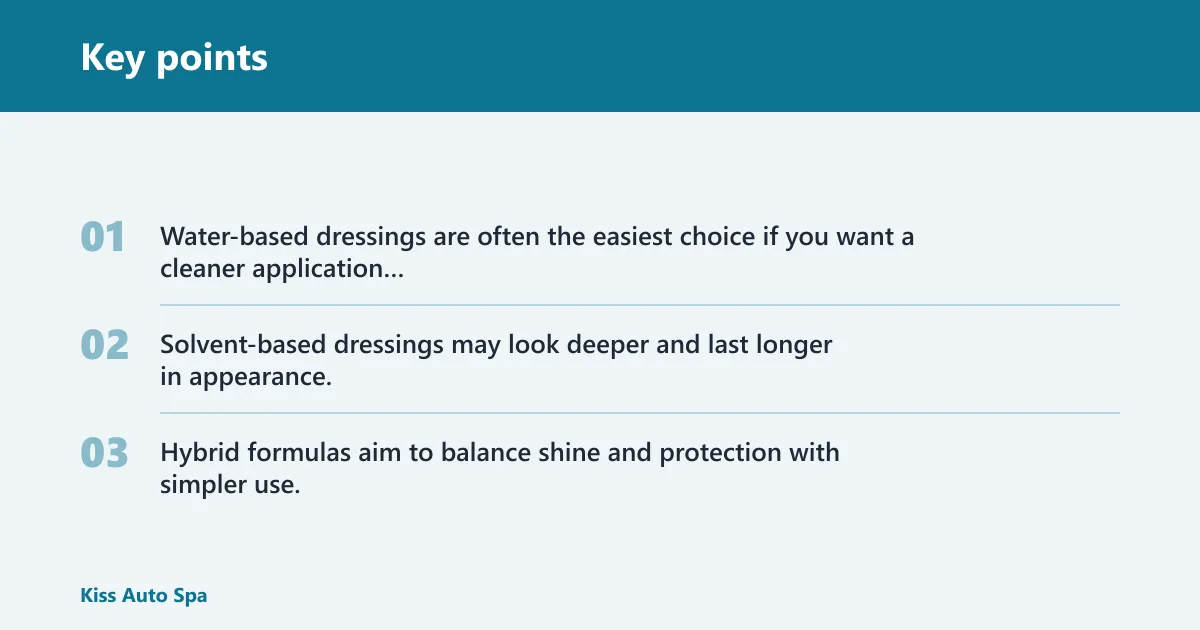
Water-based dressings are often the easiest choice if you want a cleaner application cycle and less odor. Solvent-based dressings may look deeper and last longer in appearance, but they can also stain some wheels or tires if overapplied. Hybrid formulas aim to balance shine and protection with simpler use.
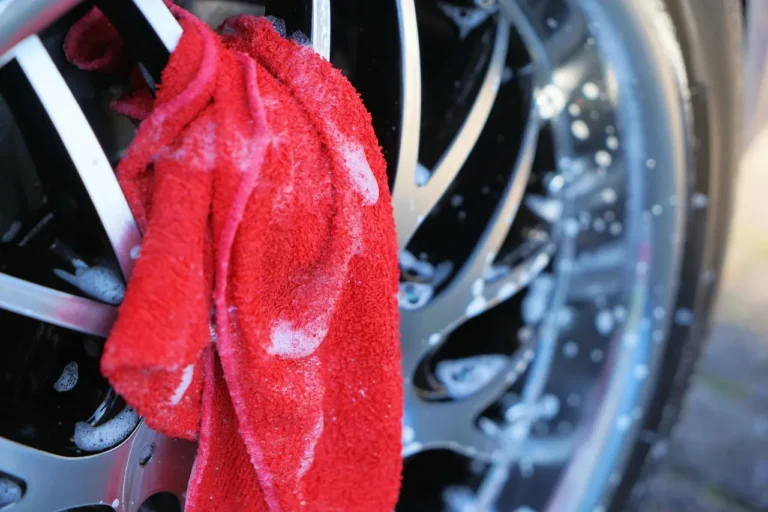
Correct application starts with a clean, dry sidewall. Use soap and water or a dedicated tire cleaner to remove dirt and old dressing first. A microfiber applicator or lint-free cloth gives you better control than pouring or spraying straight at the tire.
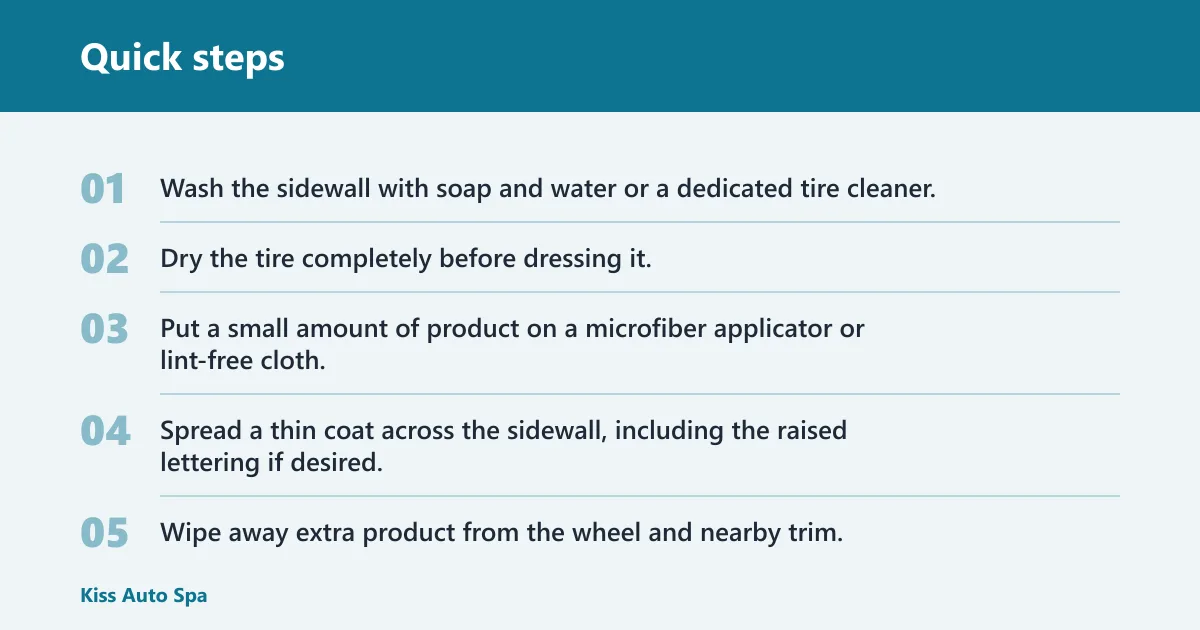
Apply a thin, even coat across the sidewall. Work around the sidewall in small sections and wipe off any excess from the wheel face or trim right away. Keep the product away from the tread. That boundary is important for safety and for a cleaner finish.
- Wash the sidewall with soap and water or a dedicated tire cleaner.
- Dry the tire completely before dressing it.
- Put a small amount of product on a microfiber applicator or lint-free cloth.
- Spread a thin coat across the sidewall, including the raised lettering if desired.
- Wipe away extra product from the wheel and nearby trim.
- Let the finish set before driving.
Say your sedan sits outside and you want a satin look for the work week. A thin coat of water-based dressing on clean sidewalls is a better fit than a heavy solvent layer, because the first option is easier to control and less likely to leave a slippery film on nearby surfaces.
Can tire dressing damage tires or cause sling?

Tire dressing can cause sling when too much product remains on the surface and the tire flexes at speed. The force throws excess dressing onto fenders, doors, and wheels. Some dressings can leave a slippery surface and attract more dirt, which makes the problem worse over time.
Old residue is part of the issue. If you keep adding new product on top of spent dressing, buildup can become uneven and sticky. That layer can hold dust, look blotchy, and increase the chance of sling after the next drive.
Why sling happens
Sling usually comes from overapplication, not from the product existing at all. The cure is controlled use: a small amount, spread evenly, with extra wiped off before the car moves. Water-based formulas are often lower in sling risk, while stronger solvent-based products can fling more if left heavy.
When old dressing should come off
If the sidewall looks streaked, brown, or patchy after a fresh application, remove the old layer before reapplying. A dedicated tire cleaner helps break down residue better than a quick wipe. Clean rubber gives the new dressing a smoother bond and a more even finish.
How long tire dressing lasts
Durability depends on formula, weather, mileage, and how often the tire flexes and gets washed. A light finish on a daily driver may fade faster than a heavier gloss product, especially in rain or heat. UV inhibitors can help, but they do not stop wear completely.
Daily drivers need a different balance than weekend cars. If you drive often, road spray and brake dust will shorten the visible life of the finish. If you prefer low cleanup effort, a water-based or hybrid formula usually makes more sense than a heavy shine product.
Suppose a crossover sits in sun five days a week and sees highway use. A product that looks good for two or three weeks may still be the practical choice if it wipes on cleanly and does not leave much residue; a longer-lasting shine is less useful if cleanup becomes annoying.
What changes reapplication timing
Heat, rain, dust, and frequent washing all shorten the look of a dressing. If the sidewalls turn dull or uneven before the next wash cycle, the finish has started to break down. Reapply only after cleaning away the old layer, not on top of it.
Frequently asked questions
What is tire dressing?
Tire dressing is a topical product applied to the tire sidewall to improve appearance and add limited protection. It is sold as a spray, gel, or cream, and it is also called tire shine or tire protectant. It belongs on the sidewall, not the tread.
Is tire dressing necessary?
No, tire dressing is not necessary for tire safety or performance. It is a cosmetic and light protective product. If you want a clean, darker sidewall and a bit of help against UV, ozone, and dirt, it can be useful. If you want zero upkeep, you can skip it.
Is tire dressing good for tires?
It can be good for the sidewall when used correctly and in moderation. It helps the tire look cleaner, may slow fading, and can offer surface protection against sun and grime. It is not a repair product, and it will not fix cracking or worn rubber.
Does tire dressing protect against UV damage?
Some formulas include UV inhibitors that help reduce fading and surface drying. That is useful, especially for vehicles parked outside. But protection is limited, and it should not be treated as a guarantee against cracking, ozone aging, or long-term rubber breakdown.
How do you apply tire dressing correctly?
Clean the sidewall first with soap and water or a dedicated tire cleaner, then dry it. Use a microfiber applicator or lint-free cloth, apply a thin coat, and keep the product off the tread and wheel face. Thin application lowers sling and makes the finish more even.
What type of tire dressing is best for a daily driver?
For most daily drivers, water-based or hybrid dressings are the easiest fit because they usually have lower odor, simpler cleanup, and less sling when applied lightly. If you want a deep glossy look, solvent-based options can work, but they usually demand more cleanup and control.