What Is Brake Dust and What Creates It?
Brake dust is the dark powder from brake pad and rotor wear, mixed with fine metal and carbon particles; some buildup is normal, but heavy, oily, or one-sided dust can signal a brake problem. Ignore the wrong pattern, and you can miss pad wear, a sticking caliper, or rotor damage until stopping performance drops and repairs cost more. This guide explains why brake dust appears, how to clean it safely, and how to spot normal dust versus warning-sign dust by color, location, and wear pattern.
What brake dust
Brake dust is a normal result of friction braking. Most of it comes from brake pad material, with some contribution from rotor wear, so the powder on a wheel is usually a mix of pad debris, metal particles, and carbon residue. On wheels, it often looks dark gray or black, and after water exposure it can leave small rust-coloured spots.
That makes brake dust a maintenance issue, not an automatic defect. It becomes a concern when the amount, location, or texture changes in a way that points to uneven wear, moisture bonding, or a brake component that is not moving correctly.
What it is made
Brake pad friction material is the main dust source. The compound type matters because organic, semi-metallic, and ceramic pads shed different amounts of visible debris. Rotor surfaces also shed fine iron or metal particles during normal use, so dust is not a single substance; it is a mix created by braking contact.
Brake dust can also cling to wheel coatings and painted surfaces, which is why the same amount may look heavier on one wheel finish than another. Harsh cleaners can damage those coatings and make later buildup stick more easily.
What creates brake dust?
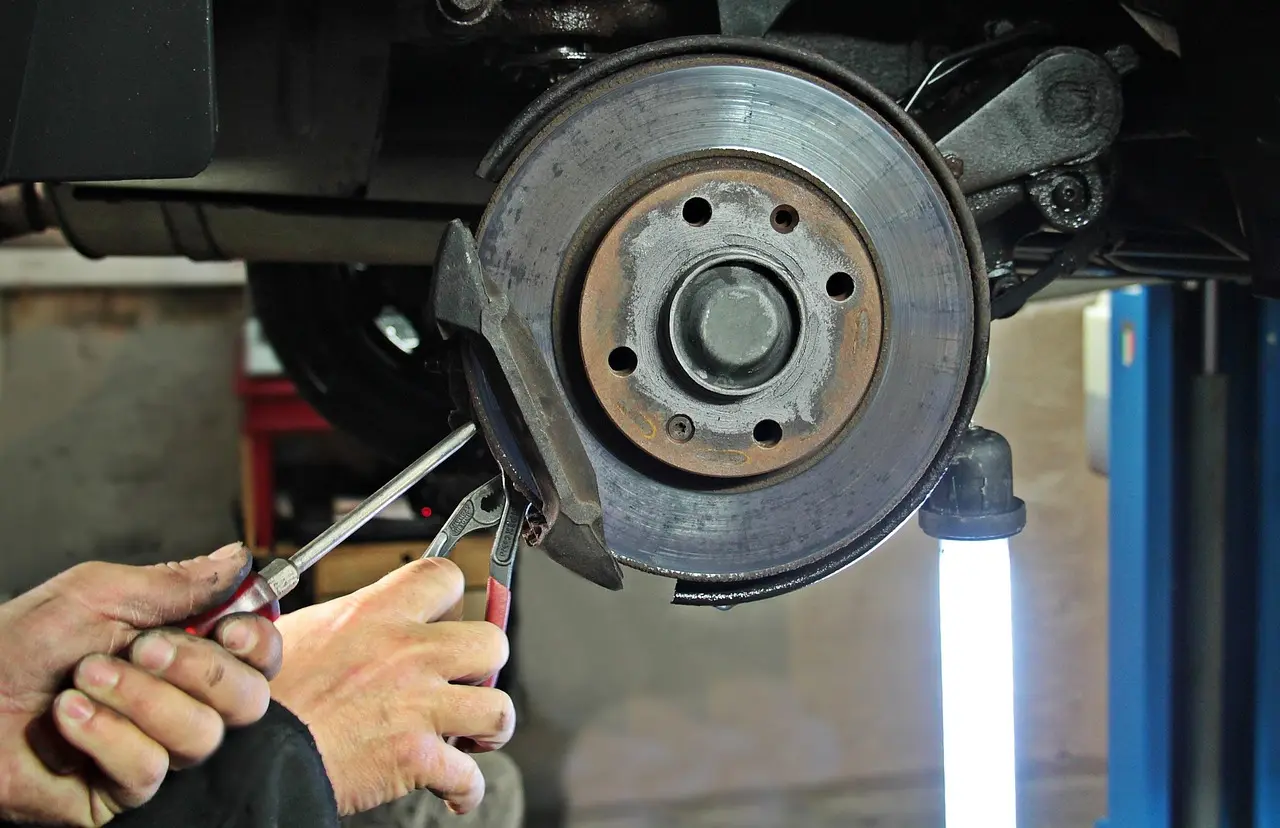
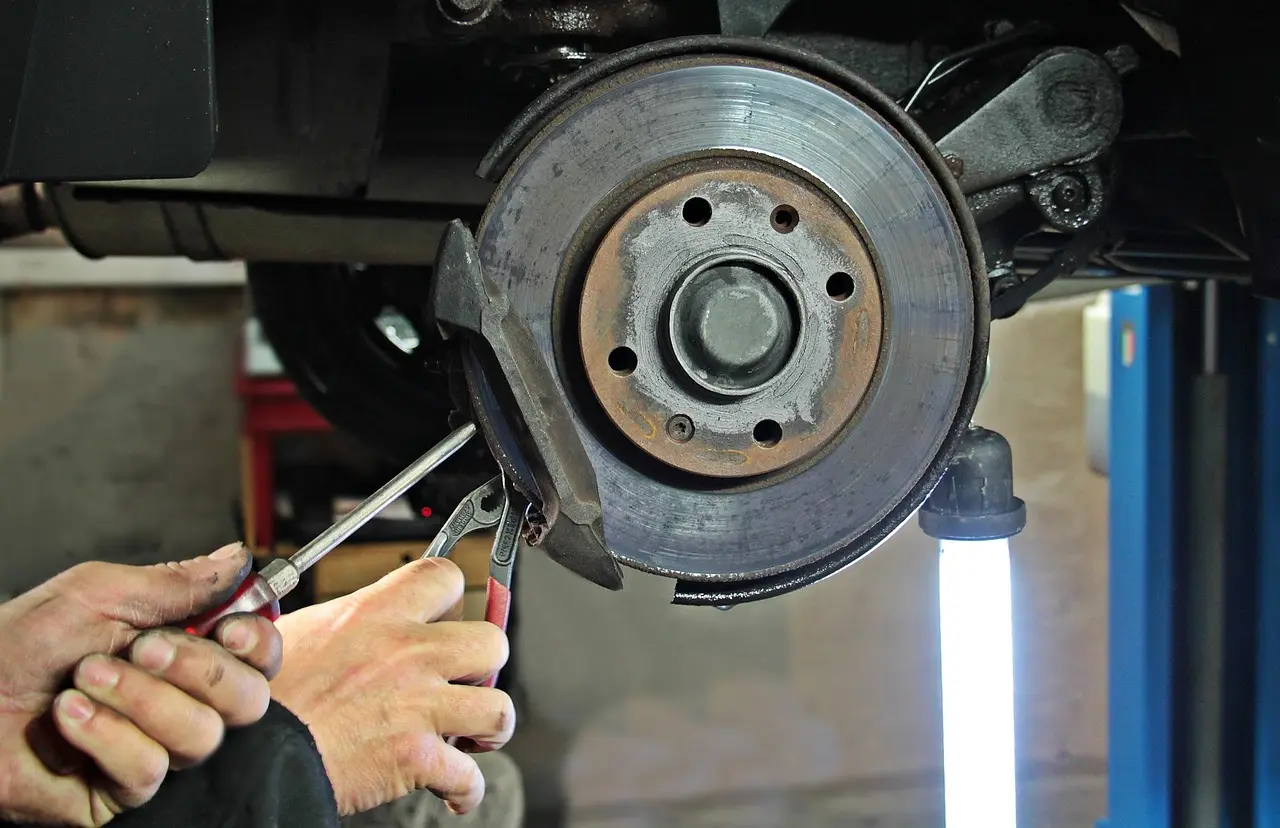
Brake dust forms when the caliper clamps the pads against the rotor and friction removes small pieces from both surfaces. That wear debris leaves the brake system as fine powder. More heat, more load, and more friction mean more dust.
Pad friction material and compound type
Pad compound is the biggest factor in dust amount and appearance. Ceramic pads usually make the least visible brake dust. Organic pads are moderate to high dust producers, low-metallic organic pads are high dust producers, and semi-metallic pads are moderate to high dust producers. Performance or racing compounds are high to very high dust producers.
The visible result varies too. Dust may range from light gray to dark brown depending on pad composition and driving conditions. Cleaner-looking wheels do not mean the pads are untouched; they usually mean the compound sheds less visible material.
Rotor wear and metal particles
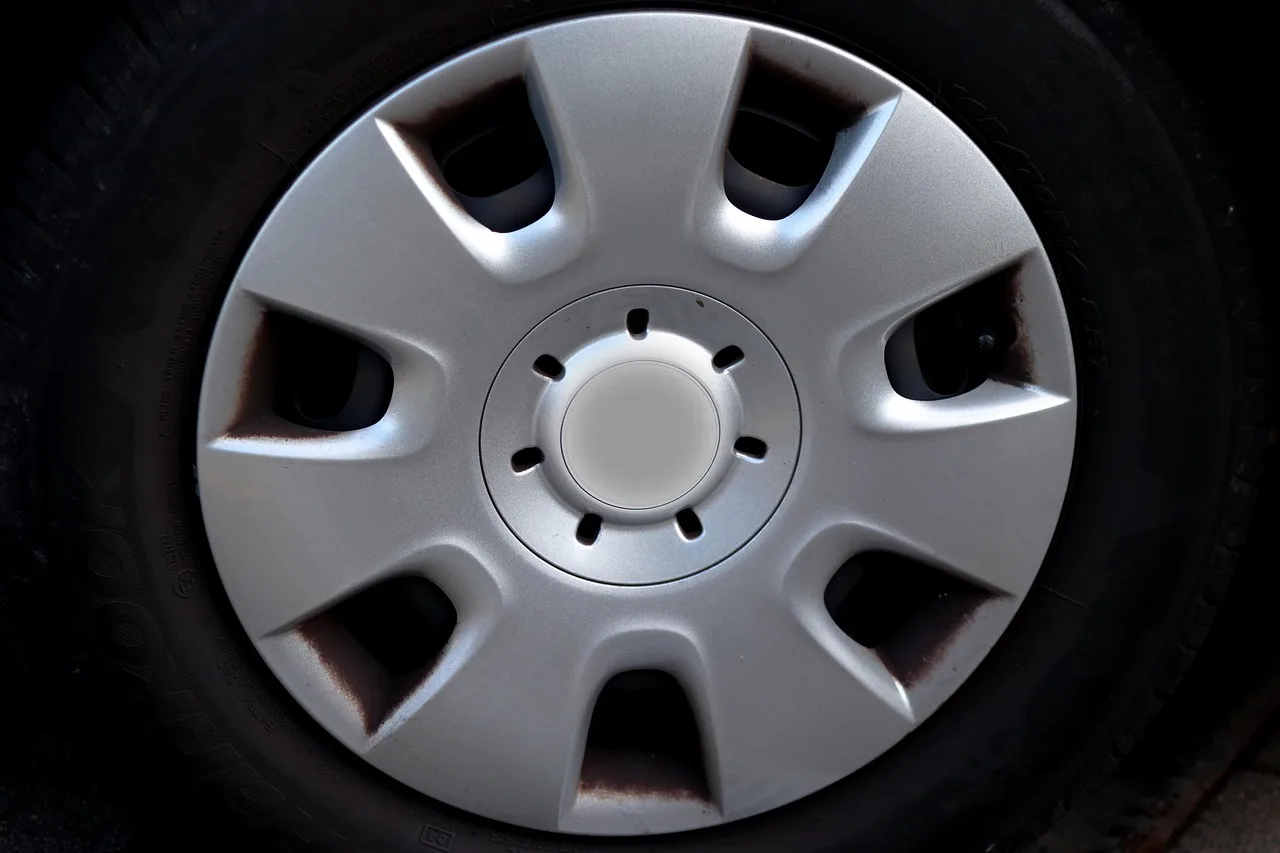
Brake rotors contribute metal particles as they wear. That extra debris can make dust feel gritty and can add a rust-like color after moisture exposure. Rotor rust on the surface can also be mistaken for brake dust after rain, washing, or winter road spray.
That distinction matters. Rotor rust often appears more reddish-brown and may show up after sitting, while brake dust tends to collect where pad debris lands and where airflow carries it, usually on the wheel face and around spoke edges.
Caliper clamping and uneven wear
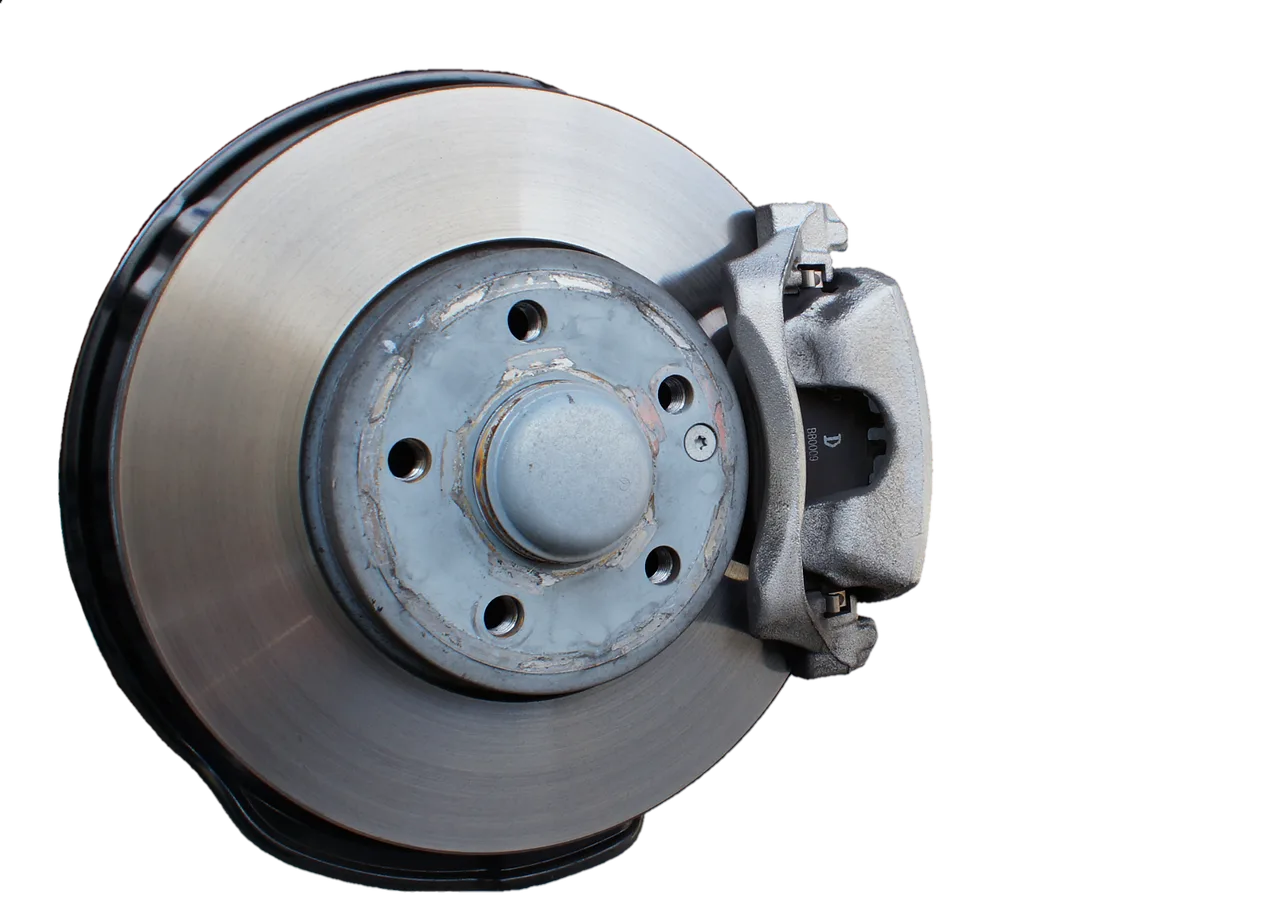
Brake calipers create the clamping force that turns foot pressure into stopping power. If a caliper sticks, seizes, or returns slowly, one pad can drag against the rotor and shed extra material. Improper retraction can also create uneven pad wear and dust that is heavier on one wheel than the others.
That is commonly treated as a warning pattern. A single wheel that stays much dirtier than the others, especially with heat or a smell after driving, deserves attention.
Why front wheels get more dust
Front wheels usually collect more dust because the front axle does more braking work. Front braking bias means the front brakes may provide approximately 60% to 75% of total braking force, while the rear brakes may handle only 25% to 40%. Weight transfer during braking adds load to the front axle, so those wheels work harder and wear faster.
This is normal on most passenger vehicles. A cleaner rear wheel and a dirtier front wheel is expected, especially after city driving. Equal dust on all four wheels is less common than people assume.
How to tell normal front dust from a problem
Normal front dust is usually similar from left to right and appears after repeated braking. A problem becomes more likely when one front wheel is noticeably darker, hotter, or noisier than the other, or when the vehicle pulls during braking.
Say your front wheels are both dusty after a week of commuting, but the left front is coated while the right front is only lightly marked. That left-to-right difference is more useful than the overall amount, because it can point to a sticking caliper or uneven pad wear.
Which brake pads make the least dust?
Ceramic pads usually make the least visible dust. They are often chosen by drivers who want a cleaner wheel appearance, though they can cost more than other compounds. They do not eliminate dust entirely; they usually reduce visible dust compared with more abrasive compounds.
Ceramic pads
Ceramic pads are the best fit for many daily drivers who want less visible dust. They typically leave a lighter-colored residue and keep wheels cleaner for longer between washes. That said, they are still a wear item, so some dust remains expected.
Semi-metallic pads
Semi-metallic pads are durable and heat-tolerant, which makes them common in heavier-duty or harder-working brake systems. They often dust more than ceramic pads and may be noisier. If you tow, drive mountain roads, or brake hard often, that tradeoff may be part of the pad choice.
Organic pads
Organic pads use softer friction material. They can wear faster and often produce visible dark dust. Some drivers like their quieter feel, but the dust output is usually more obvious on light-colored wheels.
What makes brake dust worse?
Driving conditions can raise dust output even when the brakes are healthy. Stop-and-go traffic increases brake application count, aggressive braking increases heat and wear, and hills or towing raise the load on the system. Winter use can also make dust look worse because moisture, salt, and road film help it stick.
Daily commuting
Frequent braking or stop-and-go traffic can accelerate brake pad wear and increase dust production. That does not mean the brakes are failing. It often means the vehicle is doing many low-speed stops that create more fine debris than steady highway driving.
Performance, towing, and winter use
These are different scenarios. Performance driving and hard braking create more heat and more dust because the pads work harder. Towing and hilly routes load the brakes for longer periods. Winter salt and slush can hold dust on the wheel surface and make the buildup look heavier than it really is.
Suppose a crossover starts leaving dark dust on the front wheels after a week of towing a small trailer through hilly roads. That pattern fits load and heat, not necessarily a fault. If the same dust suddenly becomes one-sided or comes with smoke or pulling, the diagnosis changes.
Normal dust or brake problem?
Use this checklist to separate ordinary brake dust from a condition worth inspecting. Answer each item with yes or no, then follow the result at the end. It is meant for a quick owner check, not a replacement for a brake inspection.
| Check | Yes / No |
|---|---|
| Is the dust mainly on the front wheels? | Yes / No |
| Do both wheels on the same axle look similarly dusty? | Yes / No |
| Is the dust dry and powdery rather than oily? | Yes / No |
| Is there no grinding, squealing, or scraping noise? | Yes / No |
| Does the vehicle stop straight without pulling? | Yes / No |
| Is there no steering wheel or pedal vibration during braking? | Yes / No |
| Are the brake pads not near their service limit? | Yes / No |
| Was the recent weather wet, salty, or slushy? | Yes / No |
| Has the car been doing stop-and-go, hills, or towing lately? | Yes / No |
| Have the wheels not been cleaned in several weeks? | Yes / No |
| Result: more yes answers across the normal-use items with no warning signs | normal |
| Result: one or two warning signs, but no noise, pull, or vibration | monitor |
| Result: one-sided dust plus noise, pull, vibration, or a hot wheel | inspect now |
How to read the result
Normal means the dust pattern fits ordinary brake wear and your driving conditions. Monitor means the pattern is not urgent, but you should watch for changes at the next wash or brake check. Inspect now means a caliper, pad, or rotor issue could be creating uneven wear.
Heavy dust after rain is not the same as heavy dust after a pulling sensation. The first points to dirt, moisture, and pad wear; the second points to a brake fault until proven otherwise.
Use a pH-balanced or non-acidic wheel cleaner on cool wheels only. Hot wheels can flash-dry cleaner and leave marks. Use a pH-balanced or non-acidic wheel cleaner, a soft brush, and a thorough rinse. That sequence removes dust without grinding grit into the finish or damaging coatings.
Safe cleaning steps
- Let the wheels cool completely.
- Rinse loose grit off first.
- Apply a pH-balanced or non-acidic wheel cleaner.
- Agitate with a soft brush, especially around spokes and lug areas.
- Rinse thoroughly so residue does not dry on the wheel.
- Dry with a clean microfiber towel if needed.
Wheel finish and coating risk
Wheel finish changes how much dust sticks and how hard it is to remove. Painted, clear-coated, polished, and coated wheels all react differently, and harsh cleaners can damage that surface. If the finish is delicate, choose a wheel-safe cleaner and avoid aggressive scrubbing.
A common first-timer mistake is spraying strong cleaner on a warm wheel and letting it sit too long. That can etch the finish, especially on coated or polished wheels, and it can make future dust cling even more tightly.
Is brake dust harmful?
Brake dust is mainly a nuisance, but it is still smart to avoid breathing heavy clouds of it during cleanup. The practical concern is maintenance: heavy dust can hide pad wear, rotor issues, or a sticking caliper. For routine washing, keep the dust out of your eyes and off your skin as much as possible.
Some jurisdictions have encouraged low-dust or copper-free brake pad formulations, which reflects both environmental and service concerns. That is useful context, but it does not change the main ownership rule: normal dust is expected, while unusual dust patterns need a brake check.
Frequently asked questions
What is brake dust?
Brake dust is the powder created when brake pads and rotors wear during normal stopping. It usually looks dark gray or black on wheels, and some of it can turn rust-coloured after water exposure. A certain amount is expected on every friction-brake vehicle.
What causes brake dust on wheels?
Brake dust on wheels comes mostly from pad friction material, with added particles from rotor wear and metal transfer. Front wheels usually collect more because they do more braking work. Driving style, pad compound, and weather determine how much dust becomes visible.
Is brake dust normal?
Yes. Brake dust is a common upkeep issue and a normal result of braking. The key is pattern and behavior: even dust on the front wheels is usually normal, while one-sided buildup, oily residue, noise, pull, or vibration can point to a problem.
What causes excessive brake dust?
Excessive brake dust is usually tied to a more aggressive pad compound, frequent stop-and-go braking, hard use on hills or while towing, or a brake component that is dragging. A sticking caliper or uneven pad wear can make one wheel dust much faster than the others.
How do I clean brake dust safely?
Wait until the wheels are cool, use a pH-balanced or non-acidic wheel cleaner, and work with a soft brush. Rinse thoroughly and avoid harsh scrubbing on delicate finishes. That approach removes buildup without damaging coatings or baking cleaner onto the wheel.
What brake pads produce the least dust?
Ceramic pads usually produce the least visible brake dust. They are commonly chosen for cleaner wheel appearance, though they do not eliminate dust entirely. Semi-metallic and organic pads tend to create more visible residue, especially under hard or frequent braking.