What Should Be in a Car Detailing Brushes Kit?
A first car detailing brush kit should be built by surface, not by price. Start with tools for delicate exterior trim, interior dusting, wheel access, and tight crevices. That keeps you from using one brush everywhere, which is how trim gets scratched, piano black gets hazed, and money gets spent on duplicates.
What belongs in a first detailing brush kit?
A sensible starter kit covers four jobs: gentle exterior touch points, interior dust and seams, wheel barrels and lug areas, and crevices that need a tip instead of full bristles. Leave specialty tools for later unless you already clean carpets, tires, or heavy wheel grime often.
| Kit tier | Buy this first priority | Brush type | Ideal surface | Bristle softness | Size range | Safe for piano black? | Safe for wheels? | One mistake to avoid |
|---|---|---|---|---|---|---|---|---|
| Bare minimum | 1 | Soft interior detailing brush | Vents, seams, buttons, dusting | Soft synthetic | Small, about 1 to 1.5 in head width | Yes, with light pressure | No | Dry scrubbing piano black or using it on dirty wheel surfaces |
| Bare minimum | 2 | Boar’s hair detailing brush | Badges, emblems, grilles | Soft natural bristles | Small to medium, about 1.25 to 2.5 in | No | No | Pressing hard on paint or textured trim |
| Bare minimum | 3 | Detailing swabs | Crevices, vent fins, narrow trim gaps | Foam or microfiber tip | Very small tip, often sold in packs | Yes | No | Forcing a swab where a larger brush should not fit |
| Balanced | 4 | Exterior trim brush | Textured plastic, emblems, exterior trim | Medium-soft synthetic or natural blend | Medium, about 1.5 to 2.5 in | No | No | Using an aggressive shedding brush on trim |
| Balanced | 5 | Wheel brush | Barrels and lug areas | Soft to medium, depending on design | Long handle or bent head, often 9 to 20 in overall | No | Yes | Taking it onto paint because it fits through tight spaces |
| Expanded | 6 | Drill brush attachment | Carpets, mats, tires | Medium to stiff | Commonly 2 to 4 in heads | No | Limited, for tire sidewalls only with caution | Using it on seats, trim, or painted panels |
That table is the shortest path to a usable kit. It also shows why “one universal brush” is a bad buy: the right tool for an emblem is too small for a wheel barrel, and the right wheel tool is usually too aggressive for piano black trim.
Which brush goes on each surface?
Match the brush to the part of the car. Boar’s hair belongs on badges, emblems, and grilles. Soft synthetic brushes belong on vents, seams, and buttons. Exterior trim brushes fit textured plastic. Detailing swabs fill the gap where bristles are too bulky.
Boar’s hair for badges, emblems, and grilles
Boar’s hair detailing brushes use soft natural bristles and are best for delicate exterior touch points. They come in multiple sizes, which matters because a small emblem needs control while a larger grille opening needs reach. The value here is cleaning around raised edges without forcing stiff fibers against paint.
Use the smallest size that reaches the gap cleanly. A large boar’s hair brush can fold against a tight badge and push grime into seams instead of lifting it out.
Soft synthetic brushes for vents, seams, and buttons
Synthetic detailing brushes are the better interior all-rounder. They are chemical-resistant, less absorbent than natural hair, and commonly sold in soft, medium, and stiff grades. For most DIY kits, the soft grade is the one to buy first for vents, buttons, and stitched seams.
Keep medium and stiff grades for more durable work such as carpet edges or heavily textured plastic, not glossy trim. Interior dusting should move particles away, not grind them into the surface.
Exterior trim brushes for textured plastic
An exterior trim brush is the right choice for textured plastic and some emblems. Look for medium-soft bristles and a brush that does not shed aggressively. That combination matters because loose bristles and hard tips can leave marks on trim or leave fibers stuck in creases.
These brushes clean textured plastic well with all-purpose cleaner when the cleaner is safe for the surface, and you rinse the brush after use. They are for texture, not for clear coat paint.
Detaching dirt from tight crevices
Detailing swabs are for the gaps that bristles miss: vent fins, tiny trim joints, badge corners, and switch edges. Microfiber or foam tips reach where a brush head would be too wide. They are often sold in packs because they pick up residue quickly and are easier to dedicate to one zone.
Suppose dust collects around climate-control buttons with a 3 mm gap around each edge. A soft brush may move dust around the face of the panel, while a swab can clean the edge without dragging debris across the gloss.
Are detailing brushes safe for piano black trim?
Yes, but only the softest interior brush used lightly. Piano black is commonly reported to show haze and micro-scratches quickly, so the brush should be soft, clean, and used with a lubricated surface. Stiff bristles and dry scrubbing are the two mistakes most likely to leave visible marks.
Use the softest brush and light pressure
Choose the softest interior detailing brush you own, not the stiffest one that still “works.” Short, gentle passes are safer than repeated hard strokes. If the panel is dusty, lift loose dirt first so the brush does not drag grit across the gloss.
A common first-timer mistake is grabbing a medium-bristle brush because it looks more effective. On piano black, that usually means more visible wipe marks, not better cleaning.
Keep the surface lubricated
Use a suitable interior cleaner or detail spray so the brush is not moving across a dry surface. The goal is to release dust and light grime with the least friction possible. If the panel feels grabby, stop and add lubrication before continuing.
Do not use a stiff brush on piano black, even briefly. The finish can look dull long before any damage becomes obvious under bright light.
Which brush sizes do you actually need?
Size should match access. Small brushes are for vents, seams, buttons, and tiny crevices. Medium brushes handle trim and emblems. Larger brushes are for grilles and wheel areas where a bigger head covers more ground without constant repositioning.
Small brushes for vents, seams, and buttons
For small crevices, buy brushes with a compact head, usually around 1 to 1.5 inches across, or use swabs when the opening is even tighter. Small tools matter because oversized bristles push dirt farther into a gap or block access to the surface you are trying to clean.
Medium brushes for trim and emblems
Medium brushes, roughly 1.5 to 2.5 inches, suit exterior trim, badges, and many interior panels. They are broad enough to move dust efficiently but still controlled enough for shaped surfaces. This is the size range that earns the most use in a first kit.
Larger brushes for grilles and wheel areas
Larger brushes work where the part is open and the risk is lower, such as grille sections and wheel barrels. Long handles or bent heads help you reach around spokes and into barrel areas. Bigger is not better on paint. It is only better when the surface can tolerate the coverage.
When should you use a wheel brush or drill brush?
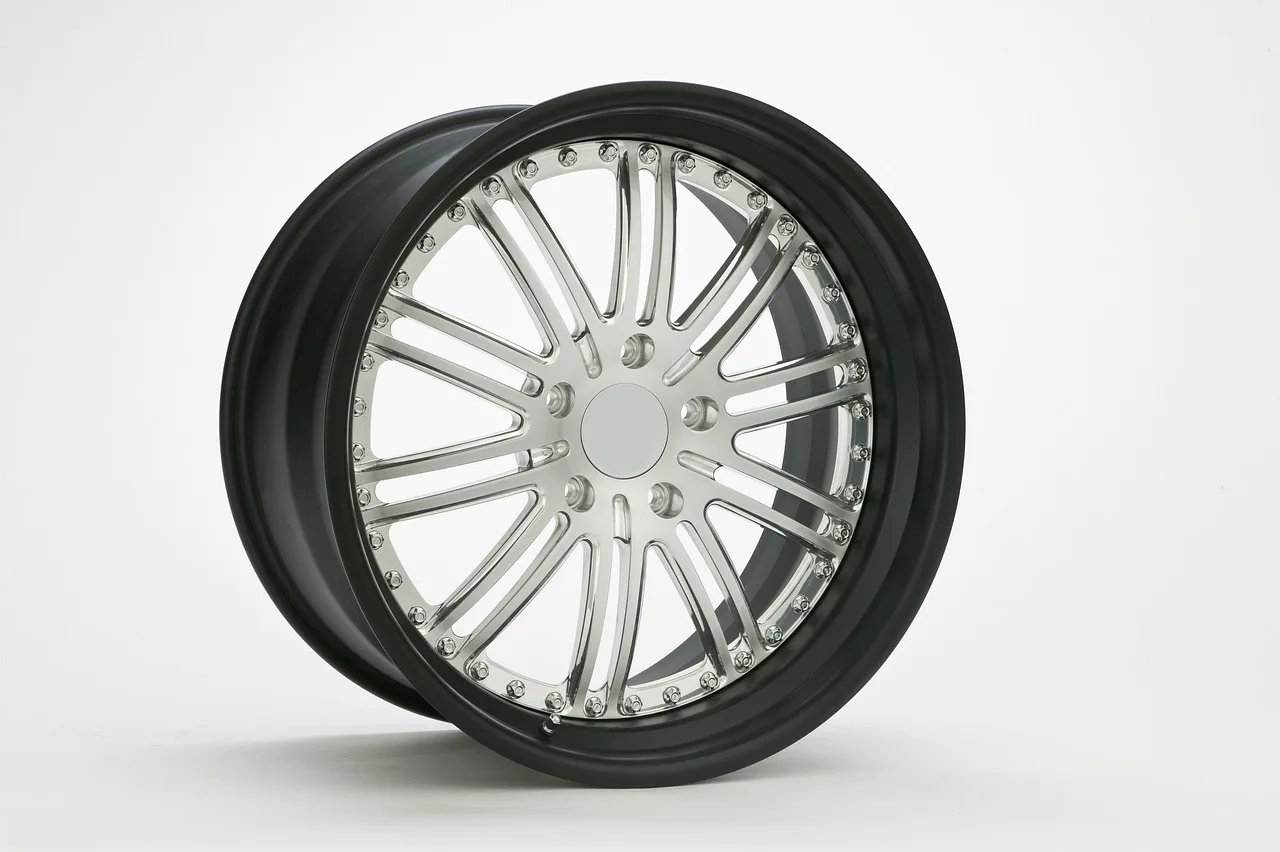
Use a wheel brush for barrels and lug areas, where reach matters and brake dust builds up. Use a drill brush attachment for carpets, mats, and tires only, and treat it as a powered scrub tool with higher abrasion risk. It is not a hand-brush replacement.
Wheel brush for barrels and lug areas
Wheel brushes are built with a long handle or bent head to fit barrel spaces and lug recesses. They are designed for brake dust removal and are often flagged as not paint-safe. That warning should be taken literally, because wheel access and paint safety are different problems.
Keep the wheel brush in the wheel bucket. If it touches painted panels, it can transfer abrasive residue from the wheel area to the finish.
Drill brush attachment for carpets, mats, and tires
Drill brush attachments spin with a powered drill and are generally best reserved for carpets, floor mats, and tire sidewalls. The rotating action speeds up agitation, but it also raises abrasion risk. They can be useful where fabric or rubber can tolerate heavier scrubbing.
Why drill brushes are not a hand-brush replacement
They are not a substitute for hand brushes because speed and control are not the same thing. A drill brush can be too aggressive for seams, buttons, trim, or painted surfaces. If you want a safer result on delicate parts, stay with hand tools.
How do you clean and store detailing brushes?
Clean brushes after use with brush cleaning soap or APC, then rinse fully. Separate interior and wheel tools so brake dust does not migrate into the cabin. Dry bristles completely and store them so the tips do not bend or stay damp.
- Rinse loose dirt out of the bristles immediately after use.
- Wash the brush with brush cleaning soap or a diluted APC appropriate for the brush material.
- Work the cleaner through the fibers until residue is gone.
- Rinse thoroughly so no cleaner remains in the bristles.
- Shake out excess water and dry the brush completely.
- Store it hanging bristles downward or laid flat so the tips do not deform.
Cross-contamination is the problem most people miss. A wheel brush carries brake dust, grit, and cleaner residue. That is not something you want near vents, piano black trim, or buttons.
Hang bristles downward if the handle design allows it. If not, lay the brush flat in a dry spot. Either way, avoid sealing damp bristles in a closed bin, where mildew and odor can develop and the fibers can take a permanent bend.
Frequently asked questions
What are the best detailing brushes?
The best detailing brushes are the ones matched to the job. For a first kit, that usually means a soft boar’s hair brush for emblems and grilles, a soft synthetic interior brush for vents and seams, a wheel brush for barrels, and detailing swabs for tight crevices. Size and stiffness matter as much as shape.
Should I use a brush to wash my car?
Use a brush only where the surface and brush type match. Brushes are useful for emblems, grilles, trim, wheels, and interiors, but a random brush on paint can leave marks if it carries grit or has stiff bristles. For paint, use tools meant for contact washing rather than a detailing brush.
What size detailing brush do you need for small crevices?
For small crevices, use the smallest brush that still reaches the area cleanly, usually around 1 to 1.5 inches across, or switch to a detailing swab if the gap is tighter. Oversized bristles are more likely to miss the spot or push dirt deeper into the seam.
Can you use detailing brushes on piano black trim safely?
Yes, but only with the softest interior brush, very light pressure, and a lubricated surface. Avoid stiff bristles and dry scrubbing. If the trim is already dusty, remove loose grit first so the brush does not drag particles across the gloss and leave haze.
Do drill brushes work for car detailing safely?
They work safely only in limited places: carpets, mats, and tires, with caution. A drill brush is more aggressive than a hand brush, so it is not right for paint, piano black trim, or delicate emblems. Use it where powered scrubbing is acceptable and where the material can take the abrasion.