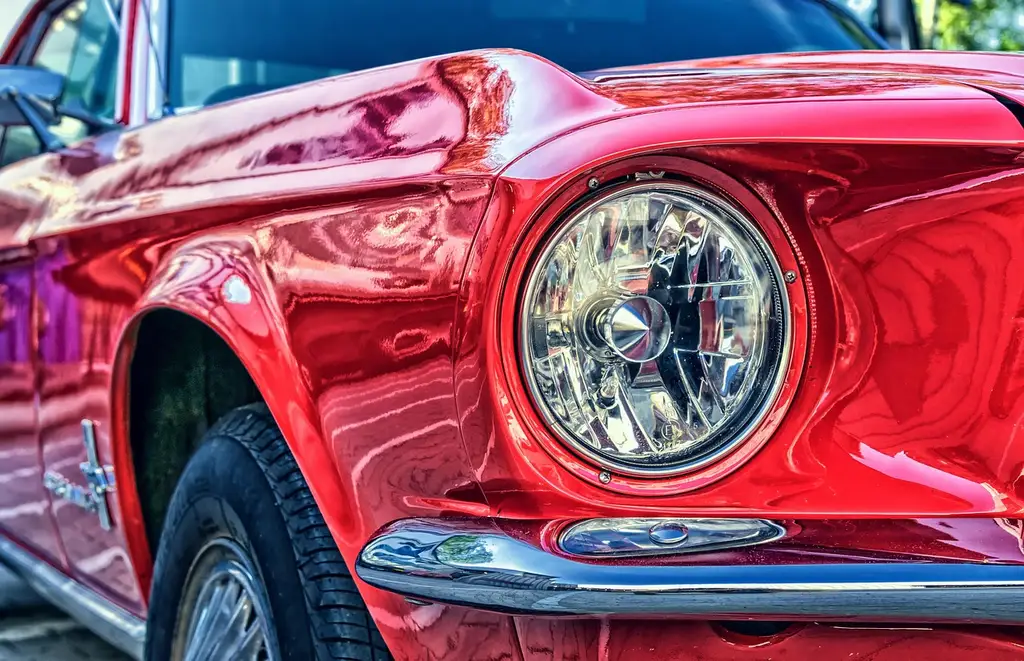
How to Clean Chrome Wheels Without Scratching
Wash chrome wheels with a pH-balanced wheel cleaner, a dedicated soft brush or microfiber wash mitt, and plenty of water. For heavy brake dust, pre-rinse first and use a boar’s-hair brush only on open spokes. Dry rubbing can leave swirls, dull the plating, or create rust on damaged spots. This guide covers safe tool choices, chemical choices, and the cleaning steps for light, medium, and stubborn contamination.
What you’ll need
- Non-acidic wheel cleaner labeled acid-free or pH-neutral
- Soft-bristled wheel brush, with both long-handled and short-handled options if possible
- Clean microfiber towels dedicated to wheel drying
- Bucket of clean water and a separate rinse source
- Wash mitt for large, open areas
- Optional chrome polish for the final finish
- Separate brush or towel for wheel barrels and lug nut holes
Why chrome wheels scratch easily?
Chrome wheels scratch because the finish is highly reflective, so scuffs, haziness, pitting, and peeling show up fast. Chrome rims are usually electroplated with a thin layer over steel or aluminum, and that plated surface can be marked by the wrong brush, towel, or cleaner. Brake dust adds abrasive grit made of carbon, metal shavings, adhesive, and iron particles.
Chrome plating and chrome-look finishes are not the same
Not every shiny wheel is true chrome. Some wheels are chrome-plated, while others are chrome-look coated finishes that need different care. If the wheel has a plated, mirror-like finish, treat it as delicate. If the wheel has a coated or painted chrome look, avoid aggressive cleaners until the wheel maker’s care guidance is known.
Why brake dust and road grit create swirl risk
Brake dust should be loosened before scrubbing. If dry grit is dragged across the surface, it can leave fine scratches that are easiest to see in bright light. The risk rises around lug nut holes, between spokes, and inside the barrel, where contamination settles and stays packed in place.
When light haze becomes damage
Once chrome looks dull, cloudy, or speckled, the problem may be more than surface dirt. Water spots can sit on top of the finish, but pitting, peeling, and etched marks often need correction beyond a wash. A gentle cleaning step can remove loose contamination; it cannot rebuild missing plating.
Chrome wheel cleaning decision table
Use the least aggressive tool that still reaches the contamination. Longer dwell time is not safer if the cleaner dries on the wheel.
| Contamination level | Safest tool | Cleaner type | Dwell time range | When to stop and seek correction |
|---|---|---|---|---|
| Light dust | Soft microfiber wash mitt or soft-bristled brush | Non-acidic wheel cleaner | 30 to 60 seconds | If the finish looks hazy after rinse and dry |
| Bonded brake dust | Soft-bristled wheel brush with short, gentle passes | Non-acidic wheel cleaner, reapplied after rinse if needed | 60 to 90 seconds | If dark specks remain after two safe rounds |
| Water spots | Microfiber towel plus mild cleaner on the affected area | Non-acidic wheel cleaner | 30 to 45 seconds | If spots feel etched or remain after careful drying and polish |
| Rust specks | Soft brush only after full pre-rinse | Non-acidic wheel cleaner | 45 to 60 seconds | If specks do not lift cleanly, or if pitting is visible |
How do you clean chrome wheels without scratching?
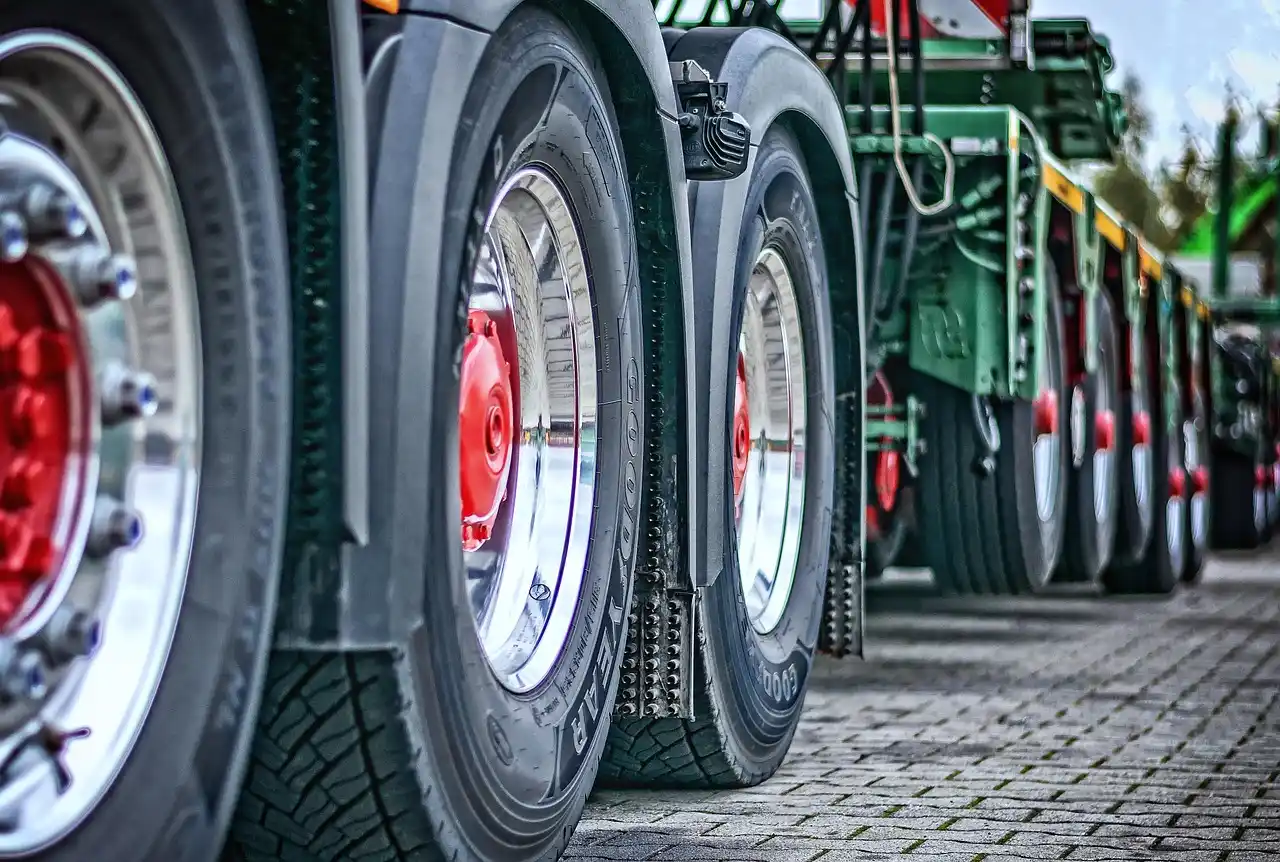
Rinse first, keep the wheel cool, use a non-acidic cleaner, and pick the softest tool that reaches the area. The goal is to loosen brake dust before any scrubbing starts. On chrome, use controlled contact, gentle agitation, a full rinse, and immediate drying with clean microfiber towels.
- Rinse loose grit from the face, spokes, barrel, and lug nut holes.
- Move the car into shade and make sure the wheel is cool to the touch.
- Spray cleaner evenly and let it dwell for 30 to 90 seconds, but do not let it dry.
- Agitate with a soft-bristled brush or microfiber mitt, using the lightest pressure that lifts residue.
- Rinse fully, then dry with clean microfiber towels before moving to the next wheel.
Use the right dwell time
Short dwell time is safer than a long soak that dries on chrome. For light dust, about 30 to 60 seconds is usually enough. For bonded brake dust, about 60 to 90 seconds is often enough for the cleaner to loosen residue without leaving a film behind. If the surface starts to dry, rinse and reapply instead of waiting longer.
Use the softest brush that reaches the area
A soft-bristled wheel brush may be used on the face, spokes, and barrel, and long-handled and short-handled versions both have a place. A long handle helps reach deep barrels. A short handle gives more control around tight spokes and lug nut wells. The brush should flex, not scrape.
Say your front wheel has dark brake dust around the lug nut holes and a glossy face that still looks clear. Start with the wells using a short-handled soft brush, then wipe the face with a microfiber mitt so loosened grit does not move across the visible plating.
How do you clean the barrel and lug holes?
The barrel and lug nut holes trap the hardest-to-see contamination, so they need detail brushing before the face is finished. Use a smaller soft brush, work one section at a time, and rinse after each pass. Keep barrel tools away from painted panels and keep wheel towels separate from body towels.
Work one section at a time
Spray a small section of the barrel, wait for the cleaner to dwell, then brush and rinse before moving on. In lug nut wells, aim the brush straight in and pull debris outward instead of grinding side to side. That reduces the chance of scraping the plated surface around the opening.
Prevent cross-contamination
Do not use the same brush or towel on painted panels and chrome wheels. Brake dust behaves like grinding debris, and a towel that touched a dirty barrel can leave marks on paint or trim. A dedicated wheel set keeps contamination from moving back to the finish you are trying to protect.
What should you avoid on chrome wheels?
Avoid steel wool, hard brushes, and abrasive pads. They can scratch chrome wheels and make haziness more visible. Also avoid letting cleaner dry on the wheel, because dried residue can stain the finish. Keep the wheel cool and out of direct sun, and do not reuse dirty towels from painted surfaces.
Steel wool and hard brushes
Steel wool can scratch chrome wheels, and hard brushes are explicitly discouraged on chrome surfaces. The damage may not look severe at first, but fine marks catch light and stand out on a mirror finish. If contamination is stubborn, repeat the gentle cleaner step instead of increasing abrasion.
Hot wheels and direct sun
Chrome wheels should be cleaned only when cool to the touch. Heat and direct sun speed evaporation, which can leave cleaner residue behind before you finish agitating and rinsing. Tire Agent also advises cleaning in the shade, which helps the product stay workable long enough to lift dirt safely.
Drying mistakes
Drying by rubbing with a dirty towel is a common cause of swirl marks. Use clean microfiber towels dedicated to wheel use, then switch to a fresh towel if the first one picks up visible grime. Dually Wheels says to dry chrome wheels completely with microfiber towels to avoid water spots.
Suppose a rear wheel has brown specks that do not rinse off after one wash. Do not reach for a harder brush. Reapply a non-acidic cleaner, let it sit for another 30 to 60 seconds, and brush again with a softer tool. If the specks remain, they may be bonded or etched, not loose dirt.
Frequently asked questions
What is the safest way to clean chrome wheels?
The safest method is a cool wheel, a non-acidic cleaner, a soft-bristled brush, and clean microfiber drying. Apply the cleaner evenly, let it dwell briefly, and rinse before it can dry. For heavy contamination, pre-rinse first and repeat the gentle pass instead of switching to abrasive tools.
Can I use a wheel brush on chrome rims?
Yes, if the brush is soft-bristled and used with light pressure. Long-handled brushes help with barrels, while short-handled versions give better control near spokes and lug nut holes. Hard brushes are a poor choice because chrome shows scuffs and haze very clearly.
Should chrome wheels be cleaned when hot or cool?
Cool. Chrome wheels should be cleaned only when cool to the touch, and shade helps slow evaporation. Hot metal can flash-dry cleaner before the contamination has time to loosen, which raises the chance of residue, spotting, and uneven results.
Do I need an acid-free wheel cleaner for chrome?
Yes. The same source recommends a non-acidic cleaner for chrome rims, and harsh acids can etch chrome. Acid-free or pH-neutral products are the safer default because they clean road film and brake dust without adding extra risk to the plated surface.
Can steel wool scratch chrome wheels?
Yes. Steel wool and hard brushes are explicitly discouraged on chrome wheels because they can mar the finish. If a spot does not lift with a soft brush and cleaner, stop and have the wheel inspected instead of increasing abrasiveness.
How do I dry chrome wheels without water spots?
Use clean microfiber towels dedicated to wheel drying and wipe the wheel fully after rinsing. Work panel by panel so water does not sit in lug nut wells or along spoke edges. If spots are already present, a chrome polish can be used after drying as a finishing step.