What GSM Microfiber Towel Should You Use for Each Detailing Job?
Use 300–350 GSM for glass and quick interior wipe-downs, 350–400 GSM for general exterior drying and sealant removal, and 400–600 GSM with a plush pile for paint, polish removal, and final wipe-off; weave matters more than GSM on glass and coatings. Choose the wrong towel, and you get lint, streaks, smearing, marring, and towels that load up too fast. This guide gives a task-by-task decision tree for GSM, weave, pile, and size, plus the towel choice that fails on each surface.
Choose the towel by job first
GSM helps, but it does not make the final call. WORK STUFF says to choose the towel by the job, not only by GSM, and notes that GSM changes thickness, absorbency, and cushioning. Weave, pile, and size still decide whether the towel feels controlled, glides cleanly, or starts dragging residue across the surface.
Softness helps on paint, but too much plushness can reduce control on smaller panels, textured trim, or glass. That is where the wrong towel starts leaving lint, smearing quick detailer, or loading up with polish residue before the panel is finished.
How weave, pile, and size change the result
Weave changes how the towel moves. Pile changes how much liquid and residue it can hold. Size changes whether you can fold the towel into clean working faces or flood a small area with too much towel.
For paint, a plush, higher-GSM towel gives more cushioning. For glass, a waffle weave gives a controlled wipe and lower lint. For interiors, a shorter pile gives better feedback on plastics, dashboards, door cards, and trim.
Where the wrong towel causes lint, smearing, or micro-marring
Microfiber blends use polyester and polyamide split fibres. That mix matters because it improves absorbency while helping control lint. If the towel is too coarse, too grabby, or too loaded with residue, the surface shows it fast.
Paint safety is about balance. A softer towel can lower the risk of micro-marring, but if the towel is so plush that your hand loses control, you can miss residue or catch an edge on a delicate panel.
What does GSM mean for microfiber towels?
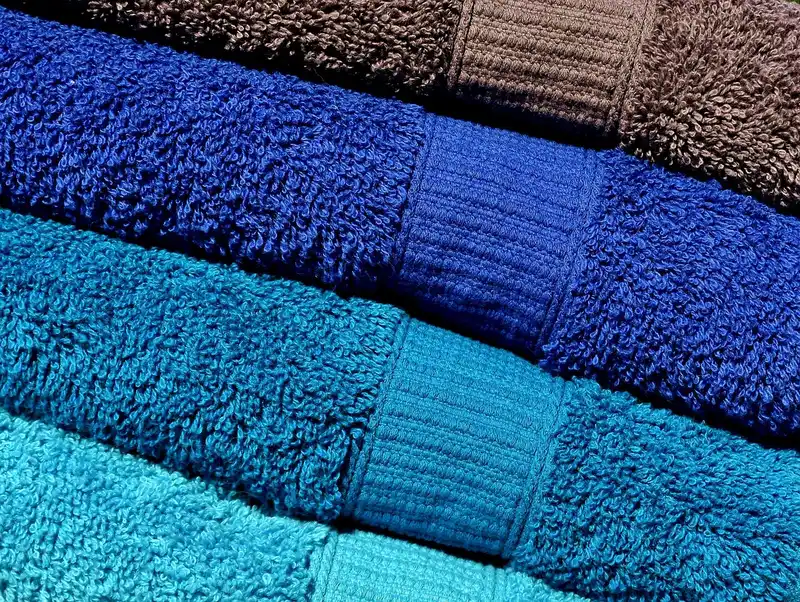
GSM means grams per square metre. It is the fabric weight per square metre, and it affects thickness, softness, and absorbency. Higher GSM usually means more plushness, but it does not automatically mean the towel is better for the task.
WORK STUFF identifies 220 GSM as bulk or utility weight, 500 GSM as an all-round finishing option, and 600 GSM as maximum softness. That range shows the tradeoff clearly: more plush can help on paint, while less bulk can help on controlled wiping and maintenance.
Why higher GSM is not always better
A very plush towel can be too thick for glass, too soft for trim detail work, or too heavy for tight areas. On those jobs, you may get smearing instead of a clean pass. The towel can also saturate faster if the surface is already damp or residue-heavy.
Right Car Detailing lists 200 to 250 GSM for glass cleaning and interior wiping, and 300 to 350 GSM for all-purpose interior cleaning. That matches the practical point: some jobs need control more than pile height.
What GSM should you use on paint?
For paint finishing, wax removal, polish residue removal, quick detailer use, and final buffing, a 500–600 GSM plush microfiber towel is the best starting point. The same source recommends 500–600 GSM for paint finishing, and 600 GSM gives the most softness when the surface is highly sensitive.
If the paint is soft, dark, or freshly corrected, start on the plusher end only if you still need clean control. The goal is fewer marks, not the thickest towel on the shelf.
When a softer towel helps on black or sensitive paint
Delicate black paint often shows towel marks faster than lighter finishes. A plush 500–600 GSM towel can cushion the wipe and reduce the chance of micro-marring, especially during final buffing and residue removal. That helps when the paint is clean and you need the towel to pick up the last film without pressure.
Suppose a dark sedan has a fresh wax layer and you are clearing the last haze from the hood. A 500–600 GSM plush towel gives more forgiveness than a thin utility towel, but you still need a clean fold and light pressure to avoid streaking.
Common paint failures from the wrong towel
Too little pile on paint can leave drag marks, especially when polish residue starts to dry. Too much leftover residue can also clog the towel and turn a buffing pass into smearing. Using the same towel for paint and dirty interior work adds grit that can scratch clear coat.
For quick detailer, sealant removal, and final inspection passes, the towel should stay clean, plush, and reserved for paint only. That separation matters more than trying to force one towel into every job.
What GSM works best for interiors?
For interiors, 320–350 GSM is the practical range for plastics, dashboards, door cards, trim, and routine maintenance.
Shorter pile gives better control on textured panels and around switches, vents, and stitched trim. It is easier to see where the towel has already passed, and it is less likely to bunch up on edges.
What to avoid on screens and textured panels
On screens, delicate glossy trim, and dusty plastics, a towel that is too plush can push dust instead of lifting it. A shorter-pile interior towel gives better control and reduces the chance of leaving a haze behind. It also helps when you are cleaning around buttons and bezels.
A common first-timer mistake is using a heavy paint towel on a dashboard because it feels softer. The result is often a towel that is harder to control and more likely to leave streaks on matte plastics.
Microfiber towel decision table
| Detaling job | Recommended GSM | Weave | Pile | Size | Common failure mode if wrong |
|---|---|---|---|---|---|
| Paint finishing | 500–600 | Plush microfiber | High pile | 40 x 40 cm or similar | Micro-marring or dulling from a towel that is too coarse |
| Wax removal | 500–600 | Plush microfiber | High pile | 40 x 40 cm or similar | Smearing when the towel is too thin to lift residue cleanly |
| Polish residue | 500–600 | Plush microfiber | High pile | 40 x 40 cm or similar | Hazing and drag marks if the towel loads up too fast |
| Quick detailer wipe | 400–500 | Plush or dual-sided | Medium to high | 40 x 40 cm or similar | Streaking if the towel is too dry, too thin, or contaminated |
| Interior plastics and dashboards | 320–350 | Short-pile microfiber | Low to medium | 30 x 30 cm or 40 x 40 cm | Smearing on matte trim from excessive plushness |
| Door cards and trim | 320–350 | Short-pile microfiber | Low to medium | 30 x 30 cm | Linting or poor control on stitched and textured surfaces |
| Glass cleaning | 300–400 | Waffle weave | Low pile | 40 x 40 cm or larger | Streaks and lint if a plush paint towel is used instead |
| Whole-car drying | 350–450 | Drying towel | High absorbency pile | Large XL towel | Water spots or slow drying if the towel is too small |
What GSM should you use for glass and drying?
For glass, use a dedicated waffle weave towel. The same source says glass should use a dedicated waffle weave towel, and it identifies 400 GSM as waffle glass weight. On windows, windscreens, and mirrors, the weave matters more than chasing a plush number.
For drying, use a dedicated drying towel for the whole car. Auto Finesse says its microfiber drying towels use high-absorbency fibres, keep paintwork swirl free, and prevent scratches. A drying towel needs more absorbency than a small buffing towel, or you end up dragging water around instead of lifting it.
When 400–450 GSM is acceptable and when it is wrong
A 400–450 GSM towel can work for some exterior wipe-down jobs or light drying, especially on smaller panels. It is often acceptable when the surface is only damp and you need more absorbency than an interior towel can give.
It becomes the wrong tool when the car is wet enough to need broad water pickup, or when the towel must dry large sections without repeated wringing. That is where a dedicated drying towel outperforms a smaller buffing towel by a wide margin.
How dual-sided towels fit into the process
A dual-sided microfiber towel gives you two working faces. The fluffier side is better for delicate wiping and final passes. The shorter side is better for cleaning and controlled removal. That split is useful when you want one towel to handle a light cleaner pass and a finishing wipe, but not the whole car.
For example, a dual-sided towel can be useful on interior plastics, then for a final touch on lightly soiled trim. It should still stay out of glass-only work and away from heavy paint residue.
- Match the towel to the job first.
- Choose weave before chasing a higher GSM number.
- Use plush 500–600 GSM towels for paint finishing and buffing.
- Use 320–350 GSM towels for interiors and routine maintenance.
- Use waffle weave for glass.
- Use a dedicated drying towel for the whole car.
- Keep paint towels separate from interior towels.
Frequently asked questions
What GSM microfiber towel should I use for paint buffing?
Use 500–600 GSM for paint buffing, especially for finishing, wax removal, polish residue removal, quick detailer work, and final wipe-off. That range gives more cushioning and softness. Keep the towel clean and reserved for paint, because contamination is what turns a safe towel into a scratch risk.
What GSM microfiber towel is best for interior cleaning?
Use 320–350 GSM for interior cleaning on plastics, dashboards, door cards, and trim. That range gives enough absorbency for cleaners while keeping control on textured panels. For screens and glossy trim, a shorter-pile towel is easier to guide and less likely to smear residue.
What GSM microfiber towel should I use for glass?
Use a dedicated waffle weave glass towel. The same source says glass should use a dedicated waffle weave towel, and 400 GSM is its glass weight reference. Glass needs low lint and a controlled wipe more than extra plushness, so a paint towel is the wrong choice.
Is a higher GSM microfiber towel always better for detailing?
No. Higher GSM usually means more thickness, absorbency, and cushioning, but that is not always useful. A very plush towel can lose control on glass, interiors, and tight trim. The job decides the towel, then GSM fine-tunes the choice.
What GSM microfiber towel should I use for wax and sealant removal?
Use 500–600 GSM plush microfiber for wax and sealant removal. That range helps lift residue without dragging it back across the panel. If the towel is too thin, it can smear; if it is too loaded, it can haze the finish instead of clearing it.
Should I use the same microfiber towel for paint and interiors?
No. Keep paint towels separate from interior towels. Paint finishing towels should stay free of dust and grit, while interior towels pick up dirt, dressing, and loose debris. Cross-use is how lint, smearing, and micro-marring start showing up on the next panel.