Brake Dust: Causes, Removal, Risks, and Prevention
Brake dust is normal, but it should be light, even, and easy to wipe away; heavy, one-sided, gritty, or oily dust often points to worn pads, sticking calipers, or rotor issues. Ignoring it can stain clear coat, etch wheel finishes, and hide brake trouble. This guide covers what brake dust means, safe removal, warning signs, and ways to cut future buildup.
Byline: Practical cleanup note: a pH-balanced, non-acidic wheel cleaner and a soft detailing brush are the safest first steps on cool wheels, and wheel fasteners should always be torqued to the vehicle maker’s specification after service.
Related guides: How to Inspect Brake Pads, Understanding Brake Caliper Service, Best Wheel Cleaners for Ceramic Coatings, How to Clean Brake Rotors, Symptoms of Sticking Brake Calipers, How to Clean Powder-Coated Wheels, and Ceramic vs Semi-Metallic Brake Pads.
What brake dust
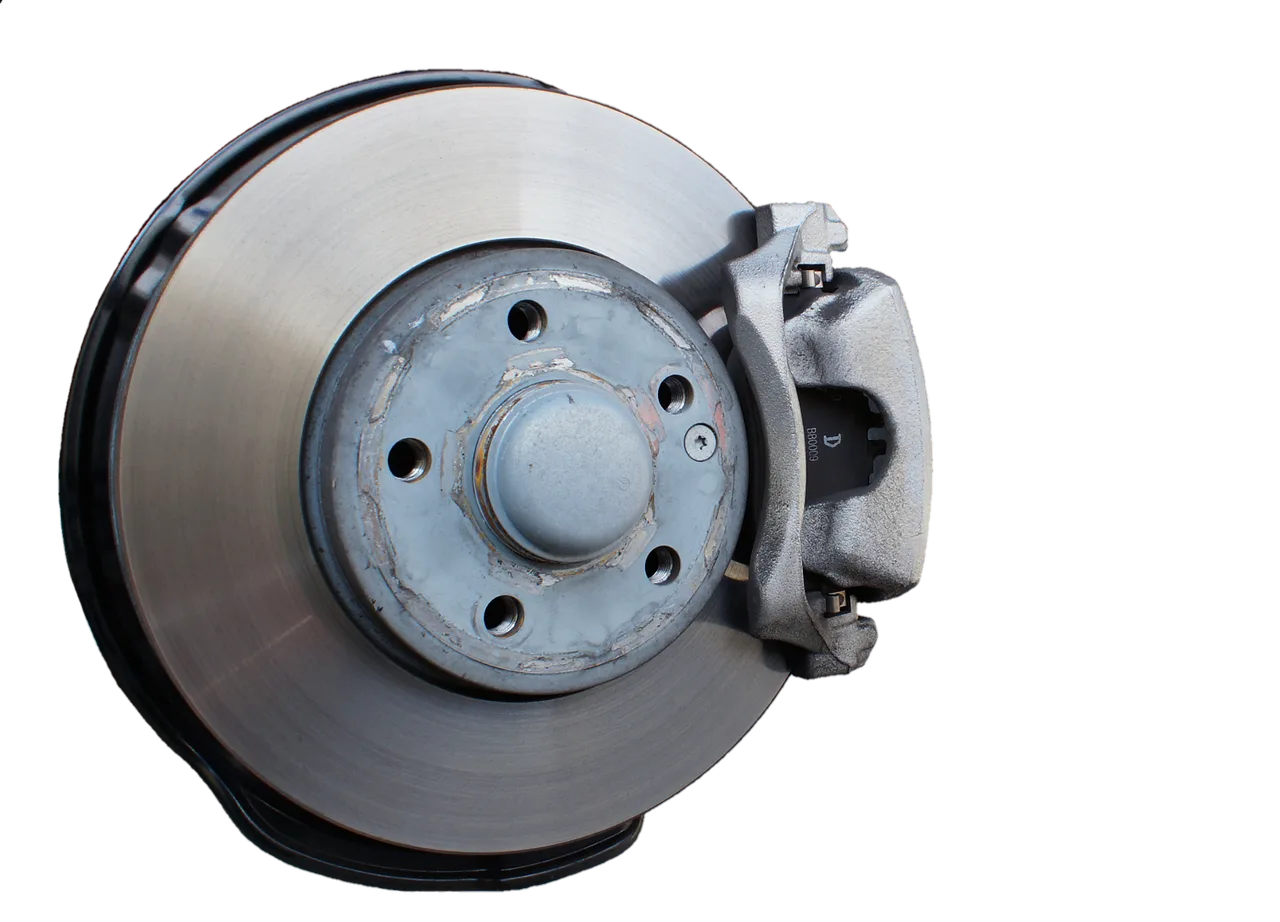
Brake dust is a common byproduct of modern braking systems. It comes from friction between brake pads, calipers, and rotors, and it can accumulate on wheels and nearby surfaces. The powder can vary from light gray to dark brown, so color alone is not a fault code.
How pad and rotor wear create wheel dust
Each stop sheds a little material from the pad friction layer and the rotor surface. That wear is expected. The amount depends on pad material, rotor condition, heat, and how hard the brakes are working.
Rotor wear matters because a rough, scored, or glazed rotor changes how the pad contacts the disc. Uneven contact can leave more residue on one wheel or one axle, and it can also change pedal feel.
Why the color and texture can vary
Brake dust is not always black. It can look gray, brown, or reddish when road film, moisture, or rust mixes with pad residue. Wet, salty roads can alter dust appearance and impact, so a brown coating after winter driving does not automatically mean a failed brake part.
Texture is more useful than color. Dry, fine dust is common. Sticky residue, heavy grit, or dust that returns fast on only one wheel deserves more attention.
When dust is normal and when it is not
Normal dust is even across the axle, light enough to wash off with standard wheel care, and roughly similar from side to side. Abnormal dust is concentrated on one wheel, builds much faster on the front axle than expected, or comes back with a hot, sticky, or greasy feel.
A common first-timer mistake is judging the brakes only by the darkest wheel. One dirty wheel can be normal if that corner does more work, but a single wheel that stays much dirtier than the matching side often points to a mechanical issue.
Why do some wheels get more dust?
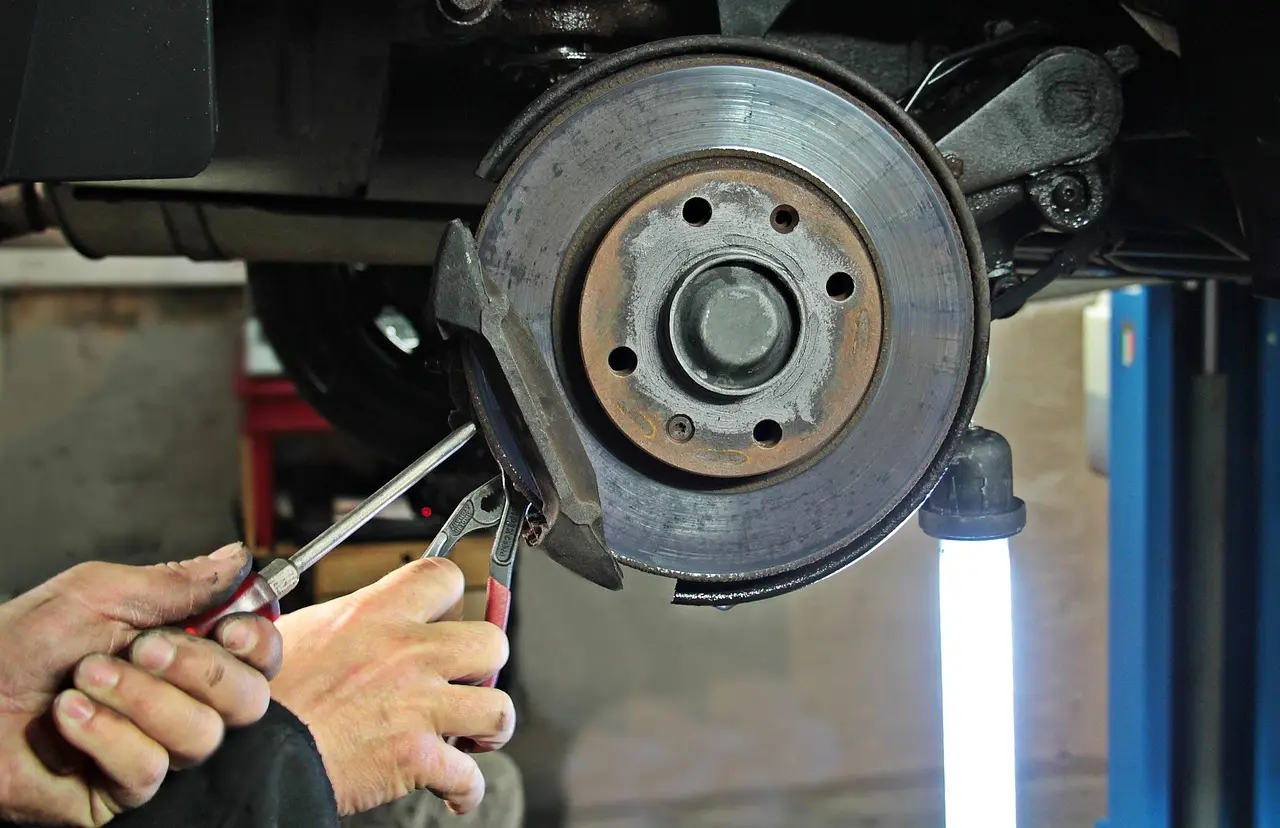
Front wheels often collect more brake dust because they do more braking work, carry more load during stopping, and see more heat. Stop-and-go traffic, downhill braking, aggressive stops, and wet or salty roads can all increase buildup. One dirty wheel, though, can signal caliper drag or uneven pad contact.
Front-axle load and brake bias
Most vehicles send more braking force to the front axle. Weight shifts forward under braking, so the front brakes must handle more energy. That is why front wheels usually darken faster than the rear, even when the system is working as designed.
Picture a sedan that is clean at all four corners after a wash. Two days later, the front wheels are already gray while the rears still look mostly clear. That pattern is often normal brake bias and weight transfer, not a fault.
Stop-and-go traffic, downhill braking, and hard stops
Frequent braking heats the pads and rotors, and heat drives more visible dust. Aggressive braking increases dust production. Stop-and-go traffic increases brake dust buildup. Mountain driving or repeated downhill braking can do the same, because the brakes spend more time hot and loaded.
Wet or salty roads and stuck-on residue
Wet roads can make dust cling to wheel finishes. Salt adds corrosion risk and can change the residue into a darker, stickier film. If dust turns into brown crust after winter driving, cleaning should happen sooner rather than later, because the longer it sits, the more likely it is to stain or pit the surface.
Brake dust decision matrix
This table separates a normal cosmetic layer from patterns that deserve inspection. Use it as a first pass, not a final diagnosis. If the pattern matches more than one row, start with the more serious one. As a practical threshold, any wheel with pad thickness below 3 mm, visible rotor scoring that should be checked with visual inspection and magnifier or micrometer measurement, or a steering wheel/pedal symptom that shows up at 30+ mph should move from cleaning to inspection.
| Dust pattern | Likely cause | Immediate risk | Recommended next step |
|---|---|---|---|
| Normal even dust | Expected pad and rotor wear from routine braking | Low cosmetic risk if cleaned soon | Wash the wheel with a finish-safe cleaner and keep an eye on the pattern |
| One-wheel-only dust | Caliper drag, sticking piston, uneven pad contact, or a rotor issue on that corner | Moderate to high; braking imbalance may be present | Inspect that corner first and schedule a brake check if the pattern repeats |
| Front-axle-heavy dust | Normal brake bias, weight transfer, and front brakes doing more work | Usually low if both front wheels match each other | Compare both front wheels; if only one is heavier, inspect for drag or uneven wear |
| Sticky brown or red dust | Moisture, road salt, rotor rust, or residue mixing with pad dust | Moderate; corrosion risk rises if it sits | Clean soon with a compatible wheel cleaner and check for staining or pitting |
| Baked-on dust after long neglect | Long dwell time, heat cycling, and embedded residue | High cosmetic risk; finish damage may already be starting | Use a finish-safe cleaner, shorter dwell time, and gentle agitation; inspect the finish after cleaning |
Which brake pads make less dust?
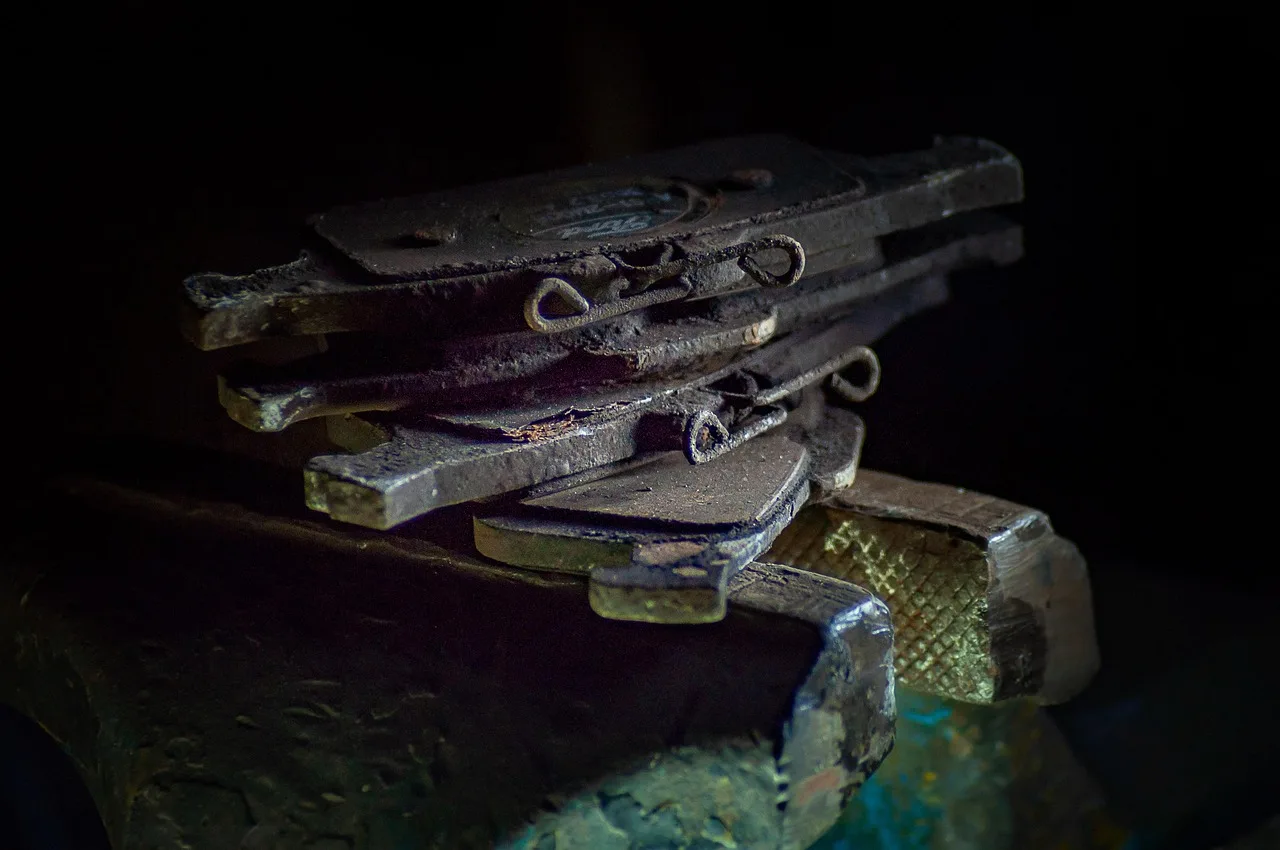
Pad choice is one of the biggest factors in visible dust. Organic pads are usually quieter and gentler, semi-metallic pads are tougher and often dustier, and ceramic pads usually produce less visible dust than metallic or semi-metallic pads. Less visible dust can mean cleaner wheels, but it can also come with higher cost. SAE friction-material literature and OEM service guidance consistently point to compound mix, binder content, and operating temperature as the main reasons dust output changes from one pad type to another.[1][2]
Organic pad traits
Organic pads use nonmetallic fibers and fillers. They are often quiet and easier on rotors, but they are commonly reported to have lower heat tolerance and may wear faster than harder pad types. That wear can mean more frequent replacement and more dust in some conditions.
Semi-metallic pad traits
Semi-metallic pads contain more metal and tend to produce more abrasive dust. They often handle heat well and are common on performance applications, but they can be louder and may leave darker residue on wheels. That tradeoff is part of why they are chosen for heavier use.
Ceramic pad traits
Ceramic brake pads usually create less visible dust and leave a cleaner wheel appearance. They often cost more than semi-metallic pads. Their wear pattern can be different too, so the goal is not zero dust, but less visible buildup with steady braking for the vehicle’s intended use.
What matters most is fitment. A pad that is too aggressive for the rotor type, or too soft for the driving pattern, can dust heavily or wear unevenly. Check the manufacturer’s listing for your model and brake setup before changing compound type.
What low-dust replacement choices usually trade off
Low-dust pads often trade some combination of price, bite feel, noise behavior, or rotor friendliness. If you want cleaner wheels, ceramic pads are usually the first place to look. If the vehicle sees towing, mountain driving, or repeated hard stops, make sure the pad still matches the braking load.
Can brake dust point to a brake problem?
Yes. Brake dust becomes a warning sign when the pattern is uneven, unusually heavy, sticky, or tied to heat, noise, or vibration. Rotor scoring, glazing, caliper drag, and piston retraction problems can all change where dust lands and how fast it builds. Heavy dust should be treated as a symptom when it comes with heat or uneven wear, not just as a cleaning issue.
Rotor scoring, glazing, and uneven wear
A rotor with scoring or glazing can stop the pad from contacting evenly. That can increase noise, reduce smooth braking, and create a dust pattern that looks different from the other side. Uneven rotor wear can also make cleanup harder because residue collects in the damaged surface.
Caliper drag, sticking pistons, and uneven pad contact
Brake calipers must retract properly after release. If a piston sticks or a slide binds, one pad can stay in contact longer than it should. That corner may run hotter, dust faster, and wear the inner and outer pads unevenly. OEM service manuals commonly use hot wheel temperature, uneven pad wear, and poor free-wheel behavior as drag indicators during inspection.[2][3]
Suppose the rear wheels are smeared with reddish-gray dust after a week of stop-and-go driving, while the rims stay clean and the brake pedal feels slightly rough at low speeds. That one-corner pattern deserves an inspection, because it fits caliper drag better than ordinary wear.
When uneven dust should trigger an inspection
Schedule a brake inspection when one wheel repeatedly looks much dirtier than its mate, when dust appears wet or greasy, when braking feels uneven, or when the wheel gets hot compared with the others. The dust pattern is the clue; the brake hardware needs the diagnosis. A practical trigger is pad thickness under 3 mm, visible rotor lip/scoring, pedal pulsation at 30+ mph, or repeated pull to one side under braking.
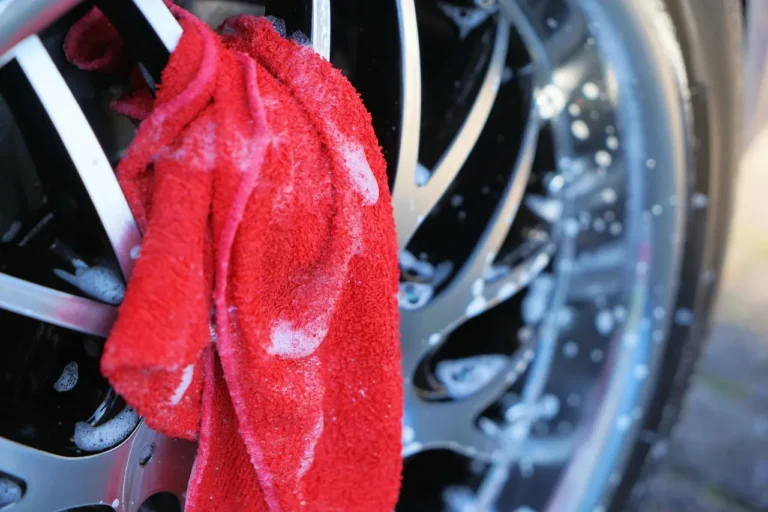
Clean brake dust only on cool wheels. Use a non-acidic wheel cleaner that matches the finish, soft brush agitation, and a thorough rinse. For baked-on residue, repeat the process instead of scrubbing harder. Harsh chemicals and rough tools can damage clear coat, paint, powder coat, machined surfaces, and polished wheels.
Safe cleaning sequence
- Let the wheels cool completely.
- Rinse loose grit off first.
- Apply a non-acidic wheel cleaner suited to the wheel finish.
- Let it dwell briefly, but do not let it dry on the surface.
- Agitate with a soft wheel brush or microfiber-safe tool.
- Rinse well.
- Repeat if dust remains instead of using more aggressive chemicals.
How to handle baked-on dust without damaging the finish
Baked-on dust needs patience, not force. Start with a finish-safe cleaner and a short dwell time. If residue remains, repeat the cycle. On polished or machined surfaces, pressure and harsh chemistry are more likely to leave marks, so stop before the cleaning method starts causing wear.
Finish-specific caution
Clear coat and painted wheels can stain if brake dust sits too long. Powder-coated wheels usually resist dirt better, but they still need compatible cleaners. Machined and polished wheels are more sensitive because strong products can haze the surface or leave visible marks. When in doubt, use the mildest cleaner that still removes the residue.
Brake dust and cleaning water should be disposed of according to law. Do not rinse contaminated runoff where it can enter drains or soil without checking local rules.
Does brake dust damage wheels or health?
Brake dust can damage wheel finishes if it is left to sit for a while. It can corrode wheels, stain clear coat, and leave pitting on sensitive surfaces. For health, the everyday owner who cleans cool wheels with a damp method and good ventilation has a much lower exposure concern than a technician doing repeated dry cleanup or frequent brake work. NIOSH and related exposure guidance treat brake-service dust as a controllable particulate exposure, especially when cleaning dry residue or disturbing brake components.[4][5]
Finish risk by wheel type
Clear coat, painted, and powder-coated wheels are most at risk from long dwell time and harsh chemicals. Machined and polished wheels are more sensitive to scratching and hazing during cleaning. None of these finishes like abrasive scrubbing once the dust has hardened.
Corrosion, pitting, and staining from neglected dust
Brake dust can bond to the wheel and trap moisture and salt against the finish. That is how a cosmetic layer becomes a corrosion problem. If a wheel already shows staining or pitting after neglected dust, the next goal is damage control, not just a deeper cleaning.
A careful health note for owner cleaning
For routine owner cleaning, the safer approach is simple: avoid dry brushing that kicks up dust, use cleaner on cool wheels, and rinse away residue. That keeps exposure lower and reduces the chance of scratching the finish at the same time. If you are handling heavy brake work or repeated dry dust cleanup, the exposure concern is higher and deserves more care.
Do brake dust shields work?
Brake dust shields or covers can reduce how much debris reaches the wheel face, but they are not a full fix. Fitment matters, and heat management matters too. A shield that blocks too much airflow can create tradeoffs, so pad choice and brake health still matter more than the cover itself.
What they can and cannot do
Dust shields may reduce visible buildup on the wheel, but they do not stop pad and rotor wear. They also do not correct caliper drag, bad rotor wear, or a pad compound that dusts heavily. If the brake system is making too much dust, the cause still needs attention.
Fitment and safety considerations
A poorly fitted cover can rub, trap heat, or interfere with brake components. That is why fitment and clearance need to be checked carefully against the vehicle’s brake package. If the product changes airflow or touches the wheel, do not treat it as a simple cosmetic add-on.
Why pad choice still comes first
If the goal is cleaner wheels, a low-dust pad is usually a better first step than a cover. Ceramic pads often lower visible dust more effectively than add-on shields alone. Use shields only as a secondary measure after the brake hardware is known to be in good shape.
How often should I clean brake dust off my rims?
Clean brake dust before it has time to bake on or trap moisture. For many drivers, that means washing wheels during regular car washes and sooner after heavy braking, winter roads, or visible buildup. The right interval depends on driving style, weather, and pad type.
A practical cleaning rhythm
If the wheels are only lightly dusty, clean them at the next wash. If dust is heavy, sticky, or turning brown after wet or salty driving, clean sooner. Once residue starts to feel gritty or looks embedded, the risk of staining and corrosion rises.
What to inspect while cleaning
While the wheel is off the road and cool, look for pad thickness, rotor scoring, uneven wear, and any wheel corner that gets dirty faster than the others. The cleaning step is also an inspection step. That is where early brake trouble is easiest to spot.
Frequently asked questions
What causes brake dust on wheels?
Brake dust comes from normal wear between the brake pads and rotors during braking. The amount changes with pad material, rotor condition, heat, and driving style. Aggressive braking, stop-and-go traffic, and wet or salty roads can all increase buildup, so some wheels stay dirtier than others even when the brakes are healthy.
Is brake dust normal on wheels?
Yes. Light, even dust on all four wheels is normal for many vehicles. It becomes a concern when the dust is much heavier on one wheel, much heavier on the front axle than expected, or sticky and greasy instead of dry. That is when inspection makes more sense than simple cleaning.
Can brake dust damage wheel finish?
Yes. Brake dust can stain clear coat, mark paint, dull powder coat, and leave corrosion or pitting if it sits too long. The risk grows when moisture and road salt mix with the residue. Cleaning cool wheels with a compatible, non-acidic cleaner reduces that damage risk.
Is brake dust bad for you?
Routine owner cleaning is usually a low-exposure task if you avoid dry brushing, keep the wheels cool, and rinse residue away. The exposure concern is higher for repeated brake work or dry cleanup of heavy dust. If you are cleaning by hand, use good ventilation and keep dust out of your face.
How do I remove baked-on brake dust safely?
Use a cool-wheel method: rinse first, apply a non-acidic cleaner made for the wheel finish, let it dwell briefly, agitate with a soft brush, and rinse well. Repeat if needed. Do not jump straight to harsh chemicals or stiff brushes, because those can damage clear coat and polished surfaces.
Why do my front wheels get more brake dust than the rear?
That is often normal. The front brakes do more work because braking shifts weight forward, and most vehicles use a front-heavy brake bias. If both front wheels look similar, that pattern is usually expected. If one front wheel is much dirtier than the other, suspect drag or uneven pad contact on that corner.