
Best Microfiber Towels for Waxing and Polish Removal
For wax and polish removal, a medium-plush, edgeless microfiber towel around 300–350 GSM is a practical starting point. It lifts spent residue cleanly, and if the first towel begins to smear, switch to a second dry towel. Pick the wrong towel, and you can leave haze, streaks, or push old product back into the finish. This guide compares towel types by residue behavior, so you can choose the right towel for wax cleanup and polish removal.
Selecting the right towel for each job
A practical choice for many DIY detailers is a 16×16 edgeless microfiber towel in the roughly 300–350 GSM range. It has enough body to pick up spent wax or polish without feeling too thick or slow. That balance matters more than softness alone.
For broad residue cleanup, towels in the GSM range often used for polishing and wax removal tend to sit in the middle of the pack, not at the extreme plush end. A towel that is too thick can hold residue well at first, then start putting it back down once it loads up.
Top pick for light residue
For a thin layer of finishing polish or a light wax haze, a low-drag towel with a moderate pile works best. A 16×16 edgeless towel around 340 GSM is a practical fit because it folds easily, stays controllable with one hand, and is not so thick that it starts dragging product around.
Top pick for heavier residue
For heavier wax residue or a polish that flashes to a chalky film, choose a long-pile or dual-pile towel with more trapping ability. The extra pile gives spent product somewhere to go instead of pushing it across the panel.
That is where a higher GSM towel can help, but only while it still releases residue cleanly. A very thick towel can hold more product, then start putting it back down once loaded.
Best pick for delicate paint
For soft paint, fresh clear coat, or darker finishes that show haze easily, favor an edgeless plush towel or a soft dual-pile towel. The goal is reduced edge contact and a controlled wipe, not maximum bulk.
Quick picks
- Best edgeless option: A 16×16 edgeless towel around 340 GSM for general wax and polish cleanup, especially when you want reduced edge contact and easy control.
- Best dual-pile option: A dual-pile towel in the 340–620 GSM range when you want one side to help pickup and one side to finish the wipe.
- Best pearl weave option: A low-lint pearl weave towel when residue is thin and you want low drag, especially on polish removal.
- Best plush option: A plush 350–500 GSM towel for delicate paint contact and final buffing when you need more cushion under the hand.
Microfiber towel decision matrix
| Towel type | Pile height | GSM | Edge style | Residue pickup | Smear risk | Best use case | Common failure mode |
|---|---|---|---|---|---|---|---|
| Edgeless microfiber | Short to medium | 300–350 | Borderless | Good for light residue | Low if kept dry | Wax haze and final polish removal on most paint | Loads up and starts dragging if overused on a large panel |
| Dual-pile microfiber | Two-surface design | 340–620 | Usually edgeless | Very good on spent product | Moderate if one side saturates | Residue-management wipe on wax, polish, and finish work | One side gets overloaded and leaves streaks |
| Pearl weave microfiber | Low pile | 300–450 | Often hemmed or edgeless | Strong on thin films | Low when residue is light | Coating or polish removal, plus some glass and interior use in product lines | Can feel too slick on heavy wax residue |
| Plush microfiber | Longer pile | 350–500 | Edgeless or soft border | Very good on delicate finishes | Low on sensitive paint, higher if overloaded | Finishing work and delicate paint contact | Can hold residue fast and need frequent swapping |
| Long-pile microfiber | Long pile | Often 400+ | Usually edgeless | Excellent trapping | Low until saturated | Heavier wax removal and paint that needs more cushioning | Too much bulk for tight trim lines or small panels |
What microfiber towel is best for removing wax without streaks?
A medium-plush edgeless towel with moderate GSM is the safest answer for streak-free wax removal on most finishes. It gives enough fiber density to pick up residue, while the edgeless border reduces edge contact on paint.
Streaks usually come from two problems: a towel that is too thin to trap residue, or a towel that is already loaded. Soft paint and dark finishes show that mistake faster because haze stands out under direct light.
Soft paint and fresh clear coat
On soft paint or fresh clear coat, choose a lower-drag towel with a controlled pile, then keep pressure light. A plush towel can cushion the wipe, but if it is too thick it may hold spent wax in the fibers instead of releasing a clean finish.
Heavy residue versus light residue
Light residue is easier to handle with a pearl weave or a moderate edgeless towel. Heavy residue benefits from longer pile or dual-pile construction because there is more space for spent product to lift away from the surface.
When a towel is getting saturated
Once a towel starts to smear, slow down and switch it out. That is the point where pickup has fallen behind loading, and the towel begins putting residue back on the panel instead of removing it.
- Check the wipe path. If the towel starts leaving a gray or oily trail, stop on that panel. The first sign is often a change in drag, not a full streak line.
- Flip to a fresh face. Fold the towel to a clean side or grab a second towel. This keeps the residue you already lifted from getting pushed back into the finish.
- Swap before the towel drags. On larger panels, swap sooner than you think. A fresh towel is cheaper than chasing haze on dark paint.
Should you use edgeless or plush microfiber for polish removal?
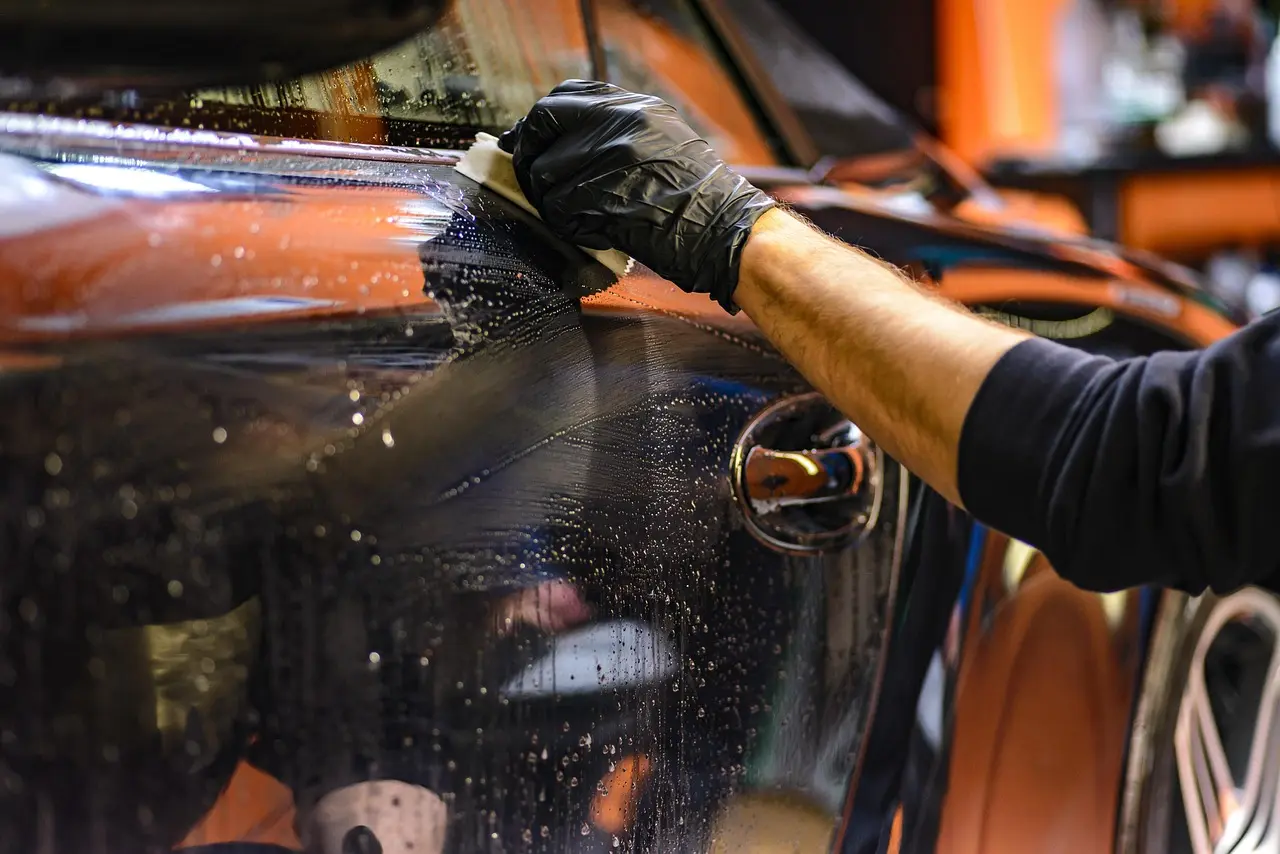
For most polish removal, edgeless is the better starting point because the border contact is lower and the wipe stays cleaner around curves and trim. Plush becomes the better choice when the paint is delicate, the finish is soft, or you want more cushioning under the hand.
Edgeless towels for reduced edge contact
Edgeless microfiber towels are a common detailing format for polishing and buffing because the border area is reduced. That helps lower the chance of edge-induced marring on paint that shows marks easily.
When a towel is made for this job, the useful test is simple: does it pick up residue without dragging after the first few passes? If yes, the borderless design is doing its work.
Plush towels for cushioning and finishing
Plush towels are often listed in the 350–500 GSM range and are commonly used for polishing and finishing. The higher pile adds cushion, which helps on delicate clear coat and around curves where hand pressure changes.
That said, plush is not a universal answer. On heavy residue, a very plush towel can fill up fast and leave polish film behind if you keep wiping with the same face.
Where dual-pile towels fit
Dual-pile microfiber towels are a residue-management option, not the default best choice for every job. The two-surface design can help one side grab residue while the other side finishes the pass, which is useful when product load changes across the panel.
One side can do the first pickup, while the other side finishes a cleaner wipe on the same panel. That split is useful when you want control without reaching for a thicker towel too early.
How should you choose the right towel?
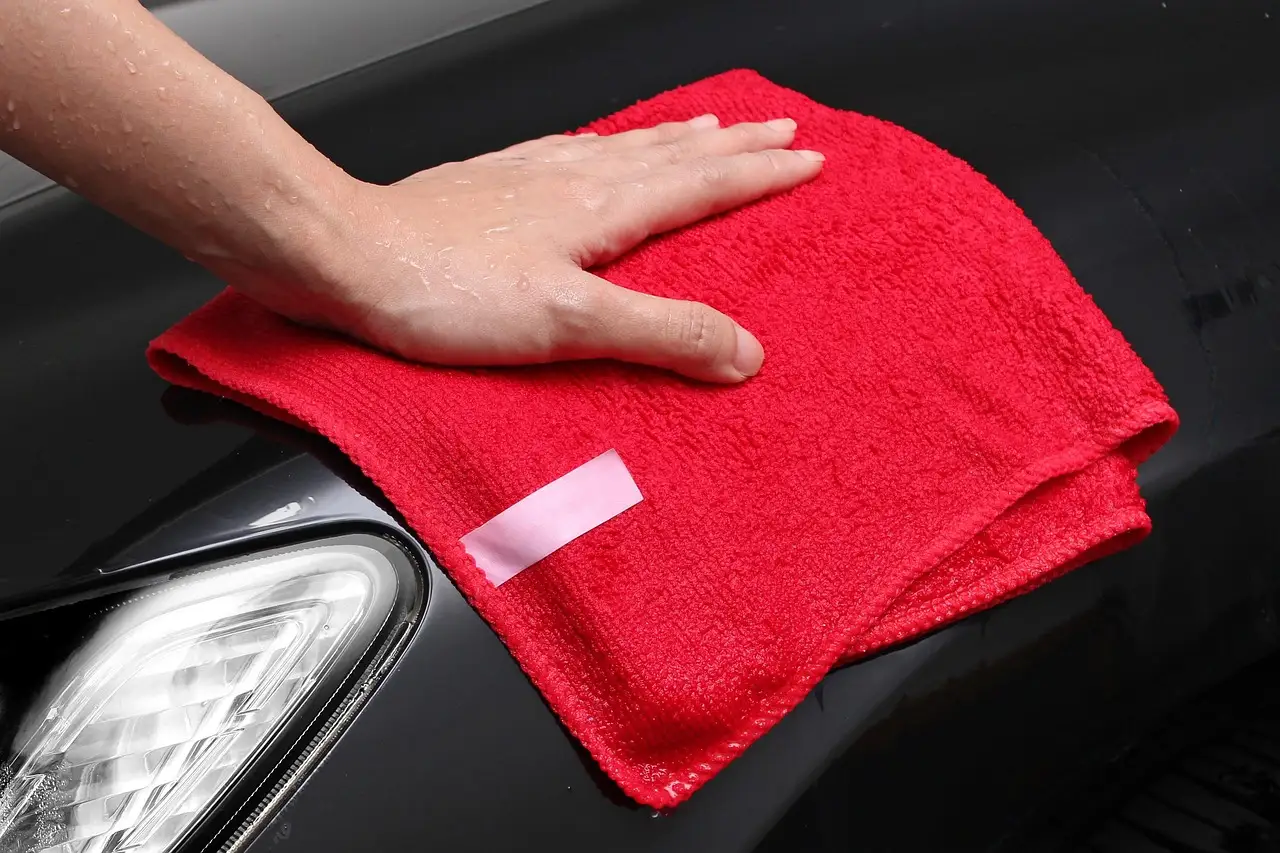
Start with residue type, then match pile, GSM, edge style, and size to the paint. Soft paint needs more cushion and less border contact. Hard paint tolerates a broader range of towels, but heavy residue still needs a towel that can trap product before it smears.
GSM and what it changes
GSM is the weight-and-density spec that gives you a rough sense of thickness and absorbency. Common towel guidance runs from 300 GSM to 620+ GSM, with some ultra-thick examples listed even higher. Higher GSM usually means more absorbency, but also more fiber mass that can load up if the residue is heavy.
A 450 GSM towel, a 480 GSM towel, and a 340 GSM towel can all work well, but for different residue levels. The practical question is not “highest GSM,” it is “which towel still picks up cleanly after the first few wipes?”
Weave and pile height
Pearl weave is useful when you want low drag and low lint. It is commonly used for polish removal, and some product pages also place it in glass and interior use categories.
Long-pile microfiber is better for trapping residue and cushioning paint. Plush sits in the middle for many buyers: soft enough for finish work, but not so specialized that it loses control on the panel.
Edge style and size
Edgeless microfiber towels reduce border contact on paint and are common in polishing and buffing. That matters most on dark finishes, fresh clear coat, and soft paint where a stitched edge can leave a trace.
16×16 is the standard control-friendly size because it is easy to fold into quarters and keep in one hand.
70/30 blend and lint control
Blend and lint control both matter when you want a cleaner final wipe. That matters most when you want the towel to finish cleanly without dropping fibers into wax lines, polish dust, or coating residue.
Lint control is part of the result. If the towel sheds, you can mistake lint for haze and keep wiping long after the residue is gone.
How many microfiber towels do I need for wax removal?
For a small car, a common starting point is at least three towels: one for initial pickup, one for final buffing, and one spare. For a larger vehicle or heavier residue, four to six towels gives you more room to swap before a towel becomes saturated.
The right number depends on residue load and panel size. A single towel can finish a small section, but it is a poor plan for an entire vehicle if you want to avoid smearing.
Suppose a black sedan has a full wax layer and a warm garage setting. The first towel may still look clean after one door, but by the hood it can start to streak. Switching early keeps the finish more even.
- Assign one towel first. Use it for the initial residue pass on a panel or section. Keep the wipe short and controlled.
- Reserve a second towel. Use a dry, clean towel for the final finish pass. That last wipe often decides whether the panel looks crisp or hazy.
- Keep a spare nearby. If the first towel starts to drag or leave trails, stop and rotate in the spare. Frequent swapping is normal when product residue is heavy.
Can I use the same microfiber towel for wax and polish removal?
You can use the same towel for both only if the residue is light and the towel stays clean enough to finish the job without smearing. Many detailers keep them separate because polish residue can be finer and more prone to loading than wax film.
A clean towel used for polish removal should not be reused on a heavy wax job if you want the lowest smear risk. Once a towel has picked up spent product, treat it as a loaded towel rather than a fresh one.
When to keep them separate
Keep them separate when the wax is heavy, the polish dusts, or the paint is soft. That separation reduces the chance that one residue type gets ground into another and leaves a dull patch behind.
When one towel can do both
One towel can do both on a small job with light residue, especially if you flip to a fresh face before the wipe slows down. That is more realistic for spot work than for an entire hood or roof.
Are microfiber towels safe for ceramic coatings and polish?
Yes, microfiber towels are commonly used for polish removal, but the towel type should match the task. Coating removal often benefits from a low-lint pearl weave or a controlled edgeless towel, while polish removal usually needs more residue pickup and cushioning.
Do not treat coating removal, wax removal, and polish removal as the same job. The residue behavior is different, and the wrong towel can smear a coating flash or leave polish film in place.
How to choose
Choose by residue first, then by paint sensitivity. If the residue is light, a pearl weave or moderate edgeless towel is usually enough. If the residue is heavy, move toward long-pile or dual-pile. If the paint is soft or dark, put cushioning and reduced edge contact ahead of maximum thickness.
- Match towel to residue. Use pearl weave for thin films, edgeless for general wax cleanup, and long-pile or dual-pile for heavier residue. That keeps you from overbuying bulk you do not need.
- Set the size at 16×16. This size is easy to fold and control with one hand, which helps keep pressure even across the panel.
- Watch loading closely. The moment a towel starts to smear, replace or fold to a clean face. Loading is the point where good towels start acting bad.
- Keep blends and lint in view. Low-lint construction is worth paying for when you want a cleaner final wipe. For frequent use, durable construction matters more than a one-time soft feel.
Buying value by usage level
Frequent detailers often do better with a mix: a few pearl weave towels for thin residue, a few plush towels for delicate paint, and one or two dual-pile options for heavier cleanup.
Some microfiber marketing claims promise very long wash life and unusually high absorbency. Treat those as sales copy, not a substitute for choosing the right towel for the residue on the panel.
Frequently asked questions
What GSM microfiber towel is best for buffing off wax?
For buffing off wax, a practical range is about 300–450 GSM. That range is thick enough to trap residue but not so heavy that it loads too quickly on normal panels. Very high GSM towels can be useful, but only when the wax layer is heavy and the towel stays fresh.
What towel weave is safest for removing polish from car paint?
For most paint, a pearl weave or a soft edgeless towel is a safe choice because both keep drag low and help control residue pickup. Pearl weave is especially useful when the polish leaves a thin film. Plush is safer on delicate paint when extra cushioning matters more than low drag.