How Many Microfiber Towels Do You Need for Detailing?
For a full at-home detail, a common rule of thumb is about 12 to 16 microfiber towels: 8 is the bare minimum, 12 is comfortable, and 16 to 20 is safer for larger or dirtier vehicles. Too few towels forces reuse, which spreads grit, marring, and product residue. This guide breaks the count down by task so you can buy the right number without wasting money.
Microfiber towel count guide
Your towel count depends on what you are cleaning, how large the vehicle is, and how dirty it is. A sedan can get by with fewer towels than an SUV, and a heavily soiled vehicle needs more reserve towels because you should retire dirty cloths sooner. Separate counts also matter because drying, glass, interior, buffing, and wheel work call for different towel jobs.
Use GSM to sort towels by task. General cleaning towels are commonly 300–400 GSM, interior detailing towels are typically 250–350 GSM, exterior buffing towels are typically 350–500 GSM, wax removal towels are listed at 500–700 GSM, and drying towels are high GSM, usually 600–1200+ or 800+ for ultra-soft finishing and drying towels. Edgeless microfiber towels are used for paint correction and finishing.
How to read the count matrix
- Pick the job: interior-only, exterior-only, or full detail.
- Match the car size: sedan, SUV, or heavily soiled vehicle.
- Reserve separate towels for glass and wheels.
- Add one reserve towel for every major task if the car is dirty.
- Flip or refold a towel only if the clean side stays clean.
- Retire the towel the moment it picks up grit, wheel dust, or sticky residue.
Say your sedan has light dust inside and a normal wash outside. You can keep the total near the low end because the towels are not loading up quickly. Suppose the same sedan has sand on the carpets and road film on the paint. The count climbs fast because you need more clean faces and more reserve towels.
What you’ll need
- Drying towels for drying after a wash; choose high GSM towels made to absorb large amounts of water and reduce streaking.
- Glass microfiber towels with a tight weave for windows and mirrors, with strong lint control and a streak-free finish.
- Interior microfiber towels at 250–350 GSM for dashboards, door panels, plastics, trim, and leather.
- Buffing microfiber towels at 350–500 GSM for wax removal, sealants, and quick detail sprays.
- Edgeless microfiber towels for paint correction and finishing, including polishing residue removal and ceramic coating applications.
- Wheel and tire towels kept separate from paint, glass, and interior towels.
- Reserve towels for unexpected grime, overspray, or a second pass on neglected areas.
- A laundry setup that does not use fabric softener when washing microfiber.
How many microfiber towels do I need for a full detail?
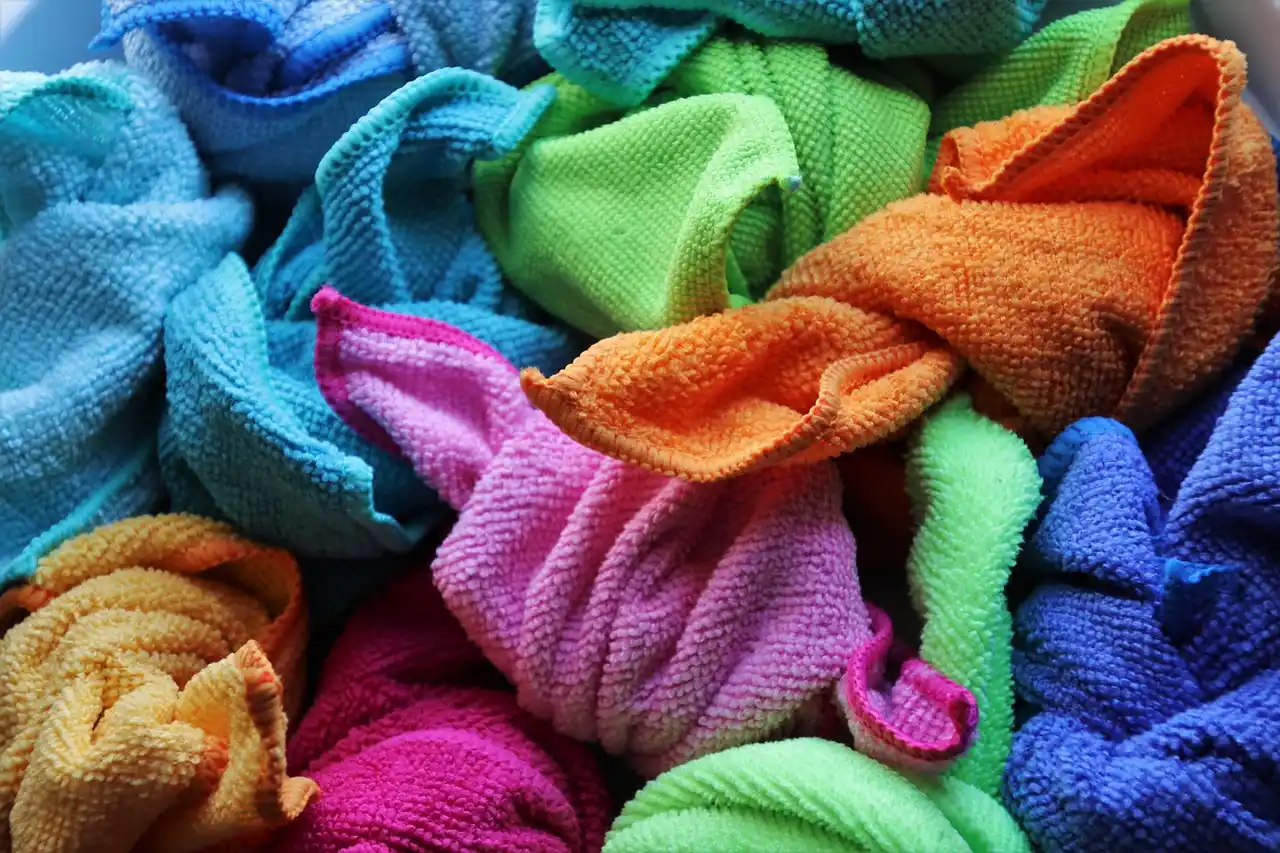
For a full detail, 12 towels is the practical target for a sedan, while 14 to 16 is a better working set for an SUV. If the vehicle is heavily soiled, plan on 16 to 20 so you can swap out contaminated towels before they start dragging debris across paint or trim.
Minimum safe total
The minimum safe setup is 8 towels: 2 for interior, 2 for paint wipe-down and light product removal, 2 for glass, 1 drying towel, and 1 reserve or wheel towel. This works only for a clean sedan with light soil. It leaves little room for mistakes or extra passes.
Ideal total for a sedan
A sedan is often comfortable with about 12 towels: roughly 3 for interior, 3 for exterior buffing or wipe-down, 2 for glass, 2 for drying, 1 for wheels or tires, and 1 spare. That gives you enough clean faces to complete a wash, dry, quick detail, and interior refresh without trying to stretch one cloth too far.
Ideal total for an SUV
An SUV usually needs around 14 to 16 towels because there is typically more glass, more bodywork, and more interior surface area. A higher towel count also helps if the rear cargo area has dust or pet hair that loads towels quickly. Add one more drying towel if the vehicle has a large roof or tall side panels.
Add-ons for heavy dirt
If the vehicle is heavily soiled, add 2 to 4 extra towels before you start. Put those extras into the interior, wheel, and reserve columns first. A dirty car is the wrong place to stretch a towel past its useful face count.
How many towels should I use for each task?
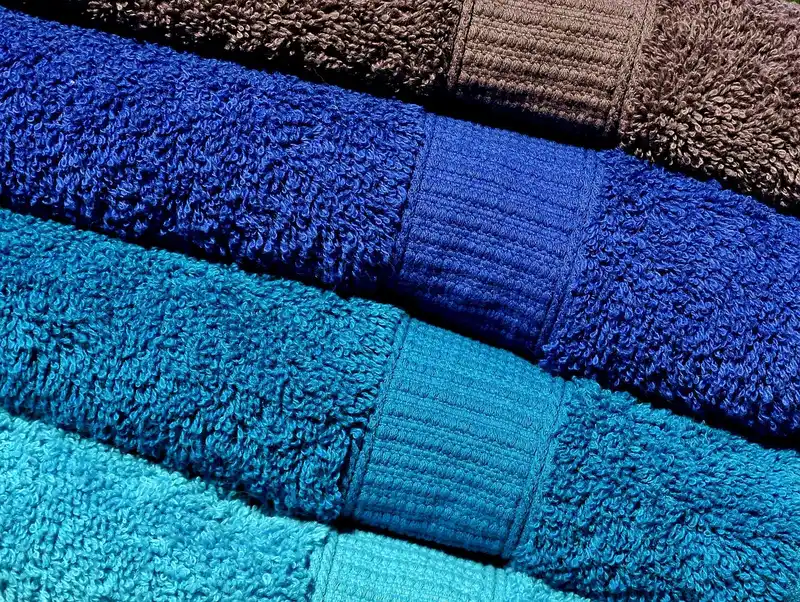
Task-based counts keep the job organized. Interior towels, glass towels, drying towels, buffing towels, and wheel towels should each have their own number. That prevents cross-contamination and keeps you from running out of clean microfiber halfway through the detail.
Interior cleaning count
Use 2 to 4 interior towels for a sedan and 3 to 5 for an SUV. Interior microfiber towels at 250–350 GSM work well on dashboards, door panels, plastics, trim, and leather. If the surfaces are dusty, one towel may cover more area; if there is sticky residue or sunscreen film, expect to switch sooner.
Paint wipe-down count
Plan on 2 to 4 towels for paint wipe-down, wax removal, sealant removal, or quick detail spray work. Buffing microfiber towels at 350–500 GSM are the usual choice here, and edgeless microfiber towels are a smart option for paint correction and finishing work. Use a fresh face when the towel starts to load up.
Glass and mirror count
Use 2 towels for most cars and 3 for a larger SUV or a glass-heavy job. Glass microfiber towels are tight weave and help with lint control and streak-free finishing on windows and mirrors. One towel can apply product, and the second can finish and inspect.
Drying count
Use 1 to 2 dedicated drying towels for a sedan and 2 for an SUV or truck. Drying towels are high GSM and are built to absorb a lot of water; microfiber can hold around seven times its own weight in water. If the paint is still beading heavily after the first pass, add the second towel before the first becomes saturated.
Wheel and tire count
Use 1 to 2 towels for wheels and tires, and keep them out of the interior and paint pile. If the wheels are coated with brake dust, treat that towel as expendable for the session. Wheels are the fastest way to contaminate a good microfiber towel.
Reserve towel count
Keep 1 to 3 reserve towels nearby. These are for a surprise spill, a second wipe on a dirty touch point, or a panel that still has residue after the first pass. Reserve towels are the difference between finishing cleanly and forcing a bad reuse.
Microfiber towel count matrix
This matrix gives a practical range by task, car size, and soil level. Use the higher end when you are doing a full wash, drying, glass, and interior clean in one session.
| Vehicle / soil level | Interior | Paint wipe-down | Glass | Drying | Wheel / tire | Reserve | Minimum safe total | Ideal total |
|---|---|---|---|---|---|---|---|---|
| Sedan, light soil | 2 | 2 | 2 | 1 | 1 | 0–1 | 8 | 10–12 |
| Sedan, normal full detail | 3 | 3 | 2 | 2 | 1 | 1 | 12 | 12–14 |
| SUV, normal full detail | 4 | 4 | 2–3 | 2 | 1–2 | 1–2 | 14 | 14–16 |
| Heavily soiled vehicle | 4–5 | 4 | 3 | 2 | 2 | 3 | 16 | 18–20 |
How should you use each towel type?
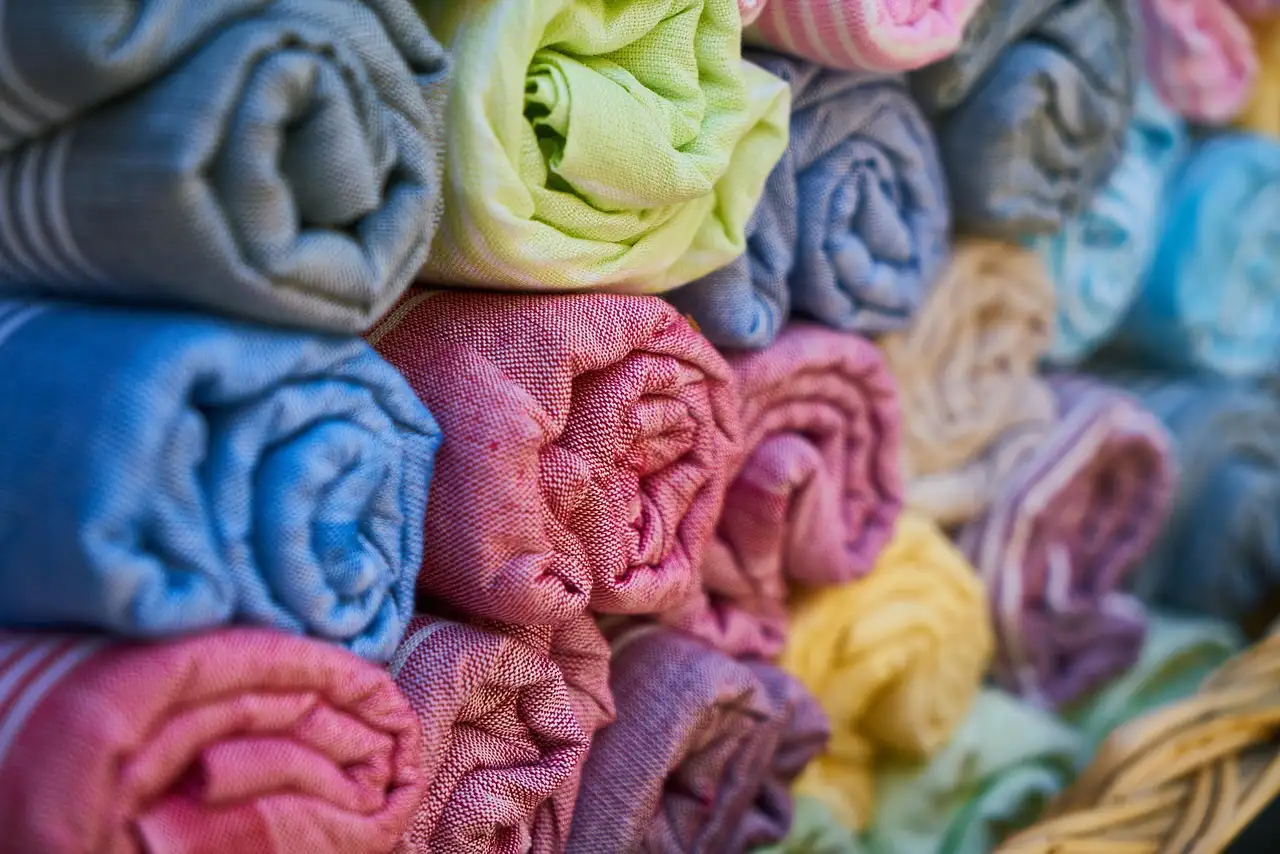
Separate towel types are safer and more efficient because each one is built for a different surface and residue level. The goal is not to own more microfiber than needed. The goal is to match the towel to the task so you stop cross-contamination and avoid wasting clean faces.
Interior microfiber towel uses
Use interior towels on dashboards, door panels, plastics, trim, and leather. The 250–350 GSM range gives you enough bite for dust and light cleaning without a bulky nap that holds too much product. Fold the towel into quarters and switch to a fresh side when the working face gets dirty.
Glass microfiber towel uses
Use tight-weave glass towels only on windows and mirrors. Their tighter structure helps keep lint down and supports a streak-free finish. If a glass towel touches dressing, grease, or wheel dust, retire it from glass duty for the rest of the session.
Buffing microfiber towel uses
Use buffing towels for wax removal, sealants, and quick detail sprays. They should be softer than utility towels so they can remove residue without dragging it around.
Drying towel uses
Use a drying towel only after washing the car. Start at the roof, then move down the panels with light pressure.
Edgeless towel uses
Use edgeless towels for paint correction and finishing, including polishing residue removal and ceramic coating work. The edgeless design helps reduce scratching risk when the towel is clean and the paint is properly prepared. These are not the same towels you want on wheels or door jambs.
GSM by task
GSM is the simplest way to sort towels before you start. General cleaning towels are commonly 300–400 GSM. Interior towels are 250–350 GSM.
Common mistakes
- Using one towel for the whole car. It may seem efficient, but it moves grit from wheels or lower panels onto paint and interior surfaces.
- Mixing interior and wheel towels. Wheel dust is abrasive and should not share a towel with trim or touch points.
- Buying the wrong GSM. A drying towel is not a good glass towel, and a short-pile interior towel is not ideal for heavy wax removal.
- Washing microfiber with fabric softener. Fabric softener should not be used because it reduces effectiveness.
- Skipping color coding. Color coding microfiber towels separates interior, exterior, and wheel use and reduces cross-contamination.
A common first-timer mistake is using one bright yellow towel on the paint, then folding the same towel to wipe the dash. The car may still look clean, but the towel has already collected dust and road film. Keep a clear color system so each towel has one job.
Another common issue is stopping too late on a dirty towel. If you feel grit, see heavy residue, or notice the towel dragging instead of gliding, retire it immediately. Refolding helps only when the unused side is still truly clean.
Frequently asked questions
How many microfiber towels do I need to detail my car at home?
Most home detailers should keep 12 to 16 towels on hand for a full detail. That covers interior, paint, glass, drying, wheel work, and a reserve buffer. A sedan can often manage with 12; an SUV or a dirtier vehicle is better served by 14 to 16 or more.
How many towels should I use for interior car detailing?
Plan on 2 to 4 interior towels for a sedan and 3 to 5 for an SUV. Interior microfiber towels in the 250–350 GSM range are the right fit for dashboards, door panels, plastics, trim, and leather. Add one extra if the cabin has sticky residue or heavy dust.
How many microfiber towels do I need for exterior detailing?
For exterior work, count 2 to 4 towels for paint wipe-down and 1 to 2 drying towels, plus 2 for glass if windows are included. Buffing towels in the 350–500 GSM range cover wax and sealant removal, while drying towels should be high GSM and dedicated to water removal.
How many drying towels do I need to wash a car at home?
One drying towel is enough for a small, lightly soiled sedan if it is high GSM and still thirsty. Two towels are safer for larger vehicles or cars with more water retention on the roof and body panels. Do not keep forcing a saturated towel to do the whole job.
How many glass towels do I need for car windows and mirrors?
Two towels is the sweet spot for most cars: one for application or first wipe, one for the final pass. Use 3 for a large SUV, a windshield with heavy film, or a full interior glass cleanup. Tight-weave glass towels help control lint and streaking.
Should I use separate microfiber towels for paint, glass, and interior?
Yes. Separate towels are the safer choice because each surface loads the towel differently. Paint, glass, and interior all need different towel textures and different cleanliness levels. Color coding microfiber towels makes this easier and cuts down on cross-contamination during a full detail.
Can I reuse one microfiber towel for the whole car?
Not if you want to avoid transferring grit, residue, and wheel dust across finished surfaces. You can refold a clean towel to expose a fresh side, but the towel should stay in its assigned task. Once it is dirty or contaminated, move it out of the session.