What Soap Can You Use to Hand Wash a Car?
Use dedicated car wash soap first. If you need a household substitute, a few drops of mild dish soap in a bucket is the safest short-term backup. Laundry detergent and all-purpose cleaners are poor choices. The wrong soap can strip wax, leave residue, and dull trim or clear coat over time. This guide ranks safe substitutes, flags risky ones, and tells you when to skip washing.
What you’ll need
- Bucket or two buckets for wash and rinse water
- Microfiber wash mitt or soft sponge
- Dedicated car wash soap, or one listed household backup for a one-time wash
- Clean water and a hose or pressure nozzle
- Microfiber drying towel
- Separate wheel bucket or separate wheel tools if you plan to clean wheels
What soap is safest to use?
Dedicated car wash soap is generally the safest and most reliable choice. It is made for automotive paint, is milder than household cleaners, and is designed to preserve wax and finish. When the label gives a mix ratio, follow that label rather than making up a stronger blend.
Most car wash soaps instruct about a 20-to-1 water-to-soap mix, but bottle directions come first because formulas vary. That matters on waxed cars and ceramic-coated cars, where overly strong cleaners can shorten protection and leave a film. On matte finishes, use a product meant for matte paint only.
Why it beats household soap
Household cleaners are built for grease, skin oils, or laundry soils. That is a different job from lifting road film from clear coat. Dedicated car soap usually rinses away more cleanly, so it is less likely to leave residue in seams, badges, or trim.
Can you use dish soap?
Dish soap can work in a pinch for a one-time wash, but it is generally a poor regular choice. It can strip wax and can degrade a car’s finish if used often. If the car still has wax or sealant you want to keep, dish soap is the first substitute to avoid. (Wikihow)
Use it only when nothing better is available and the goal is to remove grime tonight, not preserve protection. Keep the mix mild, wash once, rinse thoroughly, and plan on reapplying protection afterward if the paint is meant to stay waxed.
When dish soap is acceptable
It is acceptable only as an emergency backup on painted panels that need a quick clean before a trip, event, or weather change. It is not a routine wash soap, and it is a bad match for frequent washing on coated or freshly waxed paint.
Which household soaps are acceptable?
Shampoo and baby shampoo are milder household alternatives, and baby shampoo is often listed as one of the better ones. Hand soap may be gentle, but it is still not ideal for full-car washing and is less effective on hard dirt and grime. Laundry detergent is often the harshest of the common household options and is usually among the poorest choices.
Use this rule: the milder the soap, the safer it usually is for a one-time emergency wash, but the less cleaning power it may have on heavy grime, winter salt film, or baked-on road film. If the car is caked with grit, skip weak substitutes and use dedicated car soap instead.
How to judge the backup choice
Say your car has a light layer of dust after a week in the garage. Baby shampoo or a mild shampoo can be enough for a single wash. Suppose the panels are covered in slush, grit, and traffic film. At that point, a weak household soap is the wrong tool because it may need extra rubbing, which raises swirl mark risk.
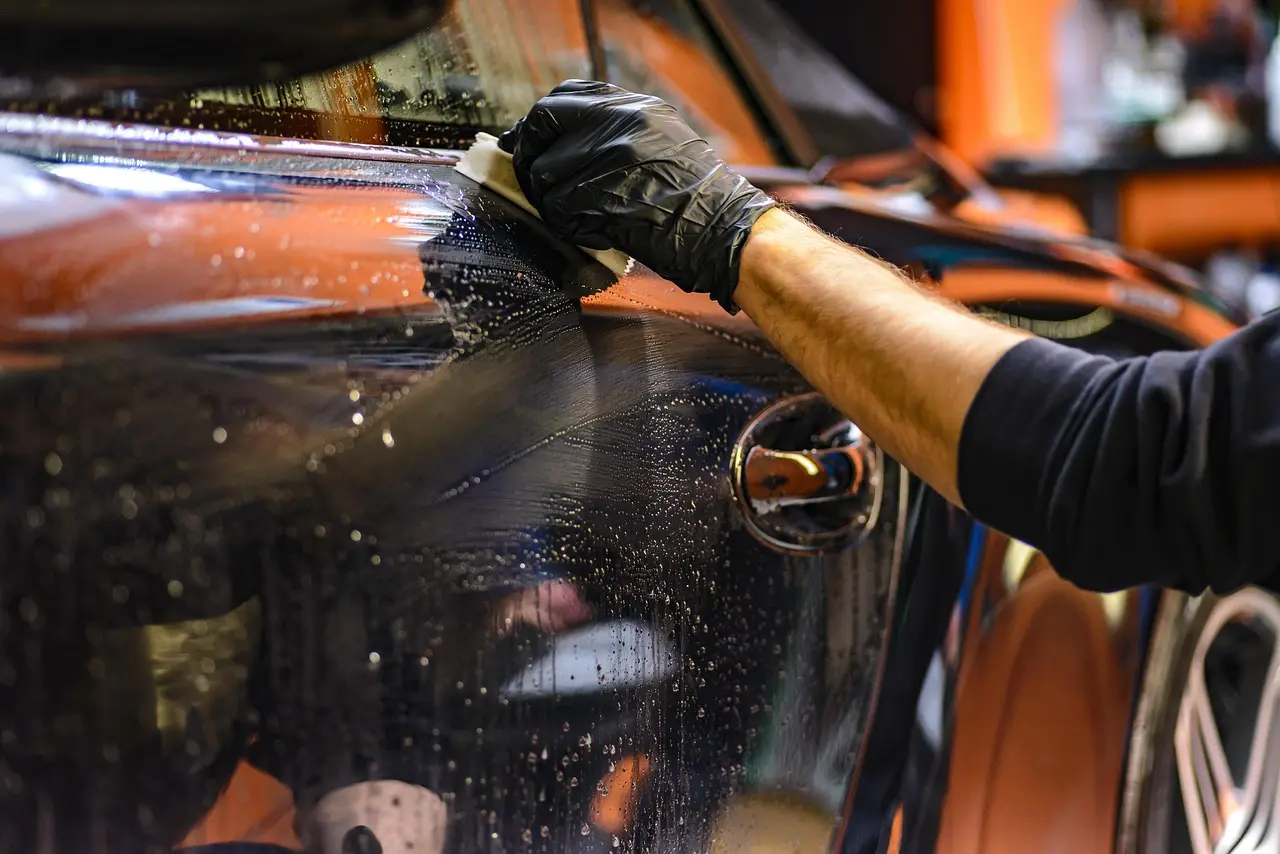
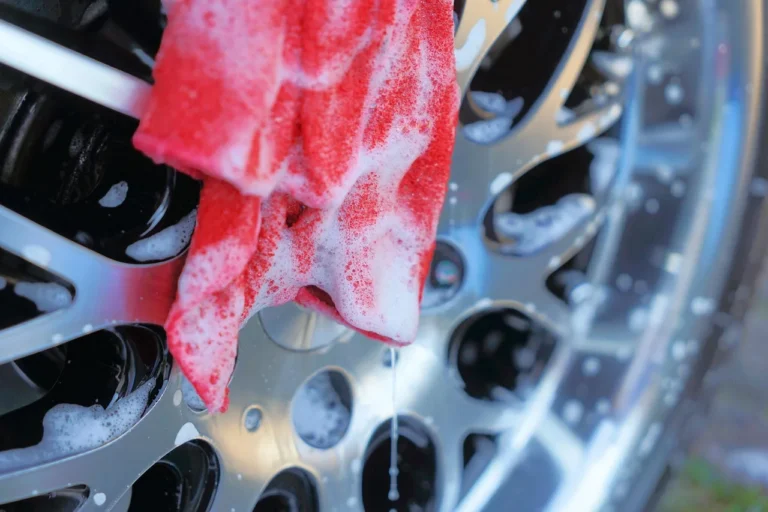
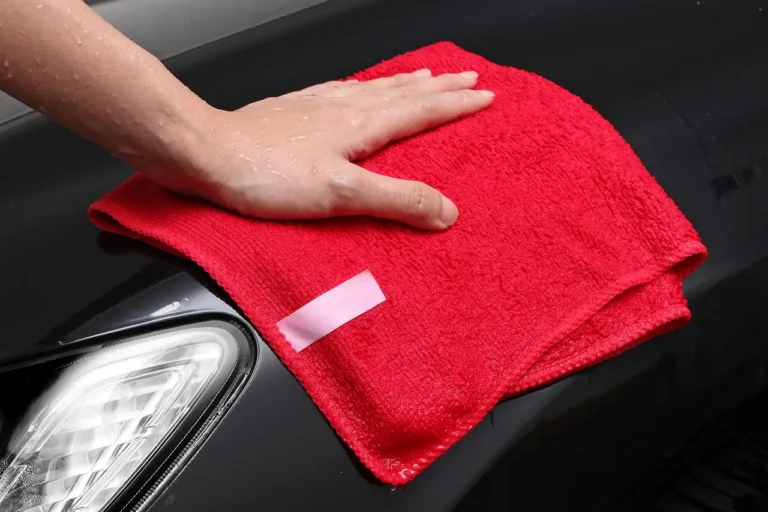
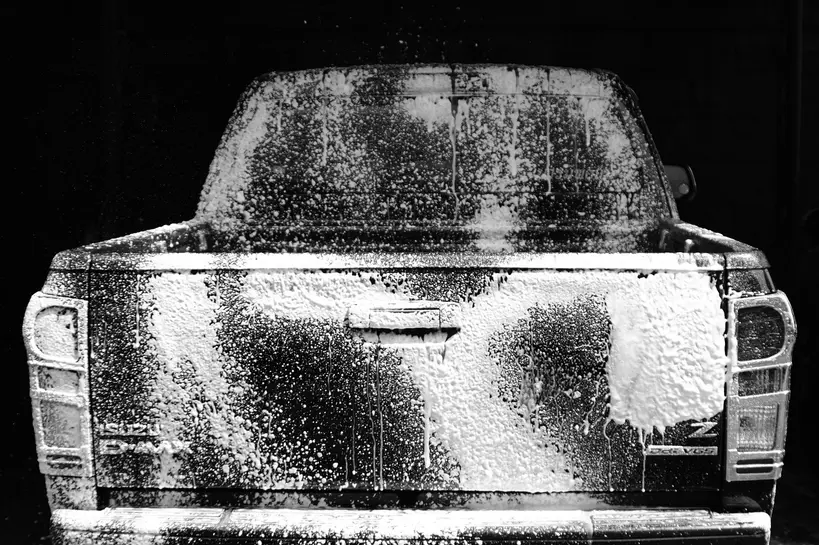
Start with a full rinse to sweep away loose grit before you touch the paint. Then mix the soap according to the label and keep the wash water separate from the rinse water. Wash from top to bottom with a clean microfiber mitt, rinse the mitt often, and finish with a full rinse and microfiber drying towel.
- Park in shade or on a cool panel.
- Rinse the whole car to remove loose grit.
- Fill one bucket with wash solution and one with clean rinse water.
- Start at the roof and upper glass, then work downward.
- Rinse the mitt after each panel pass.
- Use a separate wheel bucket or separate wheel tools.
- Rinse fully, then dry with microfiber before water spots set.
Top-up rule for the bucket
If the solution starts to look weak or loses glide, add the same soap-to-water ratio the label calls for, then recheck the feel after one panel. Do not keep pouring in more soap to chase foam; more suds do not mean safer cleaning.
Common mistakes to avoid
Using a gritty sponge or dirty towel can leave swirl marks quickly. Washing in direct sun or on hot paint speeds drying and can leave spots or soap residue. Mixing wheel grime into the body wash bucket can move brake dust onto paint. Too much soap can leave film if it is not rinsed clean.
Another mistake is treating household soap as equal to car soap. It is not. The safer path is the mildest effective cleaner, used once, with a clean mitt, clean rinse water, and a fast dry. If the finish is matte, stop and use a product made for matte paint only.
Car soap decision table
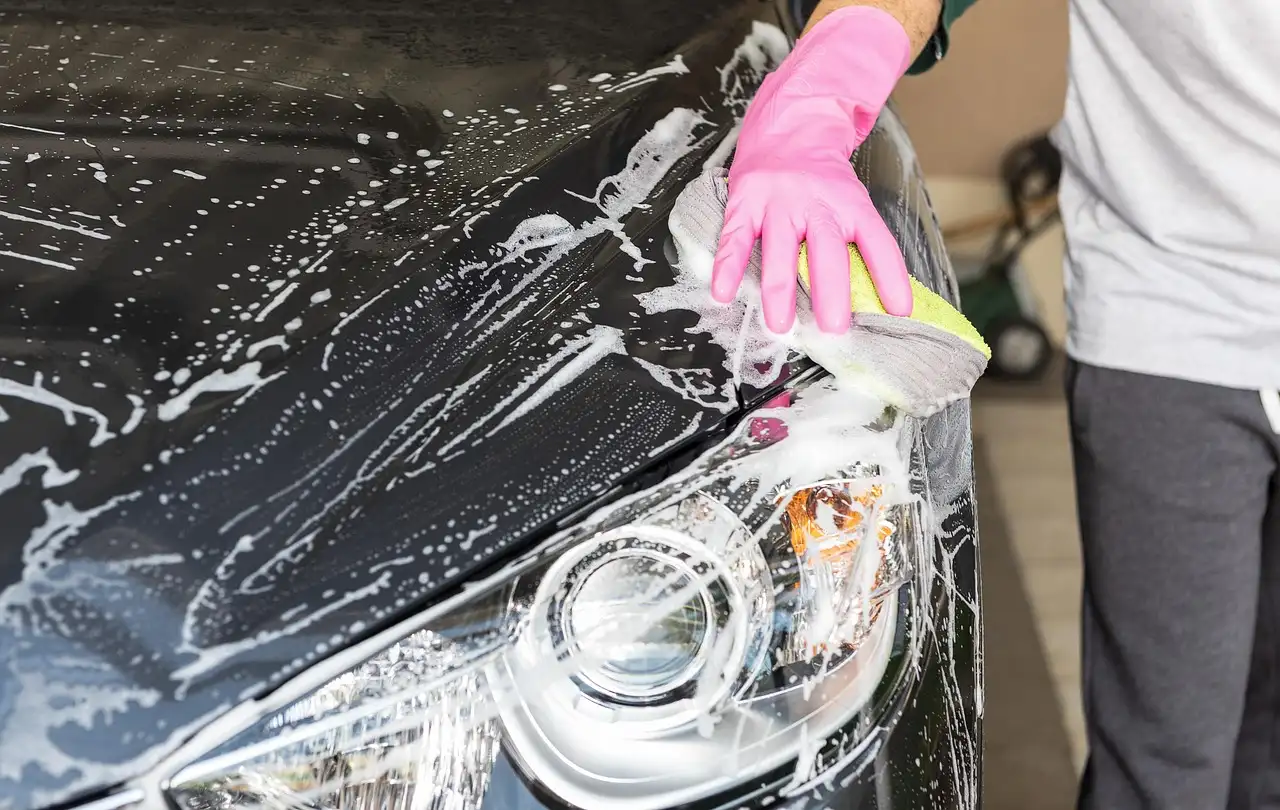
This table ranks common options by safest use case, paint risk, and whether they are acceptable for a one-time emergency wash. It also flags waxed cars, ceramic-coated cars, and matte finishes where the choice changes.
| Soap or cleaner | Safest use case | Paint risk | One-time emergency wash | Waxed cars | Ceramic-coated cars | Matte finishes |
|---|---|---|---|---|---|---|
| Dedicated car wash soap | Routine hand wash | Lowest | Yes | Yes | Yes, if coating-safe | Only if matte-safe |
| Baby shampoo | Light dirt in a pinch | Low to moderate | Yes | Usually yes for one wash | Use only if coating-safe and mild | Use cautiously |
| Shampoo | Light dust and film | Low to moderate | Yes, if mild | Usually yes for one wash | Use only if coating-safe | Use cautiously |
| Hand soap | Very light cleanup | Moderate | Maybe | Not preferred | Not preferred | Not preferred |
| Dish soap | Emergency only | Higher | Yes, with caution | No, if wax preservation matters | Not preferred | Avoid unless the finish maker allows it |
| Laundry detergent | Last resort only | Highest of this group | Rarely | No | No | Avoid |
Frequently asked questions
What soap can I use to hand wash my car?
Use dedicated car wash soap first. If that is not available, baby shampoo or mild shampoo are better household backups than dish soap. Dish soap is emergency-only, and laundry detergent should be avoided unless there is no other option and the wash is truly one-time.
What soap can you use to wash your car at home?
At home, the safest choice is still a dedicated car wash soap mixed to the bottle label. If you only have household products, choose the mildest option available, such as baby shampoo, and keep the wash to one session with a thorough rinse and dry.
What detergent can you use to wash your car?
Detergent is not a good routine choice for paint. If there is no car soap, a very mild one-time wash with a small amount of dish soap is usually safer than laundry detergent. Laundry detergent is stronger and is generally a poor substitute for car paint.
What soap should you use to wash your car?
Use a dedicated car wash soap. It is made for automotive paint, is milder than household cleaners, and is intended to preserve wax and finish. Follow the label dilution, keep the mitt clean, and rinse quickly so soap does not dry on the panel.
What other soap can I use to wash my car?
Baby shampoo and mild shampoo are the better household alternatives for a one-time wash. Hand soap is less effective on stubborn dirt, and dish soap can strip wax. If the car has a coating or matte paint, use a product made for that finish instead.
What kind of soap can u use to wash a car?
The best kind is a pH-balanced car wash soap made for paint. That choice is safer on wax, sealant, and coating layers than household cleaners. If you must use a backup, keep it mild, dilute it well, and treat it as a one-time fix.