Brake Dust vs Rust on Wheels: How Can You Tell?
If brown or black grime wipes off with a damp microfiber, it’s usually brake dust; orange-red, flaky material that leaves pits or rough spots is rust or finish damage. Guessing wrong can send you to the wrong cleaner, brush, or repair and can make corrosion worse. This guide shows a fast visual check and a simple touch test to separate brake dust from surface rust before you clean anything. Brake dust is the default pick when the stain sits on the finish and reacts to iron remover; rust on wheels wins when the metal itself is flaking, pitting, or missing coating.
| Decision factor | Brake dust | rust on wheels | Winner |
|---|---|---|---|
| Where the stain sits | Usually on the wheel face, spoke pockets, lip, or barrel finish | On exposed metal, chipped coating, rotor hat, hub, or bare spots | Brake dust |
| What it looks like | Fine brown, gray, or black film; can turn red-brown after oxidation | Orange-red, rough, flaky, or pitted material | rust on wheels |
| Touch test | May wipe or soften with cleaning; feels like bonded grime | Feels rough, raised, or crusty; does not wipe away cleanly | rust on wheels |
| Iron remover reaction | Often reacts and turns color as it breaks down ferrous particles | May react on loose rust, but it will not repair corroded metal | Brake dust |
| Likely next step | Wheel cleaner, iron remover, then a wheel brush | Inspect for coating loss, pitting, or part replacement | Depends |
Brake dust or rust?
Brake dust fits when the grime sits on the wheel finish, wipes partly away, and reacts to iron remover. Rust on wheels fits when the color comes with roughness, flaking, or visible metal loss on the wheel, rotor hat, or hub.
Why the color can look similar
Brake dust comes from rotor and pad friction. It carries tiny metal particles, often iron or other ferrous material, and can turn brown or red after oxidation. Rust is iron oxidation on exposed metal, so both problems can share the same red-brown tone.
The difference is structure. Brake dust is buildup. Rust is corrosion. One sits on top of a finish or brake part; the other eats into bare metal or damaged coating.
Where the stain usually starts
Start with the wheel face and spoke pockets, then inspect the lug area, center cap edge, wheel lip, barrel, rotor hat, and hub. Brake dust usually starts on the wheel surface and hides in corners. Rust usually starts where coating is chipped, thin, or missing, or on the rotor and hub where bare iron is exposed.
Semi-metallic brake pads can make more visible dust because the pad material sheds more metal particles during braking. That dust moves with air and lands on paint and wheels, where it can begin quietly eating into clear coat if it sits too long.
What to inspect first
Inspect the wheel face first, then move inward. If the stain is strongest in spoke pockets, around lug holes, or inside the barrel, brake dust is more likely. If the stain begins on a chipped edge, the rotor hat, or the hub and looks rough or scaly, rust is more likely.
Wheel face and spoke pockets
These areas catch the most airborne debris. Brake dust often clings here because air flow and wheel shape trap fine particles. A nylon bristle wheel brush helps lift softened contamination from these pockets after cleaner or iron remover has had time to work.
Lug area and center cap edge
The lug area is easy to miss because grime gathers in tight spaces. Look for a brown film that sits on the finish versus orange-red material that starts at a chip or scratch. If the center cap edge is stained but intact, that points more toward embedded dust than metal corrosion.
Wheel barrel, lip, rotor hat, and hub
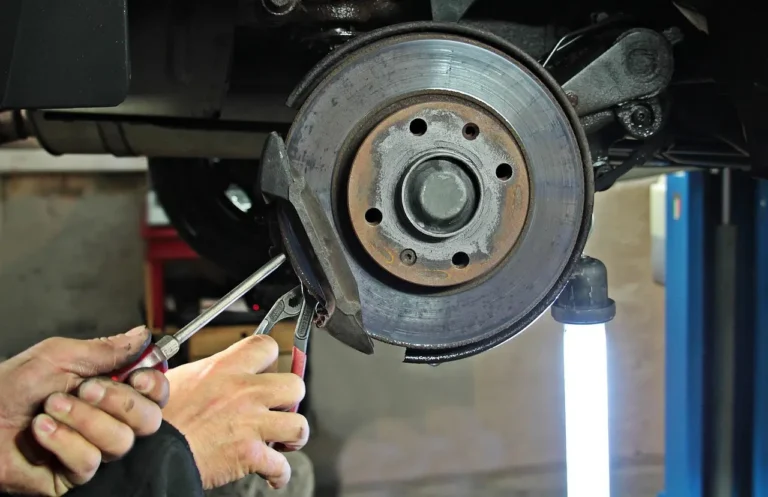
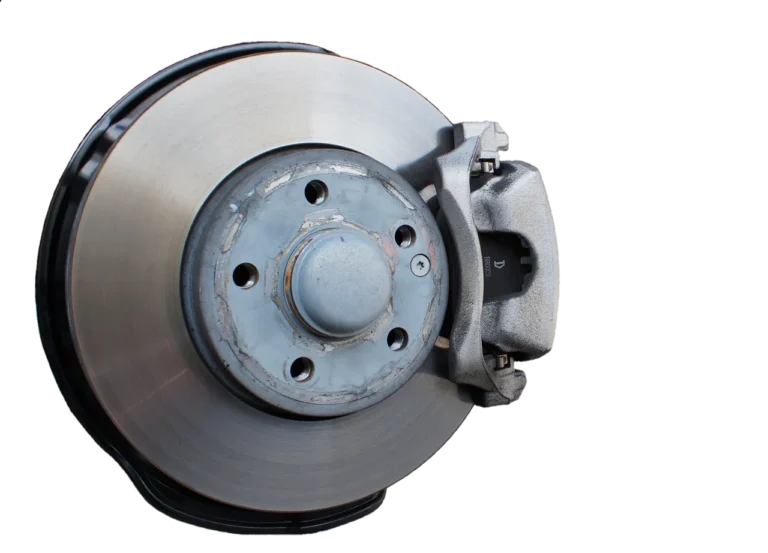
The wheel barrel can hide caked contamination because it is harder to inspect than the face. The lip may hold dust where the tire meets the wheel. The rotor hat and hub are different checks entirely: they are brake-related hardware, and orange corrosion there is often surface rust rather than wheel grime.
Suppose an about 19-inch painted wheel looks brown behind every spoke, but the outer lip wipes cleaner after a damp pass. That pattern points toward brake dust in the barrel and spoke pockets, not rust across the whole wheel.
How to tell by sight
Use color, texture, and placement together. Brake dust often looks like a thin film, speckling, or caked gray-brown residue. Rust usually looks more orange-red, more uneven, and more likely to leave pits, flakes, or rough edges where the metal or coating has failed.
Color and texture clues
A smooth brown stain on clear coat can still be brake dust, especially if it appears where pads and rotors shed debris. A crusty orange patch on bare metal or chipped paint is more consistent with rust. If the stain looks raised rather than flat, inspect closer.
Powdery film versus flaky corrosion
Brake dust can feel like bonded grit or a greasy mineral film. Rust often feels dry, rough, and unstable. When a finger or microfiber pulls off brown residue but leaves the metal shape intact, that favors contamination. When the surface stays rough after wiping, corrosion is more likely.
When brown staining points to finish damage
Wheel finish damage matters because stained clear coat or paint can hold iron contamination even when the metal underneath is fine. If the stain keeps returning in the same patch, or if the area looks dull, etched, or discolored after cleaning, the finish may be damaged. That is different from bare-metal rust.
A common first-timer mistake is calling every red-brown wheel stain rust. If the wheel surface is intact and the spot reacts to iron remover, the problem may be embedded brake dust sitting in the clear coat rather than corrosion in the wheel itself.
Can an iron remover confirm it?
Yes, partly. An iron remover can help confirm embedded ferrous contamination because it reacts to iron particles and often changes color. If there is no reaction on a hidden spot, that does not prove the stain is harmless; it may mean the stain is dirt, coated grime, or corrosion that the product cannot dissolve.
What a reaction means
A visible color change after spraying usually means the cleaner is reacting with embedded iron particles. That supports brake dust or other ferrous contamination on the wheel finish. It does not mean the wheel is rust-free, and it does not repair damaged metal.
What no reaction means
No reaction can mean several things. The stain may be non-ferrous dirt, a sealant or coating that blocks contact, or rust that needs mechanical repair rather than chemical decontamination. If the area is flaking, pitted, or missing finish, stop treating it like simple buildup.
How to test a hidden spot safely
- Pick a small area behind a spoke or near the inner barrel.
- Rinse loose grit away first.
- Spray the iron remover on the test spot only.
- Let it sit for 3-5 minutes, unless the label says otherwise.
- Watch for a color change or reaction.
- Agitate lightly with a nylon bristle brush if the label allows it.
- Rinse and inspect the finish for pitting, flaking, or dull etching.
The hidden-spot test separates reactive iron buildup from a stain that is already part of the finish problem. It also keeps you from spraying an entire wheel with the wrong product if the first clue is already on one corner.
Brake dust vs rust on wheels checklist
This checklist gives a quick decision path. Use the location, the look, and the iron-remover reaction together. When the clues disagree, trust the metal condition first: flaking, pitting, or coating loss points to rust or finish damage, not ordinary brake dust.
| Where the stain is | What it looks like | Iron remover reaction | Likely diagnosis | Next action |
|---|---|---|---|---|
| Wheel face, smooth clear coat | Brown film that wipes lighter with a damp microfiber | Turns color | Brake dust | Use wheel cleaner or iron remover, then brush and rinse |
| Spoke pockets and lug area | Caked brown residue in corners | Turns color | Brake dust | Agitate with a nylon bristle wheel brush and rinse well |
| Wheel barrel | Heavy dark buildup hidden from view | Turns color | Brake dust | Clean in sections and recheck with a light source |
| Outer lip with chipped paint | Orange-red spot that feels rough | Little or no change | Finish damage | Stop scrubbing the chip; inspect for coating repair |
| Rotor hat | Orange crust on exposed brake metal | May react slightly | Surface rust | Clean carefully; inspect whether the rust is only cosmetic |
| Hub center | Orange-red corrosion with rough texture | Little or no change | Surface rust | Check for deeper corrosion before the wheel goes back on |
| Wheel face after repeated cleaning | Dull stain that returns in the same patch | Turns color again | Brake dust or finish staining | Inspect for etched clear coat or a failing coating |
| Area around a scratch or chip | Rust-colored bloom spreading from the damaged spot | Little or no change on the rusted edge | Finish damage | Repair the coating before corrosion spreads farther |
What each diagnosis means next
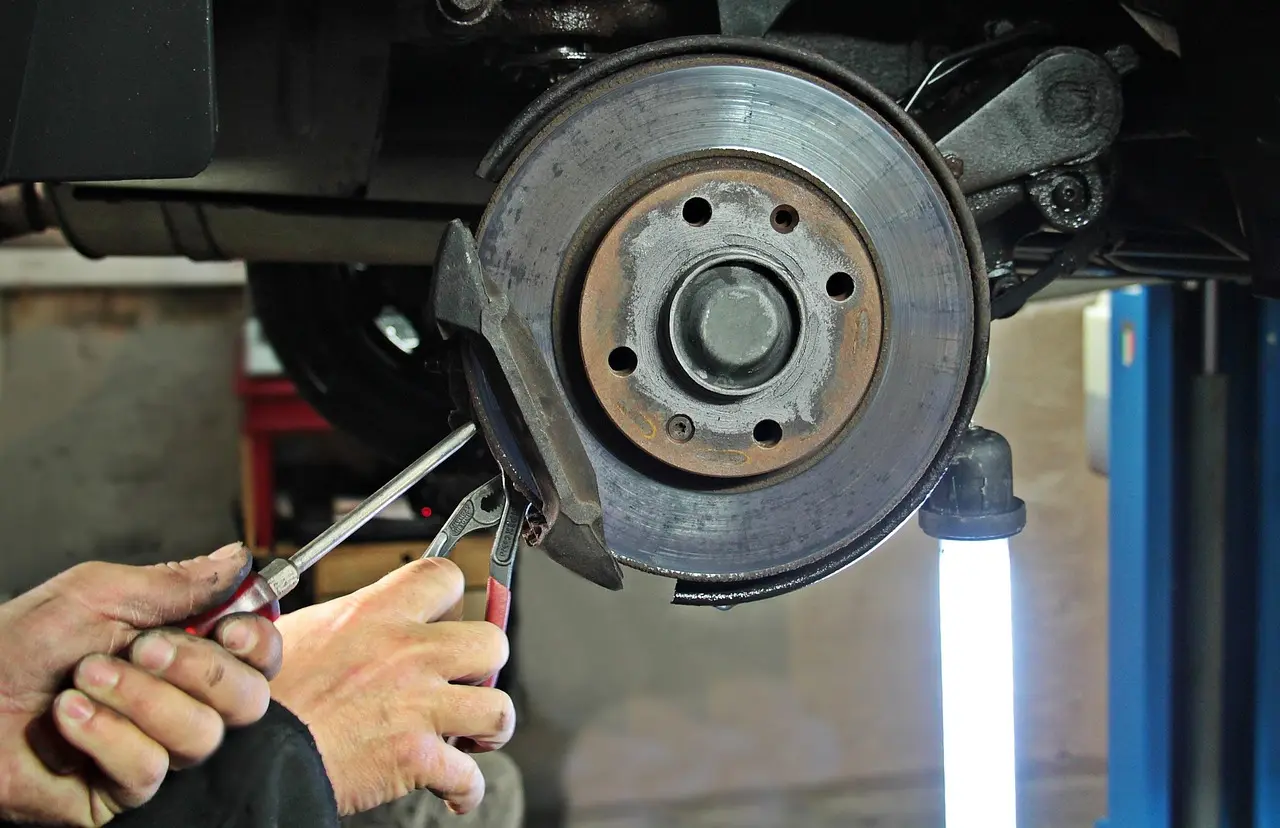
Cleanable brake dust calls for cleaning, not repair. Surface rust on rotors or hubs calls for inspection of the brake hardware, since those parts are meant to be iron or steel and can rust at edges or hat surfaces. Wheel finish damage means the coating needs attention because contamination may keep returning.
Cleanable brake dust
If the stain is brake dust, use a wheel cleaner or iron remover first, then agitate with a wheel brush. Traditional soap and water will not remove embedded iron particles, though soap can remove loose dirt before treatment. Regular maintenance helps prevent future buildup.
Surface rust on rotors or hubs
Rotor and hub rust is common where bare metal is exposed. Light orange film on those parts may be cosmetic, but flaking, heavy pitting, or spread from a chip needs closer inspection. An iron remover is not a substitute for fixing rusted metal.
Wheel finish damage or corrosion repair
When the wheel finish has etched, chipped, or lost coating, cleaning alone will not solve the problem. Brake dust can stain damaged clear coat, and rust can spread from a chip. In that case, stop scrubbing hard and look for repair or refinishing.
How to clean each one
Brake dust gets the most benefit from a wheel cleaner or iron remover, especially when the buildup is bonded to the finish. A wheel brush helps in spoke pockets and the barrel after the cleaner loosens the residue. Rust on wheels needs a different approach because rough metal damage cannot be cleaned away.
When to use wheel cleaner
Use wheel cleaner for routine grime and light brake dust. Let the product sit for the label time, then rinse and brush where needed. The Red Eye Garage article on Sonax Wheel Cleaner says the cleaner changes color and is used after a 3-5 minute dwell.
When to use iron remover
An iron remover is the better choice when the stain seems embedded in the finish or returns after soap. The page cited in the sources recommends an iron remover spray every two to three months, and ceramic coatings reduce iron adhesion. That makes prevention easier, but it does not erase rust.
When a wheel brush helps
A nylon bristle brush helps loosen contamination in spoke pockets, around lug holes, and inside the barrel. It works best after the cleaner softens the residue. The same source also describes a 24-hour soak method for stubborn brake dust, including the barrel, when normal dwell time is not enough.
When to stop cleaning and inspect further
Stop cleaning when the stain is tied to chipping, pitting, or flaking. Those signs point to finish loss or real corrosion, not ordinary brake dust. Also stop if the spot keeps returning quickly in the same place after proper cleaning, because that usually means the problem is deeper than surface grime.
Chipping, pitting, or flaking
Any exposed metal spot that pits or flakes is a repair issue first. Aggressive scrubbing can make the coating failure worse. If the wheel lip, spoke edge, or lug area is missing finish, cleaning should pause until the damage is assessed.
Stains that return quickly
Fast return can mean embedded iron remains in the clear coat, or the finish is already etched and holding contamination. If brake dust comes back in the same ring pattern after a proper rinse and brush, the wheel may need decontamination plus coating repair or protection.
Signs the wheel needs repair
Look for bubbling paint, bare metal, spreading rust from a chip, or a rough area that never smooths out after cleaning. Those signs are not solved by more soap. They need repair before the corrosion spreads further.
Picture a painted wheel that has about a one-inch chip near the lip. If orange corrosion grows outward from that chip, that is not brake dust hiding in the finish. The chip is the source, and the rust will keep moving until the coating is repaired.
Choose brake dust if or rust on wheels if…
Choose Brake dust if the grime sits on the wheel finish, reacts to iron remover, and softens or wipes away after cleaning. Choose rust on wheels if the stain is orange-red, rough, flaky, or tied to a chip, pitted metal, rotor hat, or hub corrosion. The right pick changes the next step: cleaning for one, repair inspection for the other.
- Choose Brake dust if the stain is on the face, spoke pockets, barrel, or lip and the wheel surface still feels smooth.
- Choose Brake dust if the hidden-spot iron remover test turns color.
- Choose rust on wheels if the spot is on exposed metal, a chip, the rotor hat, or the hub and it feels rough or crusty.
- Choose rust on wheels if the finish is flaking, pitted, or spreading from a damaged edge.
Frequently asked questions
How can you tell if wheel grime is brake dust or rust?
Look at where it sits first. Brake dust usually coats the wheel surface, especially the face, spokes, and barrel, and may react to iron remover. Rust on wheels usually starts on exposed metal or damaged coating and looks rough, flaky, or pitted rather than like a bonded film.
What does brake dust look like compared with rust on wheels?
Brake dust often looks brown, gray, or black, and it can turn red-brown after oxidation. Rust usually looks more orange-red and more uneven. If the spot is smooth and film-like, brake dust is more likely. If it is crusty or flaking, rust is more likely.
Can brake dust turn reddish-brown like rust?
Yes. Brake dust contains fine metallic shards, mostly iron or other ferrous material, and those particles can oxidize. That is why dirty wheels sometimes look rust-colored even when the wheel metal is fine. Color alone is not enough; texture and location matter too.
Does rust usually start on the wheel, rotor, or hub?
It can start on all three, but the source is usually exposed iron or steel. On wheels, rust starts where the finish is chipped or worn. On the rotor hat or hub, rust starts on bare brake hardware. That is why those areas need separate inspection from the wheel face.
How do you test whether a stain is on the wheel surface or coming from metal corrosion?
Use a hidden-spot test on a small section. Clean loose dirt first, then apply iron remover and wait 3-5 minutes. If the spot changes color, embedded iron contamination is likely. If the area stays rough, flakes, or pits, you are probably dealing with corrosion or finish damage.
Should I clean brake dust differently if my wheels are already rusting?
Yes. Clean the brake dust gently first, but stop if the coating is already failing. Use a wheel brush and iron remover on the finish, not on flaking metal. If rust is active on the lip, rotor hat, or hub, inspect that damage separately before focusing on more cleaning.