Why Did My Upholstery Cleaner Leave Stains on Car Seats?
Your upholstery cleaner likely left stains because it re-wet old soil, over-saturated the foam, or left surfactant residue that wicked back as the seat dried. If you keep scrubbing blindly, the mark can spread, set deeper, or leave a bigger ring. This guide shows how to identify the stain pattern and choose the safest fix for each one.
What you’ll need
- Clean, dry microfiber cloths
- A soft scrub brush for set-in stains
- A damp towel for rinse wiping
- A dry towel or fan for drying
- A vacuum for loose dirt before any wet cleaning
- The cleaner label so you can confirm whether it needs rinsing
- If needed, baking soda for a 2-to-1 paste with water
Why did the cleaner leave a stain?
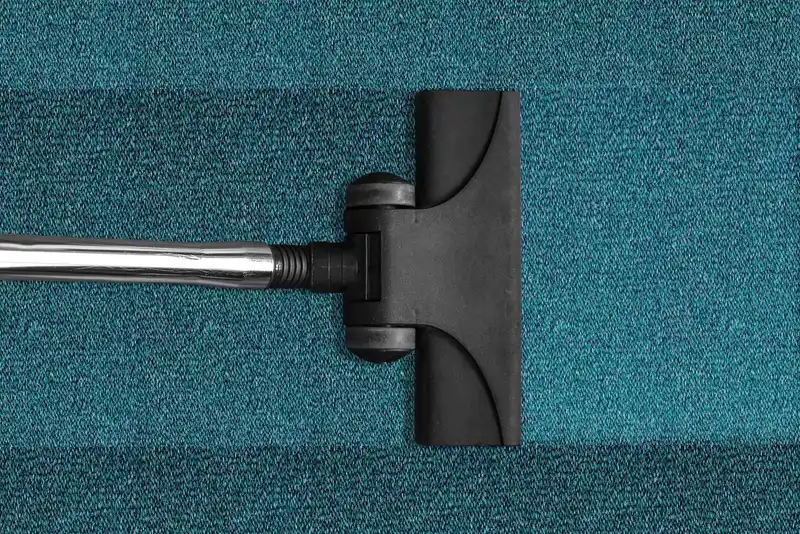
The stain usually means the cleaner changed what was already in the fabric. On cloth car seats, a porous textile surface can hold cleaner residue, water marks, and loosened soil. The visible mark may be the product itself, the original spill coming back up, or mineral spotting from hard water.
Residue left in the fabric
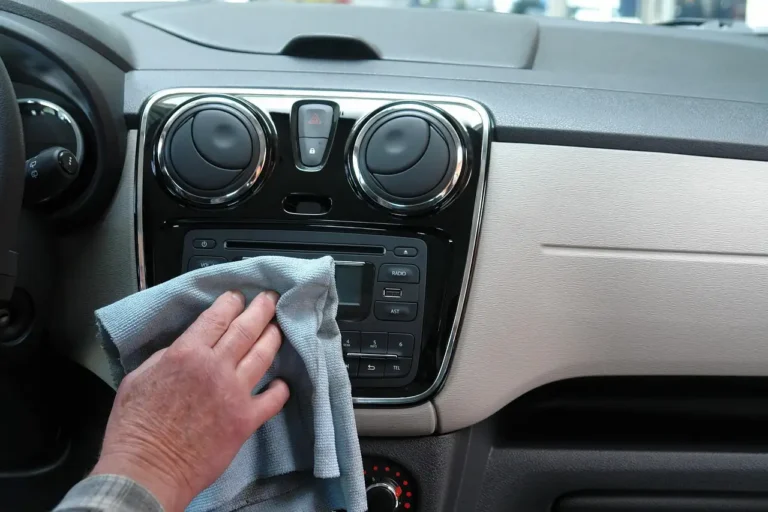
Some upholstery cleaners are foam or spray formulas that need wiping and rinsing. If the cleaner stays in the weave, it can dry into a pale film or a darker edge. A microfiber cloth helps blot and lift loosened soil without flooding the seat.
Too much liquid for cloth seats
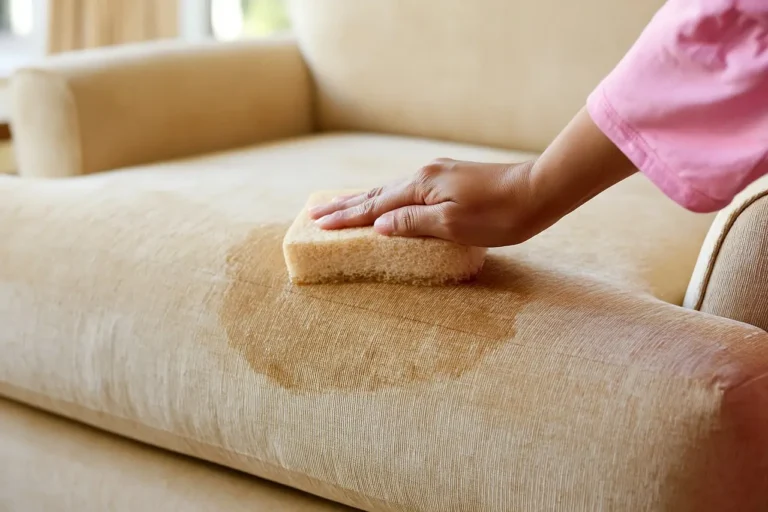
Cloth seats should be blotting jobs, not soaking jobs. Extra liquid travels below the top fibers and can pull soil outward as it dries. That creates a ring, a tide line, or a patch that looks worse after the seat has been left alone.
Original stain wick-back
Sometimes the cleaner loosened the old spill, but the spill did not leave the seat. As moisture moves upward during drying, the stain returns at the edge or center. That is wick-back, and it often looks like the seat keeps getting dirtier even after cleaning.
Mineral marks from hard water
Hard water can leave mineral marks on cloth and can create fresh rings after a wet cleaning pass. If the mark appeared after rinsing or after a tap-water wipe, a damp towel rinse with distilled water on the final pass is often safer than another cleaner pass.
Why does the seat keep getting darker?
A seat that keeps darkening usually still holds moisture, cleaner residue, or old soil that is moving back to the surface. That change often shows up as a spreading shadow, a renewed ring, or a darker edge around the cleaned spot. Stop adding product until the fabric is actually dry.
Cleaner still in the fibers
Residue can stay trapped in cloth upholstery and attract dirt as it dries. If the area is still damp, the darker look may not be a fresh stain at all. Drying first matters because a half-cleaned patch can look worse for hours.
Moisture pulling old soil back up
When the fabric stays wet too long, older grime can rise with the moisture. Picture a roughly 4-inch coffee spot on the edge of a seat that may look lighter after scrubbing, then turn brown again as it dries. That is a sign to rinse and blot, not to keep scrubbing.
A ring forming at the drying edge
A drying edge can collect dissolved soil and leave a visible boundary. Suppose the cleaned area is the size of a dinner plate and the outside edge turns dark first. That pattern points to uneven drying, so the next move is controlled drying and a light rinse, not more foam.
Upholstery stain troubleshooting table
| Stain appearance | Likely cause | Immediate fix | What not to do | Re-clean, rinse, extract, or dry? |
|---|---|---|---|---|
| Ring-shaped mark | Cleaner residue or wick-back at the edge | Blot with a dry microfiber cloth, then lightly rinse the ring with a damp towel | Do not re-spray the center only | Rinse, then dry |
| Tide line | Soil moved outward as moisture dried | Feather the edge with a damp towel, then blot clean and dry | Do not flood the whole panel | Rinse, then dry |
| Dark patch | Over-wetting or original stain rising back up | Stop product use and dry the area fully before judging it | Do not scrub harder while it is wet | Dry first, then reassess |
| White residue | Leftover cleaner dried on the fibers | Wipe with a damp towel, then blot with a dry microfiber cloth | Do not add more foam cleaner on top | Rinse, then dry |
| Repeated wick-back | Moisture is pulling old soil from deeper in the seat | Blot, extract if possible, then dry with airflow | Do not keep re-wetting the same spot | Extract, then dry |
| Hard-water spotting | Minerals left behind after tap-water cleaning | Follow with distilled water on a damp towel, then dry fully | Do not leave hard-water rinse marks to air-dry | Rinse, then dry |
What should you do next?
If the stain changed after cleaning, the safest next move is a controlled rescue sequence. Start by removing loose residue, then use a damp towel rinse only if the label allows it. Stop adding product as soon as the mark stops shrinking or starts changing shape.
- Blot the area with a dry microfiber cloth until no more foam or moisture transfers.
- Rinse with a damp towel, not a wet one, to lift leftover cleaner from the fibers.
- Blot again with a fresh dry microfiber cloth, then check the drying edge for a ring.
- Use a soft scrub brush only if the stain is set in, and keep the motion light and circular.
- Dry the seat fully with a towel or fan before deciding whether the stain is gone.
- If the mark changes shape, stop and reassess whether you are seeing residue, wick-back, or mineral spotting.
For a stubborn but cloth-safe spot, a baking soda paste can help. Use 2 parts baking soda to 1 part water, spread it lightly, then rinse and dry after the paste has had time to work. ARM & HAMMER recommends letting it sit up to 30 minutes for difficult stains.
How do I fix cleaner residue on cloth car seats?
Cleaner residue usually comes off with a damp towel rinse and a dry blot, not another full cleaning pass. If the label says the formula needs rinsing, do that before anything else. On cloth seats, residue is easier to remove early than after it dries into a film.
Use the least amount of water that still picks up the residue. A microfiber cloth should be clean and dry for the final wipe, because a damp or dirty cloth can just spread the same residue across a wider patch.
Common mistakes
The most common errors are the ones that keep the fabric wet or move soil around instead of lifting it. Avoid these, and you reduce the chance of making a fresh stain out of a cleanup attempt.
- Re-cleaning without a rinse: more product can stack residue on top of residue.
- Soaking the seat: cloth upholstery can trap cleaner deep in the fibers.
- Scrubbing too hard: aggressive pressure can spread the stain or fuzz the fabric.
- Skipping full drying: wick-back and water marks often show up late.
- Using the wrong cleaner on the material: some products are not recommended for leather, and delicate controls should be kept dry.
Why the material matters
Cloth and leather need different care. Cloth seats tolerate blotting, rinse wiping, and controlled extraction; leather does not want the same wet treatment. Check the label before you touch trim, seams, or any nearby controls.
How much cleaner is too much?
Did you use too much upholstery cleaner on your car seat? If the area stayed wet for a long time, left a ring, or needed several towel passes to stop foaming, the answer is probably yes. In that case, use less product next time and rely on a damp towel rinse sooner.
Good Housekeeping lists 7 best car upholstery cleaners, and it says it has tested cleaners for over 120 years. It names CarGuys Super Cleaner its best overall pick. Armor All’s upholstery cleaner is sold as a spray that dispenses as foam, comes with a removable scrubbing brush, and Good Housekeeping says it requires wiping and rinsing; it also says one product is not recommended for leather. CarGuys Super Cleaner has over 16,000 five-star Amazon reviews, while Armor All’s product was priced at $6 at Walmart in the article and Rocco & Roxie was shown at $24 on Amazon.
Frequently asked questions
Why did my upholstery cleaner leave a water stain on my car seat?
A water stain usually means the seat dried unevenly after being over-wet or rinsed with hard water. Blot the spot with a dry microfiber cloth, then wipe once with a damp towel using distilled water if mineral spotting is likely. Finish with full drying before checking the result.
Can upholstery cleaner make car seats look worse after drying?
Yes. A cloth seat can look darker, ringed, or chalky after drying if the cleaner was left in the fibers or if soil wicked back up. The safest move is to stop adding product, blot, rinse if needed, and let the seat dry completely before deciding what changed.
Why does my car seat keep getting darker after cleaning?
That usually means moisture is still moving soil upward, or leftover cleaner is attracting dirt as it dries. Dry the area with airflow, then reassess. If the shape changes into a ring or tide line, use a light rinse and stop reapplying product.
Should I rinse car upholstery after using cleaner?
If the product label says to rinse, yes. A damp towel rinse removes leftover cleaner from cloth fibers and helps prevent residue rings. Keep the towel damp, not soaking wet, and follow with a dry towel or fan so the seat does not stay wet long enough to wick soil back up.
Can hard water cause stains on car seats after cleaning?
Yes. Hard water can leave mineral marks that look like fresh spots or rings after the seat dries. If that happened, follow with distilled water on a damp towel and then dry the area fully. Do not keep repeating tap-water wipes if the spot is already mineral-based.