Best Microfiber Towel Weave for Drying, Buffing, and Glass?
The best microfiber weave depends on the job: use twisted-loop or plush for drying, short-pile edgeless for buffing residue, and tight waffle weave or low-pile glass towels for windows. The wrong weave leaves water, smears coatings, or lint on glass. This guide maps each weave to drying, buffing, glass, paint, coatings, and interior use, plus the failure cases and buying cues that matter.
Microfiber towel weaves for detailing
Four weaves do most of the work in detailing: waffle weave, plush, glass-specific low-pile or short-nap, and twisted-loop drying towels. Each one changes how fast water moves into the fibers, how much residue it can lift, and how likely it is to drag, lint, or streak on the surface.
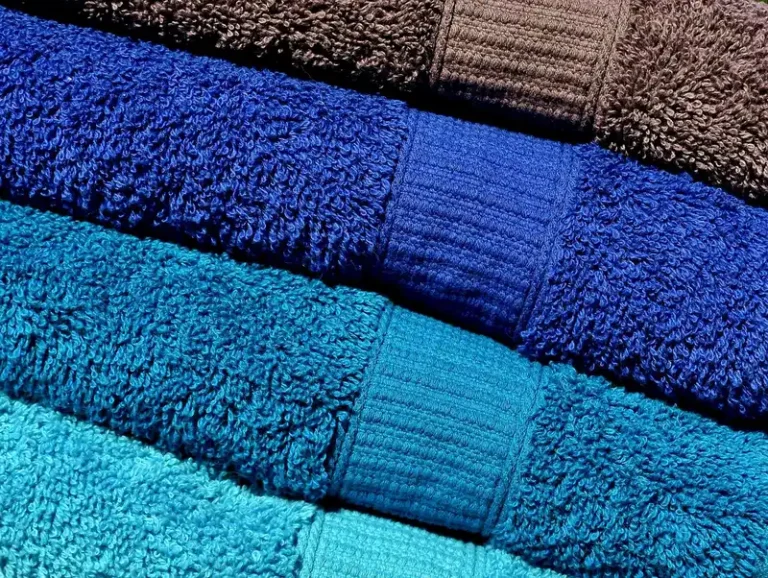
Waffle weave has open cell pockets that pull in water well and reduce drag on wet panels. Plush towels use a deeper pile for lubrication and residue pickup. Glass towels use a tighter, shorter surface so they leave less lint behind. Twisted-loop towels hold a lot of water and often dry large panels faster than plush towels.
How weave changes water pickup, residue pickup, and streak risk
Weave affects both capacity and contact behavior. A higher pile usually gives more cushion and more residue pickup, while a lower pile gives more control and less drag. On glass, that control matters more than softness. On wet paint, water uptake matters more than a silky face.
GSM, or grams per square meter, is part of the picture, but it is not a stand-alone quality score. A towel around 300 GSM can be excellent for glass, while a 600 GSM towel may be right for paint buffing. Very high GSM can also mean more bulk and slower release when the towel starts to load up.
Why task match matters more than marketing names
Marketing names do not tell you enough about a microfiber towel. A towel labeled “premium” can still be wrong if the pile is too high for glass or the edge is too firm for black paint. The right choice depends on surface, wetness, and whether you are removing water, residue, or a light final haze.
A common beginner mistake is grabbing the same plush towel for drying the paint, wiping away polish, and cleaning the windows. That often fails on mirrors, tight window corners, and trim next to paint. The towel can work on a hood and still be wrong on a pillar.
Which microfiber towel weave is best for drying?
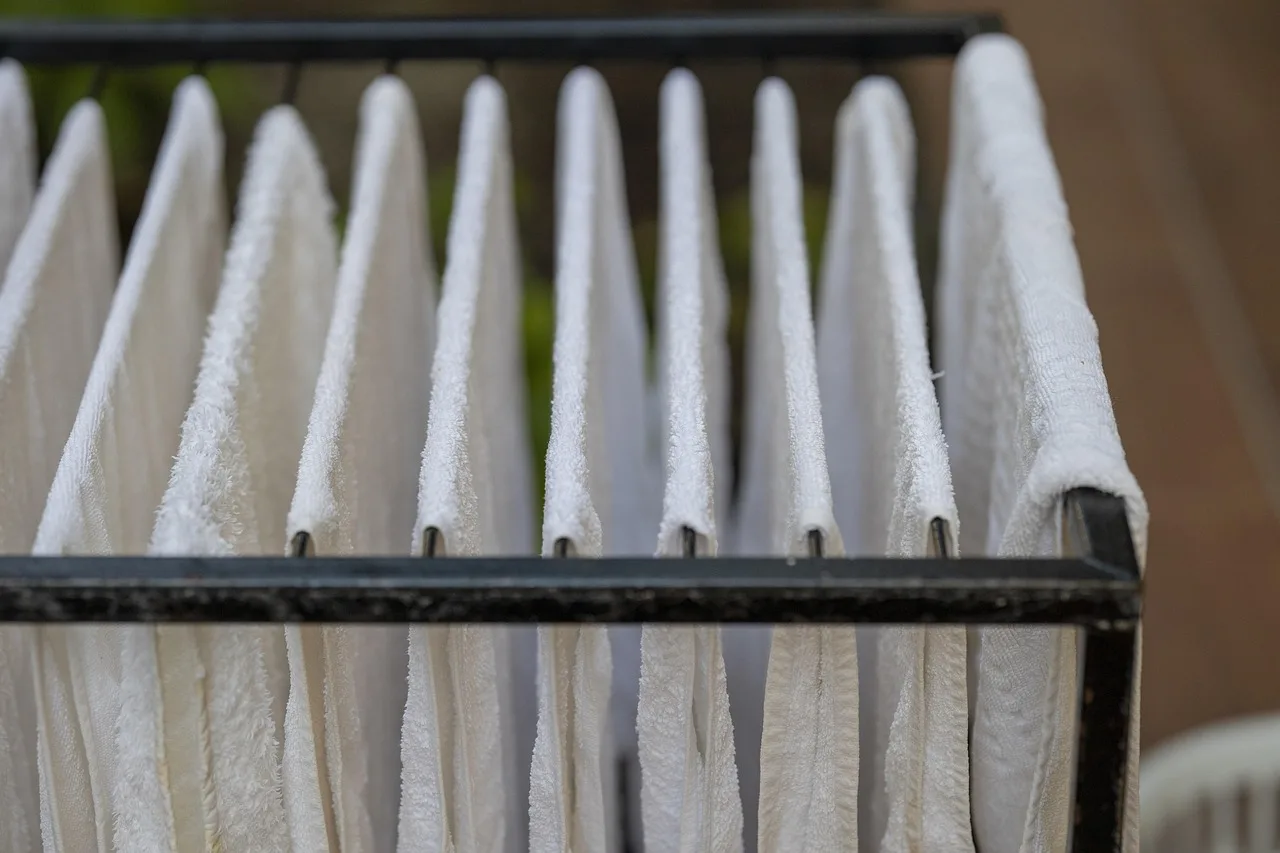
For drying a car, twisted-loop and waffle weave are two common picks. Twisted-loop towels are often better for fast first-pass drying on larger panels because they tend to hold more water and keep pulling it away. Waffle weave is a good choice when you want lower drag and controlled water uptake, especially on lighter water loads.
Waffle weave for lighter water removal
Waffle weave microfiber has open pockets that collect water efficiently. It is commonly used for drying because it moves across wet paint with less grab than many high-pile towels. It often works well after a rinse or sheet-dry step, when the panel is still wet but not flooded.
Its weak point is saturation. Once the pockets fill, the towel can start to glide water around instead of lifting it. On soft paint, a loaded waffle towel can leave faint trails where a drier towel would keep pulling.
Twisted-loop for faster first-pass drying
Twisted-loop towels are common on exterior paint and large panels because the looped structure can absorb and release a lot of water. They suit the first pass after washing, especially on hoods, roofs, doors, and quarter panels where water volume is still high.
They are not always the best choice for final touch-up drying. On delicate trim, tight badges, or already nearly dry panels, a large loop towel can feel too thirsty and less precise than a smaller waffle weave or lower-pile finish towel.
When a drying towel starts to smear instead of pull water
Drying towels fail when they saturate. At that point, the towel stops lifting water cleanly and begins to streak it. If the panel looks hazy after a pass, the towel is usually loaded, not necessarily dirty. Flip to a dry side or switch towels before the panel is fully streaked.
Coated paint changes the decision, but only a little. A coating can make rinse water sheet differently, which may help drying, yet a saturated towel still smears. The fix is the same: use a drier section and make shorter passes.
Which microfiber towel weave is best for buffing off wax or polish?
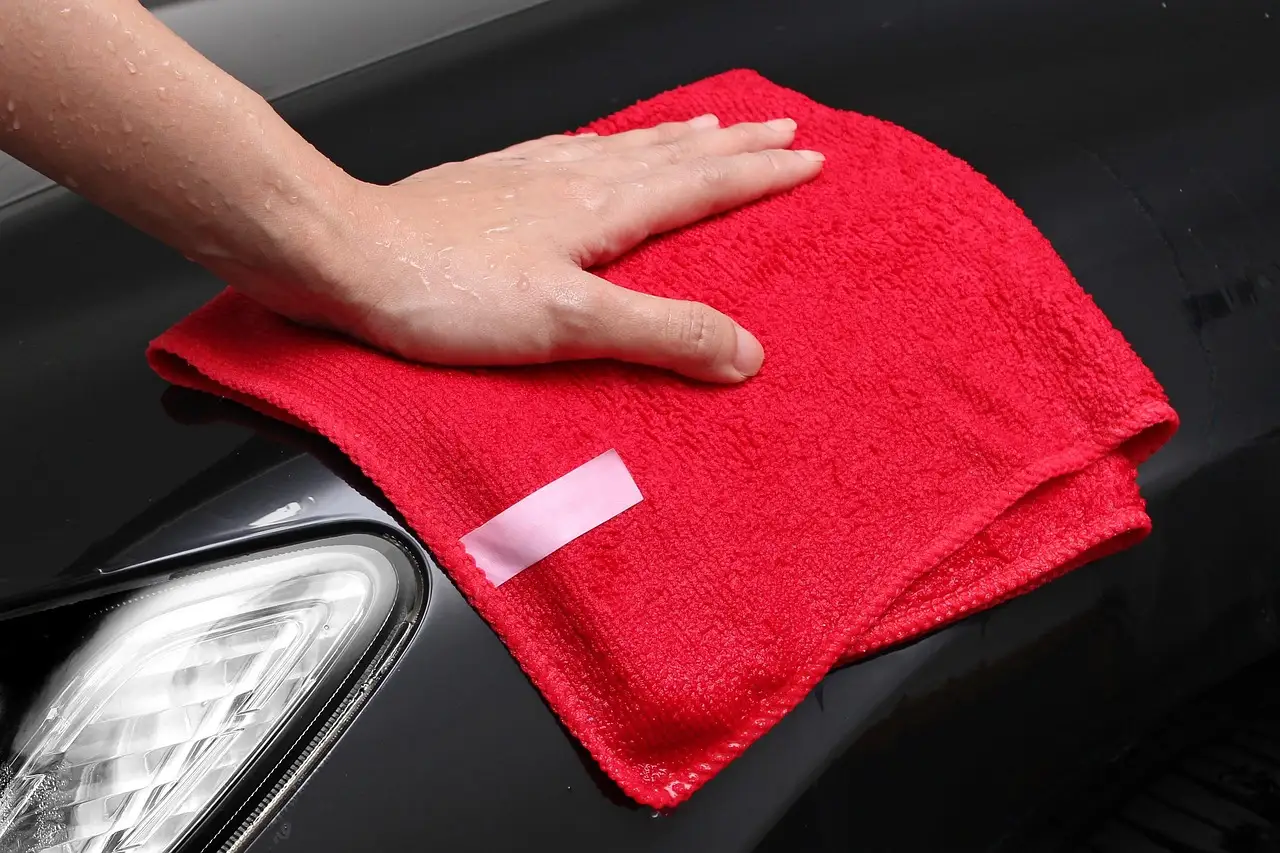
For buffing wax, sealant, polish, or coating residue, plush and short-pile edgeless towels are commonly used picks. Plush gives enough cushion and pickup for residue removal. Shorter piles give more control when the product is thin, sticky, or nearly cured. Edgeless construction is common because it reduces hard edge contact on paint.
Why plush towels are common for residue pickup
Plush microfiber has a deeper pile that grabs residue without feeling harsh on paint. That makes it a strong choice for wax removal, sealant leveling, and light polish cleanup. The pile gives the towel room to hold residue instead of smearing it back across the panel.
GSM often lands in the 300 to 600+ range for these towels, but the number alone does not tell you how it will behave. A thick towel can be excellent on a large flat hood and awkward on trim or around emblems if it is too bulky.
When edgeless construction helps on paint
Edgeless towels are often safer on paint because they remove the stitched edge that can catch on body lines, fresh trim, or sharp panel gaps. Laser-cut and ultrasonic-cut edges are common versions. They matter most on black paint, soft clear coat, and freshly detailed surfaces where edge drag is easier to see.
They do not solve every buffing problem. A poor weave or an overstuffed towel can still smear residue. Edgeless helps with edge control, not with every flaw in towel selection.
When a plush towel is too grabby for the job
A plush towel can be too grabby on a thin coating layer or on residue that has started to dry hard. In that case, the fibers may tug instead of glide, which raises streak risk. A shorter pile towel or a fresher towel side usually works better.
Picture a door panel with a light wax haze and tight body creases. A thick plush towel may bridge the crease and leave lint at the edge, while a smaller edgeless towel with a shorter pile can work into the line more cleanly.
Which microfiber towel weave is best for glass?
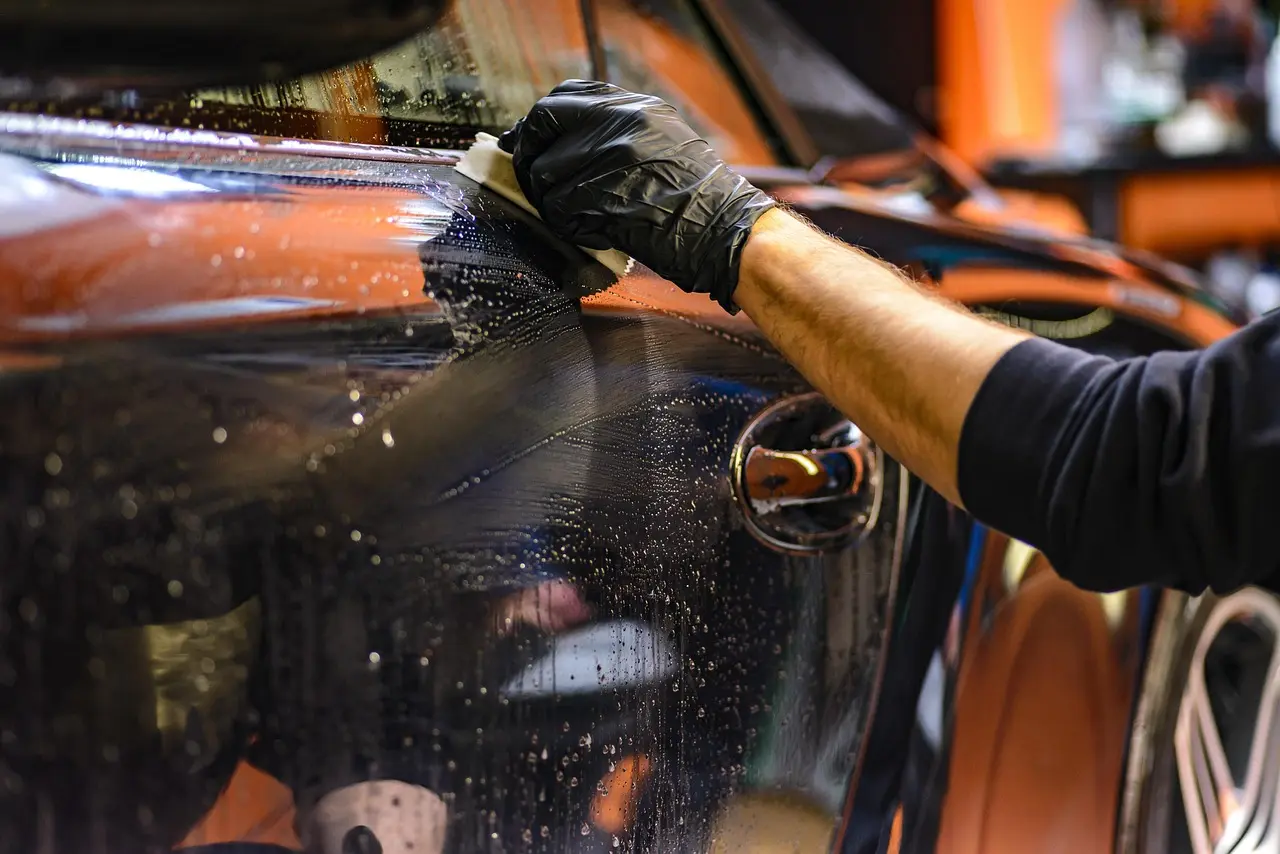
For glass, short-nap or glass-specific towels are often the best choice. They are designed to leave less lint, reduce drag, and clear cleaner lines on windows and mirrors. Thick plush towels often fail here because the pile can leave fibers behind and can drag across cleaner residue instead of leveling it out.
Short-nap and glass-specific towels for low lint and low streaking
Glass towels usually use a tight weave or short nap. That makes them better for interior and exterior glass, especially when the goal is a streak-free finish. They are often thinner than paint towels, which helps them move quickly over the surface without loading up too much cleaner.
They work well with a glass cleaner or with a damp/dry method. In damp/dry use, one side loosens residue and the other side follows to finish the surface. On mirrors and infotainment glass, a thinner towel gives better control in corners and along edges.
Why thick plush towels often fail on windows and mirrors
Plush towels can drag on glass because the pile holds cleaner and lint near the face of the towel. That can leave streaks, static haze, or tiny fibers on the edge of the glass. The problem gets worse on interior mirrors and tinted windows where a second pass should be light and precise.
Soft paint may forgive a plush towel on a final wipe. Glass usually does not. If the towel feels slow on the first pass, it will often leave a film on the second.
Damp/dry method versus glass cleaner method
The damp/dry method uses one lightly damp towel to loosen film and a dry towel to finish. It is useful on lightly soiled glass and on interior windows with fingerprint haze. The glass cleaner method works well when you need faster breakup of oily residue or road film.
Both methods depend on low-pile contact. A thick drying towel is the wrong shape for either one because it can hold too much liquid and push the residue around instead of lifting it.
Towel weave decision matrix
This matrix maps towel weave to task, surface, wetness, and failure risk. Use it as a quick selector, then check the notes under it for where each towel fails.
| Task | Best weave | Backup weave | Typical GSM or pile | Common mistake | One-line fix |
|---|---|---|---|---|---|
| Drying | Twisted-loop | Waffle weave | 300-600+ GSM, medium to high pile | Using a saturated towel until it smears | Flip to a dry side or switch towels early |
| Final buff | Plush, edgeless | Short-pile edgeless | 300-600 GSM, medium to high pile | Picking a towel that is too thick and grabby | Use a shorter pile for thin residue or tight areas |
| Glass | Glass-specific short-nap | Low-pile waffle weave | 200-350 GSM, low pile | Using plush towel on mirrors or tinted windows | Switch to a low-lint towel and lighter pressure |
Selector guide: coated paint, yes to soft drying towels and yes to edgeless buffing towels. Soft paint, yes to edgeless buffing towels and yes to careful drying with a low-drag towel. Tinted glass, yes to glass-specific towels and no to thick plush. Interior mirrors, yes to short-nap glass towels and no to bulky drying towels.
- Match the towel to the task first: drying, buffing, or glass.
- Check the wetness level. Flooded panels need higher capacity than nearly dry panels.
- Check pile height. Lower pile usually means less drag and less streak risk on glass.
- Check the edge. Edgeless or soft-cut edges reduce contact risk on paint.
- Check saturation before the towel starts to smear.
GSM, pile height, and edge style
GSM tells you fabric weight per square meter. It helps you compare bulk, absorbency, and how full the towel may feel in hand. It does not tell you everything. Two towels with the same GSM can behave very differently if one has a deep pile and the other has a tighter weave.
Low pile versus high pile for drag and streak control
Low pile towels usually move more cleanly across glass and final wipe surfaces. High pile towels usually hold more residue and water, which can help on paint but can be too soft or too thick for precise glass work. Higher pile also tends to trap more lint if the towel quality is inconsistent.
For drying, that extra pile can be useful when paired with the right weave. For glass, it often adds drag where drag is the problem.
Edgeless, laser-cut, and ultrasonic-cut towels for paint safety
Edgeless towels reduce hard edge contact, which is why they are often preferred for buffing paint. Laser-cut and ultrasonic-cut edges are common because they keep the border soft and flat. That matters on black paint, curved panels, and around badges or trim.
Edge style is still only one factor. A soft edge cannot fix a towel that is too thick for the job or a weave that loads up too quickly.
Microfiber blend ratio and why it matters
Most detailing towels use a polyester and polyamide blend, often around roughly 70/30 or 80/20. The blend affects softness, absorbency, and durability. More polyamide can improve absorbency and hand feel, while polyester often supports structure and drying speed. The exact balance is only one part of the towel, but it does matter.
Can you use one towel weave for paint and windows?
You can cross over in limited cases, but it is not a good default. A low-pile towel may finish light paint residue and then do a decent job on a side window if it is clean and dry. The reverse is riskier: a towel used on paint can hold residue that streaks glass or leaves lint behind.
Where crossover is acceptable
Crossover is most acceptable when the towel is clean, lightly used, and suited to low residue. A short-pile edgeless towel can handle a final paint wipe and then a simple glass touch-up on a side window. That works best on light dust or a nearly finished surface.
It is still smarter to keep towels task-specific. A towel that has picked up polish residue belongs with paint towels, not with window towels.
Where crossover causes lint, drag, or residue smear
Crossover causes trouble on mirrors, tinted glass, and black trim. Those surfaces show lint and edge drag quickly. A towel that felt fine on a hood can leave a faint film on glass or a hard-to-see smear on glossy trim.
Suppose a hatchback has ceramic-coated paint and a rear window with tint film. A twisted-loop towel can be right for the hatch, while the same towel is poor on the glass because the looped face can hold too much cleaner and leave haze at the edge of the tint.
How to separate first-pass drying from final touch-up work
First-pass drying is about moving the most water off the panel. Final touch-up drying is about removing remaining beads, seams, and mirror caps without leaving trails. Those jobs are different enough that they often need different towels, even on the same car.
A drying towel can be great on doors and still be wrong for the last pass on mirrors or black trim. Keep a smaller, cleaner towel for the final touch-up and stop using the main drying towel once it starts to feel heavy.
Frequently asked questions
What microfiber towel weave is best for drying a car?
Twisted-loop is usually the strongest choice for the first drying pass because it absorbs a lot of water quickly on large panels. Waffle weave is a strong backup when you want lower drag and controlled pickup. If the towel starts to smear, it is loaded and needs to be swapped or flipped.
What microfiber towel weave is best for buffing off wax or polish?
Plush microfiber with an edgeless edge is the common pick because it cushions the surface and lifts residue well. Short-pile edgeless towels work better when the residue is thin or the panel has tight lines. Very thick towels can feel grabby and leave haze if they are overloaded.
What microfiber towel weave is best for glass without streaks?
Short-nap or glass-specific towels are usually the best choice because they are low lint and low drag. They work well with glass cleaner or a damp/dry method. Thick plush towels often streak glass because they hold cleaner too long and can leave fibers behind.
Should I use a waffle weave or plush towel for drying?
Use waffle weave when the panel is lightly to moderately wet and you want lower drag. Use plush or twisted-loop when you need more water capacity, especially on large panels. If the towel is getting heavy, it is time to switch, because saturation is what turns drying into smearing.
Are edgeless microfiber towels better for buffing?
Often, yes. Edgeless construction reduces hard edge contact on paint, so it is a common choice for buffing wax, sealant, or polish residue. It does not replace the right pile or weave, though. A poor towel body can still streak even if the edge is soft.
What GSM should a drying towel have compared with a glass towel?
Drying towels usually sit higher, often around 300 to 600+ GSM, because they need more capacity and bulk. Glass towels are usually thinner, often around 200 to 350 GSM, with a low pile or short nap. GSM helps compare towels, but pile and weave still decide how they behave.
Can I use the same microfiber towel weave on paint and windows?
Only with limits. A clean short-pile edgeless towel can cross over from final paint wipe to a light glass touch-up, but that should be the exception, not the habit. A towel used on polish or wax residue should stay away from glass if you want to avoid lint and smear.
How do I know if a microfiber towel will scratch paint or glass?
Look for trapped debris, firm edges, and a weave that is too grabby for the task. A clean, soft towel with the right pile is far less likely to cause problems than a dirty one. Wash microfiber separately with gentle detergent, and retire towels that hold grit or feel stiff after drying.
What towel weave works best with ceramic coating or sealant removal?
For ceramic coating or sealant residue, short-pile edgeless or plush edgeless towels are the usual choices. The lower pile gives control on thin residue, while the plush face helps lift slightly heavier product. Use a clean towel before it loads up, because a saturated towel can smear the same residue it should remove.