Best Microfiber Towels for Drying Cars Without Streaks
Microfiber towels commonly used for drying cars without streaks or scratches are plush, edgeless, or soft-bound towels with about 300 to 900 GSM, sized to the panel and the amount of water left after washing. A poor towel choice leaves water spots, lint, and drag marks on paint and coated glass. This guide covers towel construction, size, absorbency, and the best use cases so you can choose the right drying towel for your wash routine.
Best pick for drying cars
The top pick for most hand-dried cars is a large twist-loop or double-twist pile microfiber drying towel with a soft edge and enough surface area to cover a full panel pass. That construction pulls water fast, keeps contact light, and gives you a better chance at a streak-free finish than a small high-pile towel alone.
It works best on roofs, hoods, doors, and large quarter panels. Auto Finesse says drying towels should keep paintwork swirl free, be large enough for your panels, and be used with gentle passes rather than pressure. Those three points matter more than chasing the highest GSM number.
Why this style leads the list
Twist-loop and double-twist pile towels are built for fast water pickup. Their structure pulls rinse water into the pile instead of pushing it across the panel, which helps reduce drag and streaking on clean paint.
For ceramic-coated paint, that low-drag glide matters even more. A rough household towel can catch, chatter, and leave visible marks. A proper drying towel should feel controlled, not grabby.
What it is best at drying
Use this style on painted panels, bumpers, glass, and exterior trim when the towel is still open and dry enough to absorb. It is a strong choice after a traditional wash, especially on medium and large vehicles with broad panels.
Quick picks
- Best for sedans: a 24 x 36 or similar large-format towel with soft edges and medium-to-high absorbency.
- Best for SUVs and trucks: an XL twist-loop or double-twist pile towel, often better as a two-towel setup.
- Best for glass and trim: a lint-free towel with a smoother, less plush face and very soft edge treatment.
Best for sedans
For a sedan, a single large towel can often cover the roof, hood, doors, and trunk if the wash is well controlled and the towel stays dry enough to keep grabbing water. One example size is 36 x 24 inches, which gives a broad wipe path without making the towel awkward to fold.
Best for SUVs and trucks
For larger vehicles, choose more towel volume and more surface area. The Chemical Guys towel size is 36 x 25 inches, and XL formats around 80 x 60 cm or 90 x 60 cm can help on tall roofs and wide hoods. Large panels saturate a towel faster, so two towels often make sense.
Best for glass and trim
Glass needs a lint-free finish. A towel that leaves fibers on the windshield or side windows is the wrong choice, even if it feels soft on paint. Use a towel known for a clean finish and keep it separate from heavier paint-drying work if clarity matters most.
Which microfiber towel is best?
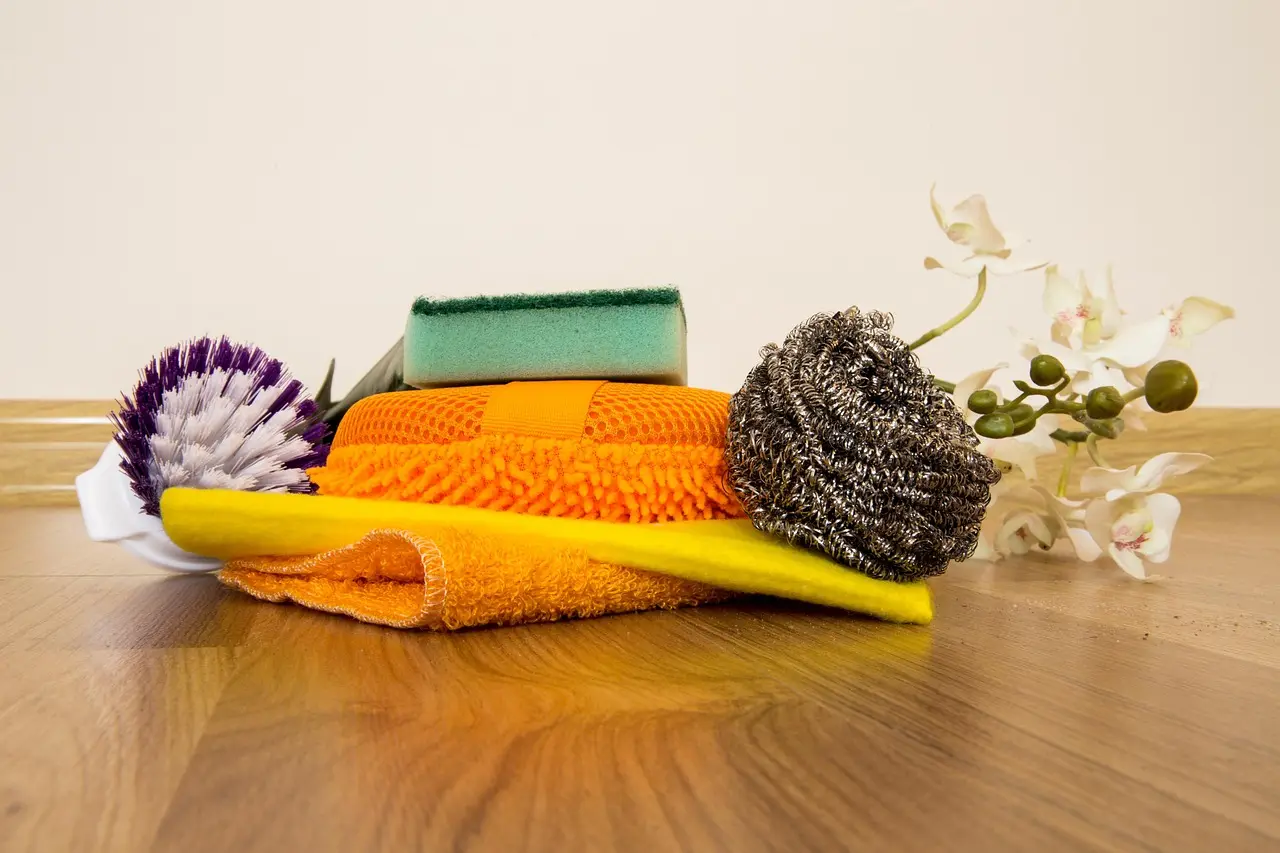
The best microfiber towel is the one that matches the panel size, the amount of water left after washing, and the surface you are drying. Plush towels suit softer contact and lighter water loads, while twist-loop and double-twist pile towels work better when you need faster pickup and less dragging.
Plush versus twist-loop
Plush towels usually feel softer and can work very well for finishing passes, glass, and lighter drying jobs. Twist-loop towels are better when you want faster water pickup on larger panels or after a wetter rinse. If you are choosing only one, twist-loop is usually the safer all-around drying choice for a broad range of cars.
Double-twist pile and hybrid options
Double-twist pile towels fit the premium drying category because they combine fast pickup with a controlled glide. The SMINDER towel is described as 1200 GSM and uses a double-twist pile, which is the kind of construction many buyers look for when they want high absorbency without a rough wipe feel.
Hybrid towels can work well when one side is designed for drying and the other for lighter finishing. They are useful when you want a single towel that can handle paint, glass, and trim, but they should still have soft edges and a clean, low-lint finish.
When edgeless towels make sense
Edgeless towels reduce edge contact on paint, which makes them a smart choice for scratch-sensitive finishes and ceramic-coated cars. Soft-banded edges can also work well if the binding is truly gentle and does not drag on the paint line.
Edgeless is not required for every job, but it is a strong pick when the finish is delicate or when you want the least chance of edge contact on curved panels.
What GSM should you use?
GSM is a useful signal, but it should not be the only buying rule. Higher GSM usually means more absorbency, yet towel weave, pile height, edge construction, and overall size also shape how well the towel dries without streaks. A common premium range is about 900 to 1200 GSM.
How GSM relates to absorbency
Absorbency keeps a towel from smearing rinse water around the panel. It depends on the pile, the fiber structure, and the towel’s core, not on GSM alone. A lower-GSM towel with the right weave can outperform a heavier towel that feels saturated too quickly or drags on the paint.
When 900 to 1200 GSM fits best
That range is most useful when you want a very absorbent towel for large panels, frequent drying, or wetter wash methods. It can be a smart choice for SUVs, trucks, and cars that retain a lot of water after a rinse.
The same source describes drying towels as absorbent microfibre for paintwork and glass. That is the right baseline: absorbent first, soft enough to keep paintwork swirl free, and sized for the panels you are wiping.
Why the highest GSM is not always the right choice
An ultra-heavy towel is not always easier to use. If the towel is too bulky, it can be awkward on mirrors, grilles, and tight trim. It can also load up with water faster than a smaller, better-matched towel, especially on a wet SUV roof.
How size changes drying results
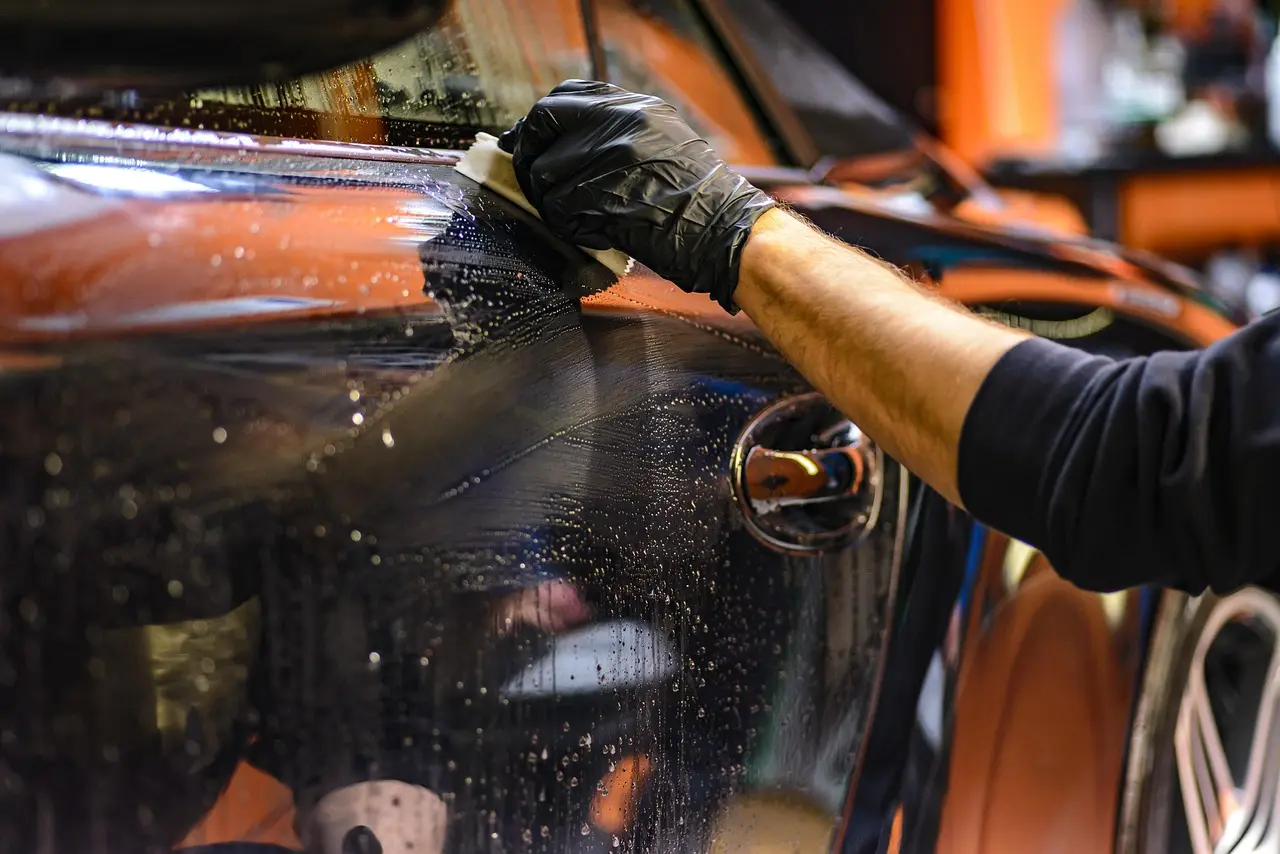
Size affects both reach and control. Large-format towels help you cover more paint in one pass, while smaller towels are easier to place around mirrors, badges, grilles, and door jambs. Auto Finesse advises choosing a towel large enough for your panels, and that advice matters on big horizontal surfaces.
Large-format towels for roofs and hoods
Large formats around 24 x 36 or 36 x 24 inches are common for drying because they let you fold the towel into clean working sections. One featured towel is 36 x 24 inches, which gives enough spread for broad strokes without making the towel unmanageable.
Say your SUV roof is still beaded after a rinse. A large towel can cover the roof in a few controlled passes, which reduces repeated contact and lowers the chance of streaks from re-wiping the same wet area.
Smaller towels for mirrors, grilles, and trim
Smaller towels are better around badges, mirrors, and grilles where a large towel can snag or miss corners. These areas often need more precision than absorbency. A smaller, clean towel also helps you avoid smearing water into creases that take longer to dry.
One towel versus two towels
One towel is enough for many sedans if the towel is large, the wash method leaves little standing water, and the towel stays open enough to keep absorbing. Two towels are smarter when the vehicle is larger, the climate is humid, the water is hard, or the first towel starts to saturate.
A second towel is also useful when you want to separate paint drying from glass finishing. That split helps keep lint and trapped residue off the windows while the paint towel stays focused on body panels.
Best microfiber towel by vehicle type
Vehicle size should shape the towel you buy. A coupe, sedan, crossover, and full-size truck all place different demands on absorbency and reach. The safest choice is the towel that fits the panel size, not the biggest towel in the aisle.
Sedans and coupes
For sedans and coupes, a large single towel often works well, especially if you dry the roof and hood first. A towel around 36 x 24 inches gives enough area for a folded drying face and still feels manageable on smaller panels.
Use a second towel if the first feels heavy or the car was left wetter after the rinse. That is especially useful on dark paint, where fresh water marks show quickly under bright light.
SUVs and crossovers
SUVs and crossovers benefit from larger drying towels and more towel volume. Their rooflines, tailgates, and longer side panels can overwhelm a small plush towel. A twist-loop or double-twist pile towel with a soft edge is a better fit for these jobs.
Suppose your crossover has hard water and you wash it in full sun. A saturated towel can leave visible spots as it stops absorbing cleanly. In that case, switch to a second towel before the first one starts pushing water around instead of lifting it off.
Trucks and large panels
Trucks call for the most generous towel coverage. Tall side panels and larger roofs make fast pickup more important than a soft, slow towel feel. XL options around 80 x 60 cm or 90 x 60 cm can help on these vehicles because they reduce the number of passes needed per panel.
Microfiber drying towel selector
This selector matches vehicle type, wash method, water hardness, and panel size to a towel spec. Use it as a practical buying map, not a GSM-only shortcut.
| Vehicle type | Wash method | Water hardness | Panel size | Recommended towel spec | One or two towels |
|---|---|---|---|---|---|
| Coupe or sedan | Traditional wash | Soft to moderate | Small to medium panels | 300 to 700 GSM, plush or twist-loop, 24 x 36 or 36 x 24, soft-banded or edgeless | One towel usually enough |
| Sedan or crossover | Rinseless wash | Soft water | Medium panels | 500 to 900 GSM, plush-finishing or hybrid, 24 x 36, edgeless preferred | One towel often enough, two if panels stay wet |
| SUV | Traditional wash | Hard water | Large panels | 900 to 1200 GSM, twist-loop or double-twist pile, 36 x 24 or 36 x 25, soft-banded edge | Two towels recommended |
| Truck | Traditional wash | Hard water | Very large panels | 900 to 1200 GSM, large-format twist-loop or double-twist pile, XL size around 80 x 60 cm or 90 x 60 cm, soft-banded edge | Two towels preferred |
| Ceramic-coated paint | Careful hand wash | Any | Any exterior panel | Low-drag plush or twist-loop, edgeless or very soft banding, lint-free finish, size matched to panel | One for paint, second for glass or lower panels |
| Glass-focused drying | Any wash method | Any | Windows and mirrors | Lint-free towel, smoother face, moderate GSM, soft edge, separate from dirty paint towel | Separate towel recommended |
How to choose the right towel
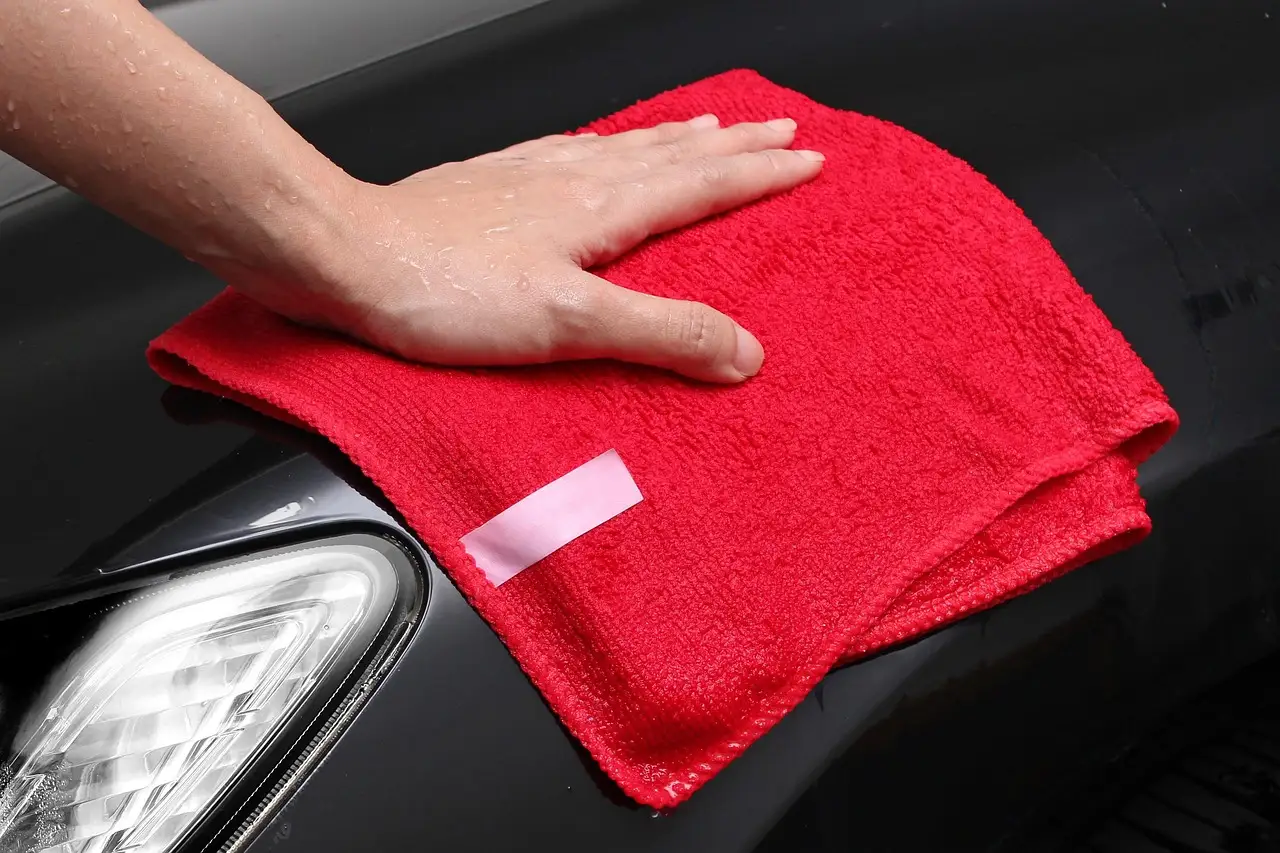
Start with absorbency and a lint-free finish, then check edge style, size, and how the towel fits your wash method. That order matters because a towel that holds water well but sheds lint is still a poor pick for clean glass or dark paint.
Absorbency and lint-free finish
Absorbency keeps water from being pushed back onto the panel. Lint-free finish keeps the wiped surface clear after the towel lifts the water away. These two traits do more for streak control than a marketing label that only lists GSM.
Soft edges and paint safety
Soft edges matter because the edge is often the part that touches body lines, mirrors, and tight corners first. Edgeless towels reduce contact risk, while soft-banded towels are a good second choice if the stitching is gentle and smooth.
Rough binding can add drag at the edge of the wipe. That extra contact is the kind of small detail that can lead to swirl marks over time, especially on dark or delicate finishes.
Ceramic-coated paint and glass-safe drying
Ceramic-coated paint should be dried with gentle, low-friction microfiber. Avoid rough household textiles on coated surfaces. They may feel absorbent, but they are not built for safe paint contact and can leave drag marks or trapped lint behind.
Glass should be dried with a towel that stays lint-free and does not leave haze. If your paint towel leaves fibers on the windows, move it to body panels only and keep a cleaner towel for glass.
Failure cases to avoid
A common first-timer mistake is trying to dry the entire car with one saturated towel. Once the towel is overloaded, it stops picking up water cleanly and starts smearing it. That is how streaks and spots show up on hoods, mirrors, and door tops.
Another common issue is using dirty wash media or a towel that picked up grit earlier in the job. If the towel has contamination in the pile, the safest move is to stop and switch towels before continuing on paint.
- Pick the towel by panel size first, not by GSM alone.
- Choose twist-loop or double-twist pile for larger, wetter jobs.
- Use plush or hybrid towels when you want a softer finishing feel.
- Prefer edgeless or soft-banded edges for scratch-sensitive paint.
- Keep a separate lint-free towel for glass.
- Swap to a second towel when the first starts to saturate.
- Wash microfiber without fabric softener.
Frequently asked questions
What microfiber towel is best for drying a car without streaks?
A large twist-loop or double-twist pile microfiber towel with a soft edge is usually the best all-around choice. It absorbs water quickly, glides with less drag, and works well on broad painted panels. For the cleanest result, choose a lint-free towel and stop before it becomes fully saturated.
What GSM microfiber towel should I use for car drying?
A common premium range is 900 to 1200 GSM, but that is not a universal rule. Lower GSM can still work well if the weave and size are right. Use the higher end for large, wet vehicles, and the middle range when you want easier handling on smaller panels.
Are edgeless microfiber towels better for car paint?
Edgeless towels are often a safer choice for paint because they reduce edge contact. That is useful on ceramic-coated cars and delicate finishes. Soft-banded towels can also work if the binding is smooth, but rough stitching should be avoided where the towel meets the paint line.
What size drying towel do I need for a sedan or SUV?
A sedan often works well with a towel around 24 x 36 or 36 x 24 inches. An SUV usually needs a larger towel or even two towels, especially on the roof and sides. Larger panels load water quickly, so size should match the vehicle’s surface area.
How do I dry a car without leaving lint or water spots?
Use a clean, lint-free towel, dry with gentle passes, and switch towels before saturation. Keep a separate towel for glass if the paint towel starts shedding fibers. Water spots are more likely in hard water, so work faster on those panels and avoid letting rinse water sit.
Can one microfiber towel dry an entire car?
One towel can dry an entire car if the vehicle is small, the wash leaves little standing water, and the towel is large and absorbent. For SUVs, trucks, hard water, or humid weather, two towels are usually the safer choice because a single towel can saturate before the job is done.