Do You Need to Polish Before Applying Paint Sealant?
You do not need to polish before applying paint sealant unless the paint has visible swirls, scratches, oxidation, or dullness you want corrected first. Skip needed correction and you can trap those defects under the sealant, wasting prep time. This guide gives the decision rule, the prep steps, and the point where wash plus decontamination is enough.
What paint sealant does
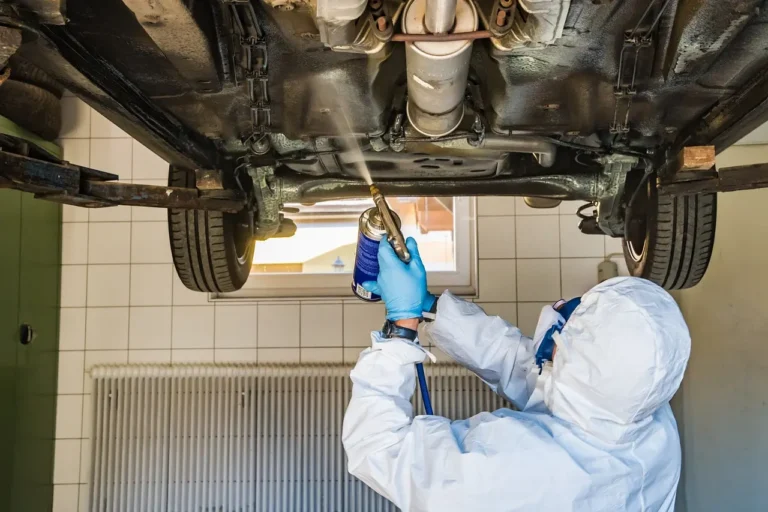
Paint sealant is commonly described as a synthetic or polymer-based protection layer for paint. It adds gloss and water repellency, and some products are made to block UV rays and oxygen from reaching the surface. It does not fix scratches, swirls, oxidation, or other visible paint defects.
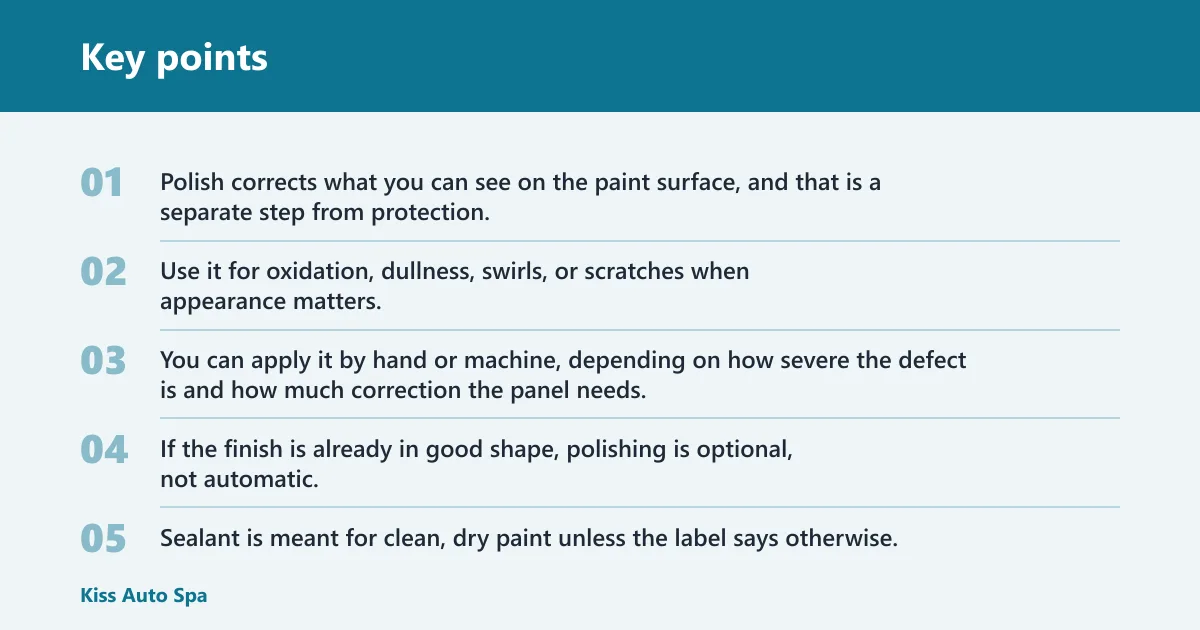
That distinction matters. Sealant protects what is already there. Polish corrects what you can see on the paint surface, and that is a separate step from protection.
How sealant differs from paint correction
Polish is the correction step. Use it for oxidation, dullness, swirls, or scratches when appearance matters. You can apply it by hand or machine, depending on how severe the defect is and how much correction the panel needs.
Sealant is the protection step. If the finish is already in good shape, polishing is optional, not automatic. Car Cleaning Zone notes that polishing should not be automatic before protection, and that sealant will not remove or improve scratches, swirls, or dull paint.
Why clean paint matters for bonding
Sealant is meant for clean, dry paint unless the label says otherwise. Dirt, dust, old wax layer, and bonded contamination can get in the way of bonding. Hot Car Care also notes that sealant only makes sense when the application suits the finish and the product directions.
Work on panels that are cool and shaded. Hot panels and direct sun can change how the product spreads, flashes, and buffs, so panel temperature is worth checking before you start.
Do you need to polish before applying paint sealant?
No, not unless the paint has visible defects or oxidation you want corrected first. If the paint already has good gloss and no obvious flaws, wash and decontaminate it, then apply sealant. Polishing is for defect removal, not a required pre-step for every car.
When polishing is worth doing first
Polish first when the finish shows swirls, scratches, dullness, or oxidation you can see in normal light. Sealant will not hide those issues. If the goal is cleaner-looking paint, correction has to happen before protection.
A common mistake is sealing a black hood with visible wash swirls and expecting the gloss to change. The sealant may add shine, but the swirls remain visible under it.
When wash and decontamination are enough
If the paint is new, intact, and already glossy, polishing is usually optional. In that case, a proper wash, full dry, inspection, and decontamination are enough before sealant. That keeps the process focused on bonding prep rather than unnecessary correction.
If a sedan has bright, smooth paint and no obvious defects, but the lower doors feel gritty after a drive, wash it, decontaminate it, and seal it. Polishing adds time without fixing a problem you do not have.
Paint sealant checklist
This decision tree separates defect removal from bonding prep. Follow it in order so you can tell whether the car needs only cleaning, cleaning plus clay, or correction before protection.
| Check | If yes | If no |
|---|---|---|
| Visible swirls, scratches, oxidation, or dullness? | Polish before sealant if appearance matters. | Move to the next check. |
| Rough feel after washing? | Wash + clay before sealant. | Move to the next check. |
| Unknown or uneven old wax or sealant? | Clean more fully, and remove the old layer if the label or condition calls for it. | Move to the next check. |
| Clean, glossy paint with no obvious defects? | Apply sealant after wash and dry. | Reinspect the panel in good light. |
| Test spot still looks dull after wash and clay? | Polish + protect. | Proceed with wash only or wash + clay as needed. |
| Final action: wash only, wash + clay, or polish + protect. | ||
| Test-spot note: use one small panel first when the whole car does not need the same prep. | ||
Using a test spot well
A test spot works when the question is limited to one area, such as a roof section with light haze or a door with mild contamination. Clean that panel first, then decide whether the finish needs polish or only decontamination before you continue.
If the test spot still looks dull after washing and clay, the problem is correction, not bonding prep.
Should you clay before sealant?
Clay before sealant when the paint feels rough or has bonded contamination that washing does not remove. Claying is for above-surface contamination, not for swirl removal or scratch correction. If the finish feels smooth after washing, claying may not be needed.
Signs the paint has bonded contamination
Run a clean hand in a thin bag or a microfiber over the washed panel. If the surface feels gritty or draggy, bonded contamination is likely still there. Road film, rail dust, and other embedded debris can keep sealant from contacting the paint evenly.
The same source says clay is for bonded above-surface contamination, not swirl removal. That is the key distinction. Clay cleans the surface texture; it does not correct dullness or visible marks.
When claying is enough without polishing
If the paint looks good but feels rough, wash and clay before sealant. That is enough when the finish has no visible correction issue. You are improving bonding prep, not chasing appearance correction that is not needed.
Do not use clay as a substitute for polishing when the paint is faded or marked. If oxidation or scratches are the problem, correction comes first.
Can you seal over wax or old protection?
You can sometimes apply sealant over a surviving protection layer, but old wax or prior sealant can affect bonding. ProTec recommends removing wax before applying sealant polish. If the old layer is uneven, unknown, or stubborn, extra prep is the safer choice.
Why old wax can affect bonding
Wax is different from polymer sealant. Because they behave differently, an old wax layer can sit between the paint and the new sealant and interfere with adhesion.
That is why a clean, bare surface is the safer default. It reduces the chance that the new product will bond to the old one instead of the paint.
When extra prep is the safer choice
If you do not know what is already on the panel, clean it more thoroughly before sealing. That may mean a stronger wash, decontamination, and, if the product directions call for it, removal of the old protection layer. Hot Car Care also notes that different products can need different preparation and waiting periods.
Detaling1 is a typo and should be ignored; the useful point is that winter road salt and pre-wash can make sealant a practical choice, but the surface still needs proper prep first.
Prep and apply sealant the right way
The baseline prep is wash, dry, inspect, and decontaminate if needed. Use clean microfiber towels. Apply the sealant to clean, dry paint unless the label says otherwise. Do not assume every sealant has the same curing or buffing time.
Wash, dry, and inspect
-
Wash the panel thoroughly.
Remove dirt, road film, and loose contamination before anything else. A sealant should never go over dust or grit. -
Dry with clean microfiber towels.
Dry the paint fully unless the product directions say otherwise. Water left behind can affect how evenly the sealant spreads and flashes. -
Inspect under good light.
Look for swirls, scratches, dullness, and rough spots after washing. This is the point where you decide whether polishing, claying, or simple protection is enough.
Use the product label as the final rule
Check the label and follow the exact directions. Cure times, buff times, and wipe-off windows vary by product, so the label is the final rule. Hot Car Care notes that product-specific prep and waiting periods are not all the same.
Do not apply any sealant to hot panels or direct sun if you can avoid it. That cautious default helps reduce streaking and uneven wipe-off.
Know the surface limits
Paint sealant is generally for painted surfaces unless the label allows other materials. Painted doors, hoods, fenders, and clear-coated body panels are the normal targets. Unpainted rubber, textured plastic, and trim pieces are often excluded, so check compatibility before applying. If the panel is not paint, do not assume the product belongs there.
Picture a hatchback with glossy paint on the doors but faded, unpainted trim around the rear bumper. The doors may take sealant after washing and decontamination. The trim may need a different product, or no sealant at all, depending on the label.
Frequently asked questions
Can you apply paint sealant without polishing first?
Yes, if the finish is already in good shape. New or intact gloss paint usually only needs wash and decontamination before sealant. If you can see defects you want removed, polish first. If you cannot, skip that step and protect the surface.
Does paint sealant remove swirls or scratches?
No. Sealant adds gloss and water repellency, but it does not correct paint defects. Swirls and scratches stay visible under the sealant if they were visible before application. If appearance matters, correct the paint first and seal it afterward.
When should you polish before sealant?
Polish before sealant when oxidation, dullness, swirls, or scratches are visible and you want the finish corrected. Use a machine or hand method based on the severity of the condition. If the panel already has clean gloss and no obvious defects, polishing is optional.
Should you clay before applying paint sealant?
Clay before sealant when the paint feels rough after washing or has bonded contamination that a normal wash leaves behind. Claying improves surface cleanliness for bonding. It does not remove swirls, scratches, or oxidation, so it is not a replacement for polishing.
Can you apply sealant over wax or old protection?
Sometimes, but old wax or prior protection can interfere with bonding. The same source recommends removing wax before applying sealant polish. If the old layer is unknown, uneven, or heavy, remove it or clean the panel more fully before sealing so the new product reaches the paint.