Can You Layer Ceramic Spray for More Protection?
Yes, you can top up ceramic spray, but true layering only helps if the base coat is fully cured, clean, and the product is made to bond; otherwise, a second coat usually adds little more than streaks and wasted product. If the work goes poorly, extra coats can trap residue, mute gloss, and create uneven hydrophobic behavior. This guide explains when a second coat helps, how long to wait, and how to tell topping up from real layering.
How layering improves uneven applications
Sometimes, yes. A second coat can improve coverage after a missed spot or light application, but only after the first layer has flashed or cured and left a clean surface that the next coat can bond to. If the base is dirty, oily, or still soft, extra product tends to build risk faster than protection. Product-specific directions matter because spray formulas vary. Turtle Wax Hybrid Solutions Ceramic Spray Coating, CERAKOTE Platinum Rapid Ceramic Paint Sealant Spray, Griot’s Garage Ceramic 3-in-1 Wax, and TEC582 Ceramic Detail Spray all publish their own use and surface guidance.
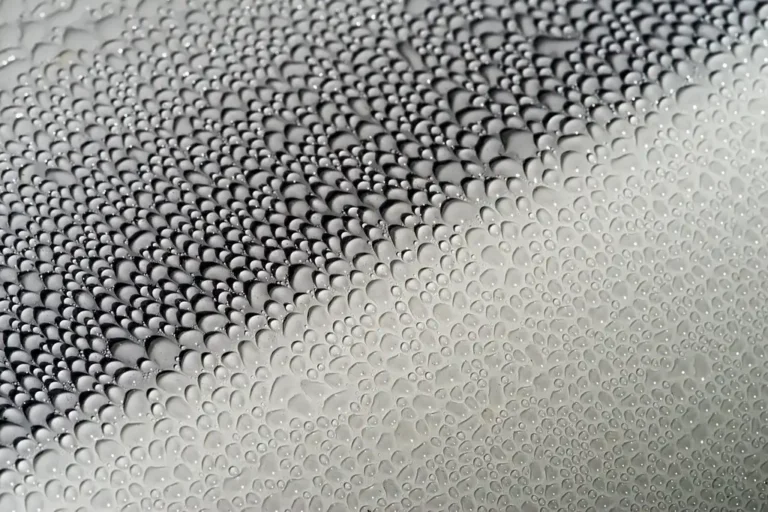
Most spray ceramic products are designed to leave a thin SiO2 or ceramic-polymer film that boosts hydrophobic water beading, gloss, and dirt release. They are not meant to build thick like a traditional ceramic coating, so more coats do not scale protection in a straight line.
What layering can do
Layering can fill in missed coverage, even out water behavior, and raise gloss when the first application was light or uneven. It can also help on high-contact areas such as front bumpers, mirrors, and lower doors, where wash water and road grime hit first.
- Best use: patchy coverage or missed sections.
- Best result: more even gloss and water behavior.
- Not a fix for: dirty paint, oily residue, or poor prep.
When extra coats stop helping
Once the base layer is uniform, extra spray often hits diminishing returns. At that point, the common failure modes are streaking, smearing, high spots, and uneven gloss. If the product is not compatible with the surface or the underlayer, the second coat may sit on top instead of bonding.
- Watch for: hazy patches, draggy buffing, and blotchy beading.
- Best response: stop adding product and level the surface first.
How many coats of ceramic spray make sense?
For most DIY use, one careful coat is the baseline, and a second coat is usually the most needed when the product directions allow it. Beyond that, extra coats often repeat the same film instead of adding meaningful protection. The safest rule is simple: stop when coverage is even and the finish looks clean.
Single coat vs multiple coats
A single coat is often enough for maintenance after a wash, especially if the paint already has an intact ceramic spray layer. Multiple coats make more sense on a fresh application when the surface was stripped clean and the first pass was laid down too thin or unevenly.
- Single coat: maintenance refresh and intact existing protection.
- Multiple coats: fresh application with visible thin spots.
When to stop at one coat
Stop at one coat when the surface already beads well, the finish looks uniform, and the product flashes clean. Adding more product at that point rarely changes the result enough to justify the extra wipe-down effort and the added chance of residue.
- Stop if the panel already looks even.
- Stop if beading and slickness are already consistent.
When a second coat can help
A second coat can help after a proper wash, dry, and decontamination prep if the first coat was intentionally light or if the panel has patchy behavior. That second coat should be treated as a controlled follow-up, not a blanket fix for poor prep.
- Useful for: light coverage and patchy panels.
- Less useful for: dirty paint and residue issues.
How long should you wait between coats?
Wait for flash time first, then follow the product’s cure guidance before recoating. Flash time is the short window after application when the carrier solvents finish evaporating and the surface can be buffed or leveled. Cure guidance varies by formula, so use the label directions; formulas differ.
Brand instructions matter here because formulas vary. Turtle Wax Hybrid Solutions Ceramic Spray Coating is positioned as an exterior spray coating for multiple surfaces; CERAKOTE Platinum Rapid Ceramic Paint Sealant Spray is a rapid spray sealant for paint; Griot’s Garage Ceramic 3-in-1 Wax is a spray-and-wipe product for paint, plastic, wheels, and rubber trim; TEC582 Ceramic Detail Spray is a detail-spray format for paint and multiple exterior surfaces.
- Wash and dry first. Clean, dry paint gives the first layer a surface it can bond to. Dirt gets in the way fast.
- Apply a thin first coat. Mist the product onto a microfiber applicator or directly onto the panel if the label allows it. Use enough to cover, not enough to leave a wet film.
- Let it flash. Wait until the residue changes from slick and wet to lightly hazed or ready to buff, following the label time if one is given. If the panel still looks smeared, it is too soon.
- Level before recoating. Buff off residue with a clean microfiber. A clean finish reduces the chance that the next coat traps streaks or creates high spots.
- Recoat only if needed. Add the next layer only after the first layer has cured enough to stay stable under wiping. If the product maker gives a recoat window, use that as the limit.
Say your hood looks even after the first coat, but the front bumper still shows weak beading. A second, light pass on the bumper after the first layer has flashed can make the coverage more consistent without flooding the whole car with extra product.
Ceramic spray layering table
| Scenario | Layer? | Waiting time | Prep needed | Expected benefit | Common mistakes |
|---|---|---|---|---|---|
| Fresh first coat | Yes, if the surface is clean and the product allows a second pass | Wait for flash time before buffing; wait for cure time before adding another coat | Wash, dry, and decontaminate if needed | Even coverage, better gloss, stronger water beading across the panel | Applying too thick, leaving residue, recoating too soon |
| Maintenance top-up | Yes, as a light refresh after washes | Apply after the surface is dry and residue-free | Quick wash or rinse, then dry towel work | Restores slickness and water behavior without full reapplication | Using it on dirty paint, stacking heavy coats, skipping buffing |
| Over-application correction | No, fix the surface first | Wait until the residue is removed and the panel is stable | Buff excess, wash again if needed, then inspect under good light | Removes smears and high spots before they harden | Adding more spray to cover streaks, which usually makes the problem worse |
Can you apply ceramic spray over wax or sealant?
Usually not as the best option. Ceramic spray may sit on top of wax or a sealant, but that does not mean it bonds the way it should. If the lower layer is oily, contaminated, or incompatible, the new spray can streak, sheet unevenly, or wipe off sooner than expected. Compatibility limits are real, so use the label and surface condition as the guide rather than assuming every topper stacks cleanly.
Neutral surface-prep guidance also points the same way: contaminants, oils, and residue reduce coating contact and can interfere with adhesion. For broader compatibility cautions, follow product labels and avoid assuming that one protectant will bond cleanly over another just because both are “paint safe.”
What happens on a waxed surface
Wax can block direct contact between the ceramic spray and the paint. That often limits durability and can leave uneven water behavior, because the spray is bonding to wax residue instead of the body panel.
- Common result: weaker durability than on bare, clean paint.
- Common risk: uneven beading and patchy gloss.
What happens on a sealed surface
A synthetic sealant may be more stable than wax, but compatibility still varies by brand and formula. Some pair well enough for maintenance use; others resist bonding and create patchy gloss or blotchy beading.
- Some combinations work better than others.
- Use the product label if it gives a stacking or topping rule.
When prep is the better fix
If the goal is durable spray protection, remove old residue first or at least clean the surface until it is free of film and contamination. That gives the ceramic spray a better chance to bond, especially on paint that has already seen repeated wash products.
- Best path: clean, decontaminate, and apply to a stable surface.
- Best result: fewer streaks and more even protection.
What prep gives the best bonding?
Wash and dry the vehicle before application, then add clay bar or polishing work if the paint feels rough or looks hazy. Ceramic spray generally performs best on a clean surface. It can work on paint, glass, trim, wheel faces, and compatible plastic or chrome, but it should not be used on soft tops.
Griot’s Garage Ceramic 3-in-1 Wax is sold for paint, plastic, wheels, and rubber trim, while Turtle Wax Hybrid Solutions Ceramic Spray Coating is listed for multiple exterior surfaces and is marketed for water repellency and protection against dirt and road contaminants. TEC582 Ceramic Detail Spray is a larger-format detail spray used for repeat top-ups and maintenance work.
- Wash off loose dirt. Remove road film, salt, and dust first. Any leftover grit can cause streaking during buffing.
- Dry every panel fully. Use a clean drying towel so standing water does not dilute the spray or hide missed spots.
- Check for contamination. If the paint feels rough, clay it. If the finish is dull or swirled, a light polish can help the spray bond more evenly.
- Avoid soft tops. Do not apply ceramic spray to fabric roofs unless the label specifically says it is safe there. Most spray ceramics are intended for hard exterior surfaces.
- Apply only to clean trim. Use light, even passes on glass, plastic, chrome, or wheels only when the formula lists those surfaces as compatible.
Picture a sedan with a freshly washed hood, but the side mirrors still carry road film near the base. A light top-up on the hood may look perfect, while the mirrors still streak because contamination blocked even leveling.
Frequently asked questions
Can you layer ceramic spray for more protection?
Yes, but only when the first coat is clean, fully flashed, and cured enough for the next coat to bond. If the base layer is dirty or soft, extra spray usually adds streaking, high spots, and wasted product instead of real protection.
How many coats of ceramic spray can you apply?
One coat is the baseline, and two coats is usually the practical limit for DIY use when the product directions allow it. More than that often brings diminishing returns, because spray ceramics are meant to leave a thin protective film rather than build thick layers.
How long should you wait between coats of ceramic spray?
Wait for flash time first, then follow the product’s cure window before adding another layer. Exact timing varies by formula, but recoating too early can trap solvents and lead to smearing or uneven gloss. Brand directions should always set the final timing.
Does layering ceramic spray actually make it last longer?
Sometimes a second coat can extend coverage, but it does not guarantee a longer service life. Once the surface is fully covered, more product often gives less benefit than better prep or routine maintenance. The gain is usually smaller than people expect.
Can you top up ceramic spray after every wash?
Yes, if the vehicle is clean, dry, and the prior layer is still stable. That works best as a maintenance refresh, not as a heavy recoat. A light top-up can restore water beading and slickness without turning the surface into a residue stack.
What happens if you apply ceramic spray too thick?
Too much product can leave streaks, smears, and high spots that show up as cloudy patches in bright light. It may also make buffing harder and create uneven hydrophobic behavior. A thin, even coat is safer and usually performs better.
Can you layer ceramic spray over wax or sealant?
Sometimes the spray will sit on top, but that does not mean it will bond well. Wax and some sealants can block adhesion or leave contamination behind. If long-term performance matters, clean the surface first so the ceramic spray meets the paint directly.