Streak-Free Glass Cleaner vs Vinegar for Car Windows
Vinegar can remove light greasy film on glass, but an ammonia-free automotive glass cleaner is the safer pick for tinted windows, heavy road film, and faster streak-free results. Used badly, either one can leave haze, smear residue, or damage tint and trim. This guide compares how each cleaner fails, where vinegar works, and when a dedicated car glass cleaner is the better choice.
| Decision factor | Streak-free glass cleaner | Vinegar for car windows | Winner |
|---|---|---|---|
| Tint safety | Ammonia-free formulas are the safer choice for window tint film. | Can be used carefully, but the mix and wipe method matter more. | Streak-free glass cleaner |
| Greasy interior film | Good at routine haze removal, especially with a clean microfiber towel. | Often stronger on oily cabin film and dashboard vinyl outgassing film. | Vinegar for car windows |
| Hard-water spots | May clean residue around the spot, but minerals often need more help. | Can do better on calcium and magnesium deposits from evaporation. | Vinegar for car windows |
| Drying speed | Usually faster to finish cleanly on prepared glass. | Can streak if it flashes off on hot glass or in direct sunlight. | Streak-free glass cleaner |
| Heavy exterior road film | Better first pass for mixed grime and traffic film. | May need more passes and a follow-up cleaner for stubborn buildup. | Streak-free glass cleaner |
| Simple smudges and fingerprints | Works well and is easier to control. | Also works, but not always necessary. | Tie |
Vinegar vs glass cleaner for car windows
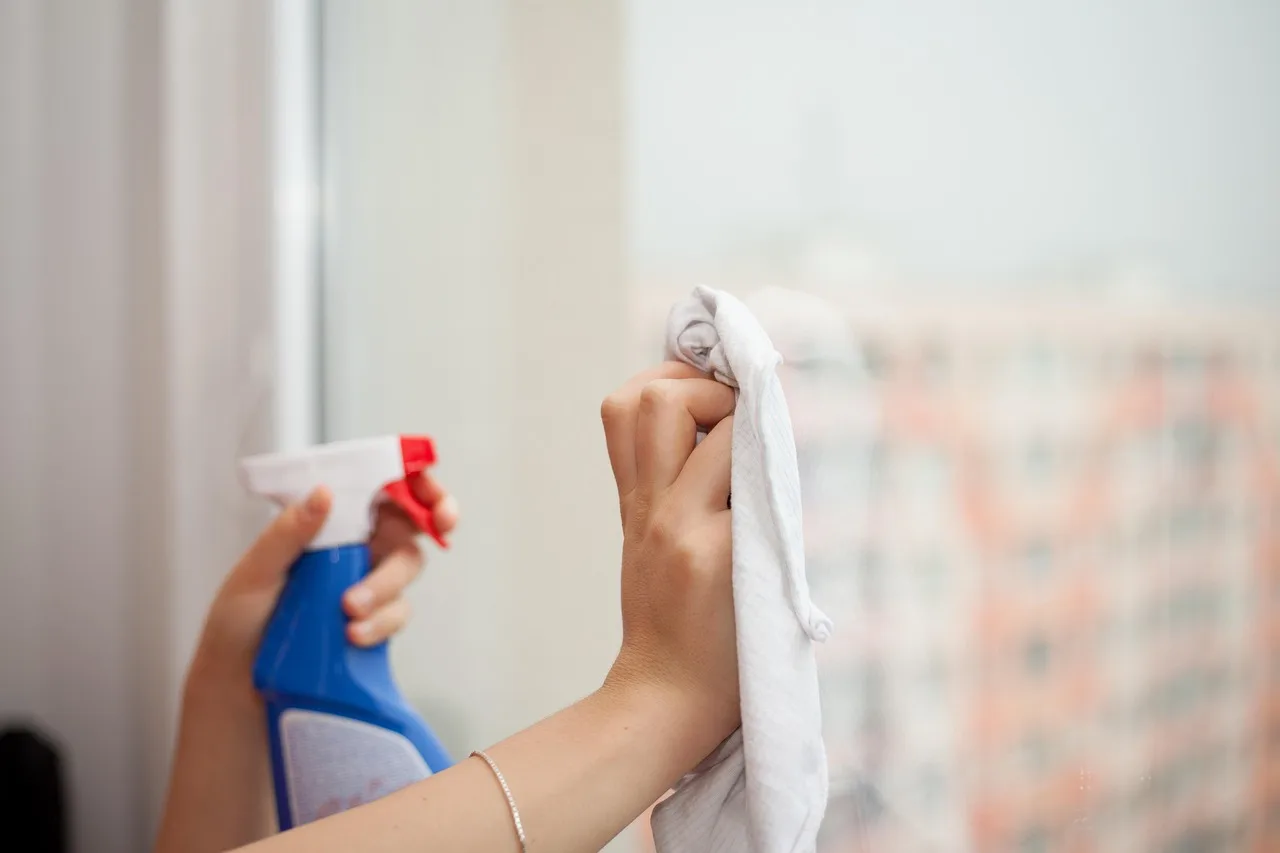
Streak-free glass cleaner is the better all-around choice for tinted glass, heavy exterior grime, and quick work on cool glass. Vinegar for car windows works best when the problem is greasy interior haze or mineral spotting that plain cleaner often leaves behind. Pick the cleaner for the contamination, not the label price.
What each cleaner does best
Distilled white vinegar, usually about 5% acidity, is a common DIY base for cutting oily residue and light mineral buildup. A commercial ammonia-free automotive glass cleaner is built for faster wipe-off and lower tint risk. Both can work, but they behave differently on dirty glass.
Competitor guides commonly cite a 1:1 vinegar-to-water ratio and a 50/50 solution of distilled white vinegar and distilled water. That mix is fine for light to moderate contamination. It is less forgiving on hot glass, and it is not the strongest answer for thick road film or a heavily smoked cabin windshield.
Where each one tends to fail
Vinegar can leave a sour smell and, if it dries too fast, a faint haze that looks like a streak. It also loses efficiency when the windshield is loaded with tar-like road film or a thick smoker haze. Streak-free glass cleaner can miss mineral deposits and greasy interior film unless you give it a second pass with a clean towel.
A common first-timer mistake is to spray the whole windshield and wipe after the product has already flashed off. Say your windshield is warm after parking in the sun and you mist the entire front glass at once. The first half dries before the towel reaches it, so the result looks cloudy even though the cleaner itself was decent.
The quick decision rule
Start with vinegar for car windows when the main problem is oily interior haze, fingerprints, or water spots from evaporation. Start with streak-free glass cleaner when you want the safest pick for tint, the fastest wipe-off, or a better first pass on heavy exterior dirt. If the glass is hot or in sun, cool it first or move the car to shade.
Which cleaner fits which mess?
Match the product to the contamination type. Light fingerprints and smudges are easy for either cleaner. Greasy inside windshield haze, hard-water spots, and smoked-in film often point toward vinegar, while tinted windows and heavy road film point toward an ammonia-free automotive glass cleaner.
Light fingerprints and smudges
For fingerprints, a low-lint microfiber towel with a light mist of either cleaner is usually enough. Streak-free glass cleaner is the simpler pick because it tends to flash off in a more predictable way. Vinegar also works here, but it is rarely necessary if the glass only has casual smudges.
Greasy inside windshield haze
This is where vinegar for car windows often earns its place. Interior haze commonly comes from dashboard vinyl outgassing film, which is the oily vapor residue that builds up on the inside of the glass from cabin materials. Vinegar cuts that film better than a lot of general glass sprays, especially when you follow with a dry microfiber buff.
Suppose the inside of the windshield looks clear from the driver seat in daylight but glows oily under dashboard reflections at night. That pattern usually points to cabin film, not dirt on the outside glass. A vinegar mix can help because it attacks the greasy residue rather than simply moving it around.
Hard-water spots and mineral deposits
Hard-water minerals, mainly calcium and magnesium deposits, form when water evaporates and leaves solids behind. Vinegar is useful because it helps loosen those deposits, while many plain cleaners only wipe the surface around them. For spotting that feels etched or chalky, vinegar usually has the edge.
Smoke film and oily residue
Smoke film is stubborn because it mixes fine particles with oily residue. Vinegar can help break that layer, but a second pass may be needed with a fresh microfiber towel. If the film is heavy, an ammonia-free automotive cleaner is often the faster first step, then vinegar can be reserved for stubborn patches.
Tinted glass and safety limits
Window tint film can be damaged by ammonia or harsh solvents, so product labels matter. An ammonia-free glass cleaner is the safer default for tint. Vinegar is not automatically dangerous, but it is not the best answer if the label on the bottle is unclear or if the film is already aged and sensitive.
Heavy exterior road film
Bug residue, dust, and oily road grime can overwhelm a simple vinegar wipe. A commercial automotive glass cleaner is usually the better first pass because it is made for faster removal of mixed contamination. If the glass still shows mineral marks after that, vinegar can be used as a follow-up on the remaining spots.
Vinegar mix and tools
The most common DIY mix is a 1:1 vinegar-to-water ratio in a spray bottle. Use distilled white vinegar, which is commonly about 5% acidity, and pair it with distilled water to reduce spotting from minerals in tap water. The goal is a light mist, not a wet rinse.
Best vinegar-to-water ratio
A 1:1 ratio is the practical starting point for car glass. It is strong enough for fingerprints, haze, and light mineral residue without turning the wipe into a sticky job. Shake the mix gently and spray a fine mist, not a soaking stream.
Why distilled water matters
Distilled water is mineral-free, so it helps avoid adding calcium or magnesium back onto the glass while you clean. That matters most when you are trying to remove water spots rather than create new ones. Tap water can leave its own trace on a hot windshield.
Which microfiber towel to use?
Use a microfiber towel instead of paper towels. A clean microfiber towel is lint-free or low-lint, absorbs product well, and is less likely to leave the fibers that become visible in sunlight. Keep one towel for wiping and a separate dry towel for the final buff.
When a waffle-weave towel helps
A waffle-weave microfiber towel is a good finishing towel for glass because it can reduce streak risk during the last buff. The weave holds less lint and helps spread the remaining film thinly. It is especially useful after a 50/50 vinegar mix on interior glass.
- Start in shade or on cool glass.
- Spray one window lightly.
- Wipe with a clean microfiber towel.
- Flip to a dry side or switch towels.
- Buff with a second towel or waffle-weave finish towel.
- Move to the next window only after the first is dry.
Why windows still streak
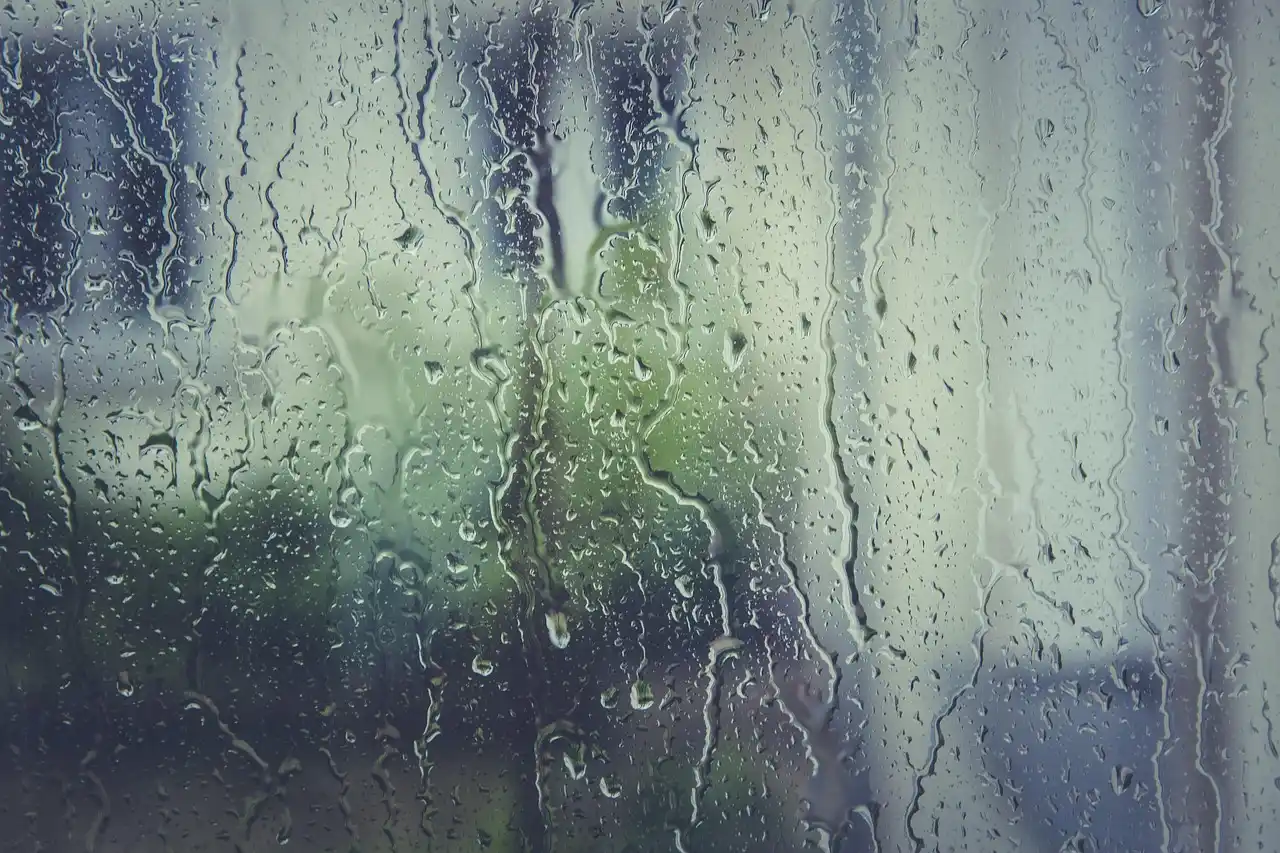
Streaks usually come from evaporation timing, residue, or dirty cloths. Direct sunlight and hot glass make cleaner dry too quickly and can leave a haze behind. Laundry residue, lint, and dissolved minerals can create the same problem even when the cleaner itself is fine.
Hot glass and direct sun
Direct sunlight and hot glass are the fastest route to streaks. Competitor guides explicitly warn that cleaner dries too quickly in sun and causes streaks. Cool the glass first, or clean in shade. That one change often matters more than the brand you choose.
Too much spray or product residue
More liquid is not more cleaning power. If the towel drags through a wet layer, it can smear residue instead of lifting it. A fine mist is enough for most windows, and one window at a time helps keep the product from drying too soon.
Dirty microfiber and laundry residue
Microfiber cloths can fail when they are loaded with old glass cleaner, fabric softener residue, or lint. Wash them without softener and keep glass towels separate from towels used for wax or interior dressing. A contaminated towel can make a clean windshield look foggy in a single pass.
Minerals, lint, and evaporation speed
Mineral spots are a separate issue from streaks, but they often show up together. Hard-water minerals remain after evaporation, while lint becomes visible because glass reflects light so sharply. A clean towel, distilled water, and a controlled spray pattern reduce both problems.
Tint-safe cleaner choices
Window tint film changes the rules. Ammonia can damage some tint films and leave streaks, so an ammonia-free automotive glass cleaner is the safer default. Vinegar may still be used carefully on tint, but it should never be the blind choice when the label is unclear.
Why ammonia is a problem on tint
Ammonia-based formulas can attack tint film and leave it cloudy or brittle over time. That is why many automotive guides steer you toward ammonia-free products for tinted glass. Traditional Windex is often singled out because it may damage window tint and leave streaks.
When ammonia-free cleaner is the safer call
Choose an ammonia-free cleaner if the car has factory tint, aftermarket tint, or any film you do not want to stress. It is also the better option when speed matters and you do not want to manage a DIY ratio. That cleaner is the safer, lower-risk default for most tinted side windows.
How to check product labels
Read the bottle before it touches the glass. Look for ammonia-free wording and automotive glass use rather than a general household formula. If the label is vague, skip it on tint and choose a known tint-safe automotive cleaner instead.
Choose streak-free glass cleaner if… / Choose vinegar for car windows if…
Choose Streak-free glass cleaner if the glass is tinted, the outside is coated in heavy road film, or you want the simplest path to a fast finish on cool glass. Choose vinegar for car windows if the problem is greasy interior haze, hard-water spots, or oily residue that keeps surviving ordinary wipes. The winner changes with the contamination.
Choose Streak-free glass cleaner if you need the safer call for tint film, a quick one-pass cleanup, or a product that is less sensitive to minor mix errors. Choose vinegar for car windows if you are targeting dashboard vinyl outgassing film, smoky residue, or mineral spotting and you are willing to use a 1:1 mix carefully.
Glass cleaner decision matrix
This table gives the practical call by use case. The safest cleaner, cloth, and drying method change with the contamination type, and that is why one product is not the default answer for every window.
| Contamination type | Safest cleaner | Dilution | Cloth | Drying method | Tint-safe risk | Expected result |
|---|---|---|---|---|---|---|
| Light fingerprints | Streak-free glass cleaner | Ready to use | Microfiber towel | Buff dry immediately | Low if ammonia-free | Fast, clean finish |
| Interior vinyl haze | Vinegar for car windows | 1:1 vinegar and distilled water | Microfiber towel | Second dry buff | Low to moderate, depending on label and trim contact | Better cut on greasy film |
| Hard-water spots | Vinegar for car windows | 1:1 vinegar and distilled water | Microfiber towel | Buff before it dries on its own | Low if used carefully | Better mineral loosening |
| Smoked-in film | Vinegar for car windows | 1:1 vinegar and distilled water | Microfiber towel | Wipe, then switch to a fresh dry towel | Low to moderate | Improved removal of oily residue |
| Tinted windows | Streak-free glass cleaner | Ready to use | Microfiber towel | Dry right away with clean towel | Low if ammonia-free | Safer choice for tint film |
| Heavily dirty exterior glass | Streak-free glass cleaner | Ready to use | Microfiber towel | Two-step wipe and buff | Low if ammonia-free | Faster removal of mixed grime |
Frequently asked questions
Is vinegar better than glass cleaner for car windows?
Vinegar is better for greasy interior film, smoke residue, and hard-water spots. Streak-free glass cleaner is better for tinted windows, heavy exterior grime, and faster wipe-off. The better choice depends on what is on the glass, not whether the bottle is store-bought or homemade.
Can I use vinegar on tinted car windows?
Yes, but carefully. Vinegar itself is not the main tint risk; ammonia and harsh solvents are the bigger problem. An ammonia-free automotive glass cleaner is still the safer default for tint film because it reduces the chance of chemical stress and unexpected haze.
What vinegar-to-water ratio is best for car glass?
A 1:1 vinegar-to-water ratio is the common starting point, and several guides recommend a 50/50 mix of distilled white vinegar and distilled water. That mix gives enough cleaning strength for fingerprints and light film without making the glass harder to buff dry.
Why do my car windows still streak after using vinegar?
Most streaks come from hot glass, too much product, a dirty towel, or minerals in the water. Direct sunlight makes cleaner dry too quickly and leaves residue behind. A fresh microfiber towel, distilled water, and a light mist usually solve more streaks than changing recipes.
Does vinegar remove greasy inside windshield film?
Yes, often better than a plain glass spray. Greasy inside windshield film usually comes from dashboard vinyl outgassing film, which is a vapor residue from cabin materials. Vinegar cuts that oily layer well, especially when you follow with a dry microfiber buff and a second clean towel.
What cloth should I use so car windows dry streak-free?
Use a clean microfiber towel, not paper towels. A low-lint microfiber towel is best for the wipe, and a waffle-weave microfiber towel is a strong choice for the final buff. Keep glass towels separate from interior dressing towels so lint and residue do not move back onto the glass.