Best Microfiber Towels for Car Windows and Mirrors
A practical microfiber setup for car windows and mirrors is a low-pile glass towel plus a separate drying towel: use one about 16 x 16-inch, tight-weave, edgeless towel for final wipe and one waffle-weave or short-nap towel for damp cleaning. Bad towels leave haze, lint, and drag that hide smears in sunlight. This guide explains which towel specs fit each glass task, how to avoid streaks, and what to skip.
Best overall pick for glass
A common all-around choice for windows and mirrors is a low-lint, edgeless glass towel in the 12 x 12 to 16 x 27 inch range, with enough absorbency to pick up cleaner without heavy drag. That puts you in the glass-first lane, where streak resistance matters more than plush thickness.
Why the top pick fits windows and mirrors
Glass fails in a few predictable ways: it streaks, it smears, it drags, and it sheds lint after a few wash cycles. A tighter weave and a clean edge help with all four. The Drive notes that the best car microfiber towels help avoid damage to a vehicle’s exterior, and it recommends smaller, lighter towels for mirrors and windows.
Its best-value pick is a 720gsm towel, and the same review says that towel is safe for mirrors and windows. That is a useful reminder that high GSM is not automatically wrong for glass, but construction still matters. A towel can be thick and still leave a clean finish if the weave and edge are right.
When to choose a different towel instead
If the glass is already damp with cleaner or rinse water, a waffle weave or short-nap towel is usually the better first pass because it pulls moisture without loading up too fast. If the panel is nearly dry and you are chasing final haze, a low-pile glass towel is the better finish towel. Plush towels can leave drag on clean glass when the pile is too tall.
Quick picks by glass task
Match the towel to the job. Exterior glass needs more water pickup. Interior glass needs more control and less drag. Side mirrors need a smaller hand size. Final wipe work needs the least lint and the cleanest edge.
- Best for exterior windows: waffle weave, medium absorbency, 12 x 12 to 16 x 27 inches.
- Best for interior glass: low-pile glass towel, edgeless or very low-profile edge, 12 x 12 inches or similar.
- Best for side mirrors: smaller towel with firm hand control, usually 12 x 12 inches.
- Best for final wipe after glass cleaner: tight-weave, low-lint towel with a clean edge and low drag.
Which towel works best for exterior windows?
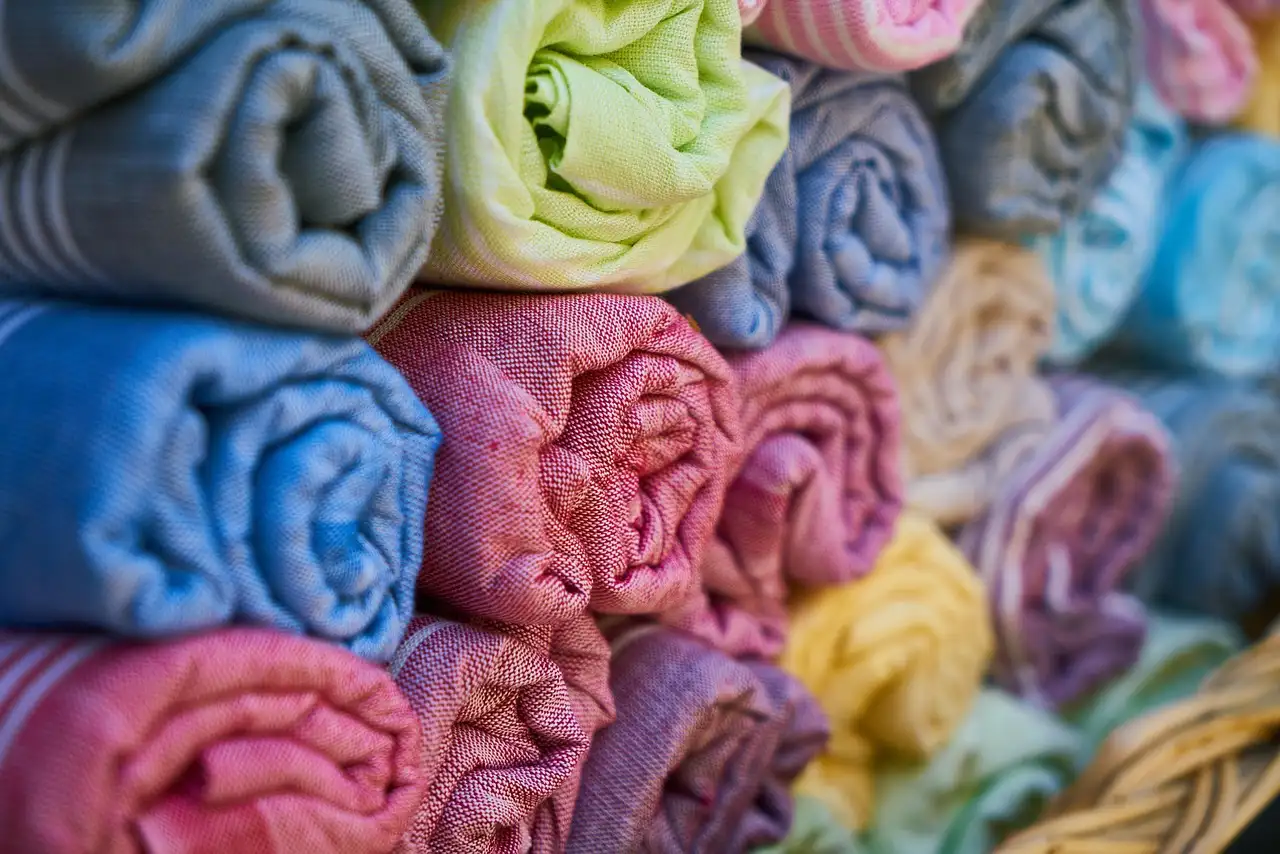
For exterior windows, a waffle weave or short-nap microfiber towel usually works best because it pulls water and cleaner off the glass without saturating too fast. Outside glass is exposed to road film, so the towel needs more absorbency than a mirror towel, but it still has to leave a streak-free finish.
Waffle weave versus plush weave on outside glass
Waffle weave is the safer glass-first choice when you want water removal and control. Its texture helps move moisture away from the surface, which can cut down on repeated passes. Plush weave can feel softer, but on glass it may leave more drag and hold onto residue in a way that makes streaks harder to chase.
The practical rule is simple: use waffle weave for wet or dirty exterior glass, and save plush for paint, trim, or other surfaces where pile is useful. The Drive notes that thicker microfiber towels are generally better for detailing, but glass is one of the places where thicker is not always the better choice.
Size and edge choices that reduce drag
A towel in the 12 x 12 to 16 x 27 inch range gives you enough surface to cover a pane without folding over in your hand. Smaller towels are easier to control on corner glass and mirror housings. For edges, a fully flat construction is the cleanest option because it lowers the chance of scratch marks and swirl-type marring on nearby trim.
Use a folded towel for outside glass so one clean face is always ready. That keeps dirty contact to one side and helps you spot when the towel has loaded up with residue.
Which towel works best for interior glass and mirrors?
For interior glass and mirrors, use a smaller, low-lint towel with a tighter weave and a low-profile edge. Interior glass shows haze faster than exterior glass, especially in direct sun or at night, and mirrors punish oversized towels because they are hard to steer around tight corners.
Why smaller towels help on tight mirror surfaces
Smaller towels give you better finger control and reduce the chance that excess fabric will bump into trim, switch panels, or the mirror housing. The Drive recommends smaller, lighter towels for mirrors and windows, and that advice matters most on interior glass where the working area is narrow.
Suppose a 16 x 27-inch towel keeps folding over as you clean a compact side mirror. You are more likely to drag residue back across the glass. A 12 x 12-inch towel is easier to pinch, flip, and keep flat.
What causes streaks on interior glass
Interior streaks usually come from three things: too much cleaner, a towel that has too much pile, or residue that was moved instead of lifted. Plush towels can trap product and smear it back onto the glass. A cleaner towel with lower linting and a smoother face tends to finish clearer.
A common first-timer mistake is wiping the rear window and side mirrors with the same linty microfiber towel, which just smears dust and leaves streaks behind. The towel looks fine at first, then starts leaving a faint fog. That is a sign it has loaded up and needs a fresh side or a different towel.
Glass towel decision table
Use this table to match the towel to the job, then to the failure mode you want to avoid. The specs below are practical buying targets, not brand promises. If a towel misses the weave or edge target, it is more likely to leave streaks, lint, or drag on glass.
| Glass task | Towel size | GSM range | Weave type | Edge type | Common failure symptoms |
|---|---|---|---|---|---|
| Exterior windows | 12 x 12 to 16 x 27 inches | 200 to 400 gsm | Waffle weave or short-nap | Low-profile edge or flat finish | Water trails, drag, missed corners |
| Interior glass | 12 x 12 inches | 200 to 350 gsm | Low-pile glass towel | Flat edge or very low-profile | Haze, lint, smears from excess product |
| Side mirrors | Smaller than 16 x 27 inches; 12 x 12 works well | 200 to 350 gsm | Short-nap or tight weave | Flat edge preferred | Edge snagging, poor hand control, residue in corners |
| Final wipe after glass cleaner | 12 x 12 inches | 300 to 720 gsm | Tight weave with low lint | Flat or stitched very flat | Haze, smear lines, towel drag after drying |
How do you choose the right microfiber towel?
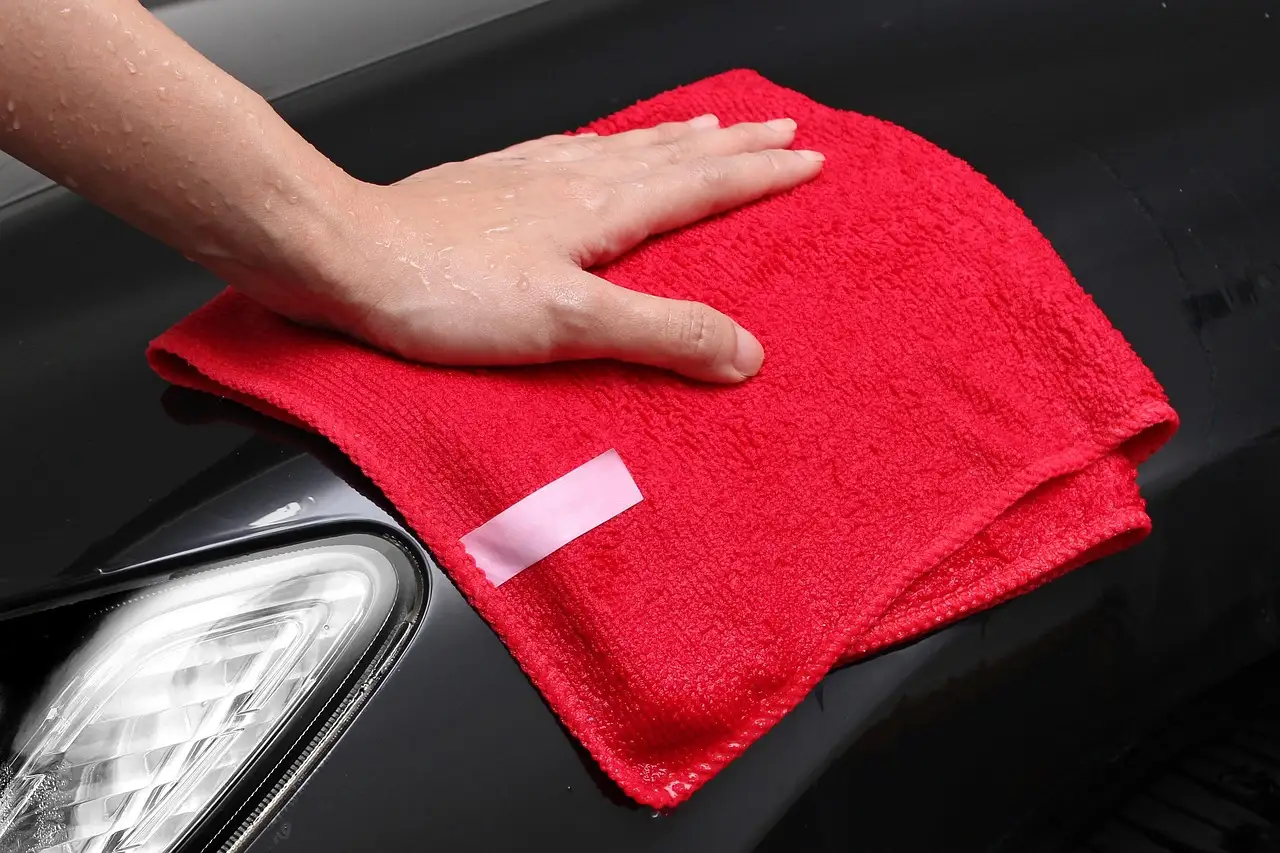
Choose by failure mode first. If the problem is water, choose absorbency. If the problem is haze, choose lower lint and a smoother weave. If the problem is control, choose a smaller towel. If the problem is edge marks, choose flat-edge construction.
GSM and absorbency for glass work
GSM tells you how much fiber is packed into the towel. Lower GSM towels can be easier to move across glass and often dry faster, which helps when you are buffing out cleaner. Higher GSM towels can hold more water, which is useful when the glass is wet or when you need more uptake between wrings.
The Drive says lighter towels with around 200 gsm can work for drying a vehicle, and that thicker microfiber towels are generally better for detailing. Its best-value pick is 720gsm. For glass, those numbers point to a split use case: lighter towels for controlled wiping, heavier towels for absorbent final passes when the weave still stays glass-friendly.
Weave type, edge construction, and lint control
Waffle weave tends to help with water removal, while plush weave can help elsewhere on the vehicle but may leave more drag on glass. Low-pile and tight-weave towels are usually safer for final wipe work because they are less likely to leave fibers behind. The Drive warns that some towels may leave lint behind, while some do not leave streaks or swirls.
Edge construction matters more than many buyers expect. Flat edges reduce the chance of scratch marks and help limit snagging on trim. That is one reason mirror work often goes better with a smaller flat-edged towel than with a larger, stitched towel that has a firmer border.
Why the 80/20 blend is common
Most microfiber towels are 80 percent polyester and 20 percent polyamide. That blend is common because it balances durability with absorbency, which is important when you want the towel to pull moisture off glass without turning rough after a few wash cycles. (Thedrive)
Glass work benefits from that balance. Too much stiffness can create drag. Too much softness without control can leave residue. The 80/20 blend is a practical middle ground for most detailing towels.
How do you wash microfiber towels used on glass?
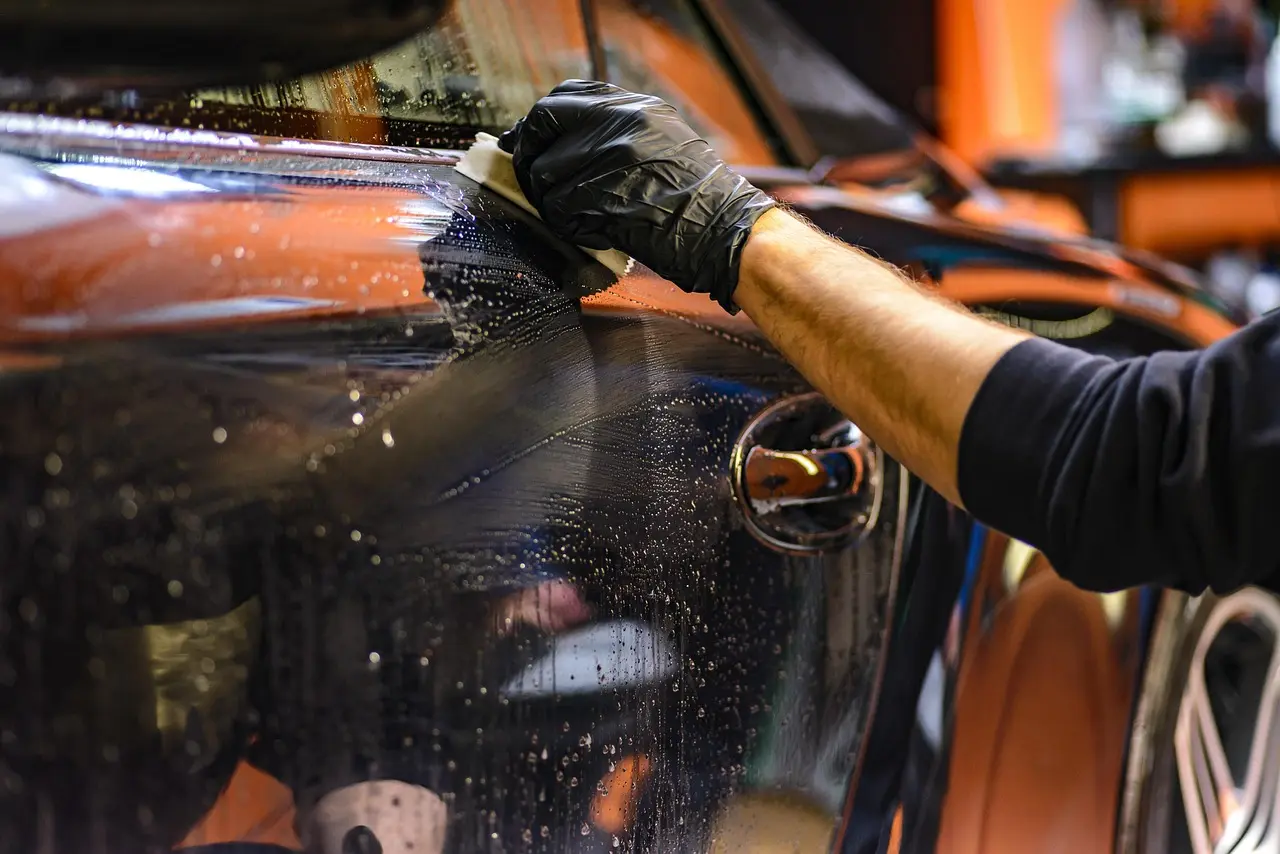
Wash glass towels separately from greasy towels, and keep them away from fabric softener and dryer sheets. Those additives coat the fibers and can raise linting and streaking risk. Use a simple wash cycle, rinse well, and dry on low heat or air dry to protect the fiber face.
-
Sort by job.
Keep glass towels away from paint towels, greasy wheel towels, and shop rags. Cross-contamination is one of the fastest ways to turn a streak-free towel into a smear maker.
-
Skip softeners.
Do not use fabric softener or dryer sheets. They leave a coating on the fibers that can reduce absorbency and make the towel push residue around instead of lifting it.
-
Wash gently.
Use a regular detergent with a thorough rinse. If the towels were used only on glass, a simple cycle is usually enough. Heavy heat and harsh additives can shorten the towel’s clean finish.
-
Dry with care.
Low heat is safer than high heat. If the towel feels rough after drying, it may have lost some of its softness and may leave more lint on the next pass.
How repeated washing affects linting
Repeated washing can change how a microfiber towel behaves on glass. Some towels start clean and then begin to shed more after the fibers wear or after they pick up contaminant from other laundry. That is why lint-free performance should be checked over time, not assumed forever.
If a towel starts leaving tiny fibers on the windshield after a few washes, move it out of glass duty. Keep it for less sensitive jobs instead of forcing it to finish glass.
Frequently asked questions
What microfiber towel is best for car windows and mirrors?
The best towel for car windows and mirrors is a low-pile, low-lint microfiber towel with a tight weave and a flat edge. A 12 x 12-inch size is easy to control on mirrors, while a 16 x 27-inch towel can help on larger glass. Waffle weave works well for damp cleaning.
What GSM microfiber towel is best for glass?
For glass, lower to mid-range GSM is often easier to control, while higher GSM can help when you need more absorbency. The Drive notes that lighter towels with around 200 gsm can work for drying, and its best-value pick is 720gsm. The right choice depends on whether you are drying, buffing, or doing a final wipe.
Will microfiber towels leave streaks on car windows?
They can if the weave is too plush, the towel is overloaded, or the edge drags across residue. Microfiber itself is not the problem. The problem is usually towel construction or contamination from washing and cross-use. A glass-specific towel lowers that risk.
What size microfiber towel is best for mirrors and glass?
Smaller towels are easier to manage on mirrors and tight glass areas. The Drive recommends a range of 12 by 12 to 16 by 27 inches, but mirrors usually benefit from the smaller end of that range. A 12 x 12-inch towel gives better hand control and less fold-over.
How do I keep microfiber towels from linting on glass?
Start with a towel made for glass, then keep it separate from greasy jobs and wash it without fabric softener or dryer sheets. Linting often rises after repeated washing or after the towel touches contaminated laundry. If the towel starts shedding, retire it from glass duty.
Can I use the same microfiber towel on windows and paint?
You can, but it is better not to mix those jobs once the towel has touched paint polish, sealant, or road film. Contamination is the issue, not just the fabric. A towel kept only for glass is more likely to stay lint-free and finish without haze.