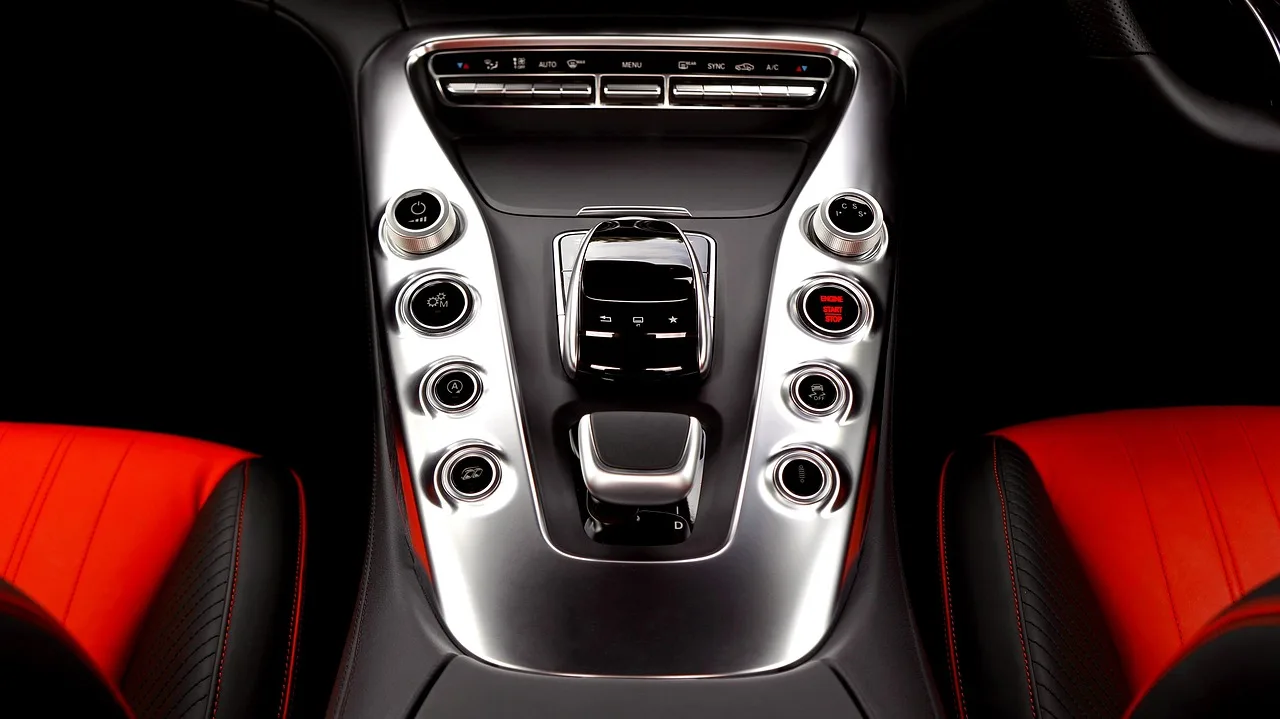
How to Protect Car Upholstery From Stains
Protect car upholstery from stains by matching prevention to the seat material: use breathable protection on cloth, pH-safe cleaner and conditioner on leather, avoid oily dressings on vinyl, and skip liquid protectants on suede-style trim. If you miss the material match, spills can soak in, leave rings, or create slick residue that attracts more dirt. This guide covers the right prevention steps for cloth, leather, vinyl, and suede-style seats, plus upkeep that avoids spotting.
Why do upholstery stains happen?
Stains happen when liquid, oil, dye, or dirt reaches the seat surface and stays long enough to bind with the fibers or finish. Heat, friction, and the wrong cleaner speed that process up. The best prevention is material-specific, because cloth absorbs, leather can dry and discolor, vinyl can haze, and suede-style trim can water spot.
Coffee and soda leave visible rings. Oil-based food stains, sunscreen, makeup transfer, mud, and dye transfer act differently, so the same protector will not solve every problem. Prevention works best when you start with a clean seat, choose the right barrier, and give it time to cure before use.
What you’ll need
- pH-neutral interior cleaner for prep
- Clean, lint-free microfiber towels
- Fabric protector spray for cloth upholstery
- Leather conditioner/protector labeled for automotive leather
- Seat covers should fit around airbags and seat controls.
- Soft brush or vacuum with upholstery attachment
- Drying space and time for cure before use
- Gloves if the product label recommends them
Which protection fits your seats?
The safest protection depends on the seat surface and spill risk. Cloth seats often benefit from a fabric protector spray after cleaning. Sealed leather needs a pH-safe leather conditioner/protector, while vinyl usually needs routine cleaning and, in some cases, a protectant made for vinyl. Suede-style trim should avoid liquid protectants and use dry cleaning plus seat covers when spill risk is high.
Cloth upholstery
Cloth upholstery can be treated with a fabric protector spray that is often used to help form a stain-resistant barrier on clean, dry fabric. Use it if you want spill resistance against coffee, soda, mud, and some oil-based soil, but expect reapplication after heavy use or washing. Even coverage matters; missed patches can show spotting.
Leather upholstery
Sealed leather does best with a leather conditioner/protector that is safe for automotive leather and pH-safe. It helps resist dye transfer and drying, and it can slow how quickly liquids soak in. Do not use it on suede-like finishes, because those surfaces can darken or mark unevenly.
Vinyl seats
Vinyl is generally less absorbent than cloth, so the main goal is to keep the surface clean and avoid products that leave an oily film. A pH-neutral interior cleaner is usually enough for routine care. If a protector is used, it should be labeled for vinyl and leave no slick residue that can trap dirt.
Suede-style trim
Suede and Alcantara-style trim are the most sensitive here. Skip liquid protectants unless the product is made specifically for that material. A better plan is careful vacuuming, quick blotting, and seat covers in high-spill vehicles. Water and residue can flatten the nap and create visible marks.
Upholstery stain matrix
Use this matrix to match material, risk, and failure mode before you buy anything. It separates chemical stain resistance from a physical barrier, because those are not the same thing. A seat cover blocks spills. A protector slows absorption. On some materials, both matter.
| Material | Safest protector type | Spill-risk level | Reapplication cadence | Common failure mode to avoid |
|---|---|---|---|---|
| Cloth upholstery | Fabric protector spray | Medium to high | After heavy use or washing; sooner if spills keep beading poorly | Uneven coverage, overspray, or applying to damp fabric |
| Leather upholstery | Leather conditioner/protector for sealed automotive leather | Medium | As the label directs, often every few months in active use | Using it on suede-like trim or leaving a greasy film |
| Vinyl | pH-neutral cleaner; vinyl-safe protectant only if labeled for vinyl | Low to medium | After cleaning, if the product calls for it | Residue that makes the seat slick or attracts dust |
| Suede-style trim | Dry care plus fitted seat cover | High | Seat cover cleaning as needed; avoid liquid protectants unless specified | Wet application, heavy scrubbing, or using leather products on the nap |
How do you apply protection?
Start with a dry, clean seat. Dirt, body oils, and old residue block even coverage and can make a protectant spotty. For cloth, use a fabric protector spray; for leather, use a leather conditioner/protector made for sealed automotive leather; for vinyl, keep the finish residue-free unless the product is vinyl-safe.
-
Vacuum the seat first.
Pull grit from seams and bolsters so you do not grind it into the surface during cleaning. Dirt left behind can stop the protectant from bonding evenly. -
Clean with the right product.
Wipe cloth, vinyl, and many leather surfaces with a pH-neutral interior cleaner. Let the surface dry fully before the next step, because moisture can dilute the protectant and leave rings. -
Test a hidden spot.
Put the product on a hidden seam or lower area and wait for the label’s dry time. This is where color shift, darkening, or residue shows up first. -
Apply in even passes.
Use light, overlapping passes instead of flooding one area. On cloth, keep the spray uniform; on leather, use a thin, even coat so the finish does not look streaked. -
Let it cure fully.
Follow the label’s drying and cure time exactly before using the seat. Humidity slows curing, and early use can cause spotting, transfer, or a tacky feel. -
Top up after wear.
Reapply by the product schedule, or after washing and heavy use. For cloth, that is often after deep cleaning or when spills stop beading; for leather, follow the label rather than guessing.
Say your front cloth seat gets regular coffee spills during a 30-minute commute. A clean surface, even spray coverage, and full cure time matter more than a heavy coat. A thick application can leave patchy dark areas that look like new stains even when the seat is protected.
How do you handle spills fast?
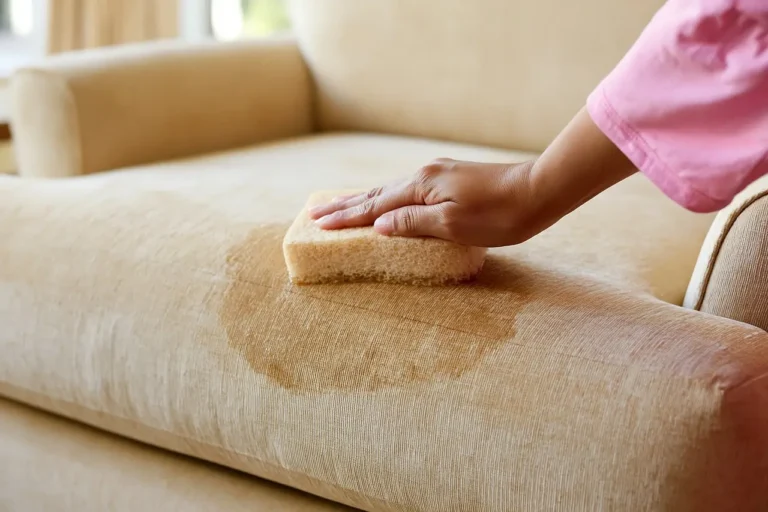
Blot at once with a clean, lint-free microfiber towel. Do not rub, because rubbing pushes liquid deeper into cloth fibers and can spread dye transfer across a wider patch. For leather and vinyl, quick blotting also helps stop sunscreen, soda, and oily food from setting into the finish.
-
Lift the liquid first.
Press the towel straight down and pick it up. Repeat with dry sections of the towel until the surface stops transferring liquid. -
Work from the edge.
Move inward to keep the spill from spreading outward. This is especially useful for coffee and soda, which can leave a ring if pushed around. -
Use a second towel.
Switch to a fresh microfiber towel when the first one becomes damp. A saturated towel can redeposit the stain. -
Clean after blotting.
If a mark remains, use the correct interior cleaner for the material, then dry the area. Avoid soaking the seat, which can create a larger halo.
A spill of about 6 ounces of soda on a cloth rear seat can stay small if it is blotted within about a minute. Blotting within a minute can keep the spot small. If the seat is rubbed with a paper towel, the sticky liquid can travel into the weave and leave a wider, darker ring after it dries.
Common mistakes
The biggest errors are product mismatch, too much product, and skipping cure time. A protectant that is fine on cloth can damage suede-style trim. A greasy leather dressing can make vinyl look dirty. Overspray on nearby plastics can leave haze, and residue on the seat can attract dust instead of repelling stains.
- Using fabric protector on leather or suede-style trim.
- Applying any protectant to damp upholstery.
- Skipping the hidden-spot test.
- Soaking the seat instead of using light, even coverage.
- Using a towel with lint or grit.
- Ignoring cure time before passengers sit down.
- Using a seat cover that blocks airbags or seat controls.
Are seat covers better than fabric protectors for preventing stains?
Seat covers are the stronger physical barrier, so they are usually better in high-spill households, rideshare use, or family vehicles with kids and pets. Fabric protectors help the seat itself resist absorption, but they cannot stop every spill. The best choice depends on how much exposure the seat actually gets.
Choose machine-washable or wipeable covers that fit airbags and seat controls correctly. Universal covers are easier to buy, but custom-fit designs usually stay in place better and reduce gaps where spills can reach the upholstery. On leather seats, covers can also help prevent dye transfer from dark clothing.
Will sunscreen or sweat stain car seats?
Yes. Sunscreen and sweat can stain car seats, especially light cloth and some leather finishes. Sunscreen often leaves an oily mark that darkens fabric, while sweat can carry salt and body oils that create rings or dull patches. Wipe these areas quickly and clean them before they sit for long periods.
For leather, a pH-safe conditioner/protector can help reduce absorption and dye transfer. For cloth, a fabric protector spray helps slow the staining process, but it does not replace immediate blotting. Repeated contact on the driver’s seat bolster and headrest is where buildup usually shows first.
Frequently asked questions
How do I protect car upholstery from stains?
Match the product to the seat material, clean first with a pH-neutral interior cleaner, then apply the correct protectant in even coverage. Cloth usually needs fabric protector spray, sealed leather needs a pH-safe leather conditioner/protector, and suede-style trim often does best with a fitted seat cover instead of liquid protection.
What is the best way to prevent stains on cloth car seats?
Vacuum the fabric, clean it with a pH-neutral interior cleaner, then apply a fabric protector spray to clean, dry upholstery. Reapply after heavy use or washing. For families or rideshare use, add a washable seat cover over the highest-risk seat to block spills before they reach the fabric.
How do I protect leather car seats from stains?
Use a leather conditioner/protector that is labeled for sealed automotive leather and is pH-safe. Apply it to a clean, dry seat in a thin, even coat, then wait for the full cure time before sitting. Avoid suede-like finishes and wipe away sunscreen or dye transfer quickly.
Can I use Scotchgard on car upholstery?
Only if the specific product label says it is safe for that seat material. A fabric protector is appropriate for cloth, but not for leather or suede-style trim unless the label says otherwise. Test a hidden spot first and follow the listed dry and cure times exactly.
How often should I reapply fabric protector to car seats?
Reapply after heavy use, after washing, or when spills no longer bead up on the fabric. A practical schedule is to check cloth seats every few months in active vehicles and sooner in high-spill households. Always follow the label, because humidity and use change cure and wear times.
What should I do immediately after a spill on car upholstery?
Blot it with a clean, lint-free microfiber towel as soon as possible, then switch to a dry section or a second towel. Do not rub. Once the liquid is lifted, clean the area with the correct interior cleaner and let it dry fully before anyone sits there.
How do I keep kids’ spills from staining car upholstery?
Use a washable seat cover on the child’s seat area, keep microfiber towels in the car, and clean spills right away before they dry. For cloth, a fabric protector spray helps; for leather, use a pH-safe leather conditioner/protector. The cover is the most reliable barrier when spills are frequent.