Is Waterless Wash Safe for a Ceramic Coated Car?
Waterless wash is generally safest on a ceramic-coated car only when the paint has light dust or fresh road film; if you feel grit or see heavy salt, mud, or sand, switch to a rinse wash first. On dirty paint, it can drag particles across the coating and leave marring or swirls. This guide shows when to use it, when to stop, and how to adjust your technique for coated paint.
What ceramic coating can and cannot do for you
A ceramic coating does not make dirty paint safe to wipe. It adds a protective clear layer, but any grit sitting on top can still be dragged across that layer if lubrication is weak, the towel is loaded, or the panel is hot. Waterless wash is safe on coated paint only when contamination stays light.
The coating changes how the surface behaves, not the rules of contact cleaning. A coating-safe lubricant can reduce drag, and a plush microfiber towel can carry away light debris more gently than a rough one, but neither fixes a panel that feels gritty. If the surface has stuck-on dirt, stop and rinse first.
What the coating changes, and what it does not
A coated panel usually sheds water faster and feels slicker, so light dust can come off more easily than it would on bare paint. That does not mean every wipe is harmless. If a particle is hard enough or large enough, the towel can still drag it and leave wash-induced marring.
CAR PRO Ech2O was made to work with ceramic coatings, and it uses a SiO2 hybrid framework. It also works on non-coated or waxed surfaces, and it is described as an eco-friendly organic lubricant solution that claims it can safely clean and gloss exterior vehicle surfaces.
Why lubrication still matters on coated paint
Waterless wash works by surrounding loose grime with liquid so the towel can lift it with less friction. That is why product choice matters. A high-lubricity formula matters more on coated paint than a thin spray that flashes too fast, because low lubrication raises the chance of drag marks.
CAR PRO Ech2O is described as safe to use in extreme heat and direct sun, and it is meant to remove dust and light dirt. Even then, a quality microfiber towel is required in the process, because towel texture and cleanliness are part of the safety system, not extras.
When is a ceramic-coated car too dirty?
A ceramic-coated car is too dirty for waterless wash once contamination stops being loose dust and starts acting like grit. Light dust and a touch of light dirt are within the normal use case. Road film, bug residue, sand, salt, and visible particles are a different job and should send you toward a rinse wash.
Light dust and light dirt
Light dust is the safe operating zone. If the panel looks dusty but feels smooth when you barely touch it, a coated-surface waterless wash can work well. The towel should glide with product in place, not scrape or catch.
Car and Driver says waterless washes need no hose or bucket and are for quick cleanup. They are not a replacement for a deep clean on heavily soiled vehicles, which matches the basic contamination rule here: keep them for light cleanup, not full recovery from road grime. (Caranddriver)
Road film and bug residue
Road film and bug residue are warning signs. They usually contain sticky material that does not release cleanly with a few sprays and a light pass. If you have to press harder to move the residue, the panel is already outside the safe range for waterless wash.
At that point, switch to a rinse wash or a proper bucket wash. A quick detailer may help with light maintenance or fresh fingerprints, but it is not the same as a waterless wash, and it should not be used as a fix for bonded grime.
Visible grit or stuck-on debris
Visible grit is an immediate stop sign. If you can see sand, embedded dust, or crusted dirt, the risk of dragging it across the coating is too high. Wiping that kind of contamination can create fine marks even on a well-kept ceramic coating.
Picture a dark sedan with a dry lower door covered in pale sand after a windy commute. A spray and wipe may seem fast, but the first pass can move grit in a line. That is the moment to rinse, not to “try one careful swipe.”
How to use waterless wash on coated paint
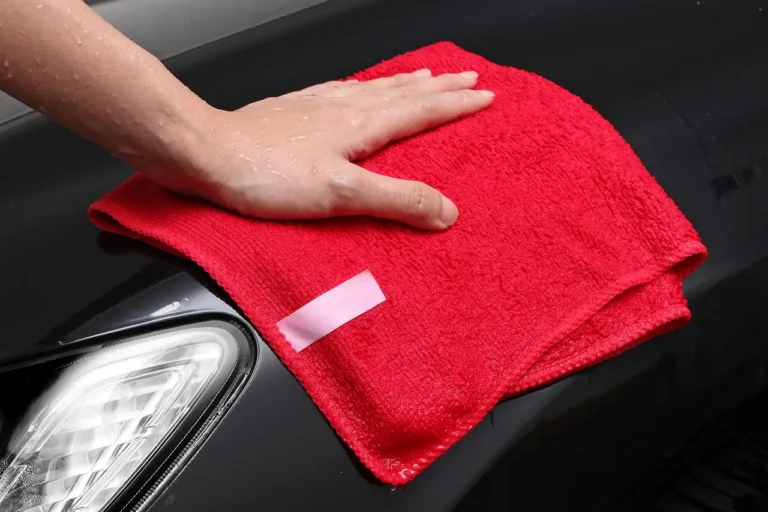
Use a plush microfiber towel, a coating-safe formula, and a light touch. The process is simple, but the order matters: loosen the contamination with product, lift it with a clean face of the towel, then buff before residue dries. On a coated car, technique is the difference between a clean finish and drag marks.
-
Inspect the panel first.
Check for grit, bug splatter, heavy salt, and sticky road film. If you can feel abrasive contamination or see buildup in seams and lower panels, skip waterless wash and move to a rinse method instead. -
Choose a clean microfiber towel.
Use a plush microfiber towel that is dry, clean, and free of embedded debris. A dirty towel can turn light dust into a scratch risk the moment it loads up. -
Spray the surface lightly.
Mist enough product to wet the contamination without flooding the panel. A coating-safe or SiO2-compatible formula works well here because it is meant for maintenance cleaning, not just shine. -
Wipe in short straight passes.
Use low pressure and short, straight motions instead of tight circles. Fold the towel often so a fresh face touches the paint as soon as one side starts to load with grime. -
Buff before residue dries.
Follow with a second clean towel face to remove remaining film. If residue starts to haze, stop and reapply a small amount of product rather than pressing harder.
A common mistake is misting a waterless wash on a ceramic-coated hood that is still covered in gritty pollen, then dragging the towel across the surface without flipping to a clean side. Once the towel loads up, its safety drops. Flip to a fresh face or change towels before moving to the next section.
Say your hatch has a thin layer of morning dust and the rear glass feels smooth to the touch. A light spray and two-panel wipe can be fine. If the lower bumper has peppered grit, leave that area for a rinse wash and keep the waterless method on the cleaner upper panels only.
Ceramic coating safety checklist
This checklist gives a plain go/no-go decision based on contamination level. Use it before you spray. If the condition does not fit the exact wipe method, do not improvise on dirty coated paint.
| Contamination level | Go / no-go decision | Exact wipe method |
|---|---|---|
| Light dust | Go | Lightly mist the panel, wipe with a plush microfiber towel using short straight passes, then buff with a fresh face before it dries. |
| Fresh light dirt | Go, with caution | Use extra lubrication, make one gentle pass, then switch to a clean towel face immediately after the first lift of grime. |
| Road film | No-go | Do not wipe dry or force a waterless pass. Rinse first, then wash normally. |
| Bug residue | No-go | Soak and rinse the area before contact cleaning. If residue resists, use a proper wash method instead of pressing harder. |
| Visible grit | No-go | Do not touch with a towel until grit is removed by rinsing. A dry wipe can drag particles across the coating. |
What should you use instead on dirtier cars?
Use a rinse wash or bucket wash once contamination becomes heavy, sticky, or gritty. Waterless wash is a maintenance method, not a recovery method. SiO2 hybrid sprays and quick detailers fit only when the surface is already in light-contamination territory and you want a final maintenance wipe.
Rinse wash or bucket wash for heavier contamination
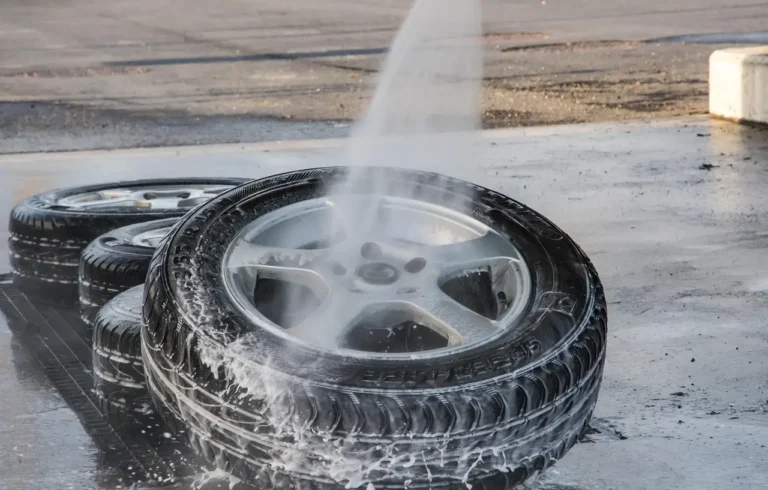
Heavy mud, thick road film, and gritty buildup generally need water first. A rinse step flushes loose particles away before any towel touches the paint, which is what makes it safer than a direct wipe on dirty coating. That is the right move for lower panels after rain, winter salt, or long highway trips.
Do not treat coating slickness as proof that the panel is clean. A ceramic-coated surface can still hold bonded grime that feels smooth at a glance but scratches when dragged. When in doubt, rinse.
Where SiO2 hybrid sprays and quick detailers fit
SiO2 hybrid formulas are useful when you want maintenance cleaning with coating compatibility. CAR PRO Ech2O uses a SiO2 hybrid framework, and it is described as safe on coated, non-coated, and waxed surfaces. Meguiar’s Ultimate Waterless Wash and Wax is described as safe on most exterior surfaces.
Quick detailer sits next to waterless wash, but the overlap is not total. A quick detailer often leans more toward light dust removal, gloss, and spot cleaning, while a waterless wash is built for broader maintenance cleaning. If the label or product description does not support the contamination level, do not assume it does the same job.
Will waterless wash add gloss or streaks?
Many waterless products leave some gloss, slickness, or wax-like look after cleaning, and that can be useful on a ceramic-coated car. That finish is not proof of deep cleaning. Streaks happen when the product flashes too fast, the towel is loaded, or the panel is hot enough to dry the spray before you buff it off.
What gloss claims usually mean
Gloss claims usually point to leftover polymers, SiO2 content, or a maintenance film that improves appearance after the dirt is removed. CAR PRO Ech2O claims it can safely clean and gloss exterior vehicle surfaces. That kind of result can help the finish look sharper, but it should never be used as evidence that the paint was safe to wipe in the first place.
Why sun, heat, and towel load affect streaking
Direct sun and hot panels shorten working time. Even though ECH2O is described as safe to use in extreme heat and direct sun, fast evaporation still raises the chance of streaking if you wait too long to buff. Adam’s Polishes Waterless Wash may require an extra buffing pass to remove streaks.
Suppose a black hood has been sitting in afternoon sun and the product begins to haze before you flip the towel. That haze is telling you to work smaller sections, use more product, and buff sooner. The fix is technique, not more pressure.
-
Work smaller sections.
Split warm panels into smaller areas so the spray does not dry before you buff. On a hot hood or door, a half-panel at a time is safer than trying to cover the whole surface at once. -
Use fresh towel faces.
Flip the towel as soon as it starts to feel damp or gritty. A loaded towel increases streaking risk and can drag debris back across the coating. -
Add a second buff pass.
If light streaking remains, use a clean towel with no extra pressure and make one more pass. That is better than grinding at the panel with a dirty face.
How often should you wash a ceramic coated car?
Wash a ceramic-coated car often enough that dust never has time to become grit or film. For many owners, that means quick maintenance cleaning between proper washes, then a full rinse wash when buildup starts to show. The coating helps cleaning go faster, but it does not replace regular removal of contamination.
A good rule is to use waterless wash only as an in-between method, not as the only method. If the car sees rain, highway driving, or winter road salt, the interval between proper washes should shorten. If it stays parked and only picks up light dust, waterless maintenance can fit more easily.
Do I need a special microfiber towel for coated paint?
You do not need a special label on the towel, but you do need the right towel traits. For coated paint, the towel should be plush, clean, and able to hold lubrication and lifted dirt away from the surface. A stiff, thin, or dirty towel raises drag risk.
| Trait | Safer choice for coated paint | Why it matters |
|---|---|---|
| Towel pile | Plush, high-pile microfiber | Helps trap light dust and reduce direct contact pressure. |
| Towel condition | Clean and lint-free | Dirty fibers can drag trapped debris across the coating. |
| Towel use | Fresh faces folded often | Limits re-depositing grit after the first pass. |
| Product trait | High-lubricity, coating-safe, SiO2-compatible when available | Improves slip and supports coated-surface maintenance. |
The safest towel is the one that still feels clean enough to use on a dark finish without hesitation. If a towel has been dropped, feels sandy, or has already loaded up with lower-panel dirt, retire it from the job immediately.
Can I use waterless wash on a freshly coated car?
Only if the coating maker allows it during the cure window. Some coatings need time before any wash chemistry touches them, and that window varies by product. If the installer or product instructions give a cure period, follow that first. During curing, avoid aggressive wiping and avoid anything that could interfere with bonding.
Once the coating is ready, waterless wash can be used for light dust, but keep the same contamination rule in place. Freshly coated does not mean dirt-proof, and it does not mean safe to wipe gritty panels earlier than the manufacturer allows.
Frequently asked questions
Is waterless car wash safe for ceramic coating?
Yes, but only on light dust or light dirt. Ceramic coating does not make gritty paint safe to wipe, so the condition of the surface matters more than the coating label. Use a coating-safe, high-lubricity formula and stop if the panel feels abrasive.
What should I wash a ceramic coated car with?
Use a rinse wash or bucket wash for heavier dirt, and reserve waterless wash for light dust and fresh light dirt. Choose a coating-safe, high-lubricity product and a clean plush microfiber towel. If the car is gritty, rinse first.
Will waterless wash add gloss to ceramic coating?
Some formulas do add gloss or a slick finish, especially SiO2 hybrid products and waterless wash-and-wax blends. That finish is helpful for maintenance, but it is not proof that the panel was safe to wipe or fully clean.
What should I do if waterless wash leaves streaks?
Stop wiping harder. Use a fresh clean microfiber towel, work smaller sections, and buff before the product dries. If the panel is hot or in direct sun, move the car or wait for the surface to cool, then try again with more lubrication.