What Do You Need in a Rinseless Wash Kit?
A safe first rinseless wash kit usually needs one rinseless wash concentrate, a clean 5-gallon bucket, multiple plush microfiber towels, a soft wash mitt or sponge, a pump sprayer, and a drying towel; a grit guard and a second drying towel are often added if the car is large or dirty. Skipping the right towel count or lubrication can grind grit into paint and create marring fast. This guide gives you a practical shopping checklist, then sorts essentials, optional upgrades, and setup choices by vehicle size and dirt level.
Core and optional items for a basic rinseless kit
A first rinseless wash kit should start with concentrate, a clean bucket, soft wash media, enough microfiber towels, and a drying towel. Optional add-ons like a grit guard, spray bottle, and wheel brushes improve safety and speed, but they are not the starting point. The goal is controlled washing, one panel at a time, with enough clean towel faces to keep dirt moving off the paint.
Core items you need first
- Rinseless wash concentrate mixed with water, following the label dilution first.
- 5-gallon bucket for the wash solution; keep it clean.
- Microfiber towels for wiping and drying.
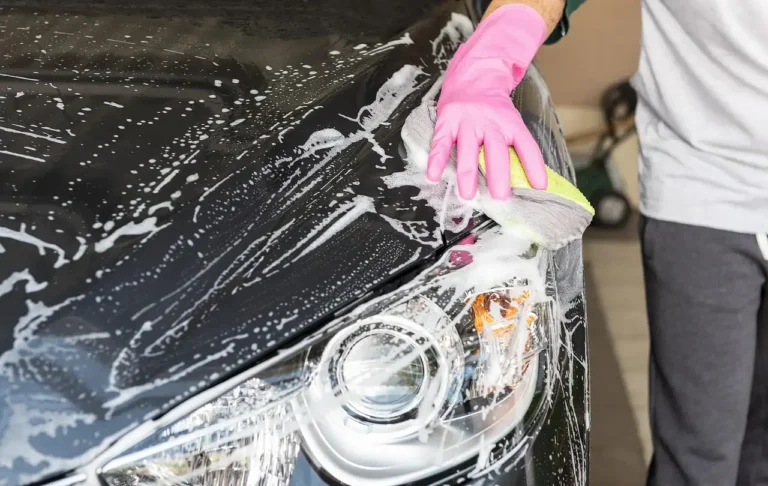
- Wash mitt or sponge that traps dirt and glides with light pressure.
- Drying towel for immediate drying after each section.
What counts as optional
- Grit guard to keep debris lower in the bucket.
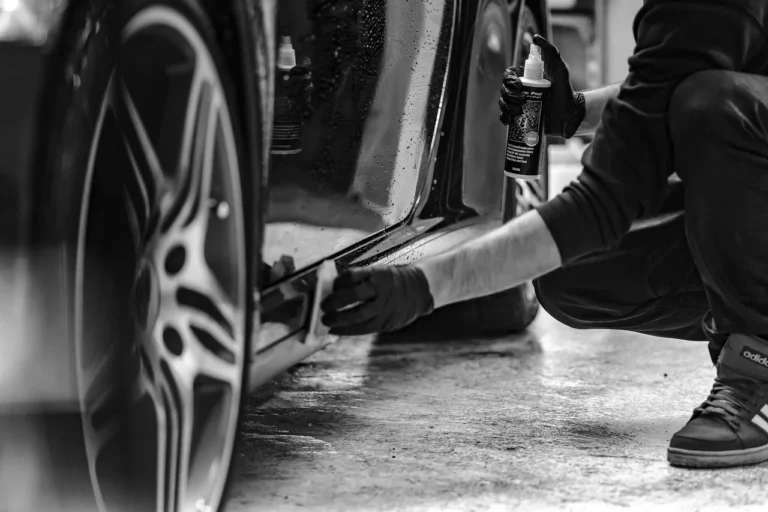
- Spray bottle or pump sprayer for pre-soak or spot treatment.
- Wheel and tire brushes if you plan to clean wheels in the same session.
What changes by vehicle size
Small sedans can use a leaner towel count and one wash media piece. Larger SUVs usually need more towels, a bigger drying towel, and a second media piece if the vehicle is dirty or the session runs long. Winter drivers should lean toward more towels and a pre-soak tool, because road film and salt residue load the towel faster.
Starter kit matrix
This matrix separates a true first kit from upgrades. The minimum build covers the basics. The safer beginner build gives you more fresh towel faces and a little more margin. The premium build is better for larger vehicles, colder weather, and users who want separate wheel tools and extra pre-soak control.
| Build level | Item count | Suggested towel quantity | Optional add-ons | Best fit |
|---|---|---|---|---|
| Minimum | 1 concentrate, 1 clean bucket, 1 wash media, 1 drying towel, 1 spray bottle | 4 microfiber towels | None required | Sedan, apartment user, light-to-moderate dirt |
| Safer beginner | 1 concentrate, 1 bucket, 1 wash media, 1 grit guard, 1 spray bottle, 2 drying towels | 6 microfiber towels | Grit guard, second wash media | Sedan, SUV, winter driver, moderate dirt |
| Premium | 1 concentrate, 1 bucket, 1 grit guard, 1 pump sprayer, 2 wash media, 2 drying towels, wheel brushes | 8 microfiber towels | Wheel brushes, extra pre-soak bottle | Large SUV, frequent winter use, dirtier daily driver |
Griot’s kit examples help show what a fuller setup looks like. One kit includes six ultra-soft microfiber wash cloths and two drying towels. Another version includes a Grit Guard bucket insert, and Griot’s kit can include an Ultimate Wash Bucket II with casters. The same brand also uses a 15:1 dilution spray bottle for heavy grime pre-soak.
How many towels do you need?
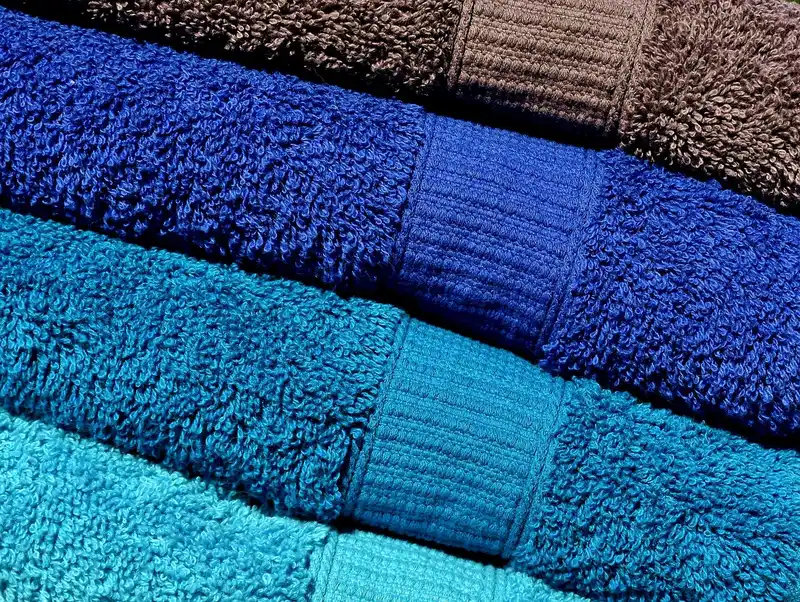
Most first kits need more towels than people expect. A sedan can usually be handled with about four to six microfiber towels if they are folded and rotated correctly. An SUV often needs six to eight, especially if lower panels are dusty or salted. Drying towels are separate; do not count the wash towels as your only drying option.
Sedan towel count
For a sedan, start with four wash towels and one drying towel. If the car sees winter roads, add two more wash towels or a second drying towel. That gives you enough clean sides to keep moving without reusing a dirty face too soon.
SUV towel count
For an SUV, plan on six wash towels and two drying towels. Taller doors, larger rear quarters, and more road film mean you will go through clean sides faster. A common first-timer mistake is buying one plush towel and hoping it covers the whole vehicle. It usually does not.
How to fold and rotate towels
- Fold each microfiber towel into quarters.
- Use one fresh side for a single section or a small paint area.
- Flip to a clean side as soon as the towel looks loaded.
- Set used towels aside, not back into the clean pile.
Picture a compact sedan with light dust after a dry commute. Four folded towels can often cover the whole car if each panel gets a fresh side. Now picture the same car after a week of salt spray. The towel count should go up, because road grime loads the media much faster.
What is the safest wash media?
A soft microfiber mitt or a dedicated safe sponge is the safest starting point. The media should trap dirt, hold lubrication, and stay soft enough to reduce marring. Avoid rough sponges, old household towels, or anything that feels stiff, contaminated, or gritty in the hand.
Microfiber mitts
A microfiber mitt is a strong choice if you want more control over washing one panel at a time. It conforms to body lines and can carry plenty of solution. Use light pressure and stop if the mitt picks up heavy grit.
Safe sponges
Dedicated rinseless sponges can work well when they are designed to hold liquid and release dirt safely. Competitor kits often pair Optimum No Rinse with a Big Red Sponge, and other kits use a similar safe sponge approach. The key is soft construction, not a generic sponge shape.
When to replace worn media
Replace wash media when seams fray, fibers flatten, or the material no longer feels soft and clean after laundering. If the media keeps dragging grit or leaves faint scuffing, it is past its useful life for paint.
How do you mix the solution?
Use the label dilution first. A common reference point from competitor guidance is 1 oz of concentrate per 2 gallons of water, and The Rag Company also gives a standard example of 256:1. Its guide lists 4 gallons of water with 2 ounces of concentrate. Use the product label as the final authority.
Label dilution first
Different concentrates can ask for different mixes, so the bottle or package directions come first. That matters if you are using Optimum No Rinse, Absolute Rinseless Wash, P&S Absolute, or Griot’s Garage Rinseless Wash & Wax.
Common reference mix
Several competitor pages point to 1 oz per 2 gallons as a common mixture. NavAuto1 Spa says the common mixture is 1 oz for every 2 gallons of water, and it recommends a tall and clean 5-gallon bucket. That is a useful baseline, not a substitute for the label.
Spray bottle and pump sprayer use
A trigger spray bottle or pump sprayer helps with pre-soak and spot treatment. The Rag Company highlights a trigger spray bottle for spot cleaning and pre-treating, and Griot’s uses a 15:1 dilution spray bottle for heavy grime pre-soak. A 32 oz bottle is a common size in competitor guidance.
Do you need two buckets?
Not always. A single clean 5-gallon bucket is enough for many rinseless wash setups when you use soft media, enough towels, and a careful panel-by-panel routine. A second bucket can help if the car is larger, dirtier, or driven in winter, but it is an optional safety choice, not a requirement.
One-bucket setup
For light to moderate dirt, one clean bucket works well if you keep your towels sorted and avoid re-dipping dirty media without thought. The bucket should hold the mixed solution and stay free of old grit. A clean bucket matters more than a fancy bucket.
When a second bucket helps
A second bucket can be useful if you are washing lower doors, rear bumpers, or a vehicle with visible road film. It gives you a separate place for rinse water or for keeping dirt away from your clean mix. Many users still do fine with one bucket and more towels.
Where a grit guard fits
A grit guard is an optional insert that helps keep debris below the wash media. It is common in starter kits because it adds a small margin of safety. If you choose only one upgrade beyond the basics, a grit guard is a reasonable pick.
What extra tools are worth buying?
Extra tools should solve a real problem, not add clutter. A larger drying towel helps on SUVs. Wheel and tire brushes are worth buying if you plan to clean wheels separately. A spray bottle or pump sprayer is useful for grime, bug spots, and winter buildup. Keep the kit focused.
Drying towel size
Buy a drying towel that is large enough to dry a panel quickly without constant wringing. For small cars, one towel may be enough. For SUVs, two towels are safer because they reduce the chance of dragging a saturated towel across paint. The goal is an immediate, streak-free finish.
Wheel and tire brushes
Wheel and tire brushes should live in a separate add-on group. Wheels collect brake dust and heavier grit, so they should not be treated like clean paint panels. Use separate brushes and separate towels if you want to keep wheel dirt away from the bodywork.
Pre-soak and spot treatment tools
A spray bottle or pump sprayer is especially helpful for contaminated lower panels, bugs, and winter salt film. If the grime is heavy enough that the paint feels gritty, pre-soak first and do not force the towel across it dry. That is when a rinseless wash is safer than a waterless wash, but still not for caked mud.
Suppose a midsize SUV has salt on the rocker panels after a cold week. Pre-soak those lower sections first, then clean the roof and upper doors before the lower body. That keeps the dirtiest area from loading the same towel you use on cleaner panels.
Frequently asked questions
What do I need for a rinseless wash kit?
You need rinseless concentrate, a clean 5-gallon bucket, a soft wash mitt or sponge, several microfiber towels, and a drying towel. Add a spray bottle and a grit guard if you want more control. If the vehicle is large or dirty, plan on extra towels and a second drying towel.
What is the difference between a rinseless wash and a waterless wash?
A rinseless wash uses a bucket of diluted solution and wash media, so it is better suited to moderate dirt. A waterless wash is usually a spray-and-wipe setup with less liquid and less margin for grime. For a true first kit, rinseless needs more gear and is the safer choice.
Can I use a rinseless wash as a clay lube?
Some people use rinseless solutions as a clay lubricant, but follow the product label first. A dedicated clay lube or the manufacturer’s approved dilution is the safer choice if you are claying a paint surface. Do not use a dirty wash mix for claying.
What dilution ratio should I use for rinseless wash concentrate?
Start with the label directions. A common competitor reference is 1 oz per 2 gallons of water, and The Rag Company gives a 256:1 example with 4 gallons of water and 2 ounces of concentrate. Use those as references only if they match the product instructions.
Can I use rinseless wash on wheels, glass, and trim?
It can be used on those surfaces if the product label allows it, but wheels should get separate brushes and towels because they carry brake dust. Glass and trim are usually fine with a gentle touch, though heavily soiled wheels deserve their own tools and their own cleanup path.
What size drying towel should I buy for rinseless washing?
Buy a microfiber drying towel large enough to cover a panel without repeated passes. For a sedan, one good towel is often enough. For an SUV, two towels are safer. Griot’s kit includes two drying towels, which is a useful benchmark for larger or dirtier vehicles.
Do I need a grit guard for a rinseless wash kit?
No, but it is a smart optional upgrade. A grit guard helps keep debris lower in the bucket and can reduce the chance of dragging contamination back onto the wash media. If your vehicle sees winter roads or heavier dust, it is worth considering.
Do I need two buckets for a rinseless wash?
Not for most first kits. One clean bucket is enough for many rinseless washes when the car is only lightly to moderately dirty. A second bucket becomes more useful on larger vehicles, in winter, or when you want extra separation between clean solution and dirtier water.
How many towels do I need for a rinseless wash?
Plan on four wash towels for a sedan and six to eight for an SUV, plus one or two drying towels. That gives you enough clean sides to move panel by panel without overusing one towel. If the paint is gritty or salted, lean toward the higher end.
What kind of sponge or mitt is safest for rinseless washing?
A soft microfiber mitt or a dedicated safe sponge is the safest bet. Big Red Sponge and similar rinseless-safe sponges are common examples. What matters most is soft, clean, absorbent material that traps dirt and releases it before it can scour the paint.
Rinseless wash vs waterless wash
Rinseless wash needs a bucket, multiple towels, and a wash tool, so it is built for more than quick dusting. Waterless wash is a lighter spray setup for very light soil. If you are choosing a first kit for regular DIY washing, rinseless is the more practical buy.