Is a Foam Cannon Worth It for Washing Your Car at Home?
A foam cannon is worth it if you wash at home with a pressure washer and want a safer pre-wash that cuts contact; if you use a hose only, a foam gun usually makes more sense. Skip the wrong setup and you waste money, time, and detergent without removing much dirt. This guide breaks down foam cannon vs. foam gun, the gear you need, and when neither is a smart buy.
What a foam cannon actually does
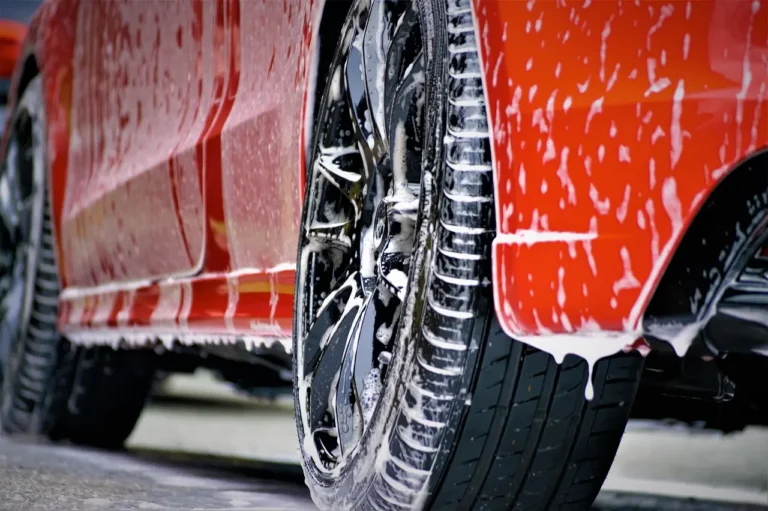
A foam cannon coats the panel with soap, so loose dirt can soften before you touch the paint. It mixes car-wash soap with water, then sprays a wide fan over the vehicle. That makes it a pre-wash tool, not a full wash.
Pre-wash, not full wash
Foam should come before the mitt, never in place of it. The goal is to leave less dry grit on the surface, so your hands do less work once contact starts. Autoweek says foam cannons can help keep paint free from swirls and scratches, but that benefit comes from less contact, not from bubbles doing the final cleaning.
Picture a sedan with road film after a rainy week. A foam pass can loosen the film on horizontal panels, but it will not remove embedded grime or old traffic film by itself. You still need a rinse and a touch wash afterward.
How soap dilution and spray pattern affect coverage
Coverage matters more than foam drama. A good unit spreads diluted soap across the panel evenly, so the cleaner sits on the paint long enough to loosen dirt. The Torq Foam Blaster 6 lets users adjust the soap-to-water ratio, which matters when you need thicker coverage on dirtier panels or a lighter mix for maintenance washes.
Spray pattern also matters. A wider pattern gives faster panel coverage, while a narrower pattern can help on lower-output setups. If the fan is too narrow, you spend more time moving the cannon around, and the pre-wash loses some of its point.
Why foam still needs a mitt follow-up
Foam is only the first contact-reduction step. After rinsing, use a microfiber wash mitt for the contact wash. The same source recommends a microfiber wash mitt if you use a hose-compatible foam cannon route, because the mitt is the part that actually lifts the remaining film safely when paired with a proper rinse.
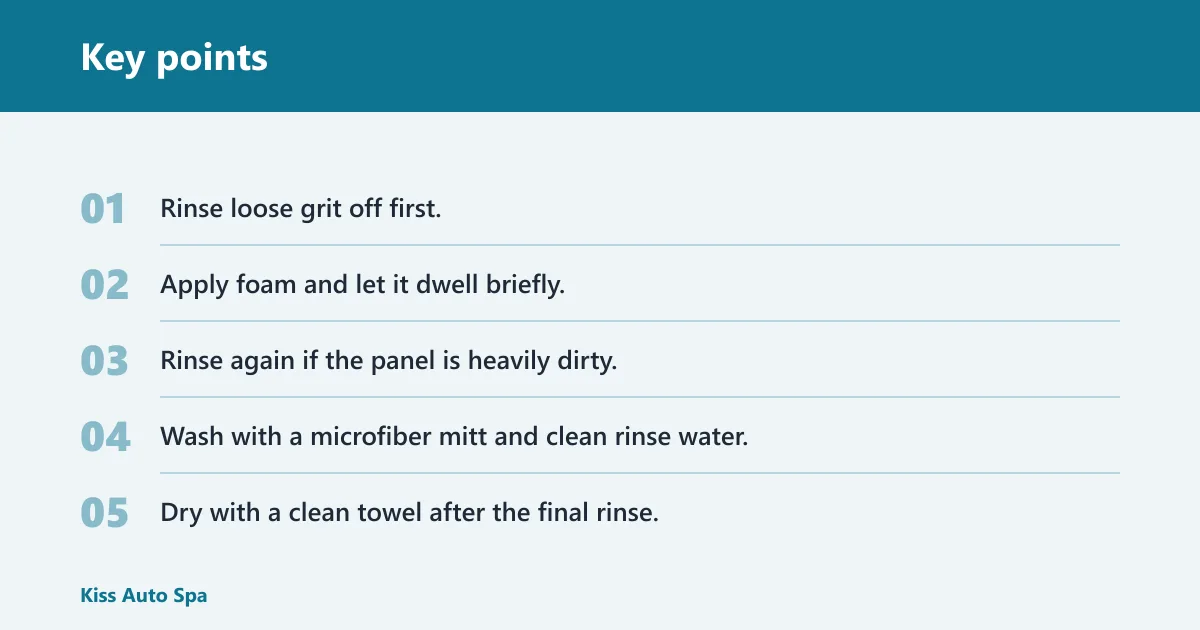
- Rinse loose grit off first.
- Apply foam and let it dwell briefly.
- Rinse again if the panel is heavily dirty.
- Wash with a microfiber mitt and clean rinse water.
- Dry with a clean towel after the final rinse.
Foam cannon scorecard
The purchase makes the most sense when foam cuts enough contact over 12 months to justify the setup, storage, and detergent use. If you wash often and your car sees real road grime, the pre-wash benefit is easier to feel. If you wash rarely, the math gets weak fast.
| User type | Wash frequency | Water access | Pressure washer ownership | Paint condition | Budget | Worth it? | Estimated payback drivers |
|---|---|---|---|---|---|---|---|
| Weekend enthusiast | Weekly or biweekly | Driveway or garage with hose | Yes | Good paint, wants to avoid new swirls | Moderate | Yes | Less mitt contact, faster pre-wash, cleaner wash workflow |
| Daily-driver owner | Frequent, especially in dirty seasons | Driveway access | Yes | Paint already has light swirl risk | Moderate to flexible | Yes | Better soil lift before touch, fewer heavy-contact passes |
| Apartment user | Monthly or less | Limited water control | No | Any | Tight | No | Setup friction, storage, and weaker output outweigh the gain |
| Budget-first buyer | Occasional | Any | No or low-end unit | Any | Low | No | Soap cost and weak foam reduce the value of the extra gear |
| Dirty winter commuter | Weekly | Driveway access | Yes | Paint exposed to road salt and grit | Flexible | Yes | Pre-wash removes more grit before mitt contact |
The 12-month payback is best when the cannon changes your wash routine, not when it simply adds foam. If it lets you skip some risky contact on dirty panels every week, it can earn its place. If it sits on a shelf after two uses, it will not.
Is a foam cannon worth it for you?
It is worth it for frequent home washers who already own a pressure washer and want a cleaner pre-wash step. It is less convincing for low-frequency owners, renters with limited water access, or anyone hoping foam will replace a real wash. The gain comes from less touch, not from bubbles alone.
Weekend washer
A weekend washer with driveway access is the strongest match. If you wash every week or two, a foam cannon can trim the amount of grime that reaches the mitt. That lowers the chance of rubbing grit into the paint during the main wash.
Daily-driver owner
Daily drivers see the clearest value when the car picks up road film, dust, and winter debris. A foam pre-wash can soften that layer before the mitt touches the panel. The dirtier the car gets between washes, the more useful the cannon becomes.
Low-frequency or budget buyer
If you wash a few times a year, the case weakens. You still need soap, rinsing, cleanup, and storage space. In that setup, a bucket wash or a foam gun may give you most of the benefit with less expense and less friction.
Foam cannon vs foam gun
A foam cannon uses pressure-washer output, while a foam gun works with a standard garden hose. Some foam cannons are designed for use with a standard garden hose, but pressure washers are used by professional detailers with foam cannons because the higher output generally creates better coverage and stronger spray behavior.
Pressure-washer output versus garden-hose output
The practical tradeoff is output and convenience. A pressure-washer cannon usually throws soap farther and more evenly, which improves panel coverage during the pre-wash. A foam gun is gentler and easier to set up, but it usually gives up some spray force and foam density.
Say your driveway has no power outlet nearby, but you do have a hose bib and a simple wash spot. A foam gun fits that reality better than buying a pressure washer just to spray soap. The lower output is the compromise.
Where a foam gun makes more sense
A foam gun makes sense when you want hose compatibility, lower cost, and simpler cleanup. It is a reasonable choice for light maintenance washes, apartment-style use with outdoor access, or anyone who does not want another powered tool in storage.
Where a foam cannon is the better buy
A foam cannon is the better buy when you already own a pressure washer and want the strongest pre-wash effect. If the goal is to loosen more dirt before mitt contact, pressure-washer output usually does that better than a hose-only setup.
Do you need a pressure washer?
You do not need a pressure washer for every foam setup, but most foam cannons depend on one for their best output. If you buy a cannon built for pressure-washer use, the washer is required. If you buy a hose-compatible unit, the pressure washer becomes optional, but performance usually drops.
Required and optional setups
Pressure-washer-based foam cannons are the standard for stronger pre-wash performance. Hose-compatible models can work, but they are a different category. They are better for convenience than for maximum foam throw or coverage.
Connector compatibility and fit checks
Connector fit matters more than many buyers expect. ProWash’s foam cannon kit uses a 14mm connector, and ProWash includes five tips to direct the flow of soap. That kind of detail matters because a poor connector match can cause leaks, weak output, or awkward fitment.
Check the connector style, thread size, and any adapter needs before buying. A cannon that does not seat correctly on the wand or gun wastes time and can leave you with thin foam instead of a useful pre-wash layer.
How pressure and flow change foam output
Pressure and flow both influence output. Low-GPM washers can struggle to move enough soap and water through the cannon to build a useful fan. On the other hand, a better-matched washer and nozzle usually give a wider, more even spray that covers panels faster.
What soap should you use?
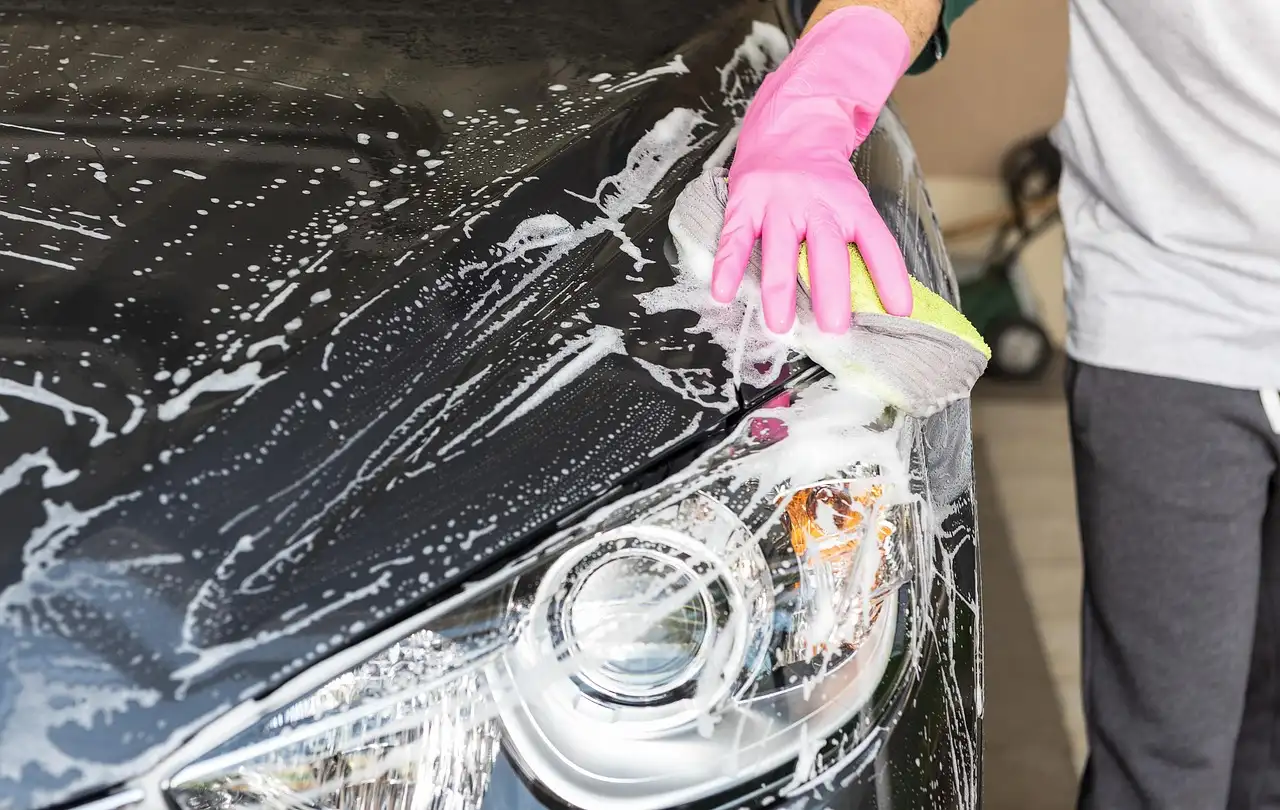
Use a foam-friendly car wash soap, not dish soap. The best choice is a paint-safe formula with surfactants made for automotive finishes and a dilution range that works with your cannon or gun. Bubble height is less important than how well the soap loosens film without stressing the paint.
Foam-friendly car wash soap
A foam-friendly car wash soap is built to cling, spread, and rinse clean. It should be safe on clear coat and leave less residue than household detergents. A product made for automotive use also tends to behave more predictably in a reservoir bottle.
Dilution ratio and reservoir fill
Use the dilution ratio the soap maker or cannon maker recommends, then adjust based on dirt level and output. The Torq Foam Blaster 6 lets users adjust the soap-to-water ratio, which is useful when you need more cleaning solution on grime-heavy areas or less on maintenance washes.
The reservoir also affects workflow. Grant’s Extreme Foaming Spray Gun has a 32-ounce soap reservoir, and its reservoir is translucent for easy visibility of remaining soap. That matters because it lets you see when the bottle is running low before the foam dies mid-panel.
Paint-safe surfactants versus dish soap
Automotive surfactants are made to loosen road film and rinse away cleanly. Dish soap is meant for kitchen grease and can strip protection more aggressively than a wash soap designed for car paint. For a foam cannon, the bottle should hold car-wash soap, not a generic cleaner.
Does foam prevent swirl marks?
Foam can cut swirl mark risk because it lowers contact during the dirtiest part of the wash, but it does not prevent swirls by itself. Swirls usually come from poor contact technique, dirty mitts, or rubbing grit across the finish. Foam helps the process; it does not replace it.
How foam reduces contact during the first rinse
The first foam step lifts loose dirt so less abrasive material stays on the panel when you begin washing by hand. That is the main benefit. The same source says foam cannons can help keep paint free from swirls and scratches, and that claim makes sense when the foam is used as a pre-wash.
Why swirls still happen during poor wash technique
If you skip rinsing, reuse dirty water, or drag a contaminated mitt across the paint, swirl marks can still happen. Foam does not fix bad technique. It only reduces the amount of grit that reaches the mitt in the first place.
Where the microfiber wash mitt and three-bucket system fit
The microfiber wash mitt is the next step after foaming and rinsing. It should glide over a surface that has already been softened by soap and water. A three-bucket system remains a solid backup or alternative: wash bucket, rinse bucket, and a separate bucket for wheels or extra dirty tools. It adds organization and lowers the chance of dragging dirt back onto the paint.
A common first-timer mistake is foaming a heavily soiled SUV and then going straight into one bucket of soapy water. The foam helped, but the mitt still picks up grit. The safer move is foam, rinse, then a controlled touch wash with clean rinse water and a separate wash bucket.
How much does a foam cannon setup cost for home use?
The cost is not only the cannon. A typical home setup can include the cannon or gun, soap, a pressure washer or hose-compatible unit, a microfiber wash mitt, and storage space. If you already own the washer, the cost stays lower; if not, the entry price rises quickly.
What gets added to the cart
Most buyers need at least the foam applicator, car wash soap, and a mitt. Pressure-washer users often also need the right connector, wand fit, or nozzle setup. Hose users avoid the washer cost, but they give up some output.
Ownership friction to think about
Storage, setup time, cleanup, and detergent use are the hidden costs. The bottle has to be filled, the cannon rinsed, and the leftover soap stored or dumped properly. Hard water can also cut foam quality, and a weak or mismatched nozzle can make the whole setup feel underpowered.
That is why the purchase pays off for regular washers more than occasional ones. The more often you wash, the less those friction points matter.
Frequently asked questions
Is a foam cannon worth it for washing your car at home?
It is worth it when you already have a pressure washer and wash often enough for the pre-wash to matter. The value comes from less contact before the mitt touches the paint. If you only wash a few times a year, the setup cost and cleanup can outweigh the benefit.
Does a foam cannon actually clean better than a bucket wash?
It can clean better during the pre-wash step because it loosens dirt before contact. A bucket wash still does the main cleaning work, though. The best result usually comes from foam first, rinse second, then a careful mitt wash with clean water and proper soap.
Can you use a foam cannon without a pressure washer?
Yes, if you buy a hose-compatible foam gun or hose-compatible foam cannon style unit. The tradeoff is lower output and usually less coverage than a pressure-washer model. For light maintenance washes, that may be enough. For heavier dirt, the pressure-washer route is stronger.
Is a foam gun the same as a foam cannon?
No. A foam gun attaches to a garden hose, while a foam cannon is generally built for a pressure washer. Both mix soap and water, but the wash feel is different. The cannon usually gives stronger spray and better coverage; the gun favors simplicity and lower setup demands.
What soap do you use in a foam cannon?
Use a foam-friendly car wash soap made for automotive paint, not dish soap or general household detergent. The best choice is a paint-safe formula with surfactants that rinse cleanly and mix well in the reservoir bottle. Adjust the dilution based on the soap instructions and dirt level.
What pressure washer do you need for a foam cannon?
Most foam cannons work best with a pressure washer that matches the cannon’s connector and output needs. Fit matters as much as pressure. A weak or poorly matched washer can produce thin foam, uneven spray, or poor coverage, while a compatible setup gives a more useful pre-wash.