Microfiber Towels for Cars: How to Choose and Use Them
Choose microfiber towels by job: use 300–500 GSM plush towels for paint and wax removal, waffle-weave or twist-loop towels for glass and drying, tight low-pile towels for coatings and interior screens, and separate utility towels for wheels and dirty trim. The wrong towel can scratch soft paint, leave lint or streaks, drag on coatings, and cost more because you replace it sooner. This guide maps each detailing task to the right towel, pile, weave, size, color-coding, care routine, and low-risk technique.
What you’ll need
- Dedicated drying towel in a larger size such as 25×36 inches or 30×30 inches
- Plush paint and buffing towels in the 300–500 GSM range
- Higher-GSM plush finishing towels if your paint is soft or you do final wipe-downs often
- Short-pile towels for glass, cleaner residue, coatings, screens, and interiors
- Waffle-weave glass towels, commonly around 400 GSM
- Utility microfiber towels for jambs, exhaust tips, wheels, and dirty trim
- Microfiber detergent, or a free-rinsing liquid detergent with no softeners
- Separate wash bin or bag for microfiber only
- Labeled storage bins or color-coding by surface and risk level
- Tag remover if a towel arrives with a hard sewn tag
Choose by job first
Brand, color, and headline GSM are not enough. A towel that works on a wet hood can be the wrong tool for a side window, a ceramic-coated door, or a dusty dashboard screen.
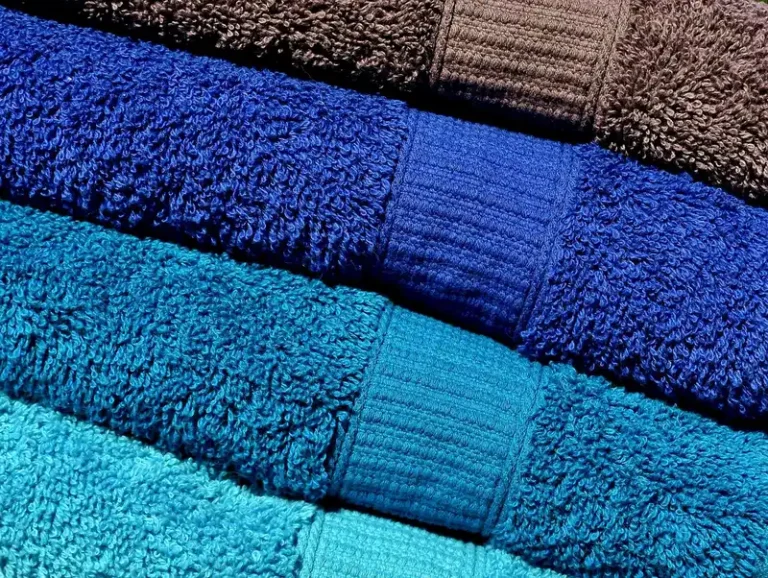
Microfiber towels are woven from polyester and polyamide filaments that are split into very fine strands, often below one denier, so the fabric presents far more contact points than a conventional cloth. That split-fiber structure traps debris, spreads pressure, and holds liquid efficiently. A square inch of microfiber fabric can contain roughly 200,000 individual fibers, and microfiber can absorb about seven times its weight in liquid.
Those numbers matter only if the towel fits the task. GSM, or grams per square meter, tells you fabric weight and density. Higher GSM usually points to a thicker towel with higher liquid capacity, but it also brings more bulk, more drag on some surfaces, and slower drying after washing. Lower or mid-range GSM often gives better control on glass, screens, cleaner wipe-off, and interior work.
The five towel variables that change results are GSM, weave, pile height, edge style, and size. Surface risk changes the answer. Soft paint needs gentler contact than textured trim. Glass wants flatter contact than a waxed hood. Coatings and screens usually prefer low pile and very low residue transfer. Wheels and jambs need total separation from paint towels because embedded grit turns a soft towel into a scratch source.
Blend matters too. Polyester gives the towel structure and abrasion resistance. Polyamide increases water uptake and usually gives a softer hand. Common blends include 80/20 and 70/30; 70/30 is the usual pick for paint because the extra polyamide tends to improve absorbency and softness, while 80/20 is fully suitable for many glass, interior, and utility jobs.
Towel job decision matrix
| Job | Recommended towel setup | Most common mistake |
|---|---|---|
| Primary paint drying after a wash | 500+ GSM dedicated drying towel; plush or drying-specific weave; high pile; edgeless or very soft bound edge; 25×36 or 30×30 inches; 70/30 or quality 80/20; risk level: high on soft paint | Using a small general-purpose towel until it saturates, then dragging trapped water and adding friction |
| Detail drying around mirrors, grilles, and tight spots | 500+ GSM smaller drying towel; compact plush or drying weave; medium-high pile; soft edge; 20×24 inches; 70/30 or 80/20; risk level: medium | Trying to force a large towel into tight areas, which causes edge contact and missed water pockets |
| Wax, sealant, and polish removal | 300–500 GSM plush or dual-pile towel; medium pile; edgeless or soft suede edge; 16×16 inches; 70/30 preferred on delicate paint; risk level: high | Using a low-pile towel that smears residue and makes you press harder than needed |
| Final wipe-down on paint | 500–600 GSM plush towel; deep but not floppy pile; edgeless edge if construction is clean; 16×16 inches; 70/30 preferred; risk level: very high | Using a worn towel with matted fibers that feels grabby and leaves lint on dark paint |
| Glass cleaning and drying | 200-300 GSM short-pile towel or about 400 GSM waffle weave; low pile; tight edge or laser-cut edgeless if quality is consistent; 16×16 inches; 80/20 or 70/30; risk level: medium | Using a thick plush towel that holds too much moisture and leaves streaks |
| Coating leveling, paint prep, and interior screens | Tight short-pile towel, generally low to mid GSM; flat weave; low pile; clean edgeless or soft hidden edge; small 12×12 or 16×16 inches; 80/20 or 70/30; risk level: very high | Using a plush towel that grabs, over-absorbs product, and leaves an uneven wipe pattern |
| Interior plastics, trim, jambs, wheels, and dirty work | 220 GSM to 300–500 GSM utility towels depending on soil; short or general pile; standard bound edge acceptable away from paint; 16×16 inches; 80/20 acceptable; risk level: low for the surface, high for cross-contamination | Letting dirty-job towels migrate back into paint use after washing |
How do you choose the right microfiber towel?
Start with the job and surface, then match GSM, weave, pile height, edge style, and size to that task. Drying needs absorbency and low drag, glass needs flatter contact and lower lint, and paint buffing needs soft edges plus enough pile to lift residue away from the surface.
Step-by-step selection system
- Identify the surface and job first.
- Match GSM to the behavior you need.
- Pick weave and pile height for the residue or liquid involved.
- Check edge style before color or branding.
- Choose size for control, not maximum area.
- Assign a risk level and keep the towel in that lane.
Use the GSM bands as a starting map, not a scorecard. The 200-300 GSM range fits glass cleaning well, 300–500 GSM fits general paint and buffing work, and 500+ GSM fits drying. Work Stuff lists 600 GSM as best for paint, wax, and polish when the goal is soft contact and residue pickup, but that does not make 600 GSM the right answer for glass or coatings.
Weave decides how the towel meets the surface. Plush towels cushion contact and hold product residue away from paint. Short-pile towels stay flatter, shed less lint when they are well made, and give better control on glass, interior plastics, and residue removal. Waffle weave creates pockets that hold moisture and residue, which is why it works well on windows.
Edge style is a real safety factor. Edgeless construction lowers stitched-edge scratch risk on delicate paint and during polish wipe-off, but poor edgeless construction can still be unsafe if the cut edge is stiff, uneven, or shedding. A well-finished soft bound edge can be safer than a badly made edgeless towel.
Size matters because bulk changes pressure control. Large drying towels work because they pick up a lot of water quickly. For most other jobs, 16×16 inches is easier to fold, rotate, and keep clean. On tight details, smaller drying towels around 20×24 inches are easier to control than a large blanket-style towel.
Match the microfiber weave to the task
The right weave makes a noticeable difference: some towels are built to pull water fast, while others are designed to lift residue cleanly or leave glass streak-free. If you’re unsure which towel belongs in which step, this guide explains the tradeoffs in plain terms so you can avoid smearing wax, trapping lint on windows, or using a drying towel where a buffing towel works better. microfiber towel weave guide breaks down drying, buffing, and glass towel choices by weave type, plus the details that matter most when shopping, like pile height, GSM, and edge style.
What microfiber towel should you use for each car-care job?
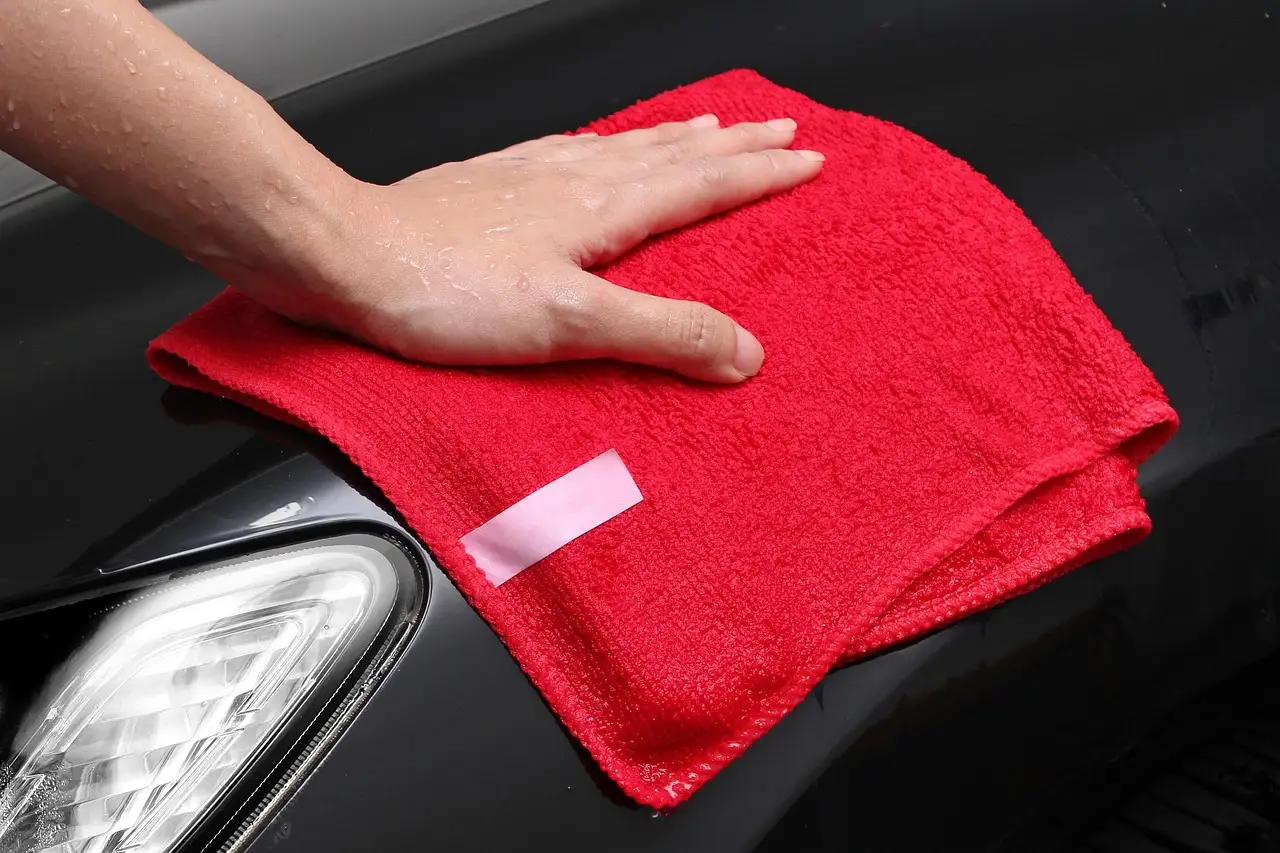
Use a dedicated drying towel for wet paint, a plush 300–500 GSM towel for wax and polish removal, a short-pile or waffle-weave towel for glass, tight low-pile towels for coatings and screens, and totally separate utility towels for jambs, trim, and wheels. One towel type should not cover the whole car.
Paint drying
A drying towel should pick up water without forcing long rubbing passes. Larger drying towels around 25×36 inches or 30×30 inches are common because capacity matters here. Use drag drying or blotting, especially on soft paint: lay the towel down, pull gently in straight lines, or blot standing water instead of scrubbing.
The failure mode is saturation. Once the towel stops picking up cleanly, it starts smearing water, skipping across protection, or dragging. That extra friction is avoidable. Swap to a second drying towel rather than pushing through with a soaked one.
Wax, sealant, and polish removal
Residue removal needs cushion and bite at the same time. A medium-to-high GSM plush towel, often 300–500 GSM, works for most wax and sealant removal. On very soft paint or final polish wipe-off, a 500–600 GSM plush towel can reduce pressure points if it is still easy to control.
The main failure mode is smearing from residue mismatch. A short-pile towel can work for some cleaner-style products, but a dry, low-pile towel on oily residue often spreads product rather than lifting it. If the towel starts loading up, switch faces, then switch towels.
Glass cleaning
Glass wants a flatter towel. Both approaches work because they cut bulk and produce a more even wipe than a plush towel.
The failure modes are streaking and linting. Too much pile leaves uneven moisture behind. Too much moisture in the towel leaves a hazy film. Use one towel to clean and a second dry towel to finish if the first pass leaves any trace.
If a 16×16 plush buffing towel is the only clean towel left for a windshield, it may feel soft, but the extra pile stores more cleaner and leaves a wetter film. Swap to a short-pile or waffle towel and the same cleaner usually levels out with fewer passes.
Coatings, paint prep, and interior screens
These jobs need low pile and precise contact. A tight short-pile towel wipes leveling marks more evenly and does not drink excessive product. On interior screens, lower pile also reduces lint and makes it easier to control pressure on a flat, delicate surface.
The failure mode is drag from too much pile or too much product load. A thick plush towel can grab on coated paint or glossy screens, especially once the fibers start to mat. Fresh low-pile towels are the safer choice here.
Interiors, trim, jambs, and wheels
Utility towels do not need the same softness standard as final-buff paint towels, but they still need to be clean within their category. The same source lists 220 GSM for interior, glass, and volume use; that lighter format is useful for high-turnover jobs, door jambs, and dirty trim where control matters more than plushness.
The failure mode is cross-contamination. A wheel towel can look clean after washing and still carry embedded particles. Once a towel works on brake dust, lower it permanently to dirty duty.
Say your wheel towel gets washed with glass towels and comes out looking fine. The risk has not disappeared. Embedded grit may still be present, and the next pass across a black door can create fine, avoidable marring.
Glass Towels for Clear Windows and Mirrors
If your glass towels leave streaks, lint, or haze, the problem is usually the towel type, not just the cleaner. The guide on microfiber towels for glass breaks down which weave and pile work best for exterior windows versus interior glass and mirrors, so you can match the towel to the task instead of guessing.
That matters because the right towel makes the final wipe faster and the results more consistent in bright sun, where smears show up immediately. The article also explains the key specs to look for, what to avoid, and how to pair a low-pile glass towel with a separate drying towel for cleaner, clearer results.
How do you use microfiber towels without scratching paint?
Fold each towel into quarters, use light pressure, switch to clean sides early, and stop as soon as the towel drags, smears, or loads up. Paint safety depends less on brand claims than on clean fibers, soft edges, matched towel type, and strict separation from dirty jobs.
Safe-use steps
- Inspect the towel before use.
- Remove any hard tag and check the edge for stiff stitching.
- Fold the towel into quarters to create eight usable faces.
- Prime the towel when the job benefits from it.
- Wipe in straight, overlapping passes with light pressure.
- Flip to a fresh face as soon as residue builds.
- Replace the towel the moment it drags or saturates.
- Quarantine any towel dropped on the floor.
Inspecting matters because visible defects are not the only problem. A towel can be unsafe if the fibers are matted, if it feels grabby on paint or glass, if the edge is stiff, or if it has picked up embedded debris that washing no longer removes.
Prime the towel only when it changes the outcome. A slightly damp glass towel often starts more evenly than a bone-dry one. A towel matched to a spray detailer or final wipe product often glides better on paint. Do not soak it. If the face is visibly wet, control drops fast.
The main failure modes are predictable. Drag usually comes from too much pile for the job or a saturated towel. Linting points to poor construction or worn fibers. Smearing usually means too much residue, the wrong towel for the chemistry, or a towel that is already loaded. Streaking on glass usually comes from the wrong weave, too much moisture, or a damp finishing pass.
How many microfiber towels do you need at home?
For one vehicle, a sensible starter kit is about two drying towels, six to eight paint and buffing towels, two to four glass towels, four interior towels, and four to six dirty-job towels. Add more if your vehicle is large, your paint is soft, or you combine wash, decon, and protection in one session.
Starter kit by use case
Two drying towels prevent the most common failure: pushing one towel past saturation. Six to eight paint-safe buffing towels cover wax removal, final wipe-down, spot cleaning, and a backup if one starts smearing. Two to four glass towels let you dedicate one for cleaner application and one for final drying, with spares for interior glass.
Four interior towels keep screens, piano-black trim, dashboard plastics, and leather cleaner separate enough to avoid product transfer. Four to six dirty-job towels cover jambs, exhaust, wheel faces, engine-bay plastics, and other grime-prone areas without any temptation to reuse them on paint.
When to add more
Add towels in practical increments. If one car routinely uses every clean buffing towel you own, add two more paint-safe buffing towels and recheck after the next full detail. If your drying towel is soaked before the last panel, add one more dedicated drying towel rather than increasing pressure.
Soft black paint, ceramic coatings, and large SUVs usually need duplicates sooner. Coatings can also justify a dedicated stack of low-pile towels that never touch waxes, dressings, or interior cleaners.
Simple storage system
Use separate bins: paint, glass, interior, and dirty work. Color-coding helps only if it stays consistent. A gray towel used once on wheels is now a wheel towel, even if every other gray towel is paint-safe.
How do you wash, store, and retire microfiber towels?
Wash microfiber separately, skip fabric softeners and dryer sheets, use dedicated microfiber detergent if possible, and dry on low heat or air-dry. Retire towels when they lose absorbency, lint repeatedly, feel stiff after proper washing, keep smearing, or hold debris that cannot be removed safely.
Washing routine
- Sort towels by job and soil level before washing.
- Shake out loose debris and pre-treat heavy residue if needed.
- Wash microfiber without cotton items.
- Use microfiber detergent or a free-rinsing liquid detergent.
- Skip fabric softener and dryer sheets completely.
- Run an extra rinse if towels still feel loaded.
Microfiber loses performance when residues stay in the fibers. Fabric softener coats the split fibers and cuts absorbency. Heavy product load can also make towels smear even when they look clean, especially on glass and final-buff paint.
Drying and storage routine
- Dry on low heat or air-dry.
- Remove towels as soon as they are dry.
- Store them in closed bins by job category.
- Keep paint and glass towels away from dirty-job bins.
Overheating can harden or deform the fibers enough to hurt absorbency and feel. Storage is part of towel safety. An open shelf in a dusty garage is fine for wheel towels, but not ideal for final-buff paint towels.
Inspection and retirement rules
Inspect after every wash. Look for loose stitching, hard edges, matted or shiny fiber patches, linting, reduced absorbency, and grabby feel. If a towel leaves the same smear with fresh product and on a clean panel, the towel may be loaded or damaged.
Retire in stages. A paint towel that starts linting can move to glass if it still wipes cleanly there. If it smears on glass or feels stiff after proper washing, move it to interior duty. If it picks up embedded debris or the edge becomes rough, retire it to wheels or discard it.
Prevention: label bins and wash paint-safe towels after every use cycle, even if they only look lightly used. Most towel damage comes from contamination and heat, not from age alone.
Common mistakes
Most microfiber problems start with selection and then get worse in the wash. The pattern is easy to spot: too much towel for the surface, too little towel for the liquid load, or poor job separation.
What goes wrong and how to avoid it
- Using one towel type for every task: keep separate drying, paint, glass, coating, interior, and dirty-work towels.
- Choosing by GSM alone: check weave, pile height, edge style, and size before buying extras.
- Assuming edgeless always means paint-safe: inspect the cut edge and overall finish quality every time.
- Letting towels saturate: swap towels early; a saturated towel starts to drag and smear.
- Ignoring lint during use: persistent lint usually means poor construction or a towel ready for downgrade.
- Washing with cotton: lint transfer turns glass towels into frustration fast.
- Using plush towels on glass and screens: move to short-pile or waffle weave for flatter contact.
- Returning wheel towels to general use: once a towel is assigned to dirty work, keep it there permanently.
Frequently asked questions
What microfiber towel should I use for car paint?
Choose edgeless or very soft bound edges, inspect for contamination, and keep paint towels separate from glass and dirty-work towels.
What GSM microfiber towel is best for drying a car?
For drying, start in the 500+ GSM range with a dedicated drying towel rather than a general-purpose towel. Larger formats such as 25×36 inches or 30×30 inches carry enough capacity for full-panel drying, while 20×24 inches work better around mirrors, grilles, and tighter body lines.
What is the best microfiber towel weave for glass?
Glass usually responds best to short-pile microfiber or waffle weave. Waffle weave works because its cells trap moisture and residue, and around 400 GSM is a common target for window work. Thick plush towels tend to hold too much moisture and raise the chance of streaks.
How do I know if a microfiber towel is safe for car paint?
Check the edge first, then the fiber condition. Safe paint towels should have no hard tags, no rough stitching, no embedded grit, and no matted or shiny fiber patches. If the towel feels grabby on clean paint, lints, or keeps smearing after washing, downgrade it.
What is the difference between plush, waffle, and short-pile microfiber towels?
Plush towels cushion contact and suit drying, buffing, and final wipe-downs. Waffle towels use a cell pattern that manages moisture well, so they suit glass and some drying jobs. Short-pile towels stay flatter, lint less when well made, and give better control for glass, coatings, interiors, and residue removal.
What microfiber blend is best for car detailing?
There is no single best blend for every task. A 70/30 polyester/polyamide blend is a strong choice when softness and absorbency matter most, especially on paint. An 80/20 blend is still fully suitable for many glass, interior, and utility jobs where durability, control, and cost also matter.