Boar’s Hair vs Synthetic Detailing Brushes for Cars
Use boar’s hair for low-risk, lightly soiled surfaces and synthetic detailing brushes for cars for higher-risk, grit-prone areas. Decide by contamination risk, not by a soft-versus-durable label. Pick the wrong tool, and you can push grit into paint, scratch trim, or leave residue in seams. This guide compares both brush types by surface, soil load, and safe use cases.
| Decision factor | Boar’s hair | synthetic detailing brushes for cars | Winner |
|---|---|---|---|
| Best surface risk profile | Safer on low-risk, lightly soiled trim, vents, emblems, leather, and textured plastics when kept clean | Safer on higher-risk grime, wheel dust, and mixed-duty tasks when stiffness matches the job | synthetic detailing brushes for cars |
| Cleaning and drying | Can absorb product and trap residue; needs careful rinsing and full drying | Rinses faster and dries quickly; easier to reset between tasks | synthetic detailing brushes for cars |
| Delicate glossy surfaces | Works only with very light contact and a clean brush | Ultra-soft versions are the safer pick for screens and piano black trim | synthetic detailing brushes for cars |
| Heavy grime and wheel work | Less ideal when contamination is high | Stiffer nylon or polyester versions are better for brake dust and wheel barrels | synthetic detailing brushes for cars |
| Precise, light agitation | Often better feel on emblems, badge edges, and textured trim | Depends on stiffness; ultra-soft models are excellent, firmer ones are less suited to delicate work | Boar’s hair |
Choosing between boar’s hair and synthetic bristles
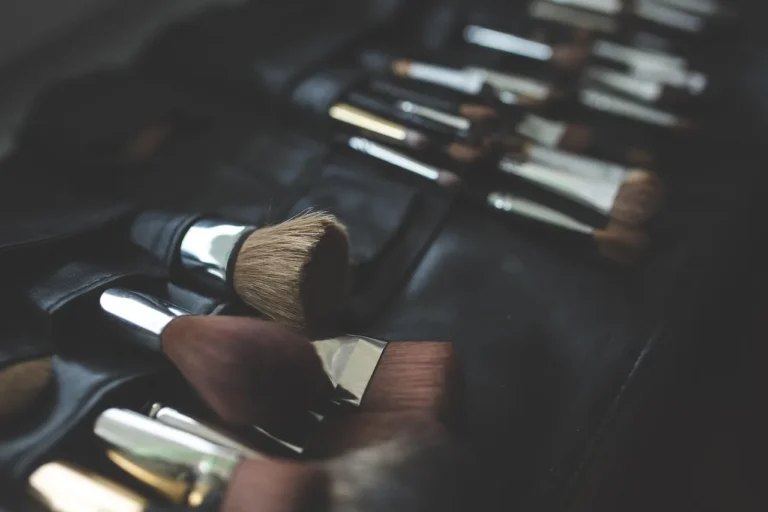
Boar’s hair brushes use natural bristles and are often described as having a soft, fine texture with tightly packed fibers. Synthetic detailing brushes use nylon, polyester, or other plastic fibers, and manufacturers can make them very soft or fairly firm. That difference matters less than the surface you are cleaning.
Both brush types belong in a detailing kit. One brush family is not enough. The better choice changes with the amount of grit, the fragility of the surface, and whether the brush will later touch paint, screens, or dirty wheel parts.
Boar’s hair fits low-risk areas where you want gentle agitation and good control. Synthetic detailing brushes for cars are often preferred when rinse-out speed, stiffness control, or contamination management matters more than a natural bristle feel.
What each bristle type is made
Boar’s hair uses natural bristles. Synthetic detailing brushes for cars use nylon or polyester fibers, so the bristle pack can be tuned from ultra-soft to firm. That range is why synthetic brushes can cover screens, vents, wheel barrels, and heavy grime without changing tool types.
Boar’s hair is often described as safe for clear coats and sensitive finishes, but that safety still depends on a clean brush and light pressure. A dirty natural brush can hold residue between the bristles and drag it across the next surface.
Where each one fits in a detailing kit
Boar’s hair is commonly used on leather and vinyl seats, air vents, emblems, badges, dashboard trim, grilles, and textured trim. Synthetic brushes work well on painted surfaces, glass, and plastic parts, and ultra-soft synthetic sets are often chosen for screens, vents, and gloss trim.
Keep a paint-safe brush, a wheel brush, and a dirty-duty engine bay brush separate. That separation matters more than the label on the handle.
Why surface risk beats general softness claims
“Soft” is too vague for car detailing. A brush can feel soft in the hand and still be wrong for a piano black panel if it carries grit, or wrong for a wheel barrel if the bristles are too delicate to clear brake dust.
Use the surface first, then the soil load, then the brush stiffness. That order keeps you from treating glossy interior trim, matte plastic, and wheel grime as if they all need the same tool.
Which brush is safer on each surface?
Safer depends on the surface finish, the type of dirt, and how much pressure you plan to use. For textured plastics and low-risk interior panels, either brush can work if it is clean. For piano black trim and screens, ultra-soft synthetic gets the edge because grit is easy to see and pressure should stay very light.
Interior plastics and textured panels
Boar’s hair often fits textured panels, vents, and badge edges because the bristles can move into small gaps without heavy force. Synthetic detailing brushes for cars also work well here, especially when you want quicker rinse-out between door panels, switchgear, and seat trim.
Say your center console has textured plastic next to a glossy bezel. Use the softer option on the glossy side and keep pressure light on both surfaces so you do not press residue into the seam.
Piano black trim and infotainment screens
Piano black trim is high-risk because scratches show easily. Infotainment screens are even more sensitive, so they need an ultra-soft brush only, with no stiff bristles and no abrasive debris. In this zone, an ultra-soft synthetic brush is the safer default.
Boar’s hair can be used here only with very light contact and a perfectly clean brush, but it is not the easiest choice when you want the lowest contamination risk. A gritty brush or heavy pressure is the real problem, not the label alone.
Painted exterior areas near badges and trim
For painted edges around emblems, grilles, and trim, boar’s hair works well when the surface is only lightly dusty or when you are lifting product from a crevice. Synthetic detailing brushes for cars also fit this area, especially ultra-soft versions for delicate painted edges and gloss trim.
The danger is not the badge itself. It is the grit sitting beside it. If the brush has trapped debris, any bristle type can mark paint.
Wheels, barrels, and lug recesses
Wheels usually call for a stiffer synthetic or nylon wheel brush that can help with brake dust and reach barrels and lug recesses. A stiff wheel brush should not touch painted body panels or clear-coated wheel faces, because that is where cross-contamination and unnecessary marring start.
Boar’s hair is not the first choice for this job unless the area is only lightly dirty and you are working in a narrow trim gap. For heavy wheel grime, synthetic wins.
Engine bays, hoses, and plastic covers
Engine bay cleaning needs a separate dirty-duty brush. Use a brush that stays away from paint, wiring, and soft hose surfaces, and pair it with an APC or degreaser so the cleaner loosens grime before the bristles do the work.
That separate-brush rule matters because engine residue moves easily. A brush that has seen a wheel or engine bay should not later touch interior trim or screen bezels.
Boar’s hair vs synthetic detailing brushes for cars matrix
This matrix is the practical part. It maps common surfaces to the safer brush type, the allowed pressure, the contamination risk, and the main no-go uses. If the surface is glossy, delicate, or prone to visible marring, move toward ultra-soft synthetic and the lightest contact possible.
| Surface | Recommended bristle type | Allowable pressure | Contamination risk | No-go uses |
|---|---|---|---|---|
| Interior textured plastics | Boar’s hair or ultra-soft synthetic | Light to moderate | Low if the brush is clean | Do not use a wheel-only brush here |
| Piano black trim | Ultra-soft synthetic only | Very light | High if grit is present | No stiff bristles, no heavy pressure |
| Infotainment screen | Ultra-soft synthetic only | Very light | High if abrasive debris is present | No boar hair if the brush is dirty, no firm bristles |
| Emblems and badge crevices | Boar’s hair or ultra-soft synthetic | Light | Medium if residue is trapped in the bristles | No hard scrub on painted edges |
| Wheels and lug recesses | Stiffer synthetic or nylon | Moderate | High because of brake dust | No use on paint or trim |
| Engine bay plastic covers | Dirty-duty synthetic or similar separate brush | Light to moderate | High | No use on interior, screens, or soft-touch trim |
When should you use synthetic instead of boar hair?
Use synthetic detailing brushes for cars when the task is dirty, gritty, or likely to contaminate another surface later. Synthetic fibers rinse faster and dry quickly, so they are easier to reset between wheel dust, engine bay residue, and glossy interior work. They also let you choose ultra-soft, soft, medium, or firm stiffness.
Fast-rinsing brushes for wheel dust and heavy grime
Wheel dust is a contamination problem first and a scrubbing problem second. Synthetic nylon or polyester bristles are better when you need to rinse out dirt fast and keep one brush from becoming a grit carrier.
A common first-timer mistake is using one soft brush on a dirty wheel face and then moving to the lower door trim. That moves brake dust straight into a cleaner zone.
Ultra-soft synthetic for screens and glossy trim
Ultra-soft synthetic brushes are the safer match for screens, piano black trim, and other glossy interior surfaces. The advantage is not only softness; it is the ability to clean with very low pressure while keeping the bristle tips consistent and easy to rinse.
Detail Factory-style ultra-soft, metal-free designs fit this use well because the goal is contact control, not aggressive agitation.
Medium and firm synthetic for tougher exterior work
When the dirt load rises, synthetic becomes the more practical tool. Medium and firm versions are better for grilles, wheel barrels, and caked residue where the brush must clear debris instead of simply moving lotion-like dust around.
Use the stiffer option only where the surface can handle it. That means away from painted body panels, clear-coated wheel faces, and delicate trim.
When does boar hair make more sense?
Boar’s hair makes sense when the surface is low-risk, the grime is light, and you want a brush that can work into small details without the feel of a firmer plastic fiber. It is often a good choice for emblems, vents, leather, and textured trim, especially when the brush is kept clean and dry.
Soft work on emblems, vents, and textured trim
Air vents and badge crevices are small-gap jobs. A soft boar’s hair brush can get into those gaps without pushing too much force into the edges, which is why it still belongs in many interior kits.
For badges and emblems, a small head helps more than raw stiffness. The goal is controlled agitation, not force.
Product pickup on leather, grilles, and tight gaps
Boar’s hair can absorb product and hold it near the tip, which helps with light cleaner application on leather and vinyl seats, grille texture, and other tight gaps. That same absorbency also means the brush needs careful rinsing so it does not carry residue into the next panel.
Use it where a little product retention helps, not where repeated rinsing and rapid turnover are the priority.
Where natural bristle feel helps control light agitation
Some surfaces respond better to a brush that feels less springy and more controlled. On lightly soiled textured trim, boar’s hair can give enough bite to move dust without switching to a firmer synthetic tip.
That advantage disappears once the brush picks up grit. At that point, the brush is no longer “gentle” in practice.
How do you avoid scratches and swirl marks?
Start by loosening grime with APC or the right cleaner, then use less pressure. Separate clean-zone brushes from dirty-zone brushes, and remove any tool that has splayed bristles or trapped grit. Swirl marks usually come from contamination and force, not from the word “boar” or “synthetic” on the handle.
Pre-loosen grime with APC or the right cleaner
APC, used at light dilution on interiors, reduces the pressure needed from the brush. That matters on vents, textured plastic, and badge edges because you are letting chemistry do part of the work before the bristles move across the surface.
For engine bays, pair the brush with APC or degreaser, but keep the brush separate from interior and exterior paint-safe work.
Keep separate brushes for clean and dirty zones
One brush for paint-safe work, one for wheels, and one for engine bay use is the safer system. It limits cross-contamination and makes it easier to know which tool has touched brake dust, degreaser, or road film.
Boar’s hair and synthetic detailing brushes for cars both fail when they are mixed across jobs without cleaning.
Stop using any brush with splayed bristles or trapped grit
Splayed bristles no longer contact the surface evenly, so they can drag debris instead of lifting it. Trapped grit is even worse because it turns the brush into an abrasive pad.
Ferrule rust is another reason to retire a brush. Once the metal part degrades, you are dealing with a tool that can shed contamination and become harder to clean fully.
Use only light pressure on glossy and delicate surfaces
On piano black trim and screens, the safest move is very light contact and a clean ultra-soft brush. Heavy pressure adds risk even when the bristles themselves are soft.
Suppose a screen has a dusty fingerprint on the edge and a speck of sand near the bezel. A light pass with an ultra-soft synthetic brush is the correct response; a firmer brush can move the sand across the gloss.
Choose Boar’s hair if… / Choose synthetic detailing brushes for cars if…
Choose Boar’s hair if you are cleaning lightly soiled emblems, vents, textured trim, or leather and want gentle agitation with good product pickup. Choose synthetic detailing brushes for cars if the job is gritty, if you need faster rinsing and drying, or if the surface is a screen, piano black trim, wheel barrel, or engine bay part.
Choose Boar’s hair if…
- You are working on low-risk trim with light dust or residue.
- You want a small, controlled brush for vents, badges, or textured interior panels.
- You need light product pickup on leather, vinyl, or grille texture.
- You can clean and dry the brush fully after use.
Choose synthetic detailing brushes for cars if…
- You need an ultra-soft brush for piano black trim or an infotainment screen.
- You are cleaning wheels, barrels, lug recesses, or engine bay parts.
- You want faster rinsing and easier drying between dirty tasks.
- You need firmer or medium bristles for heavier grime without reaching for a separate tool family.
Frequently asked questions
Are boar hair detailing brushes better than synthetic brushes for cars?
Neither type is better for every job. Boar’s hair is a strong fit for lightly soiled vents, emblems, textured trim, and some leather or vinyl work. Synthetic detailing brushes for cars are better when you need faster rinse-out, more stiffness choices, or an ultra-soft option for screens and glossy trim.
Which brush is safer on piano black trim, boar hair or synthetic?
Synthetic is safer, specifically an ultra-soft version used with very light pressure. Piano black trim shows scratches easily, so the main risk is grit and force. A clean boar’s hair brush can work, but it is not the first pick when the surface is highly reflective and delicate.
When should I use a synthetic detailing brush instead of boar hair?
Use synthetic when the area is dirty, gritty, or likely to contaminate another surface later. Wheel dust, engine bay residue, and glossy interior trim all favor synthetic because it rinses out quickly and comes in stiffness levels that match the task. That control is hard to beat.
Do boar hair brushes scratch car paint or interior plastics?
They can if the brush holds grit, the bristles are worn, or the pressure is too high. The material alone is not the whole story. A clean boar’s hair brush used lightly on low-risk surfaces is different from a dirty one dragged across paint edges or glossy plastic.
What brush is best for vents, emblems, and tight crevices?
A small-head, soft-bristle brush is best. Boar’s hair works well for light agitation, and ultra-soft synthetic is a strong choice when you want easier rinsing or more control on glossy pieces. The key is keeping the brush soft enough to avoid marring while still fitting the gap.
Are synthetic detailing brushes easier to clean and dry?
Yes. Synthetic detailing brushes for cars typically rinse faster and dry more quickly than boar’s hair. That makes them better for dirty jobs and for users who need to move between wheel work, engine bay cleaning, and interior details without carrying residue from one surface to the next.