Is Brake Dust Bad for You or Your Car?
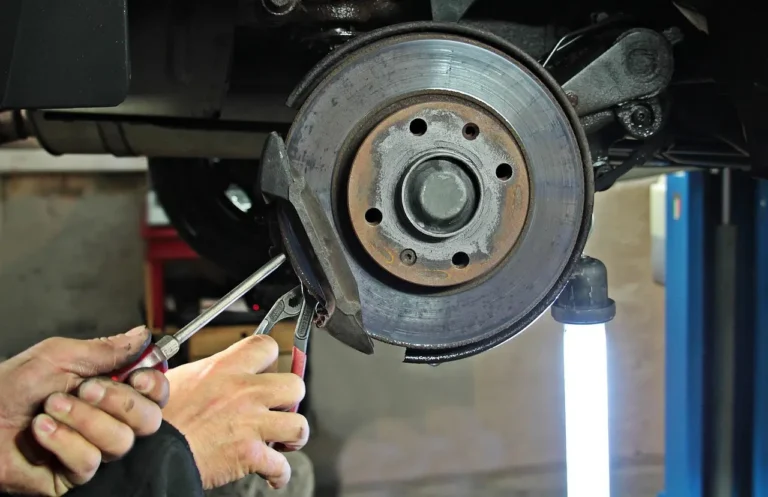
Brake dust is usually more of a cleanup and minor health nuisance than a car threat, but one wheel that dusts much faster than the others can point to a sticking caliper, pad issue, or rotor problem. Left alone, that pattern can waste pads, overheat a brake, and shorten rotor life. This guide explains health risks, wheel damage, and the signs that mean you should inspect the brakes.
What brake dust actually
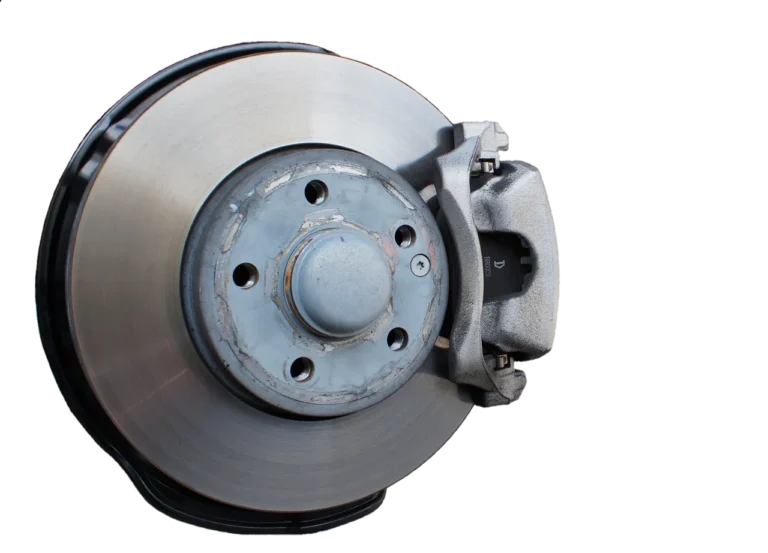
Brake dust is a fine dark residue made from pad material and rotor metal. It is a normal byproduct of friction braking. Most of it ends up on the front wheels because the front brakes do most of the stopping work.
Pad and rotor wear make the powder
Every stop sheds tiny particles. The pad wears, the rotor wears, and the heat from braking helps those particles spread onto the wheel surface. Brake dust can also be darker or lighter depending on pad material and use.
Semi-metallic pads usually make more visible dust, and the dust often looks darker. Ceramic pads usually make less visible dust, though they do not make dust disappear. Low-dust formulas exist, and they can help if wheel cleanup is a constant chore.
Why front wheels collect more of it
Front brakes carry more of the stopping load, so front wheels often get dirtier first. That is normal. Uneven dust between left and right wheels is different. One wheel that seems to build dust much faster than the others can suggest a dragging caliper, a stuck slide pin, or uneven braking.
Why color and texture can vary
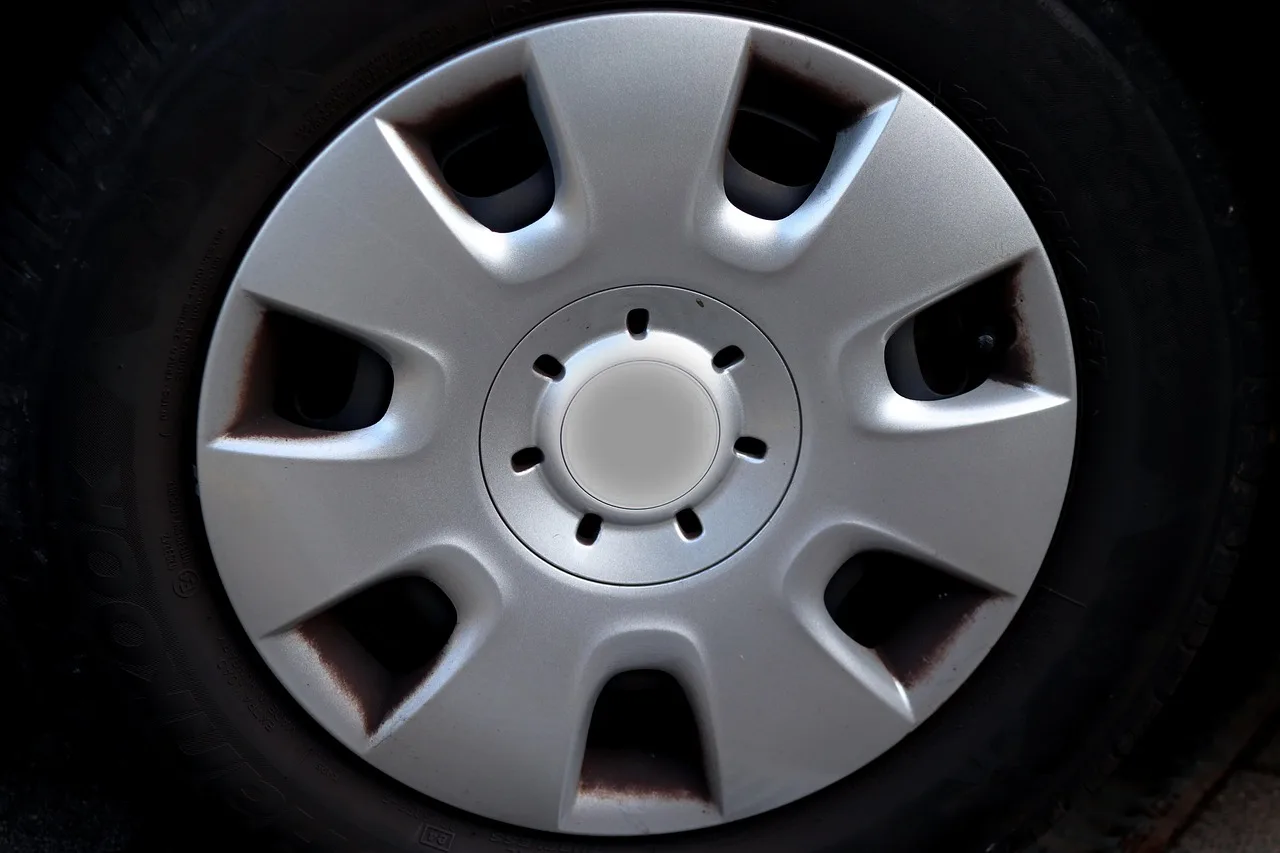
Brake dust is not always black. Brown or red dust can appear when iron particles from the rotor mix with moisture and air. Hot wheels can also make dust bond faster, so the residue may look baked on instead of dry and loose.
Is brake dust harmful to you?
Brake dust is usually more of an irritation and cleanup issue than a major health threat, but it should not be handled carelessly. The main concern is breathing or spreading fine debris while cleaning. Avoid dry wiping, and keep dust from becoming airborne around your face.
Health risk versus annoyance
For most drivers, brake dust is a nuisance first and a health concern second. It can dirty hands, linger on clothing, and irritate sensitive skin or airways if you stir it up. That is why cleanup method matters more than panic.
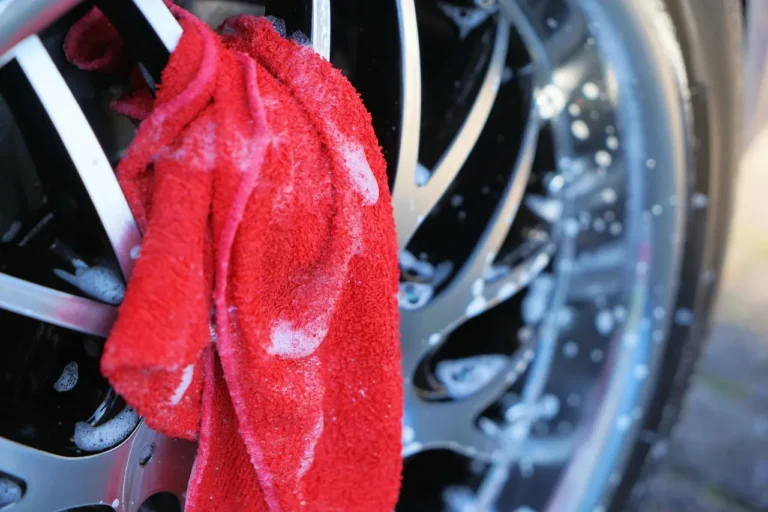
Do not use compressed air or aggressive dry brushing on dusty wheels. Wet cleanup keeps particles from floating around. A wheel cleaner that is safe for alloy and clear coat, plus gentle rinsing, is the safer route.
When dust handling matters more
Cleaning matters more if the dust is thick, dry, or stuck to a hot wheel. Hot wheels can make residue cling harder, and the longer dust stays on the finish, the harder it becomes to remove. That does not mean the dust is toxic in the dramatic sense; it means the cleanup should be careful.
Simple cleanup habits that reduce exposure
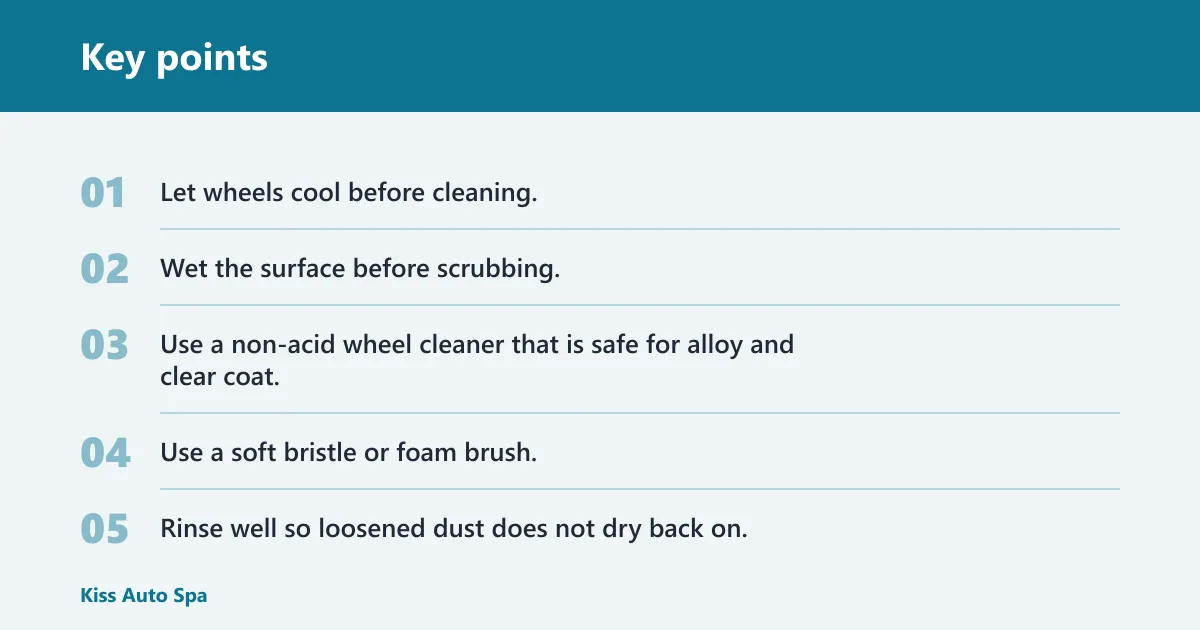
- Let wheels cool before cleaning.
- Wet the surface before scrubbing.
- Use a non-acid wheel cleaner that is safe for alloy and clear coat.
- Use a soft bristle or foam brush.
- Rinse well so loosened dust does not dry back on.
Say your front wheels are coated with a dark film after a commute and the rims are still warm. Waiting until the wheels cool before washing reduces the chance that the dust bakes on harder. That small timing change can matter more than scrubbing harder.
Does brake dust hurt your car?
Brake dust is usually cosmetic, not a failure sign by itself. The bigger car risk appears when the dust pattern changes suddenly, turns one-sided, or comes with heat, noise, pull, or uneven pad wear. In those cases, the dust is a clue, not the problem alone.
Normal residue versus damage
Normal dust does not mean your brakes are failing. It means the system is doing work and shedding material as it should. Heavy buildup left in place for long periods can make wheels harder to clean and can hold moisture against the finish, which is where damage risk grows.
How heat makes dust bond to wheels
Brake dust can bake onto hot wheels. Once that happens, residue is harder to remove and more likely to need a dedicated wheel cleaner. Heat also matters because repeated hot-cold cycles can lock grime onto delicate finishes faster than cool dust would.
Why wheel finish matters
Clear-coated alloy is vulnerable to scratching. Chrome can pit. Unknown, polished, matte, anodized, or damaged clear coat wheels need milder cleaners and a gentler tool choice. Harsh chemicals and abrasive compounds should never be used on alloy wheels, and wire brushes are a poor choice for most finishes.
Picture a matte black wheel with chipped clear coat and a week of brake dust on it. A strong acid cleaner and a stiff brush can do more harm than the dust itself. A non-acid cleaner, soft brush, and prompt rinsing are the safer path.
What brake dust patterns mean
Dust pattern matters more than dust alone. Normal front-wheel dust is common. Sudden heavy dust on one wheel is not. Heavy dust on both fronts can be normal with some pad choices, but it can also reflect aggressive braking or a dusty pad compound.
Normal front-wheel dust
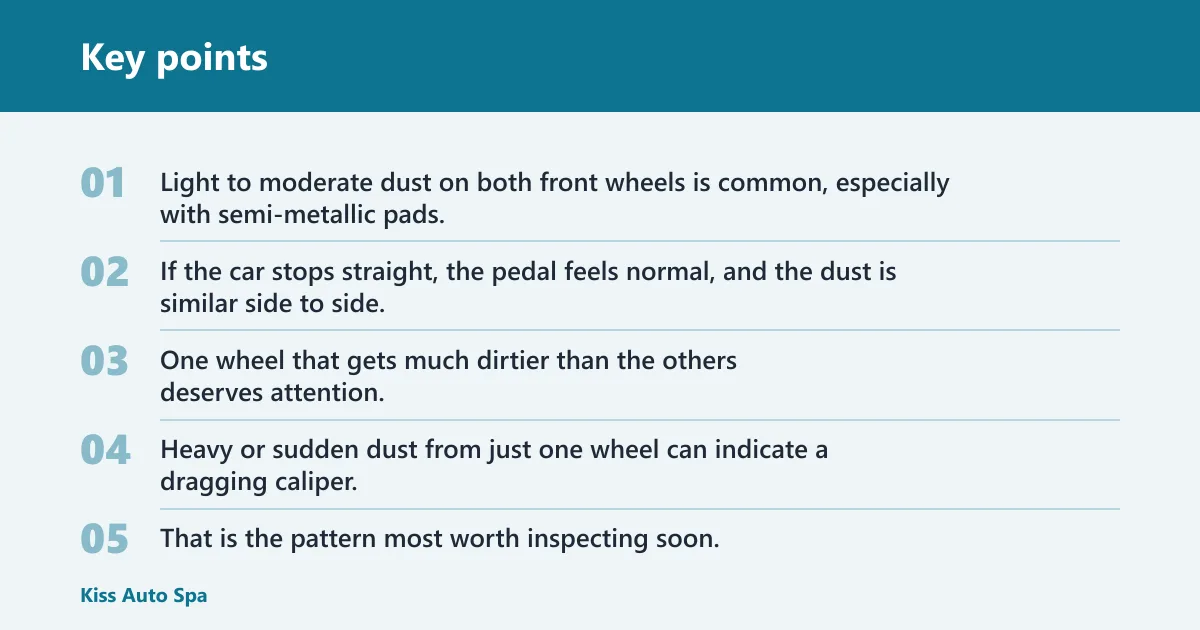
Light to moderate dust on both front wheels is common, especially with semi-metallic pads. This usually points to normal brake use. If the car stops straight, the pedal feels normal, and the dust is similar side to side, the pattern is usually routine.
One-wheel dust imbalance
One wheel that gets much dirtier than the others deserves attention. Heavy or sudden dust from just one wheel can indicate a dragging caliper, stuck slide pin, or uneven braking. That is the pattern most worth inspecting soon.
Heavy dust on both fronts
Heavy dust on both front wheels can still be normal if the pads are semi-metallic or if the driving style involves frequent hard stops. It becomes more suspicious if the dust shows up faster than before, the brakes smell hot, or the car pulls to one side.
Brown, red, or baked-on residue
Brown or red dust can be normal rotor-related residue mixed with moisture. Baked-on residue after hot driving is also common, but it matters because it is harder to remove and may stick to delicate finishes. The color alone is less important than the pattern and timing.
Brake dust decision matrix
This table separates cosmetic trouble from brake-system trouble. Use the pattern, then check the likely meaning and next step. The health note and car note are different on purpose.
| Dust pattern | Likely meaning | Next step | Health vs car risk note |
|---|---|---|---|
| Normal front-wheel dust | Usual front brake wear; front brakes do most stopping work | Clean wheels on a normal schedule and monitor for changes | Health risk is mainly nuisance; car risk is low if braking feels normal |
| Heavy dust on one wheel | Possible dragging caliper, stuck slide pin, or uneven braking | Inspect brakes soon; compare pad wear side to side | Health risk stays low; car risk is higher because one brake may be overheating |
| Heavy dust on both fronts | Pad choice, frequent hard stops, or a dusty compound | Check pad material and braking feel; inspect if this is new | Health risk is mostly cleanup related; car risk is moderate if the change was sudden |
| Brown, red dust | Rotor particles mixed with moisture; may be normal residue | Clean promptly and watch whether one wheel changes faster than the others | Health risk is mainly handling dust; car risk depends on the pattern, not the color |
| Baked-on dust after heat | Dust bonded to a hot wheel surface | Use cool wheels, wheel-safe cleaner, and a soft brush; repeat if needed | Health risk rises if you scrub dry; car risk is finish damage if cleaned harshly |
| Dust on delicate wheel finishes | Finish is more vulnerable than the dust itself | Use a mild, non-acid cleaner and soft foam or bristle tools | Health risk is low; car risk is high if the finish scratches, pits, or stains |
What to do about heavy brake dust
Start with the brake material, then the cleaning method, then the brake hardware if the pattern looks wrong. Ceramic-based or low-copper, copper-free pads are lower-dusting options. They usually reduce visible residue, but they do not guarantee silence, low wear, or the exact stopping feel every driver wants.
Choose low-dust pads with realistic expectations
Pad choice changes dust output, noise, wear, and stopping feel together. Semi-metallic pads usually dust more and can be darker. Ceramic pads usually dust less. Low-dust formulas can help, but they should fit the vehicle and driving pattern, not just the desire for a cleaner wheel.
Clean wheels with the right products
Use a wheel cleaner that is safe for alloy and clear coat. Hot soapy water or a wheel-specific cleaner is recommended for removal. A soft bristle or foam brush is the right tool. Avoid abrasive compounds, wire brushes, and strong acid products that can etch or scratch the wheel.
Use coatings or sealants to slow buildup
Wheel sealant or coating can make cleaning easier by helping dust release sooner. It will not stop braking dust from forming, and it will not fix a dragging brake. It can, however, shorten cleanup time and reduce the chance that residue bonds to the finish.
When to inspect brakes instead of just cleaning
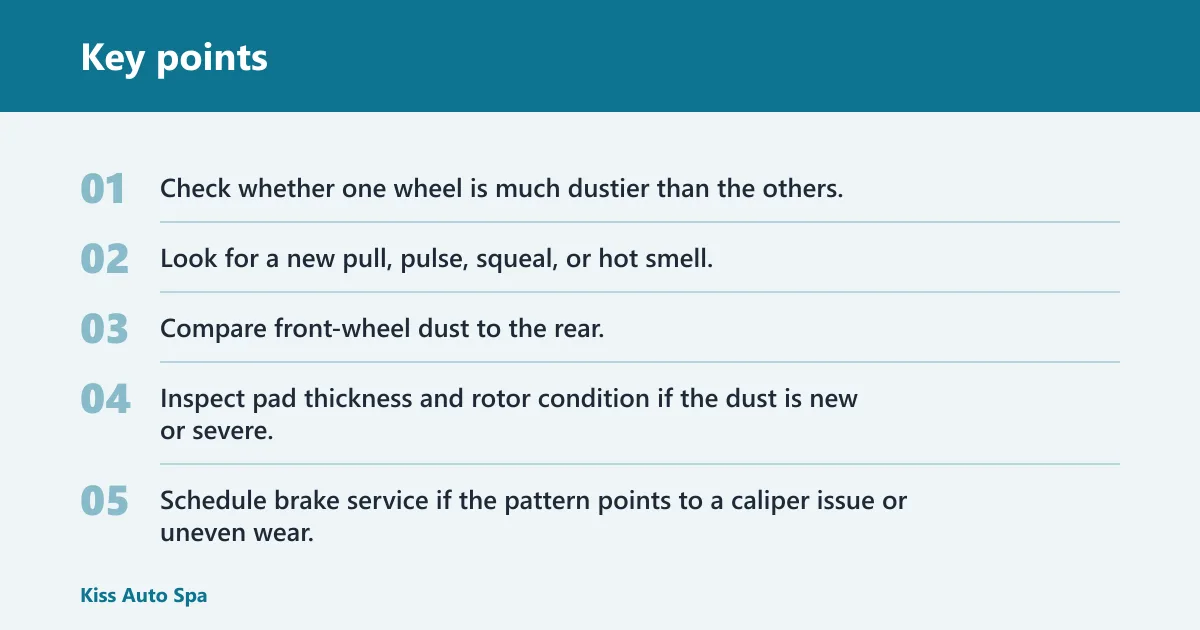
- Check whether one wheel is much dustier than the others.
- Look for a new pull, pulse, squeal, or hot smell.
- Compare front-wheel dust to the rear. Fronts are usually dirtier, but a sudden change matters.
- Inspect pad thickness and rotor condition if the dust is new or severe.
- Schedule brake service if the pattern points to a caliper issue or uneven wear.
Suppose a sedan suddenly leaves a heavy dark ring on the front-left wheel after a week of city driving, while the other three wheels stay moderate. That one-sided change is more useful than the amount alone. It is the kind of pattern that deserves inspection before the pad or rotor is cooked further.
Brake dust shields as a trade-off
Brake dust shields are described as a way to reduce dust buildup. Some people worry they could restrict airflow to the brakes, so they are a trade-off rather than a universal fix. If used, vented versions are preferred, and severe-duty heat concerns should stay front of mind.
Frequently asked questions
Is brake dust toxic?
Brake dust is usually not treated as a universal toxic hazard in normal driving, but it should still be handled carefully. The main issue is fine debris getting into your eyes, nose, or lungs during cleaning. Wet cleaning, a soft brush, and a brake-safe cleaner reduce that exposure.
Is brake dust harmful?
Brake dust is more often a nuisance than a direct danger. It can irritate skin, dirty finishes, and cling to hot wheels. The bigger harm appears when one wheel dusts much faster than the others, because that can point to a brake problem that needs inspection.
Is brake dust normal?
Yes. Brake dust is a normal byproduct of friction braking, and front wheels usually get more of it because front brakes do most of the stopping. Normal dust on both fronts is common. A sudden one-wheel change is the part that deserves attention.
What is brake dust?
Brake dust is a fine dark residue made from tiny particles of pad material and rotor metal. It forms during normal braking and settles on wheels first, especially the front wheels. Pad choice, rotor wear, and heat all affect how much you see.
What does excessive brake dust mean?
Excessive brake dust can mean a dusty pad compound, frequent hard braking, or a brake issue such as a dragging caliper or stuck slide pin. The pattern matters most. If one wheel suddenly gets much dirtier than the others, inspection is the safer next step.
How do I get rid of brake dust?
Let the wheels cool, rinse first, then use a non-acid wheel cleaner that is safe for alloy and clear coat. Follow with a soft bristle or foam brush. Harsh chemicals, abrasive compounds, and wire brushes can damage the wheel finish, especially on chrome or clear-coated alloy.
What brake pads don’t leave dust?
Brake pads are generally not dust-free. Ceramic pads usually leave noticeably less dust than semi-metallic pads, and low-dust formulas can help further. The trade-off is that pad choice also changes noise, wear, and stopping feel, so the best option depends on how the vehicle is used.