How Long Does Ceramic Spray Last on a Daily Driver?
Ceramic spray on a daily driver usually lasts 2 to 6 months, with street parking, winter road salt, and frequent washing pushing it toward the low end. Miss that window and you lose water beading, easier cleaning, and the thin sacrificial layer that helps protect fresh paint. This guide breaks down what lasts, what fades first, and when to refresh based on your driving, parking, and wash habits.
Weeks not years: real-world ceramic spray lifespan
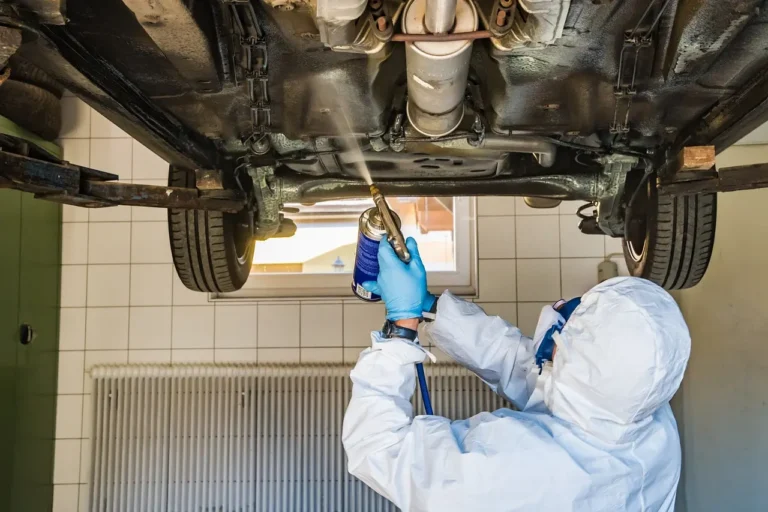
Ceramic spray is a spray-applied SiO2-based paint protection, and its real-world life is usually measured in weeks to months, not years. On a daily driver, UV, rain, grime, highway debris, and washing wear it down faster than the brand claims suggest, especially if the paint was not fully decontaminated first.
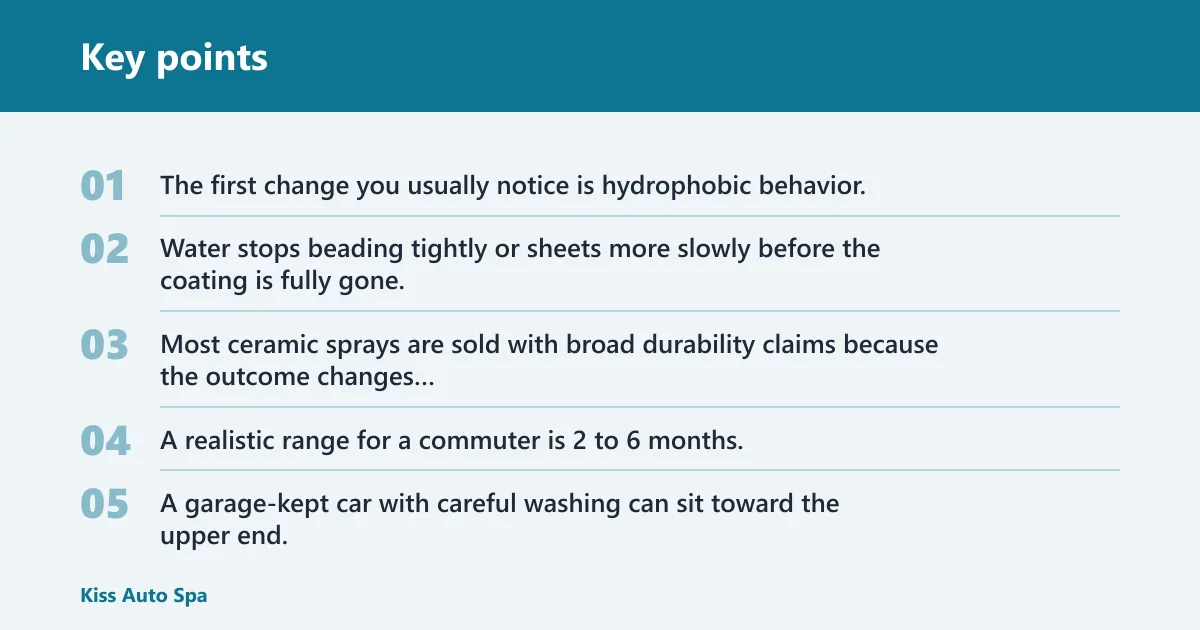
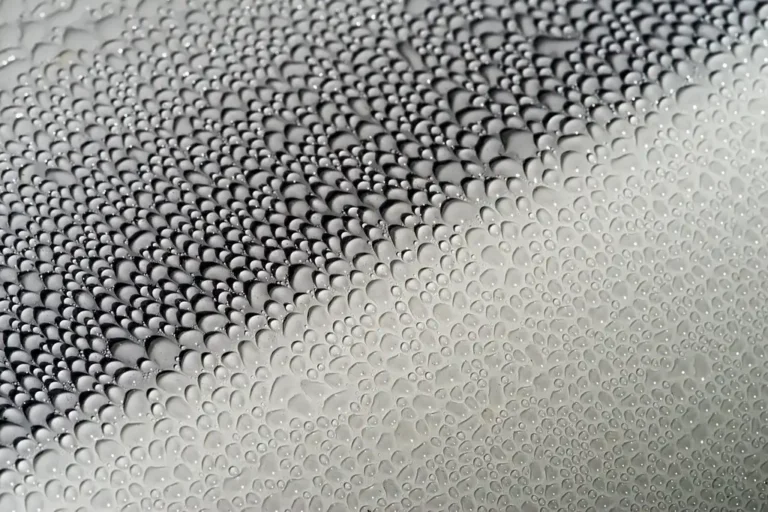
The first change you usually notice is hydrophobic behavior. Water stops beading tightly or sheets more slowly before the coating is fully gone, so bead behavior is a useful wear signal, but not the only one.
Typical lifespan bands
Most ceramic sprays are sold with broad durability claims because the outcome changes with prep, exposure, and wash method. A realistic range for a commuter is 2 to 6 months. A garage-kept car with careful washing can sit toward the upper end. A street-parked car that sees weekly brush washes can fall below 2 months.
What wears out first
Hydrophobicity usually fades before the full protective effect is gone. That means the surface may still resist dirt a bit better than bare paint even after water behavior looks weaker. The next signs are slower drying after washing, more road film sticking, and less slickness under a clean mitt.
Why real-world use matters
Daily commuting changes the outcome. Highway spray, bug residue, winter salt, sun on the clear coat, and frequent washing all attack the thin film. A product that looks strong on a stored car can age much faster on a commuter that sits outside and gets cleaned every week.
What shortens ceramic spray life?
Four things matter most: parking location, weather exposure, wash frequency, and surface prep. Sun, rain, road film, salt, and brush contact all reduce durability. The harsher the routine, the faster the spray loses beading and the sooner it needs a refresh.
Sun exposure and parking location
Garage-kept cars usually keep ceramic spray longer because the coating sees less UV, less heat cycling, and less airborne grit. Street-parked cars take the full load of sun, sap, dust, rain, and overnight condensation. That extra exposure shortens real-world life even if the product was applied correctly.
Rain, grime, and highway driving
Rain itself does not strip ceramic spray, but constant wetting and drying cycles can dull the surface faster. Highway driving adds bug impact, road film, and fine grit. Those contaminants do not simply sit on top of the coating; they abrade it during every wash and wipe-down.
Winter salt and road film
Winter is hard on any spray protection. Road salt, slush, and calcium chloride leave sticky film that clings to the finish and can require stronger cleaning. That extra cleaning pressure shortens life, especially when the car is washed often to remove buildup.
Automatic wash frequency
Automatic car washes matter a lot. Touchless systems can be rough on protection because strong chemicals and high-pressure rinsing can strip it faster. Brushed systems are worse, because the contact itself can wear the film down and create more surface marring at the same time.
How long does ceramic spray last in daily use?
Daily use usually pulls ceramic spray into a shorter, more practical range than the label suggests. The same product can last months on a garage-kept car and only weeks on a winter commuter that gets frequent machine washes. Use parking, climate, and wash cadence to judge the interval, not the bottle alone.
Garage-kept commuter
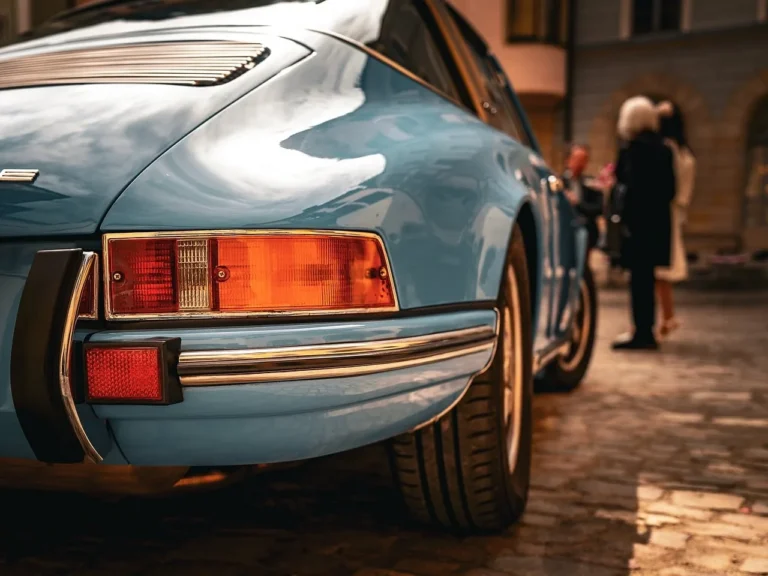
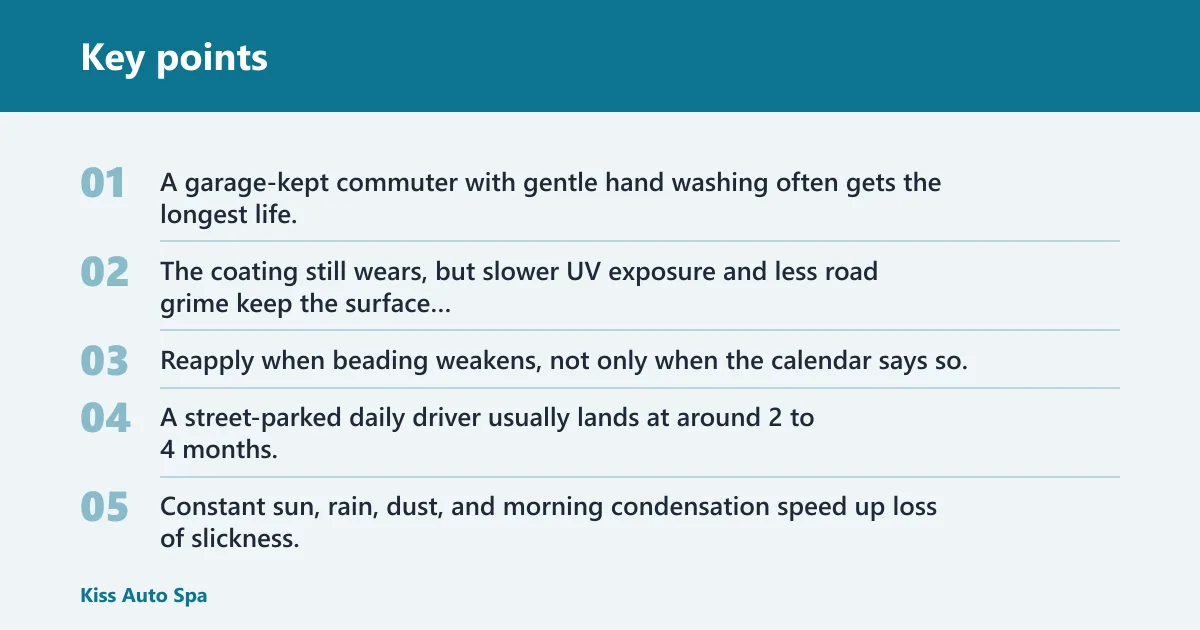
A garage-kept commuter with gentle hand washing often gets the longest life, commonly 4 to 6 months. The coating still wears, but slower UV exposure and less road grime keep the surface active longer. Reapply when beading weakens, not only when the calendar says so.
Street-parked commuter
A street-parked daily driver usually lands at around 2 to 4 months. Constant sun, rain, dust, and morning condensation speed up loss of slickness. If the car also sees quick washes or frequent wipe-downs, the lower end is more realistic.
Weekly automatic wash user
A commuter that goes through a weekly automatic wash often sees roughly 6 to 10 weeks of useful performance, sometimes less with brushed systems. That schedule can erase hydrophobic behavior quickly, even if the paint still looks clean. This is where visible water behavior and cleaning ease start to diverge.
Winter road-salt driver
A winter driver can often see roughly 4 to 8 weeks of strong performance because salt film, slush, and extra wash cycles can work against the coating. If the car is washed often with harsh chemistry or brush contact, the spray may need a refresh before the season ends.
Ceramic spray durability matrix
This matrix turns brand claims into a usable decision tool. The ranges below assume decent application, then adjust for parking, washing, and weather. If the car was not washed, decontaminated, and dried well before application, expect shorter life across every scenario.
| Daily-driver scenario | Expected lifespan band | Early failure signs | Reapplication trigger |
|---|---|---|---|
| Garage-kept | 4 to 6 months | Beading slows, water sheets unevenly, paint feels less slick | After beading drops for several washes or drying takes noticeably longer |
| Street-parked | 2 to 4 months | Road film clings, bead size shrinks, dirt sticks after rain | When cleaning takes more effort and rinse water no longer sheets fast |
| Weekly automatic wash user | 6 to 10 weeks | Loss of slickness, weak beading after one or two washes, uneven water break-up | After two weak wash cycles in a row or before the next heavy wash period |
| Winter road-salt user | 4 to 8 weeks | Salt film lingers, rinse water stays on panels, paint feels rougher sooner | When winter film builds up faster than maintenance washes can clear it |
Does prep change how long it lasts?
Yes. Prep is one of the biggest reasons the same product can last very differently from car to car. A proper wash, iron removal, and clay step removes bonded contamination so the spray can bond to paint instead of sitting on residue. That improves durability and makes the finish more even.
Wash before application
Start with a thorough wash to remove loose dirt, road film, and old dressing. If the surface still holds contaminants, the spray bonds poorly and wears off sooner. Clean paint gives the coating a better surface to grip.
Iron removal
Iron remover helps clear embedded brake dust and metallic fallout that ordinary shampoo leaves behind. Those particles can interfere with bonding and create rough spots under the coating. This matters most on wheels, lower doors, rear bumpers, and other dirty zones.
Clay bar or clay towel
Claying removes bonded residue that washing cannot lift. Use it after the wash and iron step if the paint still feels rough. A smooth surface helps the ceramic spray spread evenly and reduces the chance of patchy wear.
Why residue cuts bonding
If the panel still carries wax, sealant residue, tar, or leftover dressing, the spray may sit on top of that film instead of anchoring to clean paint. That usually means weaker durability, less consistent beading, and a shorter reapplication window.
How to maintain it without wearing it out
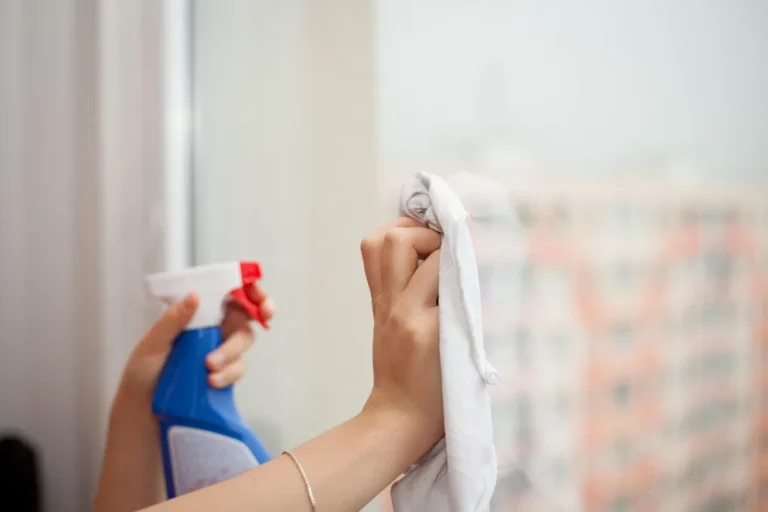
Maintenance washes matter because the wrong wash can remove protection faster than normal driving does. A pH-neutral shampoo, a clean mitt, and a soft drying towel are the safest routine. The goal is to remove dirt without scrubbing the coating away early.
- Pre-rinse thoroughly to loosen grit before touching the paint.
- Wash with a pH-neutral shampoo and a clean mitt.
- Use straight-line passes instead of heavy circular pressure.
- Rinse the mitt often so you are not dragging grit back across the panel.
- Dry with a clean microfiber drying towel or a blower.
- Avoid strong cleaners unless you are doing a full reset.
A light top-up schedule
Top-up sprays can help keep hydrophobicity alive between full applications. Use them after washing if the surface still cleans easily but water behavior is beginning to fade. That approach is better than waiting until the coating is fully spent.
When should you reapply ceramic spray?
Reapply when performance drops, not on a fixed calendar alone. The clearest signs are weaker beading, slower sheeting, slower drying after washing, and a rougher paint feel after a clean wash. If those signs show up across several panels, the coating is fading in real use.
Loss of beading or sheeting
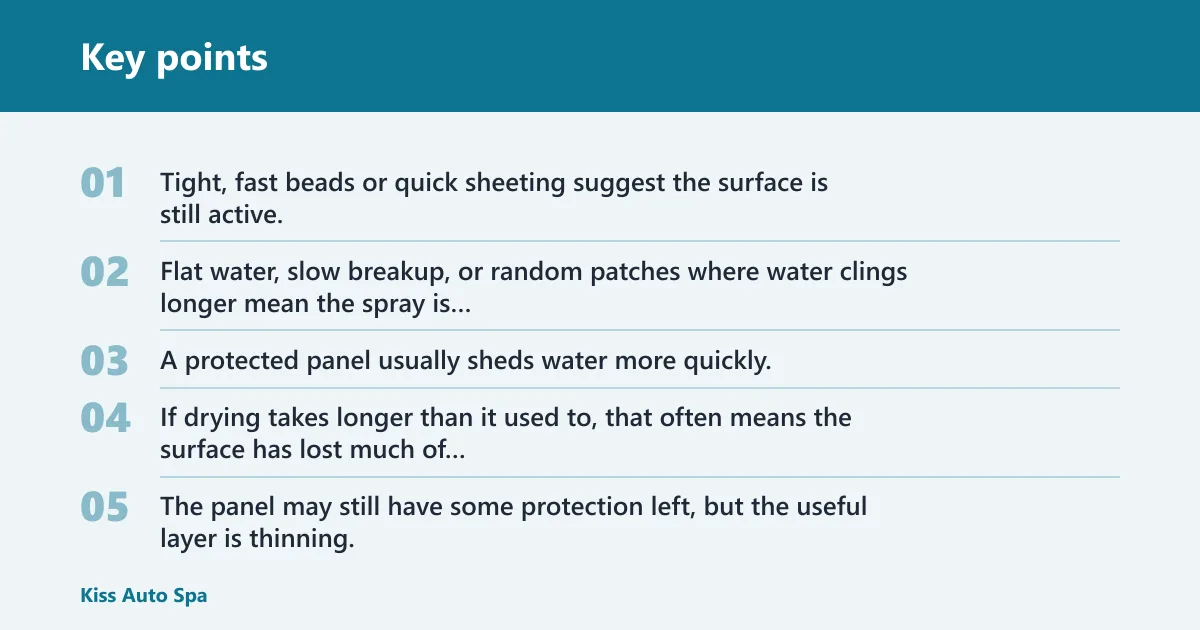
Water behavior is the easiest check. Tight, fast beads or quick sheeting suggest the surface is still active. Flat water, slow breakup, or random patches where water clings longer mean the spray is wearing down.
Slow drying after washing
A protected panel usually sheds water more quickly. If drying takes longer than it used to, that often means the surface has lost much of its hydrophobic behavior. The panel may still have some protection left, but the useful layer is thinning.
Rougher paint feel
After a proper wash, the paint should feel slick. If it feels grabby or gritty, contamination may be building up or the coating may be near the end of its useful life. A decontamination step helps separate those two problems.
Full reset versus top-up
Use a top-up when the coating is only fading and the paint is still clean. Use a full reset when residue has built up, water behavior is patchy, or the finish has been exposed to heavy contamination. If old product layers, tar, or winter film are still present, topping up can trap the problem instead of fixing it.
Say your sedan sits outside in a city lot, sees one automatic wash each week, and starts showing weak beading after six weeks. The car may still clean up well, but the spray is already near its useful limit. At that point, a wash, decontamination, and fresh application make more sense than waiting for a calendar date.
Suppose a garage-kept hatchback is washed by hand every two weeks and still beads strongly after four months. That is a normal sign that the coating is holding up better because the car sees less UV, less grit, and less chemical stripping. The next refresh can wait until beading and sheeting clearly soften.
Is ceramic spray enough protection for a commuter car?
Ceramic spray is enough for many commuter cars if the goal is easier cleaning, better water behavior, and a sacrificial layer over fresh paint. It is not the same as a professional ceramic coating, and it will not last as long. For daily use, it is a practical middle ground when you want protection without a long install process.
Frequently asked questions
How long does ceramic spray last on a daily driver?
Most daily drivers get 2 to 6 months from ceramic spray, but the real answer depends on parking, wash frequency, and climate. Garage-kept cars can last longer. Street parking, winter salt, and weekly machine washing pull the range shorter.
What affects how long ceramic spray lasts on a car?
Sun exposure, rain, road film, winter salt, and wash method matter most. Prep also matters. A properly cleaned and decontaminated surface gives the spray a better bond, while residue, old wax, or contamination shorten usable life.
Does ceramic spray last through rain, washes, and highway driving?
Yes, but not equally well in every condition. Rain and highway driving do not immediately remove it, though they speed up wear over time. Frequent automatic washes, especially brushed systems, shorten longevity faster than normal wet weather.
How often should I reapply ceramic spray on my daily driver?
Reapply when beading weakens, sheeting slows, or the finish starts drying more slowly after washing. Many daily drivers need a refresh every 2 to 6 months, but winter road use or weekly machine washes can shorten that to under 2 months.
Can I extend ceramic spray durability with maintenance washes?
Yes. A pH-neutral shampoo, a clean mitt, and a soft drying towel help preserve the coating longer than harsh washes do. Maintenance washing removes dirt without stripping the surface as quickly, which keeps the hydrophobic layer useful for more weeks.
How can I tell when ceramic spray is no longer working?
The first clue is usually water behavior. If beading looks flat, sheeting slows down, and drying takes longer after a proper wash, the coating is fading. If the paint also feels rough or holds road film more easily, a refresh is due.