Is Steam Cleaning Safe for Stained Cloth Car Seats?
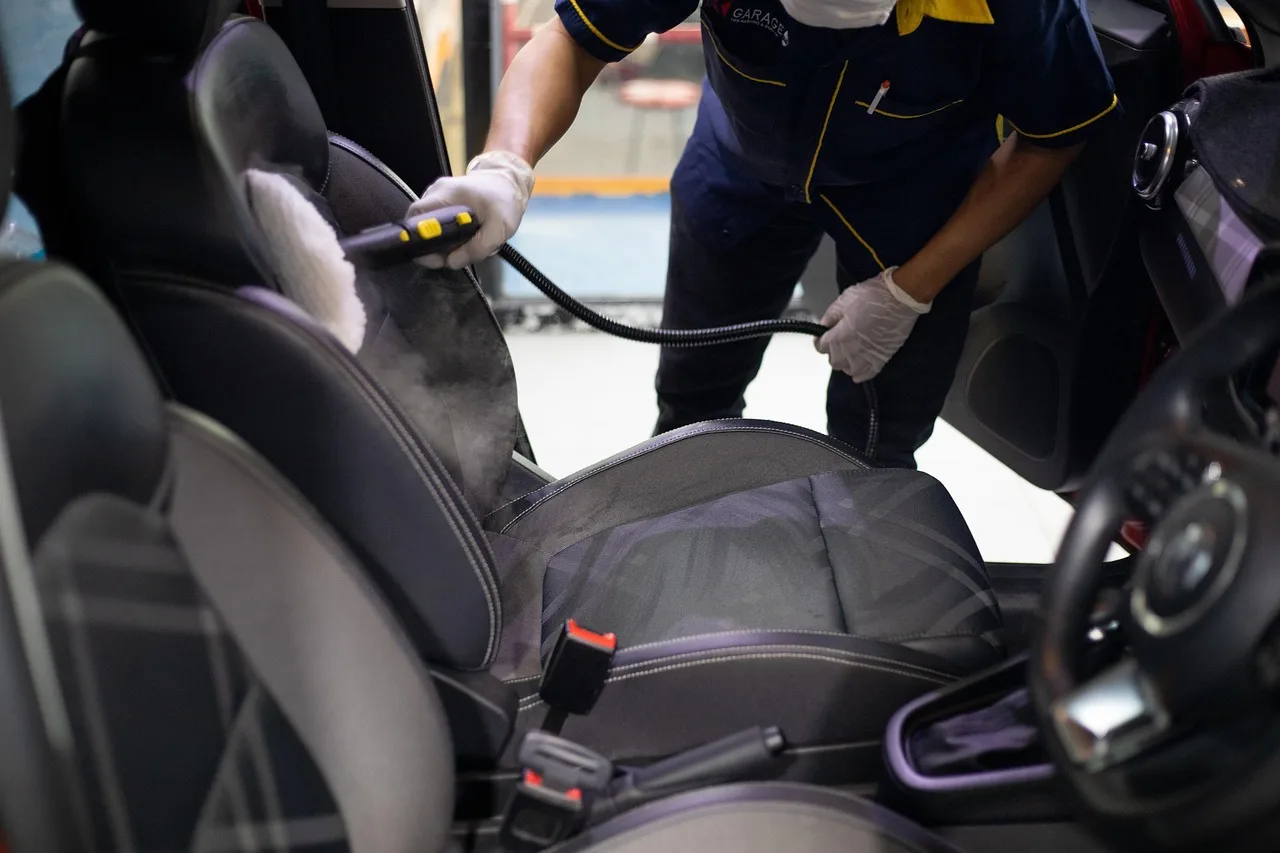
Yes, steam is safe for most cloth car seats if you use low-to-medium heat, keep the nozzle moving, and stop after one short pass; avoid it on loose dye, damaged foam, or plastic trim. Used carelessly, steam can sometimes set stains, shrink fabric, or drive moisture into padding. This guide tells you when steam fits the stain, when it does not, and the warning signs to stop.
How fabric layers and hidden dampness raise mold risk
Yes, for most cloth seats, but only as controlled spot cleaning. Cloth car seats are usually nylon or polyester blends, and they tolerate moisture better than leather. Even so, you still need a hidden-area patch test, full drying, and a stop rule for oversaturation.
Check the vehicle owner’s manual first. The seat owner’s manual is usually the primary authority on whether steam is permitted, and it may also recommend a damp cloth and mild soap instead. It may also warn you away from heated, ventilated, perforated, or sensor-equipped seats.
What cloth seat construction changes the risk
Cloth has fibers, seams, and foam backing. Steam can loosen soil on the face fabric, but it can also push water into stitching and padding. That matters because mildew can start when materials stay damp, and a seat that feels only surface-dry can still be wet inside.
When steam is a fit
Steam fits fresh spills on standard cloth, light soil in the top fibers, and spots that have not soaked into the cushion. It works best as a short, controlled pass with a fabric or upholstery attachment, the lowest effective output, and distilled water when possible.
When steam is the wrong tool
Skip steam when the stain is oily, the fabric is worn or fuzzy, the cushion already feels damp, or the seat has perforations or heating elements near the stain. Use pre-treatment or extraction instead if the mark is set in or if a dye transfer has already bonded into the fibers.
What you’ll need
- Vacuum with crevice tool
- Steam cleaner with fabric or upholstery attachment
- Clean, dry microfiber towels
- Dry cloth for trim and seams
- Distilled water
- Mild upholstery cleaner
Steam cleaning safe decision matrix
| Stain type | Standard cloth | Worn cloth | Heated or perforated seat |
|---|---|---|---|
| Fresh spill | Steam — short passes can lift surface residue before it binds deeper. | Spot-treat first — worn fibers fuzz and soak faster, so pre-cleaning lowers risk. | Extraction instead, moisture can enter openings and heater zones more easily. |
| Oily stain | Spot-treat first, oil resists water and often needs a cleaner before steam. | Extraction instead, worn cloth can wick oil outward and leave a ring. | Extraction instead, steam can spread the oil and push it into openings. |
| Set-in dye stain | Extraction instead, steam can set dye or move it deeper into the weave. | Extraction instead, weakened fibers and dye bleed make steaming too risky. | Extraction instead, perforations and heat raise the chance of trapped moisture and bleed. |
Why this table matters: steam is not a full-rinse method. A guide that treats steam best as controlled spot cleaning, not full-rinse cleaning, matches the safer approach for cloth seats.
How should you prep the seat?
Vacuum first, check the manual, and patch test before any steam touches the main stain. That sequence removes grit, confirms the seat can handle moisture, and shows whether the fabric changes after full drying.
Vacuum seams and stitching first
Use a vacuum with a crevice tool to pull grit from seams, stitching, and seat edges. If you skip that step, steam can drive abrasive dirt deeper into the fabric and make the stain harder to lift.
Check the owner’s manual
Look for notes on heated, ventilated, perforated, or sensor-equipped seats. Some manuals allow only a damp cloth and mild soap. If the manual bans steam, do not override it with a guess.
Patch test and wait for full drying
Test an inconspicuous area, then wait until it is fully dry before judging the result. Check for dye transfer, fading, sheen change, or fuzzing. If any of those appear, stop and switch methods.
Say your sedan has a gray cloth seat and a coffee spot the size of a coin. A hidden patch near the seat edge looks fine while damp, but the test area shows a darker sheen after drying. That is a warning to stop steaming that fabric.
- Vacuum the seat seams, bolsters, and crease lines with the crevice tool.
- Confirm the manual allows steam on that seat type.
- Test one hidden area and let it dry fully.
- Continue only if the test area matches the rest of the seat.
How do you steam without soaking the seat?
Keep the nozzle moving, use short bursts, and stop before the cushion feels damp through. The goal is to soften the stain and lift soil, then blot it away before moisture sinks into the foam backing.
Use short bursts and keep the nozzle moving
Hold the upholstery attachment close enough to work, but never linger in one place. Short passes lower the risk of heat damage, oversaturation, and tide marks. Distilled water also helps reduce mineral residue on the fabric.
Blot loosened soil with a microfiber towel
Keep a clean, dry microfiber towel ready. Press it on the area as steam loosens grime, then lift it away. That helps prevent re-depositing loosened soil back into the weave.
Stop before the cushion feels damp through
If the seat feels wet beyond the top layer, stop and switch to drying and blotting. More steam is not the answer once the foam starts holding moisture.
Suppose a tan cloth seat has a soda ring near the edge. You pass the steamer once, blot, and then see the mark spread into a wider halo. That is wicking. Stop, dry the area, and move to extraction or a cleaner made for upholstery.
- Set the steamer to the lowest effective output.
- Use the fabric or upholstery attachment.
- Make one short pass over the stain.
- Blot immediately with a dry microfiber towel.
- Add one more pass only if the fabric stays merely damp on the surface.
When should you pre-treat or use extraction instead?
Pre-treat first for coffee and soda, and move to extraction for oil, grease, dye transfer, or any stain that already looks set in. Steam alone often does not break those bonds, and repeated passes raise the chance of rings, bleed, and oversaturation.
Coffee and soda stains
Fresh coffee or soda can respond to steam on standard cloth, but only after blotting and a careful test. If sugar, color, or acids have already dried, a mild upholstery cleaner usually needs to go first.
Oil and grease stains
Oil repels water. Steam can spread it. Start with a degreasing upholstery cleaner, then extract the residue if the fabric allows it. On worn cloth, extraction is often the better first move because oil can track outward into fuzzy fibers.
Dye transfer and set-in marks
Blue jeans dye, ink, and old beverage marks can bleed when heated. If a stain has already set, extraction or a dedicated upholstery cleaner is safer than direct steaming. Steam can turn a small mark into a larger one.
How long do cloth car seats take to dry after steam cleaning?
Drying can take several hours, and full dryness matters. Three to five hours with the doors open, but thicker cushions, humid weather, or heavier moisture can take longer. Surface-dry is not enough if the foam underneath is still wet.
Open doors and improve airflow
Open the doors and let air move through the cabin. Fans help. Good airflow shortens drying time and lowers the chance of musty odors or mildew.
How to keep cloth seats from getting moldy after steam cleaning
Keep the seat as dry as possible during cleaning, then leave the interior open until the fabric and foam are fully dry. Mold can start growing within 24–48 hours when materials stay damp, so do not close the car up too soon.
Common first-timer mistake: the seat feels dry after an hour, so the car gets closed and driven. The top fabric may feel fine while the cushion core stays damp. That trapped moisture is the problem.
- Leave the doors open after cleaning.
- Run cabin fans or place a fan to move air across the seats.
- Check the seat seam, bolsters, and cushion center after drying time.
- Do not use the seat heavily until it is fully dry.
Common mistakes
Skipping the patch test is the fastest way to find out the fabric fades or fuzzes. Patch test first, then wait for full drying before deciding.
Overwetting seams and foam creates tide marks, wicking, and lingering dampness. Use short bursts, blot with a dry microfiber towel, and stop before the seat feels saturated.
Using steam on heated or perforated seats can push moisture where it should not go. If the manual flags those features, use the method it allows instead.
Ignoring slow drying is another mistake. If the seat still feels cool, heavy, or damp after several hours, keep air moving and do not close the car up yet.
Frequently asked questions
Is steam cleaning safe for stained cloth car seats?
Usually yes, if the seat is standard cloth, the manual allows it, and you use short bursts with an upholstery attachment. It is not a blanket yes for every stain or seat feature. Test first, and stop if the fabric darkens, fuzzes, or stays damp after drying.
Can you steam clean cloth car seats without soaking them?
Yes. Use the lowest effective output, keep the nozzle moving, and blot with a dry microfiber towel after each short pass. If the fabric feels wet beyond the surface, stop and let it dry before adding more moisture.
Should you vacuum before steam cleaning car seats?
Yes. Vacuum first with a crevice tool so grit in seams and stitching does not get pushed deeper into the fabric. This step also keeps loosened dirt from turning into muddy residue once steam hits the seat.
How do you keep cloth seats from getting moldy after steam cleaning?
Dry them fully with doors open and airflow moving across the cabin. A guide puts drying at three to five hours in some cases, but thicker cushions can take longer. Do not close the car and call it done when the top layer only feels dry.
Can steam remove coffee or soda stains from car seats?
It can remove fresh coffee or soda on standard cloth, but set-in residue often needs pre-treatment first. If the stain has dried into the fibers, steam alone may leave a ring or spread the mark wider.
Is steam safe for perforated or heated car seats?
Those seats are higher risk. The manual may warn against steam on heated, ventilated, or sensor-equipped seats, and perforations can let moisture travel into places that dry slowly. Use the manufacturer’s guidance first, and avoid prolonged direct steam.