Can You Apply Ceramic Spray to a Wet Car as a Drying Aid?
Yes, if the paint is cool, the surface is free of heavy grit, and the product label allows wet-panel use, a ceramic spray can be applied as a drying aid after washing. Used the wrong way, it can streak, leave drag marks, or trap dirt that scratches the finish. This guide covers when to use it, when to skip it, and a safe step-by-step method for different wash types and paint conditions.
Can you use ceramic spray as a drying aid?
Yes, when the spray is labeled for wet use and the panel is still wet from a proper wash or rinse. That is the right time to use it as a maintenance layer, not as a substitute for a full ceramic coating. It works best on cool panels, with a clean towel ready for immediate wipe-down.
CMX Ceramic Spray Coating, Chemical Guys’ HydroDry, and Ceramic Pro CARE are all products that should be checked against their labels for wet-surface use. Mothers says its product works as a “coat-as-you-dry” product.
Use the product as a topper or maintenance layer. Do not treat it as a replacement for a cured ceramic coating. The finish gains gloss, slickness, and water beading, but the main job here is faster, cleaner drying with less chance of water spots.
When it works well
It works well after a hose wash or touchless wash, when the panel is freshly rinsed and the water is still moving off the paint. It also works on coated cars that have fully cured, and on uncoated paint when the label allows the product on paint, glass, or trim.
When it is the wrong call
Skip it on hot panels, in direct sun, on dirty paint, or on a fresh ceramic coating that has not finished curing. Skip it too if the towel is already soaked, because excess product and excess water together make streaking more likely.
What you’ll need
- Ceramic spray labeled for wet-panel use
- Clean plush microfiber drying towel with a high GSM feel
- Optional second microfiber towel for a final wipe
- Wash soap, rinse water, and your usual wash tools
- Shade or a cool working area
A clean microfiber drying towel matters because the towel removes the water and residue last. A plush, absorbent towel is the safer choice here. A damp, dirty, or thin towel adds drag and leaves more water behind.
Should you dry first or spray first?
Spray first on a wet panel when the label allows it and the paint is cool. Dry first only when the car is too hot, the surface is already spotting, the wash method leaves heavy residue, or the towel cannot keep up with the amount of water. The right order depends on how the car was washed.
Hose wash and touchless wash
For a hose wash or touchless wash, rinse thoroughly and go straight into panel-by-panel drying with the spray. Follow the wash-method guidance on the product label, and use the coat-as-you-dry approach only when the surface is ready for it.
Rinse-less wash
For a rinse-less wash, most users should limit the ceramic spray to a final top-up after the panel is already mostly dry. The wash towel usually carries more lubricants than a regular rinse, so over-spraying can make the surface grabby. If the panel still looks wet, switch to towel-only drying first.
Coated versus uncoated paint
On a fully cured ceramic-coated car, ceramic spray can act as maintenance and help renew slickness. On uncoated paint, use it only if the product label allows it. Ceramic Pro recommends waiting two to three weeks for a 9H coating to fully cure before maintenance products touch it.
Hot panels versus cool panels
Cool panels are the safe choice. Hot paint can flash water and product faster, which may raise streaking risk and make the towel drag. If the hood or roof is warm enough to feel hot, let it cool before any spray application.
Wet application workflow
- Rinse the panel and leave it wet.
- Shake the bottle, then mist about one or two sprays across a small section.
- Wipe immediately with a clean microfiber towel.
- Flip the towel and remove the last film with a dry side.
- Move to the next section before the panel dries on its own.
Work one panel at a time. If the hood is large, divide it into halves or thirds. The goal is to remove standing water while the product is still workable, not after the water has already started spotting.
For a typical sedan panel, about one or two sprays is often a reasonable starting point. If the panel is larger, add one more spray, then recheck the towel drag before adding more. Too much product leaves smears, and too much water in the towel leaves the surface streaky.
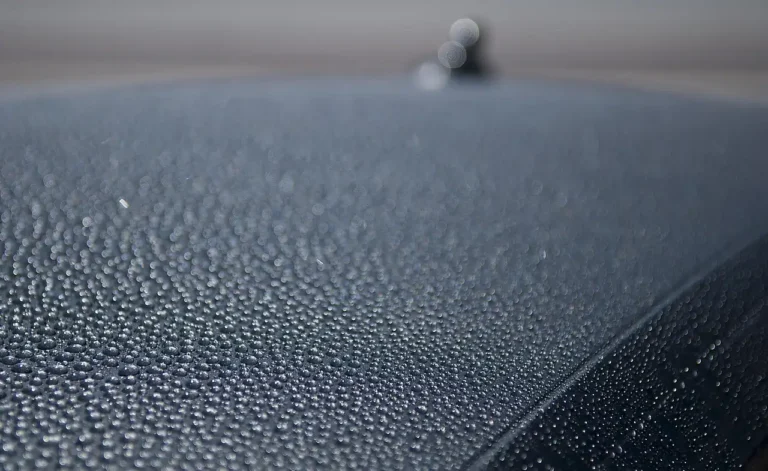
Picture a black sedan in shade after a touchless wash. The roof still sheets water evenly, and the towel glides cleanly. That is a good setup. Now picture the same car under direct sun, with the hood already warm. The same spray can flash faster and leave trails unless the panel is cooled first.
Drying aid decision table
| Wash or surface condition | Recommended drying method | Risk level | Common mistake to avoid |
|---|---|---|---|
| Hose wash, cool panels, soft water | Spray on the wet panel, then dry with a plush microfiber towel | Low | Letting the panel sit while you gather towels |
| Touchless wash, cool panels, hard water | Dry immediately with spray plus microfiber, then do a final wipe | Medium | Allowing mineral-rich water to air-dry first |
| Rinse-less wash, coated paint | Towel dry first, then use a light spray only if the label allows it | Medium | Over-wetting the panel with product |
| Rinse-less wash, uncoated paint | Plain microfiber drying first; use ceramic spray only as a final topper | Medium to high | Using the spray to make up for leftover grime |
| Fresh ceramic coating, under two to three weeks | Dry gently only; wait for full cure before maintenance products | High | Applying a topper before the coating has cured |
| Hot panels or direct sun | Move the car or wait for shade and cooler paint | High | Trying to force a spray-and-wipe on hot paint |
When should you avoid it?
Avoid ceramic spray as a drying aid when the coating is still curing, the panel is hot, the surface is dusty, or the wash left behind heavy residue. If water is already spotting, the spray will not erase the minerals that have already started to bond. Dry first, then correct the spots if needed.
Fresh ceramic coating cure time
If the car has a fresh ceramic coating, wait for full cure before adding any maintenance product. A fresh ceramic coating is often left for about two to three weeks before maintenance products are used. During that period, use gentle drying only, with clean microfiber towels and no extra topper unless the coating maker says otherwise.
Direct sun and hot panels
Hot paint shortens working time. That makes streaking more likely and can leave patchy gloss. If the only available space is full sun, wash one side at a time and move the car if possible. Shade is still the safer choice.
Heavy dirt or leftover soap
If the panel still feels gritty or looks hazy with soap residue, do not seal that contamination under a ceramic spray. Rinse again first. Touchless wash results are usually the better setup because they are easier to pair with a wet-panel drying step.
Water that is already spotting
Hard water leaves mineral deposits faster than soft water. Once those deposits start to dry, the drying aid becomes less helpful because the problem has already shifted from drying to spot removal. Immediate drying matters most after rinse water with visible mineral load.
Common mistakes
Using too much product is the first problem. A single panel usually needs only a light mist, then immediate towel work. Extra product does not create extra protection; it usually creates smear risk and slower wipe-down.
Working on too large a section is next. A hood, roof, or door can dry before you reach it if the section is too large. Divide large panels into smaller sections so the towel reaches the water before it flashes off.
Using a saturated towel is another failure point. If the towel becomes heavy or slick, switch to a fresh side or a second towel. A wet towel pushes water around instead of lifting it.
Say your car is washed with a hose, the paint is cool, and the water is soft. One section may dry cleanly with a light mist and one towel pass. Now suppose the same car sits in direct sun for ten minutes. The same workflow can start streaking because the panel warms up and the water flashes too fast.
Prevention: dry the car immediately after the rinse and keep a second towel ready before the first one becomes damp.
Frequently asked questions
Can you apply ceramic spray to a wet car as a drying aid?
Yes, if the label allows wet-panel use and the paint is cool. Spray one section, wipe immediately with a plush microfiber towel, then finish with a dry side. Products such as CMX Ceramic Spray Coating, HydroDry, and Ceramic Pro CARE are examples you should check against the label for wet-surface directions.
Will ceramic spray streak if the car is still wet?
It can streak if the towel is too wet, the panel is hot, or too much product is used. Keep the section small, use one or two sprays, and switch towel sides often. If streaks appear, a dry microfiber pass usually clears the leftover film.
Do you spray ceramic coating on wet or dry paint?
For ceramic spray coatings and toppers, use the label as the rule. Many products are designed for wet application, while a fresh ceramic coating itself should cure first. The same source recommends two to three weeks before adding maintenance products to a 9H coating.
Can you use ceramic spray on glass and trim while drying?
Only if the label allows those surfaces. Chemical Guys says HydroDry can be used on paint, glass, and trim. That does not mean every ceramic spray is safe there, so check the exact bottle directions before using it on exterior glass or textured trim.
Should you dry the car first before applying ceramic spray?
Usually no. The point of a drying aid is to use it while the panel is still wet, then wipe the water away. Dry first only when the panel is hot, the car is already spotting, or the wash method leaves too much residue for a wet-panel workflow.
How do you avoid water spots when using ceramic spray during drying?
Dry immediately after the rinse, keep the car out of the sun, and use clean microfiber towels. Hard water raises the risk, so move faster on those panels. If a section starts to dry on its own, dry it first and stop adding product until the panel is cool again.