Can Brake Dust Damage Wheel Finish or Car Paint?
Brake dust can stain wheel finishes and, if it sits long enough, etch clear coat and speed corrosion; it usually does not damage body paint unless it stays on painted panels for weeks or gets scrubbed dry. Left alone, it becomes harder to remove, can dull the finish, and can leave corroded areas that need refinishing. This guide explains what brake dust damages, which finishes are most at risk, and how to clean it safely.
Brake dust damage table
| Wheel type | Wheel finish risk | Safe cleaner category | Safe agitation tool | Escalation trigger | Paint nearby: likely removal path |
|---|---|---|---|---|---|
| Clear-coated alloy | Moderate to high; dust can stain, then etch if baked on | pH-neutral or wheel-specific cleaner, spot-tested first | Soft bristle or foam brush | Loss of gloss, rough bonded dots, or brown staining that does not lift after washing | Fresh overspray-like dust is often removable by washing; bonded residue may need iron remover, and etched paint may need professional correction |
| Painted wheel | Moderate; surface staining is common, clear coat can still scratch | pH-neutral cleaner matched to painted finishes | Soft bristle or foam brush | Dull patches, swirl marks, or residue that remains after a second wash | Dust on adjacent paint is usually washable at first; if it bonds, use iron remover before considering correction |
| Chrome | Low to moderate, but spotting and pitting risk rises if the finish is compromised | Mild chrome-safe wheel cleaner | Foam or very soft brush | White spotting, haze, or tiny pits that do not wash off | Paint near chrome trim is usually removable by washing unless residue has baked on in heat |
| Anodized | Moderate; chemical choice matters because the finish can be sensitive | Finish-specific cleaner, tested in a hidden area first | Soft bristle or foam brush | Color shift, chalking, or uneven dullness after cleaning | Paint contamination nearby is often removable by washing, then iron remover if brown specks remain |
Can brake dust damage wheel finish?
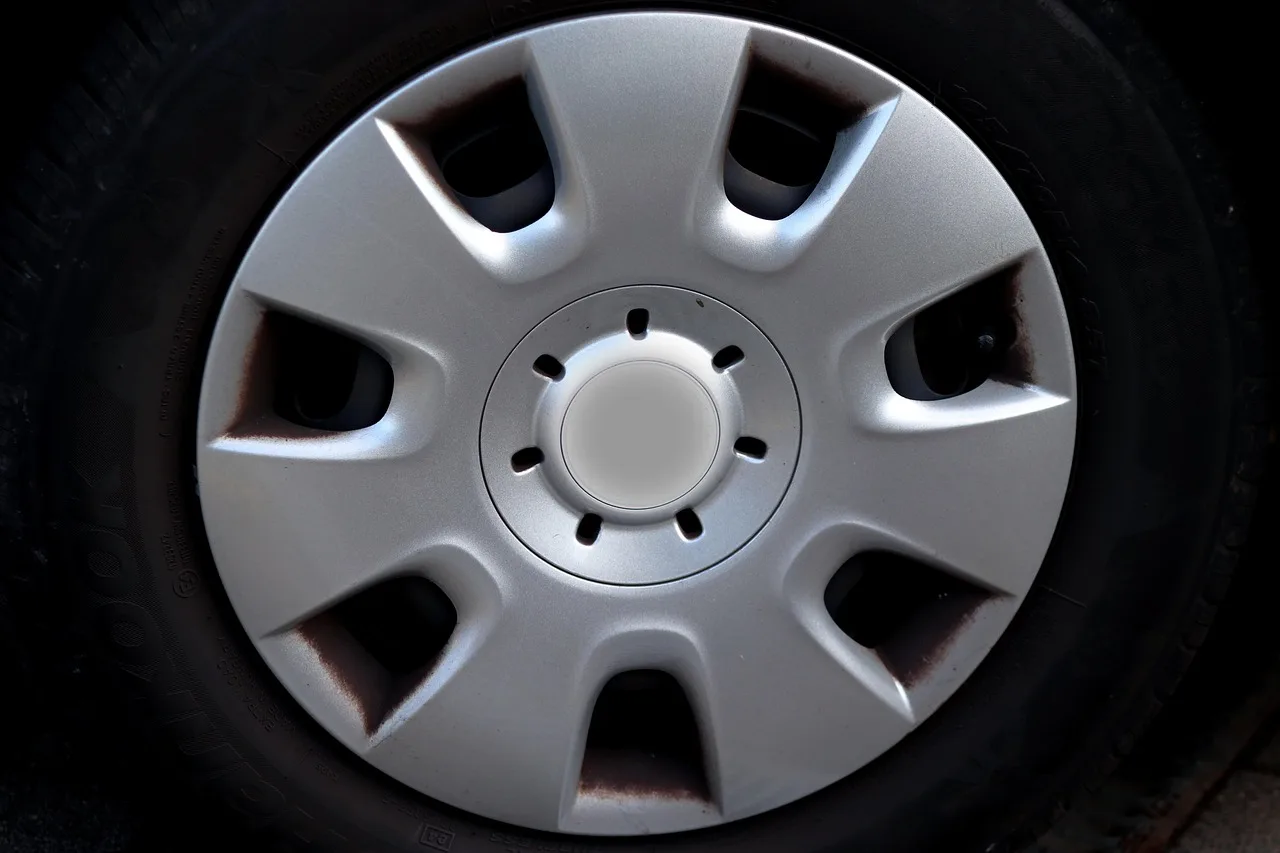
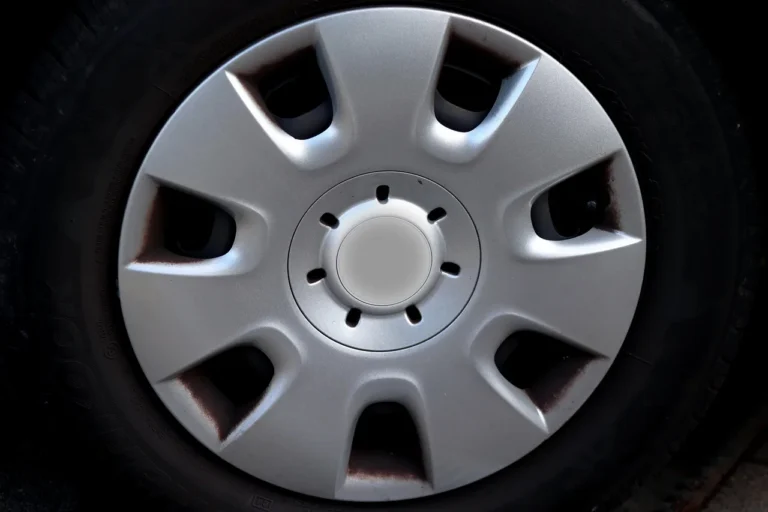
Yes. Brake dust can stain a wheel finish first, then become a more serious problem if it bakes on, scratches the clear coat, or lets moisture reach the metal underneath. The highest risk is usually on clear-coated alloy wheels, because once the protective layer is damaged, corrosion can start where the dust collected.
How clear coat, paint, chrome, and anodized finishes react differently
Brake dust comes from brake pad and rotor friction, so it contains metallic particles that cling to nearby wheel surfaces and build up fast on front wheels. The finish matters: clear-coated, powder-coated, painted, chrome, and anodized wheels each react differently to heat, moisture, and scrubbing.
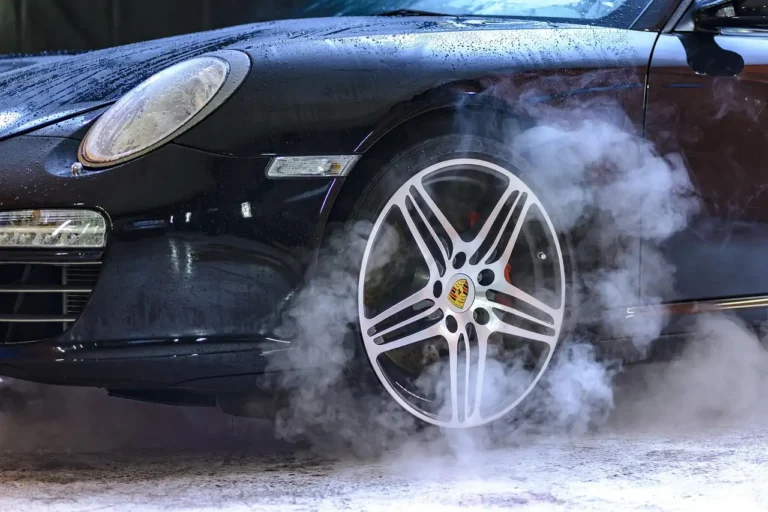
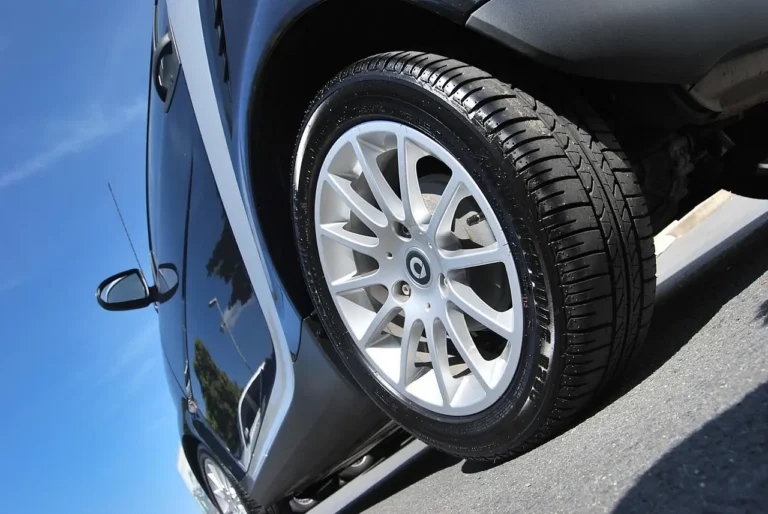
Clear-coated alloy wheels are the common weak spot. The clear coat is a protective layer over the alloy, but wire bristles or abrasive pads can scratch it, and once that barrier is breached, corrosion can follow. Painted and powder-coated wheels can stain first, then dull if harsh scrubbing mars the surface. Chrome and anodized finishes often resist staining longer, but they can still spot or haze if dust sits in heat and moisture.
If your front wheels pick up a gray-brown film after a week of commuting, the first question is whether the surface still feels smooth after a gentle wash. Smooth usually points to staining. Gritty, cloudy, or dull after cleaning usually points to bonded contamination or early etching.
When staining turns into etching or corrosion
Fresh dust lifts more easily than residue that has baked on. The longer it sits, the more heat, moisture, and pad chemistry turn a surface film into something harder to remove. Harsh scrubbing makes that worse by adding marring, swirl marks, and cloudiness to the finish.
Corrosion risk rises when the clear coat is damaged or already thin. That matters most on alloy wheels, where protected aluminum becomes vulnerable once the barrier fails. Brake dust itself is not the only issue; it traps moisture and contaminants against the finish, which speeds visible damage.
A common first-time mistake is waiting until the wheel looks “really dirty” and then using a stiff brush. That often turns a cleanable deposit into permanent-looking marks on the clear coat.
Can brake dust damage car paint?
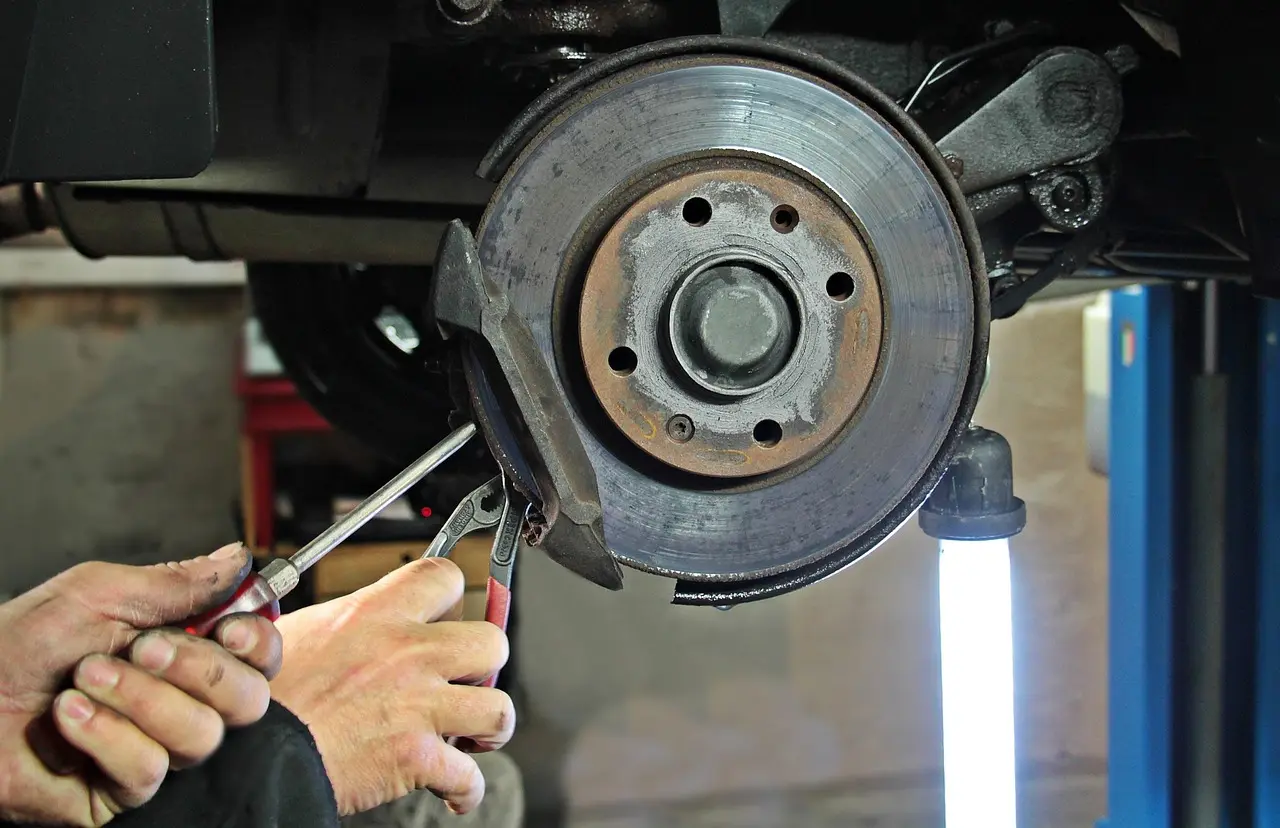
Usually not in the same way it harms wheels, but it can. Brake dust can land on lower body panels, rocker areas, bumpers, and behind the wheels, where it may stain paint or bond into contamination. It becomes a paint issue when it sits for a long time, gets baked by heat, or is scrubbed dry across the surface.
How dust reaches lower body panels and rocker areas
Brake dust does not stay in the rim barrel. Air movement, wheel rotation, and road spray can move particles onto nearby painted panels, especially the lower quarter panels and the area behind the front tires. That same front-end airflow path can carry residue farther outward, especially where the wheel throws dust into the bodywork.
Paint usually has more protection than bare metal under a damaged wheel finish, so the normal result is staining or contamination rather than immediate corrosion. The real issue is visibility and bonding. Dark dust spots on light paint can look like tar, and on neglected panels they may resist a normal wash.
When washing is enough and when iron remover or professional correction is needed
Fresh dust on paint is often removed with a thorough wash using a pH-neutral cleaner and clean microfiber towels. If brown or black specks remain after washing, an iron remover is often the next step because brake dust commonly includes metallic particles. If the paint still looks dull, rough, or swirled after decontamination, professional correction may be needed.
If dust specks are on the lower doors and rocker panels but the paint still feels smooth, washing followed by iron remover is often enough. If the same area still feels gritty and the finish has faint scratches after wiping, the problem has moved from contamination to correction.
What you’ll need
- pH-neutral wheel cleaner or a wheel-specific cleaner matched to the finish
- Two buckets with grit guards
- Soft bristle or foam brush
- Microfiber wash mitt and microfiber drying towels
- Iron remover for bonded metallic dust on wheels or paint
- Separate microfiber towels for wheels and painted panels
- Wheel sealant or wax for future protection
- Nitrile gloves
- Hose or pressure rinsing source
How to remove brake dust safely
Safe removal starts with reducing abrasion, then choosing the right cleaner for the finish. The goal is to lift loose dust first, loosen bonded particles second, and avoid grinding grit into clear coat or paint. Work on cool surfaces whenever possible, and rinse thoroughly before and after cleaning.
- Rinse the surface first. Flush loose dust off the wheel face, barrel, and nearby paint before touching anything. This keeps metallic grit from being dragged across the finish.
- Check the finish type. Confirm whether the wheel is clear-coated, painted, chrome, or anodized, then choose a cleaner made for that finish. Wheel cleaner should match the wheel material and finish, and it should be spot-tested on a small area first.
- Apply cleaner evenly. Spray enough to wet the dirty areas without flooding brakes or hot components. On some wheel-cleaning guides, cleaner dwell time of 2–5 minutes is recommended, but do not let it dry on the surface.
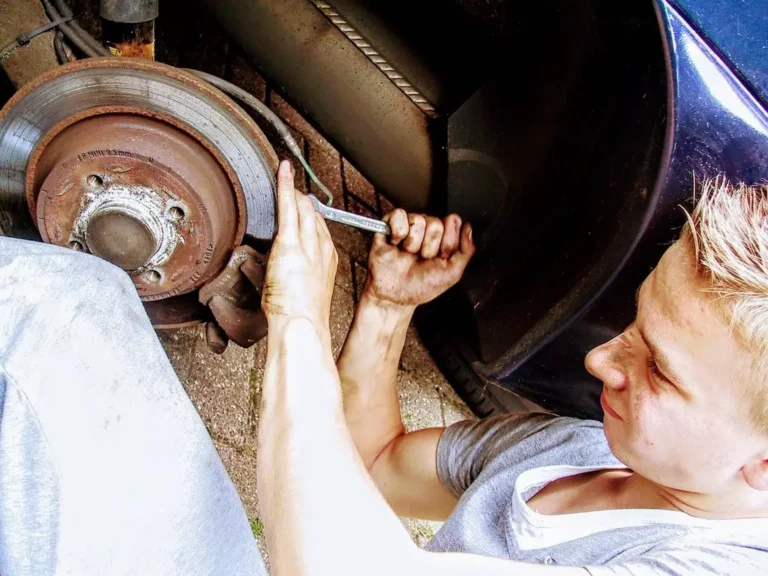
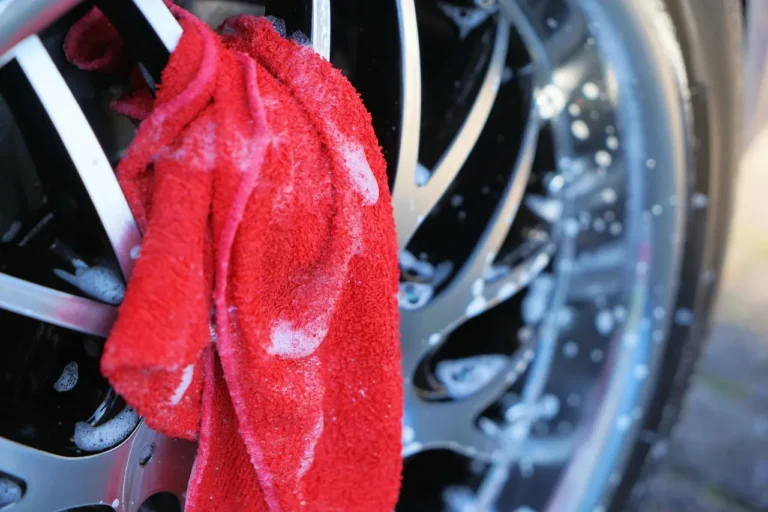
- Agitate with a soft brush. Use a soft bristle or foam brush to lift dust from spokes, lug recesses, and the barrel. Soft bristle or foam brushes are the safer choice for wheel cleaning, and wire bristles should never be used on alloy wheels.
- Target bonded residue. If brown specks remain after the wash, apply an iron remover to the affected area and recheck after the product has worked. Use it on wheels first, then on painted panels if dust has migrated outward.
- Rinse and dry fully. Rinse until no cleaner remains, then dry with clean microfiber towels. Wheel cleaner must be rinsed thoroughly so residue does not dull the finish or attract more dust.
- Add protection after cleaning. Apply wheel sealant or wax once the surface is clean and dry. That helps reduce dust adhesion and makes later cleanup easier, though it needs periodic reapplication.
Common mistakes
Using wire brushes or abrasive pads. They can scratch clear coat and leave permanent marks, especially on alloy wheels. Once the finish is breached, corrosion can follow.
Letting cleaner dry on the wheel. Dried product can leave streaks or residue. Keep the surface wet for the dwell window, then rinse completely.
Cleaning hot wheels. Heat speeds product drying and can make staining harder to remove. Some finishes are safest in the 50°F–85°F range, so work on cool surfaces when possible.
Skipping a spot test. A cleaner that works on one finish can dull another. This matters on anodized and chrome surfaces, where finish sensitivity is higher.
Waiting until buildup is baked on. Brake dust gets harder to remove over time, and more scrubbing usually means more risk of marring. Cleaning sooner is easier and safer.
Frequently asked questions
How long does brake dust take to etch or corrode wheels?
There is no fixed clock. Heat, moisture, pad chemistry, and how long the dust sits all change the outcome. Fresh dust is easiest to remove, while baked-on dust is more likely to stain, etch, or expose the finish to corrosion.
Does brake dust stick more to alloy wheels than other wheel types?
Alloy wheels often show dust quickly because the finish makes buildup easy to see. Other finishes may hide the dust better, but visibility is not the same as protection. A coated wheel can still be contaminated.
Are ceramic brake pads less dusty than semi-metallic pads?
Often yes. Many ceramic-based friction materials produce less visible dust, while semi-metallic pads commonly create more visible dust and are often used for stronger braking performance. Not every ceramic formula behaves the same, though.
What cleaner is safest for baked-on brake dust?
Start with a wheel-specific, pH-neutral cleaner that matches the finish, then spot-test first. If ferrous deposits remain, some guides suggest mild acid cleaners for that job, but only on finishes that can tolerate them. Rinse thoroughly and avoid abrasive agitation.
Can brake dust shields reduce buildup without hurting braking?
They can reduce how much dust reaches the wheel because they deflect particles away from the surface. Vent-style dust shields are suggested because airflow concerns may exist, so severe-duty use needs caution. Fitment and cooling matter, especially on hard-driven vehicles.
How do I remove brake dust without scratching the wheel finish?
Rinse first, use a finish-matched cleaner, then agitate with a soft bristle or foam brush. Avoid wire bristles, scouring pads, and dry wiping. If residue remains after cleaning, use an iron remover rather than scrubbing harder.
Does brake dust become harder to remove over time?
Yes. Fresh dust lifts more easily than residue that has baked on. As it sits, heat and moisture help it bond to the finish, which raises the chance of staining, etching, and the extra scrubbing that causes marring.
Can brake dust cause corrosion on aluminum wheels?
Yes, if the protective layer is damaged or scratched through. Alloy wheels can become vulnerable once the clear coat is compromised, because that creates a path for corrosion. The dust itself is a problem because it traps moisture and contaminants against the metal.